Seaweed and microalgae: benefits, nutrients, culinary uses
Imagine superfoods that have been present in the oceans for billions of years, but have only recently been rediscovered for their benefits and their nutritional assetsSeaweed and freshwater microalgae, these plants with exceptional properties, are increasingly making their way into our plates and also into our beauty routines in do-it-yourself mode. And to top it all off, seaweed is carbon sinks that store CO2 "and therefore have" a very positive environmental impact !So many advantages !
Indeed, the trend towards increasingly plant-based diets offers seaweed a prominent place in the evolution of our eating habits and awareness of our ecological responsibility in our food choices. They have already garnered significant attention in French gastronomy, particularly among famous Michelin-starred chefsJulien Lemarié, Xavier Taffart, Mathieu Guibert, Mathieu Kergoulay...Days for their environmental impact. This societal shift is particularly relevant in the current context of reducing the consumption of animal proteins, which have been criticized for their environmental impact. last yearfor their damage to health and the environment, particularly because they are consumed in excessive quantities.
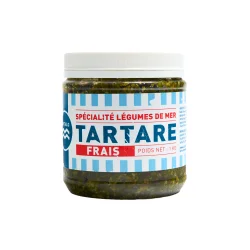
Biovie's fresh seaweed is hand-harvested in Roscoff by Bretalg, France's first historic seaweed harvester (since 1991). Kombu, wakame, nori, dulse, sea lettuce and sea spaghetti are sold as a ready-to-eat tartare or in 500 g to 1 kg packs, with a texture and taste closer to the sea than dried versions. At €16.80 per kilo, our price is among the most competitive on the market for fresh seaweed harvested in France. To try, choose our discovery assortment of 4 organic seaweeds in 4 x 250 g; for regular cooking, the kilo works out much cheaper., 8
products
Algae stand out as an option of high taste and nutritional quality., as the Asians have understood for centuries. They must cultivate them because they consume large quantities. The average annual consumption of seaweed in Japan is equivalent to the average annual consumption of green salad in France., The potential for integrating algae into our diet is immense. My ambition is to instill in you the desire to incorporate algae into your daily meals, a little, a lot, passionately, madly, not only for their exceptional nutritional benefits but also for the genuine taste pleasure they provide.
We want to share our passion for these incredible foods of the future with you. We have already published two books on algae.Seaweed in everyday life" and "Cooking with seaweed", we ship them""to the four corners of France every month, and I have been consuming it daily for over 20 years.".
In France, we have the luxury that many countries envy of being able to consume them wild., harvested from the sea or the intertidal zones, at low tide as you can see in this video we made in Roscoff, a prominent French location for seaweed harvesting:
To understand this wave of plant-based and marine products that is sweeping over our dietary and cosmetic habits, I suggest we first explore the differences between algae and microalgae, their benefits, in particular. their richness in trace elements, their contributions of vitamins, minerals, proteins, and their positive effects on our body. We will finally see their culinary and cosmetic uses.
The history of algae in human nutrition is a fascinating journey that spans across different cultures and centuries. Algae have been consumed by humans for thousands of years, particularly in coastal regions where they are readily available. In East Asia, especially in countries like Japan, China, and Korea, algae have been a staple in the diet for centuries. Seaweeds such as nori, kombu, and wakame are commonly used in various dishes, including sushi, soups, and salads. These cultures have long recognized the nutritional benefits of algae, which are rich in vitamins, minerals, and proteins. In Europe, the use of algae in food has been less prevalent historically, but there are records of coastal communities consuming seaweed. For example, in Ireland and Scotland, seaweed like dulse and carrageen moss have been traditionally used in soups and broths. In recent years, there has been a growing interest in algae as a sustainable and nutritious food source worldwide. Algae are now being incorporated into a variety of modern food products, from snacks and supplements to innovative culinary dishes. This resurgence is driven by the recognition of algae's potential to contribute to food security and environmental sustainability. Overall, the history of algae in human nutrition reflects a rich tradition of utilizing natural resources to enhance diet and health, a practice that continues to evolve and expand in contemporary times.? [1] [2]
My research leads me to present to you a noteworthy and anecdotal historical consideration that is rarely mentioned in literature outside of research, that of the theory of " the kelp highway ", which was proposed to explain the pathways of human migration along the kelp-rich coasts – a type of brown macroalgae – from Asia to North America and then to South America. This kelp highway theory provides a new perspective on prehistoric human migrations along the Pacific coasts and, as the saying goes, "puts the church back in the center of the village" regarding the importance of algae in human evolution, moving them beyond their decorative role on fishmongers' stalls.
According to this thesis, The dense kelp forests of the seas would have played a crucial role in providing food, shelter, and resources for navigation and fishing to prehistoric migrating populations. This coastal migration proposes an alternative migration route to the traditionally considered land route via the Bering Strait land bridge, which is the most commonly presented hypothesis. Tom Dillehay, a renowned anthropologist and archaeologist from Vanderbilt University, discovered traces of human presence dating back to approximately - 18,500 years, making it one of the oldest sites on the American continent. DNA analyses have revealed the presence of algae remnants in fossilized human excrement and on tools., suggesting a dietary and potentially medicinal use of seaweed by the inhabitants of this area. These elements indicate that marine resources, and particularly seaweed, constituted a significant part of the diet of the early peoples of the Americas and very likely actively contributed to the peopling of the American continent.
Positive impact of algae as carbon sinks [3] [4] [5]
Photosynthesis and carbon sequestration
Algae, through the process of photosynthesis, absorbent the carbon dioxide (CO2) present in the atmosphere or dissolved in the oceans. This CO2 is converted into organic biomass, helping to reduce atmospheric CO2 concentrations, one of the main greenhouse gases.
Export of trapped CO2 to the ocean floor
A portion of the biomass produced by algae, particularly in large expanses of algae such as kelp forests and phytoplankton blooms, is transported to the ocean floor when these organisms die. This process helps sequester carbon for extended periods.
Oxygen production
In addition to sequestering carbon, algae release a significant amount of oxygen into the atmosphere through photosynthesis, contributing to the support of marine and terrestrial life.
What are seaweeds and what are microalgae?
Let's now look at the differences between the various types of algae. Seaweed, also known as macroalgae, are marine plant organisms that thrive in coastal areas. These species of algae, with their varied shapes and sizes, are easily visible to the naked eye and can be harvested in their natural state, particularly in Europe. The three European countries that harvest the most are Norway, France, and Ireland. They are used in various economic sectors and an entire product rangevery different: human nutrition, development of cosmetics, manufacturing of pharmaceutical productsfertilizers...etc.
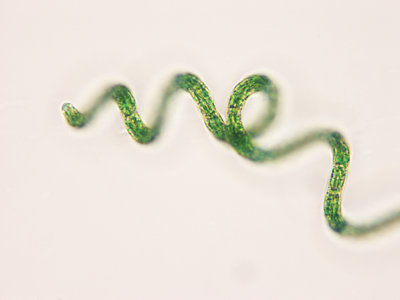
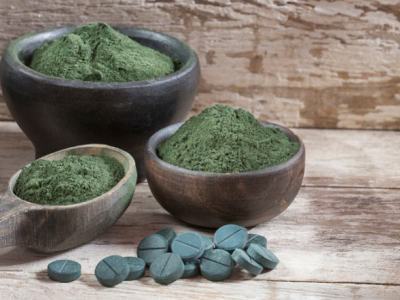
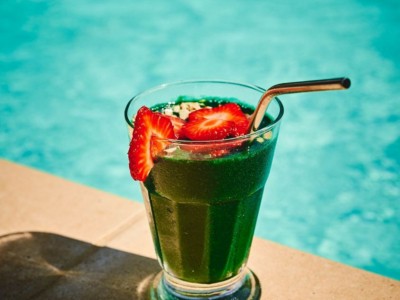
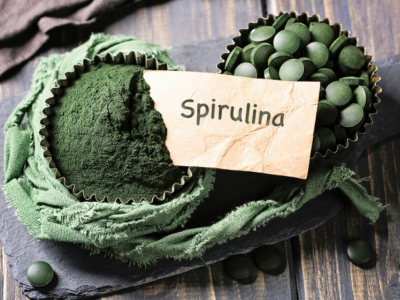
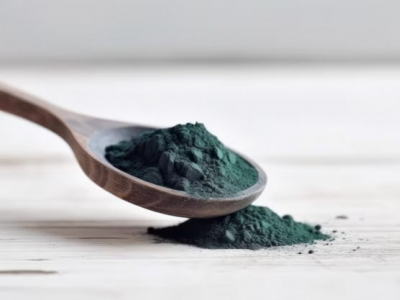
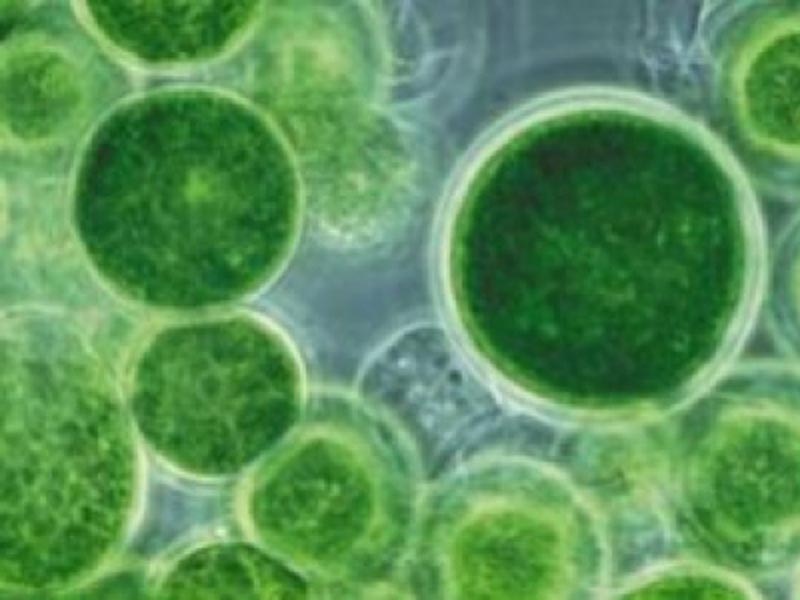
Microalgae, on the other hand, are microscopic organisms that, unlike macroalgae, are not visible to the naked eye. This group also includes cyanobacteria, such as spirulina, which are most often cultivated in freshwaterunsalted, often controlled, such as basins, bioreactors, or on a lake, as is the case for Klamath algae. Microalgae are recognized for their exceptional nutritional qualities and their ability to be used as dietary supplements"leading" or "prominent"...or ingredients in the food industry. Did you know that spirulina, for example, is a very common food coloring for candies (thanks to its richness in phycocyanin, a pigment that is also a powerful antioxidant) ?
Difference between seaweed and microalgae
The major distinction between seaweed and microalgae lies in their size: Macroalgae are multicellular organisms visible to the naked eye., while Microalgae are microscopic unicellular organisms. which float freely like phytoplankton or attach to substrates. Macroalgae have a thallus that allows them to anchor to the seabed, whereas microalgae, being smaller and lighter, are generally suspended in the water.
Furthermore, macroalgae are classified into green algaegreen, red, and brown, depending on their characteristic pigments: chlorophyll, phycoerythrin, and fucoxanthin, respectively. In contrast, microalgae can exhibit a wider range of colors, from blue to green, depending on their own pigment composition.
Main algae"Seafood"
Among the species ofedible seaweedAmong the most well-known, here are those that are authorized for consumption in Europe. It should be noted that there are many other edible algae, less common than those described below, but they are not marketed because they have not undergone the European approval process.
Wakame This algae is a basic ingredient indispensable in Asian cuisine. It is the only one to be partially cultivated in France (all the others are harvested wild).
Nori : Famous because it is often used to wrap sushi or maki. It is the one most frequently mentioned by the general public.
Dulse : An alga from red color valued for its taste and nutritional benefits. A common ingredient in seaweed tartare.
Kombu Traditionally used as a flavor enhancer, in cooking this seaweed reduces the cooking time of legumes by half.
Sea bean This algae in bean-shaped is known for its unique texture and richness in nutrients. Sea beans are the first algae I recommend introducing fresh; they are the simplest and most fun.
Sea lettuce This green algae It gets its name from its shape, which resembles that of lettuce. It is airy, delicate, and fragile. It is a common ingredient for making seaweed tartare.
Agar-agar An algae that is frequently used in raw food diets and vegan baking as a natural gelling agent (as opposed to gelatin derived from pig skin, the most common industrial gelling agent in thehuman nutrition
The brown algaesuch as wakame, kombu, or sea beans, are particularly valued for their content in mineral saltsx and various beneficial compounds.
Main species of microalgae
In the field of microalgae, the most famous ones, primarily used as dietary supplement are:
Spirulina This cyanobacterium is an important source of bioavailable proteins andessential fatty acids
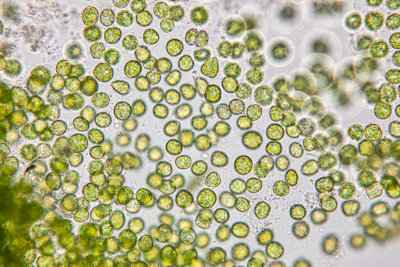
Chlorella : Known for its high concentration of chlorophyll and its exceptional detoxifying properties.
Klamath Algae This algae, recognized as a neuroregulator, is also renowned for its benefits on energy and immunity.
Spirulina comes from warm regions such as Africa or Asia, while chlorella is more often associated with Japan and Taiwan in terms of its origin. Today, both of these algae are cultivated all over the planet. Klamath, on the other hand, comes from a unique site in Oregon, USA.
Benefits of seaweedseaweed and microalgae
Seaweeds and microalgae are now recognized for their multiple benefits for health and well-being. They are true superfoods, very rich in trace elements, essential minerals, vitamins, and highly bioavailable proteins.
Furthermore, their benefits are numerous: They play a preventive role against certain pathologies, nourish the body optimally, and improve skin health by promoting its hydration, elasticity, and radiance.. The cosmetic products based onmarine assetsderived from algae benefit from their assimilative, slimming, antibacterial, and antiviral properties, offering exceptional skin protection.
Moreover, algae stand out as being a sustainable alternative to animal proteins, offering a rich and complete nutritional profile, including essential fatty acidsand vitamins such as vitamins A, B, C, and B12.
Rich in minerals and trace elements
The marine algaeThey are real reservoirs of nutrients. They are an incredible source of iodine, an essential element for the thyroid and proper metabolic function, and they contain high levels of minerals and trace elements in their dry mass: calcium, magnesium, potassium... While minerals are easy to find in our diet, trace elements can be rarer and more difficult to obtain, especially with:
the industrialization of our food
the refining of cereals
the general impoverishment of soils that bear non-organic crops.
In algae, trace elements are present in abundance.. . They play a vital role in a multitude of metabolic and enzymatic reactions in the body.. These elements, such as iron, zinc, copper, manganese, and selenium, act as cofactors for many enzymes involved in crucial processes such as protein synthesis, energy production, and the regulation of the immune system.
For example, iron is essential for the formation of hemoglobin, while zinc is necessary for the activity of many enzymes involved in food digestion and metabolism regulation.
Furthermore, trace elements often act in synergy with each other, thereby enhancing their effectiveness in maintaining health and well-being. Trace elements do not need to be present in large quantities because they are catalysts of metabolic reactions, and they remain intact at the end of the reaction. Where do these trace elements found in algae come from? From seawater, of course, the liquid matrix where they grow!
I explain their importance to you in this video dedicated to seawater, which also provides many trace elements that are found in seaweed:
Source ofamino acidsand ofessential fatty acids
Algae are particularly remarkable for their complete content in amino acidsare essential, essential for the construction and repair of muscle tissues. Species such as chlorella, spirulina, and certain red algaeprovide proportional quantities ofamino acidscomparable to those from animal sources. They also offer a rich source offatty acidspolyunsaturated, including omega-3, 6, and 9, essential for many vital functions, particularly cardiovascular and brain health.
Vitamin intake
Seaweed is a excellent source various vitamins. They offer a variety of water-soluble vitamins, such as B vitamins (B1, B2, B3, B5, B6, B9) which play an essential role in energy metabolism and the health of the nervous system. Seaweed also contains vitamin C, a powerful antioxidant necessary for the growth and repair of tissues.
Additionally, algae are rich in fat-soluble vitamins, such as vitamin A, which contributes to vision and skin health, and vitamin E, which protects cells from oxidative stress. Certain types of algae, like dulse, are also a source of provitamin A, or beta-carotene, a precursor to vitamin A.
Furthermore, seaweed contains significant amounts of vitamin K, which is essential for blood clotting and bone health, as well as small amounts of vitamin D, which plays a key role in calcium absorption and bone health.
It is also important to note that seaweed is a natural source of vitamin B12, this vitamin is primarily found in animal products. Science has not yet determined the level of bioavailability of the vitamin B12 derived from algae.
Seaweed and weight loss
Highly beneficial for health, the marine algaeMicroalgae have unique properties: studies show that they can reduce cholesterol and blood pressure, while having a positive effect on glucose metabolism, which is particularly interesting for people with diabetes. The intake of dietary fiber also contributes to good digestion and a prolonged feeling of satiety.
Culinary uses of seaweed and microalgae
We have seen that seaweed and microalgae are becoming increasingly popular in our diets, offering not only a range of health benefits but also a wealth of flavors and a diversity of uses in cooking.
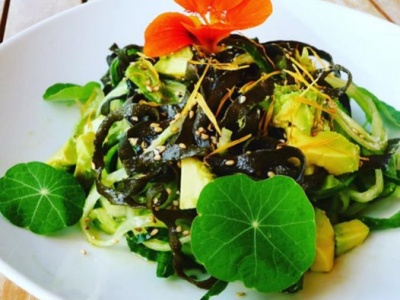
Modern preparation methods have expanded the range of uses, including dried seaweed for making sushi with nori, enriching miso soups with wakame, or enhancing the flavor of various dishes as condiments such as seaweed tartare, which I recommend you have as a universal condiment in your refrigerator.
Use of Seaweed in Traditional Asian Cuisine
For centuries, traditional Japanese cuisine has incorporated seaweed into its recipes. Regular consumption of seaweed is associated with health benefits such as the prevention and control of diabetes, hypercholesterolemia, hypertension, and cardiovascular diseases. They are found in Japan and other Southeast Asian countries in various forms. multiple forms – in salads, integrated into sauces, tarts, broths, soups, or as a side dish to many other dishes. A very common base broth is Dashi, prepared with Kombu seaweed and bonito flakes, and it serves as a culinary foundation for a multitude of Japanese dishes.
Preparation and incorporation of seaweed in dishes
Algae are ideally incorporated into a vegetarian diet, often consumed raw to preserve all their nutrients. This is how I recommend you start consuming them. To integrate them into your cooking, I suggest starting with dehydrated algae in the form of flakes, and algae in the form of sheets, to gradually transition to other forms. fresh seaweed
Low-temperature dehydrated seaweed flakes, such as the dulse - sea lettuce mix can be stored for several months/years away from light and heat. As for the fresh seaweedYes, they can be stored for 6 months in the refrigerator. Before use, the fresh seaweedThey will be desalted and drained, then incorporated into various preparations, offering a multitude of culinary possibilities in both savory and sweet recipes. You can also use fresh seaweed to create your own homemade seaweed tartare, which you won't be able to do without !
Cosmetic uses of seaweed and microalgae
Beneficial properties for the skin and hair
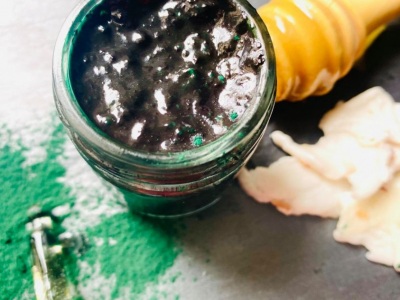
The use of seaweed-based cosmetic products ensures a radiant complexion and deeply nourished skin, thanks to a composition rich in vitamins, minerals, proteins, and antioxidants. The marine algaehave a slimming, photo-protective, anti-bacterial, and anti-viral effect on the skin.
They bring fatty acidsantioxidants and trace elements promoting skin firming. The brown algaeSeaweeds, such as kelp and fucus, are renowned for their moisturizing and soothing properties, contributing to the protection and restoration of the epidermis. These benefits also extend to hair, with seaweeds providing nourishment and strength, thereby improving volume and shine. You will find cosmetic preparation tips in our book "Seaweed in Everyday Life".
Defense mechanismsagainst the skin aging
It is important to know that the secondary metabolites and antioxidants of algae actively contribute to the fight against skin aging. They maintain hydration while protecting against dryness and environmental stress. The green algaeoffer protection against UV rays, while the red ones have moisturizing and anti-aging properties. Thanks to an array of nutritious compounds such as fatty acidsTrace elements and omega 3, 6, 9, algae support cell renewal, preserve the suppleness of collagen and elastin fibers, and thus combat premature skin aging.
What are the seaweeds that can be found in France?
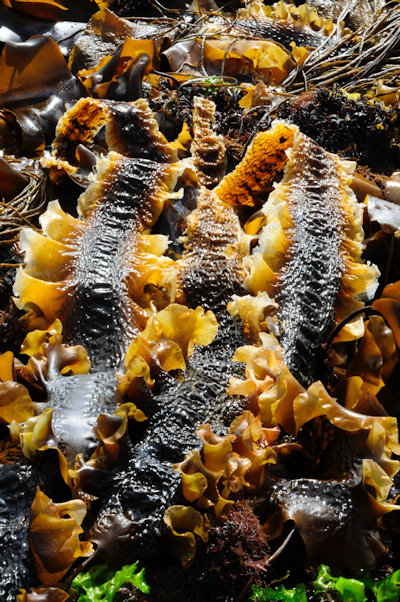
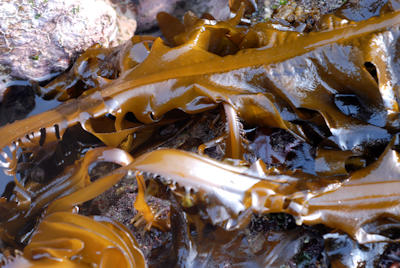
Kombu, known as the queen of seaweed, plays an essential role in Asian cuisine, particularly in Japan. This brown seaweed primarily grows in the cold waters of Northern Asia and the North Atlantic, forming vast underwater forests that serve as vital habitats for many marine species. Traditionally harvested by hand, kombu is famous for its wavy fronds that can reach several meters in length.
In terms of nutrition, it is extremely rich in essential minerals such as iodine and potassium, and contains beneficial polysaccharides such as alginate and fucoidan. These compounds promote detoxification and offer anti-inflammatory benefits. In culinary terms, kombu adds flavor to broths such as dashi and improves the digestibility of legumes by reducing their cooking time. and is considered a superfood due to its nutritional density. It is often consumed in the form of dietary supplementsAdditionally, kombu is the seaweed richest in calcium.
Nori is a type of seaweed often mentioned when discussing edible seaweeds. There are different species of nori, with the most common one in Europe being Porphyra Umbilicalis. Very popular, theNori seaweed is ideal for starting out in seaweed cuisine., just like sea beans. Nori sheets can easily be found in stores, even if they are not dehydrated at low temperatures, as recommended. These sheets are perfect for making sushi or maki., in a plant-based and raw version, with nori leaves dehydrated at a low temperature.
Nori is a type of seaweed that has many health benefits.. It grows on the rocks of the intertidal zones of cold seas, exposed to the air at low tide and submerged at high tide. It is harvested year-round, with a peak between November and February. Although widely cultivated in Asia, this seaweed is wild in France. Despite its fine and delicate appearance, nori is rich in antioxidants, tannins, phenolic compounds, and other antioxidants that help combat free radicals. It also contains about 40% protein, making it a prime food choice in plant-based cuisine. Additionally, nori is a rare source of vitamin B12 In the plant kingdom, although its bioavailability still needs to be scientifically established.
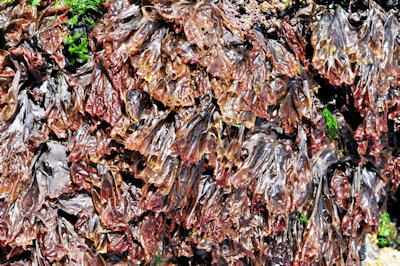
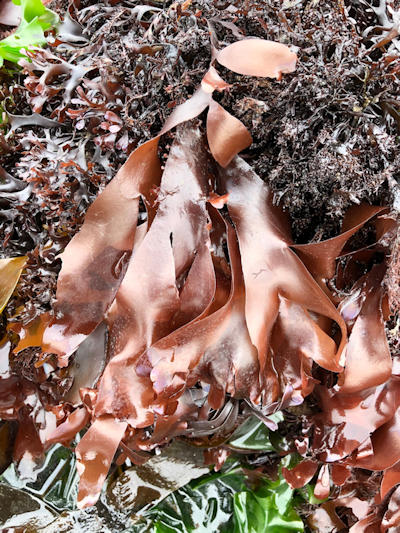
Dulse, also known by its scientific name Palmaria palmata, is a red algae prized for its unique qualities. Native to the coasts of the North Atlantic, it thrives in cold, nutrient-rich waters, primarily in the Roscoff region where it clings to rocks. Dulse is harvested manually during low tide at spring tides. This algae is characterized by its thalli, which can reach up to 50 cm in length, with a color ranging from purple to dark red, and it has a tender and slightly crunchy texture.
From a nutritional standpoint, dulse is very interesting because it provides vitamins, iron, magnesium, calcium, potassium, and proteins (up to 25% of its dry weight). This makes it an excellent food choice for vegetarians and vegans. Additionally, it contains fatty acidsomega-3s and antioxidants that help combat oxidative stress.
Its culinary qualities, dulse is appreciated for its unique, slightly smoky flavor and iodine-rich, with a hint of hazelnut. This makes it particularly appealing in raw vegan dishes. It can be used fresh, as is, or in flake form to enhance various dishes. For example, when incorporated into broths, it adds depth of flavor and a delicate iodine touch. Dulse is also often used as a main ingredient in seaweed tartares, a condiment that allows for easy and regular consumption of seaweed in daily meals.
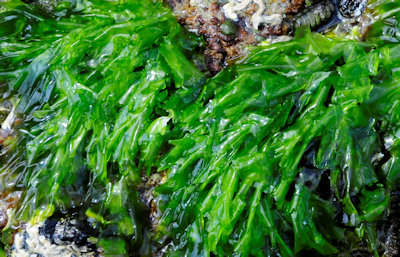
Sea lettuce is a marine algae that, despite its green color, has nothing to do with the tides ofgreen algaerelated to pollution. Cultivated in oxygenated and nutrient-rich waters, it is hand-harvested in intertidal zones. Visually, sea lettuce is recognizable by its light texture and large green leaves, which can extend up to 30 cm. Nutritionally, this algae, also known as Ulva lactuca, is very interesting. It is rich in antioxidants, such as phenolic compounds, which combat oxidative stress.
Furthermore, it is an important source of essential nutrients such as vitamins C, E, B group, iodine, potassium, magnesium, and iron. With a protein content of around 20%, sea lettuce is also relevant for vegetarians and vegans, although it is not the algae richest in protein. In cooking, this seaweed offers a fresh and subtly salty flavor. It can be used fresh in salads for a refined marine note, or dried as a condiment to add an iodized dimension to your dishes. Sea lettuce is often paired with dulse to prepare seaweed tartares, providing a unique visual contrast.
Wakame, a brown seaweed widely used in Japanese cuisine, deserves to be better known in Europe. In addition to its pleasant texture, this seaweed is packed with essential nutrients. Wakame grows in shallow waters, clinging to rocks in nutrient-rich areas.
In France, it is found both harvested in the wild and cultivated, and it could potentially meet market needs in the medium term. Wakame is characterized by its long, undulating fronds of a green-brown hue, firmly anchored to rocks by robust holdfasts. From a nutritional standpoint, wakame is a valuable source of many essential nutrients. It contains about 15% protein by dry weight, as well as minerals such as calcium, magnesium, iodine, and iron. It is also rich in B vitamins, particularly vitamin B9 Folate.
This algae contains fatty acidsomega-3 as well as fucoidan, a sulfated polysaccharide unique to brown algaerecognized for its potential beneficial effects, particularly for cardiovascular health. In the kitchen, wakame can be used in various ways. Fresh, it adds a refreshing marine touch to salads. Rehydrated, it regains a tender texture, ideal for enriching salads and cold dishes. It is also an essential ingredient in soups, with its characteristic umami flavor, such as the famous Japanese miso soup.
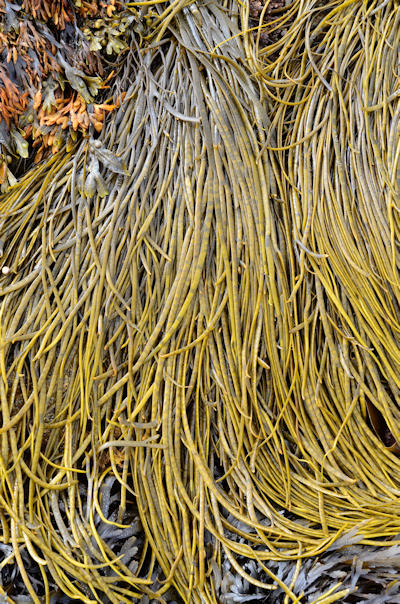
This is the easiest seaweed to incorporate into cooking; it can simply be added to many dishes as is, without any preparation. This brown seaweed, Himanthalia elongata, is distinguished by its long shoots that resemble spaghetti or beans. It is found in marine areas where the water circulates abundantly and where the waves are moderate to strong. Sea spaghetti thrives easily and is harvested throughout the year. Its natural habitat, which promotes excellent water circulation, facilitates its access to essential nutrients, which is reflected in its remarkable nutritional composition. Morphologically, sea spaghetti stands out with its elongated shoots that can reach up to 2 meters.
From a nutritional standpoint, sea beans are rich in minerals such as magnesium, potassium, and calcium. They are particularly noted for their exceptional iodine content, which is vital for thyroid health. Additionally, their richness in fucoxanthin, a powerful antioxidant found in brown algae... helps neutralize free radicals and slow down cellular aging. Its high fiber content also promotes healthy digestion. In culinary terms, sea beans are appreciated for their unique texture and delicately salty flavor.. Whether consumed raw and desalted or in the form of low-temperature dehydrated flakes, it integrates perfectly into a multitude of dishes, notably enriching salads with an iodized touch and broths with a unique flavor. After nori, it is the second most widely offered seaweed. Its milder taste compared to its counterparts and its original form make it a particularly easy seaweed to incorporate into cooking.
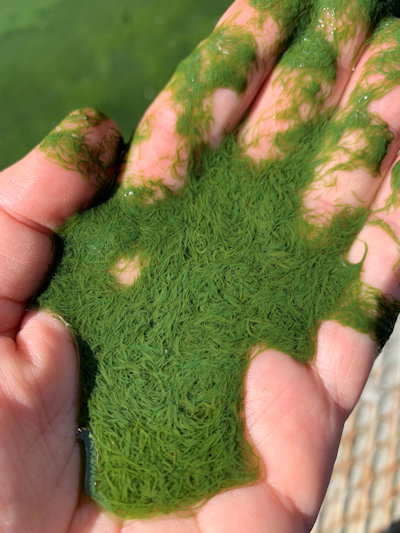
I have chosen to first talk to you about the queen of microalgae, the most unknown and the most incredible: Klamath algae. The blue-green microalga called Klamath, scientifically known as Aphanizomenon flos-aquae (AFA), originates from Klamath Lake in Oregon, USA. It is renowned for its incredible nutritional benefits. Thanks to the unique geography of this region, as well as the particular climate enriched by the waters of the surrounding extinct volcanoes, Klamath thrives wildly in Klamath Lake, nourished by volcanic waters.
It is harvested mainly during the summer flowering periods, unpredictably, directly from the lake. The exceptional composition of Klamath makes it an extraordinary superfood, often surpassing spirulina in terms of nutritional and detoxifying properties. Indeed, this microalga is rich in proteins, vitamins, antioxidants, amino acidsessential, omega-3, chlorophyll, and phycocyanin. We were able to participate in a harvest in Oregon, during one of the annual blooms:
Benefits of Klamath
Despite its natural origin and lack of cultivation, Klamath algae still benefit from few specific scientific studies today, unlike chlorella and spirulina, which are more popular. Harvested exclusively from Klamath Lake in Oregon, USA, this algae is primarily known for its neuro-regulatory effects. Its properties are particularly studied in children with attention disorders and in elderly individuals facing cognitive decline. It is considered a super algae for the brain. The most recommended form for optimal use is fresh and frozen Klamath, available in Europe. Among its beneficial properties, one can notably cite the abundant presence of phenylethylamine in Klamath:
Action of Klamath on mood improvement
Klamath is known for its beneficial properties on cognition and mood. Indeed, it is particularly rich in phenylethylamine (PEA), a natural biochemical compound that plays a role in improving mood and concentration. PEA, often nicknamed the "love compound," is renowned for its positive effect on the sensation of well-being. Studies suggest that PEA can contribute to the improvement of attention and mood, making it a potentially beneficial supplement for people suffering from attention disorders or mild depression.
Neuroregulatory action of Klamath
In addition to its antioxidant properties, Klamath is also a source offatty acidsomega-3s, essential for proper brain function. These fatty acidsThey promote the health of cell membranes, including those of neurons. Studies have shown that omega-3s can improve memory and prevent cognitive decline. Thus, Klamath can help maintain cognitive abilities and preserve brain health.
Thanks to its neuro-regulatory action, Klamath is being studied in children with attention disorders, as well as in elderly individuals facing cognitive degeneration. It is considered a "super algae for the brain." For optimal use, it is recommended to consume Klamath fresh and frozen, rather than in dehydrated form.
"La" spirulina, a blue-green microalga belonging to the cyanobacteria family, has a fascinating history. It is recognized as one of the oldest organisms on Earth, playing a crucial role in the oxygenation of our atmosphere for about 3.5 billion years. Once consumed in the form of dried cakes called "dihé" by indigenous populations around Lake Chad, Spirulina was rediscovered in 1964 by a French ethnological team, marking the beginning of its worldwide recognition as a superfood. This exceptional microalga possesses remarkable nutritional properties and has attracted the attention of the Food and Agriculture Organization (FAO), which has highlighted its potential in the fight against malnutrition. Thanks to its ecological cultivation and richness in proteins, spirulina has been valued since the 1970s as a sustainable solution for communities in developing countries and a dietary supplement of top quality.
In France, the CFPPA of Hyères is an institution that stands out for its renowned training programs on spirulina cultivation. Recognized by the state for over twenty years, these programs offer three distinct courses: initiation, advanced training, and humanitarian application of spirulina. This initiative reflects France's commitment to promoting this microalga as a sustainable nutritional resource. It is worth noting that this training, accessible to the public in France, is unique in its kind worldwide.
What are the benefits of spirulina ?
Spirulina is recognized for its numerous benefits, both nutritionally and therapeutically. It is often recommended for people who adopt a vegan diet and need to diversify their food intake, as this type of diet can contain foods that are less nutrient-dense than those in an omnivorous diet. Spirulina is a excellent source high-quality proteins, , containing all the amino acids"essentials". She is also rich in vitamins, particularly in vitamin B12 whose bioactive form for humans is still subject to debate. It also contains minerals such as iron and magnesium, as well as antioxidants such as chlorophyll, phycocyanin, and beta-carotene. In addition to strengthen the immune system and improve endurance and resilience, it promotes the detoxification of the body (although to a lesser extent than chlorella) and contributes to eye health and the proper functioning of the cardiovascular system.
Here is a summary of the main benefits of spirulina:
Strengthening the immune system: Spirulina contains phycocyanin, a pigment that stimulates the production of immune cells, thereby enhancing our natural defense system.
Combating malnutrition: Due to its richness in essential nutrients, spirulina is used in food supplementation programs to combat malnutrition, particularly among children in developing countries.
Prevention of chronic diseases: The antioxidants present in spirulina, such as beta-carotene and phycocyanin, help prevent chronic diseases caused by oxidative stress, such as certain types of cancer and cardiovascular diseases.
Improvement of gastrointestinal health: Thanks to its anti-inflammatory properties and its ability to stimulate the growth of beneficial microorganisms, spirulina promotes the health of the intestinal flora and can help prevent digestive disorders.
Chlorella, a unicellular freshwater microalga, is a living remnant of the earliest forms of life on Earth. Discovered at the end of the 19th century by the Dutch botanist M. W. Beijerinck (1851-1931), it has the unique ability to develop autonomously in water through photosynthesis. Historically, Chlorella has played a crucial role in transforming the primitive Earth's atmosphere, significantly contributing to oxygen production and thus enabling the emergence of life as we know it today.
What are the benefits of chlorella ?
Chlorella is a microalga that stands out for its richness in chlorophyll. This green pigment is essential for performing photosynthesis in plants, allowing the plant to capture sunlight and produce energy. Chlorophyll is also recognized for its numerous health benefits. It helps detoxify the body, promotes digestion, and strengthens the immune system. Additionally, chlorophyll is often compared to hemoglobin, the protein responsible for transporting oxygen in the blood. Although the two molecules have very similar structures, chlorophyll is composed of a magnesium atom, while hemoglobin contains iron. Chlorophyll is believed to support the production of hemoglobin, although further research is needed in this area.
Due to its ability to bind to heavy metals, chlorella is an ideal supplement in detoxification programs. It helps cleanse the body by eliminating toxic build-ups. Here are some examples of situations where the use of chlorella is recommended, in combination with garlic and cilantro:
After the removal of dental amalgams containing metals and/or heavy metals, or in case of prolonged exposure to dental amalgams containing mercury.
In the event of acute or chronic accidental exposure to pollutants in a poorly protected professional environment, such as farmers handling pesticides or workers in factories where the air or liquids are polluted.
For people who regularly consume large fish that bioaccumulate heavy metals in the food chain, in order to reduce their exposure to these harmful substances.
In case of exposure to lead through old lead-based paints or unreplaced lead water supply pipes.
During smoking cessation, in order to facilitate the elimination of nicotine accumulated at the cellular level.
It is important to emphasize that chlorella should be used with caution and under the supervision of a healthcare professional, particularly to assess the appropriate dosage and duration of use for each individual situation, especially if medications are being taken, as chlorella can interact with them.
Two seaweed-based recipes for beginners
Here are two basic recipes that we make every month - I have been doing so for 25 years - which will allow you to easily add seaweed to your table without disrupting your eating habits. These recipes will also delight your guests, friends, or family if you decide to share your discoveries with them. The tartare is an essential condiment, and you can dedicate a special place for it in your refrigerator !
Fresh seaweed tartare with capers and dill by Eric
Ingredients:
- 150 g of organic dulse seaweed - 150 g of organic sea lettuce seaweed - the juice of 1 fresh lemon - 1 shallot or 1 small onion - 2 cloves of garlic - 5 pickles - 1 jar of capers - a bunch of dill if you have it (otherwise, you can easily find it frozen) - 1 glass of olive oil
Preparation of the recipe:
Rinse the seaweed at least three times separately; there is often some left sel.Egouttez-les "well, by pressing them in your hands. Place in the mixer bowl the shallot, the garlic cloves (from which you will have previously removed the central germ), the pickles, and" mixez.Rajoutez The algae, the lemon juice, ...and half a glass of olive oil and blend again. But not for too long, so it doesn't turn into a puree either... Check the seasoning and texture, and add a bit of pepper if needed, and the rest of the oil if it seems too dry. It keeps very well in the fridge for at least a week, so don't make too much at once! The best way to serve tartare is with avocado as a garnish!
Vegan raw makis
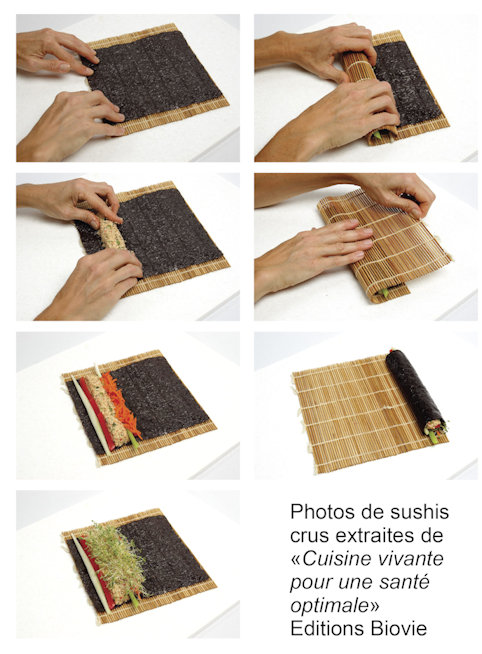
A vegan raw maki roll is a cylindrical preparation made by rolling ingredients inside a sheet of nori seaweed sealed with a bit of water. They resemble the nori rolls from Japanese restaurants where they are frequently offered.
Use of raw vegan makis:
• They make for an easy-to-prepare meal and allow for the consumption of a wide variety of vegetables, including sprouted seeds.
• It is a festive dish that is always very appreciated and visually appealing: cut the roll into 6 to 8 slices to give it the appearance of sushi.
• Allows you to make small appetizers: place a thin line of vegetable pâté inside, roll, slice, and dehydrate.
Basic Recipe
1 sheet of low-temperature dehydrated nori 1 cup of nut/seed vegetable pâté or 3 slices of avocado or 1 cup of marinated salad 1 cup of finely grated vegetables 1 shallot or 1 asparagus 2 sticks of red bell pepper / cucumber / carrot ½ cup of sprouted seeds Here are some suggestions for other possible ingredients: young shoots, carrot, radish, pickle, celery, in short, any vegetable in sticks. Serve the nori rolls with your favorite sauce, for example, a sesame/ginger dipping sauce (sesame oil, garlic, ginger)., lemon juice, Tamari or Shoyu.
Technique for Vegan Raw Makis
A small bamboo sushi mat is very practical, although not essential. Place the sushi mat on a flat surface. Align the edge of a nori sheet with the edge of the sushi mat closest to you. You will roll the sushi starting from this edge.
All the ingredients will be placed on the nori sheet in a horizontal line so that if you cut the roll at any point, you will get an identical slice section. Start with the wet ingredients (pâté, avocado, marinated salad) and position a line of this ingredient along the sheet.
Next, place the other ingredients you wish to include, always in a line along your sheet.
Get ready to roll! Use your fingers to moisten the edge of the sheet farthest from you with pure water. This will help seal the roll once you have finished rolling. The first turn of the roll is the most delicate part of the process. Lift the sushi mat with the nori sheet and the first rows of ingredients, and bring the whole set over the last rows of ingredients while keeping everything tight to complete the first turn.
At this point, release the mat, pull it forward while rolling the end of the nori sheet. When you lift the mat, make sure the sheet is tightly secured underneath so that you can finish the rolling.
Let the roll rest for at least 5 to 10 minutes before cutting it. This will soften the nori sheet a bit and make it easier and cleaner to cut.
Preferably cut with a ceramic knife and serve !
Iodine and thyroid precautions: what to know before eating seaweed every day
This is the question I get asked most often: Eric, can I eat seaweed every day without risk to my thyroid? The answer is yes, in reasonable proportions. But there are nuances worth knowing, especially for people with a thyroid condition. Here is the summary, based on the recommendations of ANSES (opinion 2017-SA-0086) and EFSA.
Safe daily dosage (in grams per day)
The WHO recommends 150 µg of iodine per day for a healthy adult. The upper safety limit (UL) set by EFSA is 600 µg/day. As a guide:
• Dried wakame: about 60 µg of iodine per gram. Consuming 2 to 3g per day remains safe and beneficial. • Dried nori (sushi sheets): about 30 µg of iodine per gram. One whole sheet (~3g) provides ~90 µg. • Dried dulse: about 70 µg of iodine per gram. 1 to 2g per day is enough. • Dried kombu: careful, this is the most iodine-rich seaweed - 1,500 to 2,500 µg per gram. Just a knife-tip's worth in a broth already exceeds the daily intake. Use it as an occasional flavour enhancer, not for daily consumption.
A simple rule to remember: start with 2 to 3g of dried seaweed per day, varying the species. No kombu on a daily basis. And adjust according to your thyroid profile.
Hyperthyroidism, hypothyroidism and Hashimoto's disease: adapting sensibly
For people with hyperthyroidism or Graves' disease, iodine intake should remain limited. Medical advice is essential before consuming seaweed regularly.
For Hashimoto's disease (autoimmune thyroiditis), the topic is more complex. Some studies suggest that excess iodine can worsen the autoimmune process; others show that moderate intake remains beneficial. The reasonable position: less than 50 µg of additional iodine per day, always with medical follow-up and regular TSH testing. Our article on hypothyroidism, diet and seaweed goes into the details.
For people with simple hypothyroidism on levothyroxine treatment: consuming seaweed can be beneficial, provided you respect a gap of at least 2 to 3 hours between taking the medication and eating seaweed (absorption interaction). Here too, medical follow-up is recommended. Wakame is the sea's superfood for your thyroid - it's the most balanced in terms of iodine.
Trustpilot review: "The seaweed tartare I hesitated to buy for so long is a pure marvel, so important for the thyroid." - Marinella, Biovie customer, 5 stars.
Pregnancy, breastfeeding, children: specific recommendations
During pregnancy and breastfeeding, iodine needs increase to 250 µg/day according to the WHO. Seaweed can contribute to this intake - which is even worth considering for mothers-to-be who want to avoid iodine supplements. But the upper limit (600 µg/day) must be strictly respected, so avoid kombu and favour wakame, nori and dulse in moderate amounts (1 to 2g per day).
For children under 3: no iodine-rich seaweed as a routine, except on medical advice. The immature thyroid system is more sensitive to variations in iodine. From age 3, introduce it gradually in small amounts (nori or wakame flakes on pasta, for example).
One last precaution: always favour organic, French seaweed (Brittany, Iroise Sea) to limit the risk of contamination by heavy metals (cadmium, arsenic, mercury). This is what we have always done at Biovie, since 2007. Our fresh seaweed from Brittany is harvested under the strict regulation of the CRPMEM.
Addendum regulation and sea harvesting
Current regulations
This question is rarely addressed, but it often comes up nonetheless. The harvesting of seaweed in France, particularly in Brittany where 90% of the French production is collected, is subject to regulations that ensure the sustainability of this resource. The country follows the European organic regulation 710/2009 and regulation (EU) 2018/848, which impose high standards for the organic certification of algae.
These very strict regulations focus on water quality and harvesting practices, clearly distinguishing between the harvesting and cultivation of algae. Water quality is essential, and organic harvesting is only permitted in areas with water in very good ecological condition (category A or B).
The National Institute of Origin and Quality (INAO) is responsible for the enforcement of these rules in France. Harvesting is subject to time restrictions (from sunrise to sunset) and specific conditions depending on the species of algae.
The issue of heavy metals
The potential presence of heavy metals in seaweed has been the subject of numerous studies conducted in Brittany, which have shown that the traditionally used harvesting environments, such as in Roscoff, as well as the quantities of heavy metals present in the seaweed, are too low to pose a danger.
The waters of Brittany, where our organic seaweeds are harvested, are considered very healthy. and do not present a significant risk of heavy metal pollution. French and European regulations strictly govern the harvesting and commercialization of seaweed to ensure product quality and the preservation of marine ecosystems. Monitoring water quality and adhering to good harvesting practices are essential for maintaining the sustainability of this resource. Roscoff, where the organic seaweed we market is harvested, is home to an Ifremer station, various marine thalassotherapy centers, and the region benefits from UNESCO classification.
If we put algae into perspective with other living beings from the marine environment, it is important to know that Algae grow through osmosis and therefore only reflect the potential pollution level of their environment without concentrating it, unlike shellfish which filter and fish.which bioaccumulate along the food chain.
The seashells
Certain shellfish are recognized as effective bioindicators for assessing the quality of the marine environment. Among them, oysters (notably the Pacific oyster Crassostrea gigas) and mussels (Mytilus edulis) are frequently used in environmental monitoring studies. These species accumulate heavy metals and other pollutants, thereby reflecting the contamination levels of their habitat. Their use helps researchers and monitoring organizations evaluate the impact of human activities on marine ecosystems.
The big fish
Many persistent organic pollutants (POPs), such as PCBs and DDT, as well as many heavy metals in organic forms, such as methylmercury, are liposoluble. This means that they can accumulate in the fatty tissues of fish. and persist in the environment, leading to bioaccumulation and biomagnification along the food chain. This fat-soluble property contributes to the persistence and toxicity of these substances for marine fish and the humans who consume them.
Schematically, a large fish must consume approximately ten kilograms of living matter to produce one kilogram of its own flesh. If this matter contains heavy metals, the concentration of these fat-soluble substances in the fish increases significantly at each level of the food chain. food chain. . Large marine predators at the top of the food chain, such as tuna and swordfish, can exhibit higher levels of heavy metals compared to smaller fish like mackerel or sardines.. An emblematic anecdote illustrating this point is revealed by Otto Brockway and Ludo Brockway, the directors of the documentary film "Eating Our Way to Extinction," where the world-renowned coach Anthony Robbins reveals that he was poisoned by mercury from eating large fish such as tuna and swordfish., to the point that he collapsed on stage and believed it was a deliberate and malicious poisoning to eliminate him. This passage is available for free access here:
It's up to you: seaweed in your kitchen !
We have seen that seaweeds and microalgae offer numerous health benefits and have a positive impact on the environment as they act as CO2 sinks. Their richness in essential nutrients, powerful antioxidants, and fatty acidsOmega-3 makes them valuable allies for maintaining a healthy lifestyle.
From a culinary perspective, seaweed brings a unique and exotic flavor to dishes and can be used in a variety of recipes: from salads to vegan sushi, soups, and a multitude of other dishes. Their high mineral content and low calorie count also make them an ideal food for those looking to manage their weight.
In cosmetics, the Benefits of seaweedThe contributions of marine organisms and microalgae are not negligible. Their moisturizing propertiesYes, regenerating and anti-aging properties make them key ingredients in many skin and hair care products. The marine algaeThey can help to hydrate and revitalize the skin, improve elasticity and firmness, and even reduce the appearance of wrinkles and age spots.
So, why not dive right into the world of algae and take advantage of all the benefits they have to offer ?
References in order of appearance of the paragraphs:
History:
[1] , T.D., et al. (2008). "Monte Verde: Seaweed, Food, Medicine, and the Peopling of South America." Science, 320(5877), 784-786. [2] Erlandson, J.M., et al. (2007). "The Kelp Highway Hypothesis: Marine Ecology, the Coastal Migration Theory, and the Peopling of the Americas." The Journal of Island and Coastal Archaeology, 2(2), 161-174.
CO2 capture / carbon sink function:
[3] Munoz, R., Guieysse, B., Algal CO2 capture for carbon capture and storage integration: an in-depth exploration of future scenarios. Energy Environ. Sci. 6, 2726–2738 (2013). [4] Davis, R., Aden, A., Pienkos, P.T., Techno-economic analysis of autotrophic microalgae for fuel production. Appl. Energy 88, 3524–3531 (2011). [5] Beer, T., Hebb, A., High-rate algal pond scrubbing of CO2 from flue gas for producing biodiesel. Environ. Sci. Technol. 42, 9495–9500 (2008).
Klamath:
[6] Benedetti, S., et al. (2012). "Effects of a Standardized Extract of Aphanizomenon flos-aquae on Cognitive Performance: A Pilot, Double-blind, Randomized, Placebo-controlled Study." Nutritional Neuroscience, 15(6), 278–286. DOI: 10.1179/1476830512Y.0000000026. [7] Scoglio, S., et al. (2018). "The Role of Aphanizomenon flos-aquae (AFA) Extract in Inducing Neuroprotective Effects and Modulating Systemic Inflammatory Responses: A Pilot Study." International Journal of Molecular Sciences, 19(8), 2195. DOI: 10.3390/ijms19082195. [8] Jensen, G.S., et al. (2001). "Consumption of Aphanizomenon flos-aquae Has Rapid Effects on the Circulation and Function of Immune Cells in Humans." Journal of Medicinal Food, 4(1), 27–34. DOI: 10.1089/10966200152053666.
Spirulina:
[9] Selmi, C., Leung, P.S., Fischer, L., German, B., Yang, C.Y., Kenny, T.P., Cysewski, G.R., & Gershwin, M.E. (2011). The effects of Spirulina on anemia and immune function in senior citizens. Cellular & Molecular Immunology, 8(3), 248-254. [10] Karkos, P.D., Leong, S.C., Karkos, C.D., Sivaji, N., & Assimakopoulos, D.A. (2011). Spirulina in Clinical Practice: Evidence-Based Human Applications. Evidence-Based Complementary and Alternative Medicine, 2011. [11] McCarty, M.F. (2007). Clinical potential of Spirulina as a source of phycocyanobilin. Journal of Medicinal Food, 10(4), 566-570. [12] Tejada, S., Manayi, A., Daglia, M., Nabavi, S.F., Sureda, A., Hajheydari, Z., Gortzi, O., Pazoki-Toroudi, H., & Nabavi, S.M. (2017). Wound Healing Effects of Curcumin: A Short Review. Current Pharmaceutical Biotechnology, 18(5), 349-357.
Chlorella:
[13] Sure, , S.S., et al. (2007). "The Chlorella Genome Reveals the Evolution of Photosynthesis and Aerobic Metabolism." Genome Research. [14] Nakano, S., et al. (2010). "Chlorella (Chlorella pyrenoidosa) Supplementation Decreases Dioxin and Increases Immunoglobulin A Concentrations in Breast Milk." Journal of Medicinal Food. [15] Panahi, Y., et al. (2012). "Lipid-modifying Effects of Adjunctive Therapy with Curcuminoids–Piperine Combination in Patients with Metabolic Syndrome: Results of a Randomized Controlled Trial." Complementary Therapies in Medicine. [16] Watanabe, F., Yabuta, Y., Bito, T., & Teng, F. (2014). "Vitamin B12-containing plant food sources for vegetarians." Nutrients, 6(5), 1861-1873. [17] Kumudha, A., Kumar, S.S., Thakur, M.S., Ravishankar, G.A., & Sarada, R. (2015). "Methylcobalamin--a form of vitamin B12 identified and characterized in Chlorella vulgaris." Food Chemistry, 170, 316-320.