Demystifying the Relationship Between Algae and the Thyroid
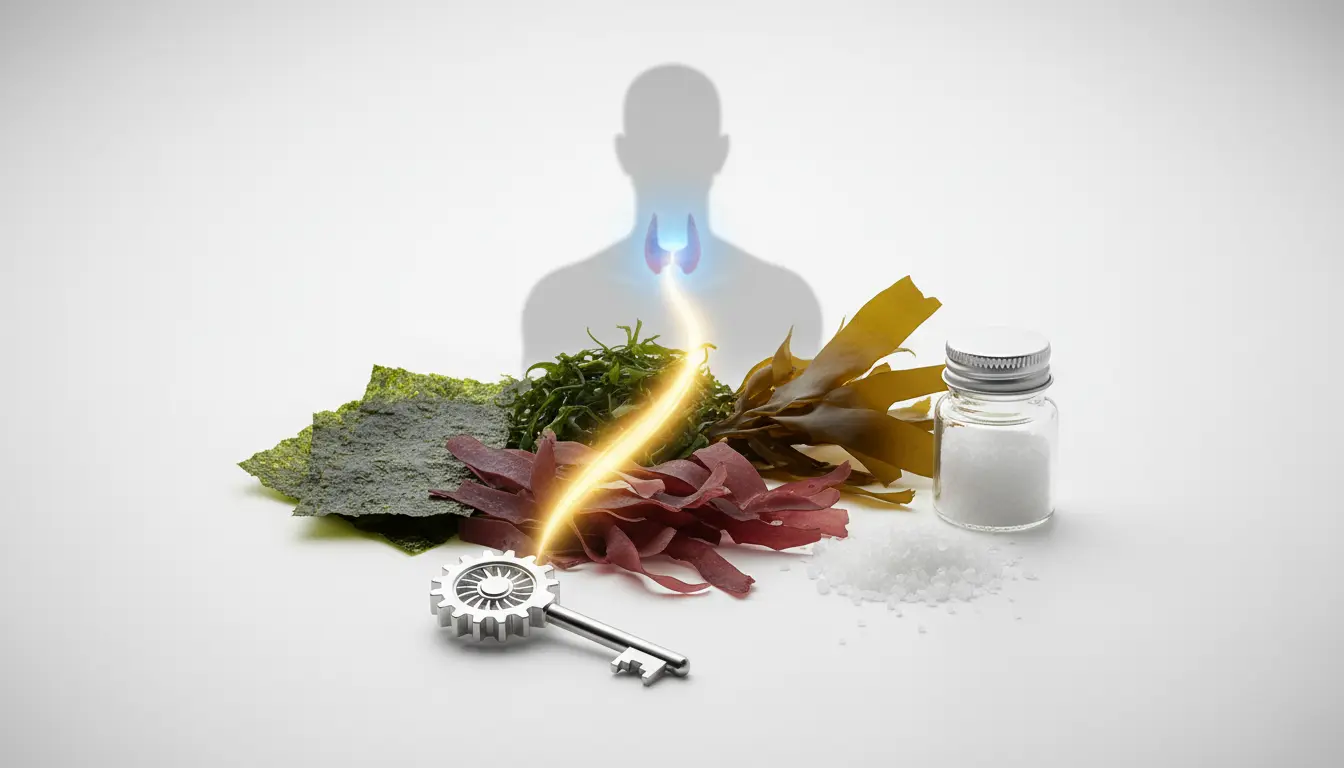
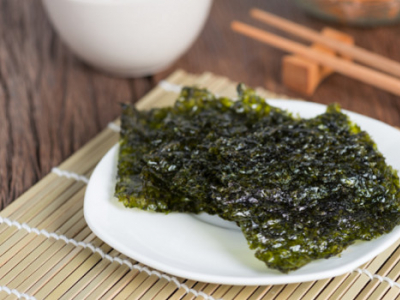
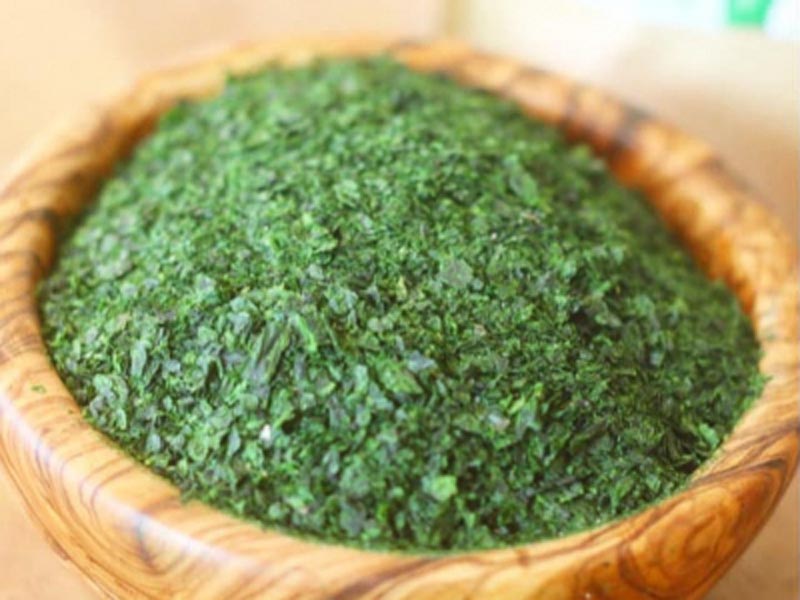
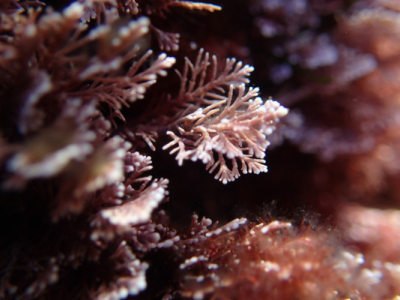
Seaweeds such as nori, kombu, wakame, and spirulina are packed with vitamins, minerals, proteins, and antioxidants. Additionally, they are a natural source of iodine, an essential element for the thyroid to produce thyroid hormones.
Iodine, the Pillar of the Thyroid
The thyroid, a key endocrine gland, regulates various bodily processes, including metabolism. Thyroid hormones depend on iodine, highlighting its vital role.
Concerns Related to Excess Iodine
The major concern around seaweeds and the thyroid lies in their high iodine content. There is a fear that excessive iodine consumption could disrupt the thyroid, leading to hypothyroidism (underactive thyroid) or hyperthyroidism (overactive thyroid).
For the vast majority, moderate consumption of seaweeds is safe for the thyroid. In fact, they can be beneficial by providing the necessary iodine, as long as you maintain a balanced diet.
Convincing Scientific Evidence
Diversify Your Diet
Several studies in the field of endocrinology and metabolism confirm that including a variety of foods in your diet promotes a healthy nutritional balance, thereby reducing the risk of thyroid disruption.
To prevent thyroid problems, it is recommended to avoid goitrogenic foods such as cabbages, millet, radishes, turnips, sweet potatoes, soybeans, peanuts, and millet. These foods can slow down the functioning of the thyroid gland and prevent the absorption of iodine, which is essential for the production of thyroid hormones. It is also advised to avoid soy in case of iodine deficiency. However, cooking deactivates the goitrogenic effects of these foods.
Iodine-Rich Foods to Favor
To promote thyroid health, it is recommended to favor iodine-rich foods such as seafood, fish, seaweeds, dairy products, eggs, and certain types of iodized table salt.
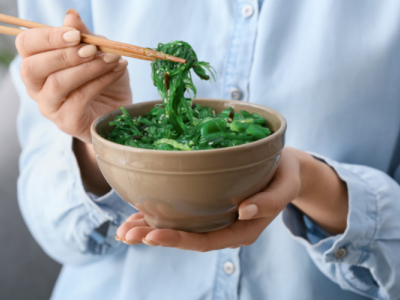
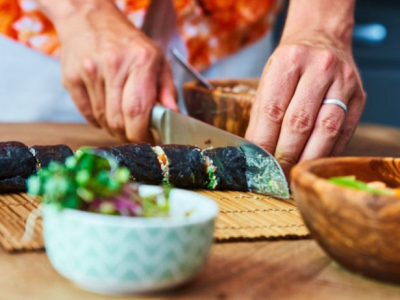
Ideas for iodine-rich meals include seaweed salad with seafood or fish, sushi or makis made with seaweed and fish, grilled or baked fish with vegetables, and plain yogurt with iodine-rich fruits. Cooking deactivates the goitrogenic effects of certain foods, so it is recommended to cook foods appropriately.
Iodine-Rich Vegan Meals
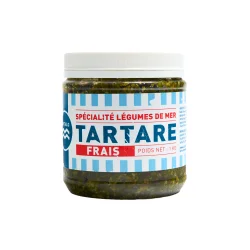
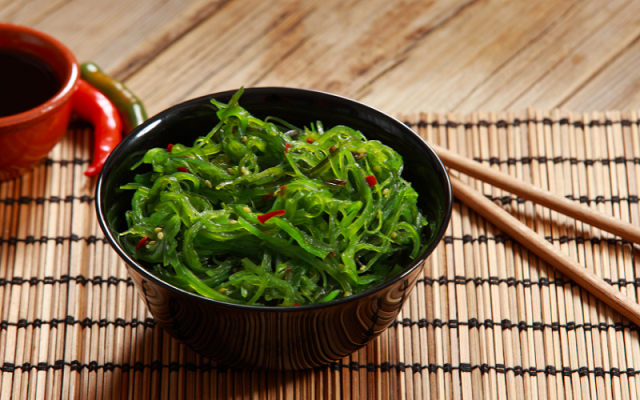
For vegan meals rich in iodine, seaweed is an excellent source. They can be incorporated into salads, vegan makis, or in tartare. In the absence of seaweed consumption, vegans may consider iodine supplementation to ensure they meet their nutritional needs.
Moderate Portions
A study from the "British Journal of Nutrition" (2003) showed that moderate iodine consumption from seaweed was not associated with thyroid problems. WHO recommendations suggest one portion of seaweed per week as a safe limit.
Consult a Health Professional
The guidelines from the American Thyroid Association emphasize the importance of consulting a health professional for individualized advice in case of thyroid concerns.
In summary, seaweed generally poses no risk to the thyroid, even for those with thyroid disorders. With moderate consumption and a balanced diet, seaweed can not only be safe but also actively support thyroid health. Enjoy the nutritional benefits of seaweed with confidence to keep your thyroid healthy.
Pr. Hacène FRIH
Bibliographic References
• Taga, I., Sameza, M.L., Kayo, A.V., & Ngogang, J. (2004). Evaluation of iodine content in food and soil in certain regions of Cameroon.
• Habimana, L. (2013). Impact of iodine deficiency on maternal and neonatal thyroid function in Lubumbashi: an epidemiological study.
• Cléro, É. (2012). Anthropometry, diet, and risk of differentiated thyroid cancer in the Pacific Islands.
• Marchand, M., Comparini, C., & Lesueur, M. (2016). Seaweed as health and dietary food - Which target consumers? IDEALG Phase 3.
• Schmid, S., Ranz, D., He, M., Burkard, S., Lukowicz, M.V., Reiter, R., Arnold, R., Deit, H.L., David, M., & Rambeck, W.A. (2003). Marine algae as a natural source of iodine in the feeding of freshwater fish: a new possibility to improve iodine supply for humans. Revue De Medecine Veterinaire, 154, 645-648.
Our practical benchmarks: iodine, seaweed and the thyroid day to day
The summary above sets out the scientific framework. Here, in addition, is what we tell people who write to us in practice: how much iodine to aim for, which seaweed to choose depending on your situation, at what doses, and which other nutrients matter as much as iodine itself.
How much iodine do you need?
How much iodine do you need per day?
Iodine needs vary according to your profile. The World Health Organization (WHO) and ANSES (the French food safety agency) have set precise recommendations (WHO, 2007):
Adults: 150 µg per day
Pregnant women: 200 to 250 µg per day
Breastfeeding women: 200 to 250 µg per day
Children aged 1 to 8: 90 µg per day
Teenagers: 120 to 150 µg per day
EFSA (the European food safety authority) has also set an upper safety limit of 600 µg per day for adults (EFSA, 2014). Beyond that, you enter a zone where excess iodine can paradoxically disrupt thyroid function. That is the whole paradox of this trace element: too little is a problem, and so is too much.
2024 alert: iodine deficiency is making a comeback in France
Here is a piece of information that genuinely struck me. The WHO raised the alarm in 2024: iodine deficiency, thought to be under control in developed countries, is making a comeback in Europe, including France (Zimmermann & Andersson, 2021). Cretinism has certainly been eradicated, but deficiencies are resurfacing.
A study from Erasme Hospital in Brussels, published in the European Journal of Nutrition, found that nearly 30% of women of childbearing age have an iodine deficiency across several European countries (Vandevijvere et al., 2012). The reasons are varied: falling consumption of seafood, ultra-processed food (which uses non-iodised salt), and poorly balanced vegetarian or vegan diets.
In France, the Esteban study led by Santé Publique France showed that average iodine intake remains insufficient in certain populations, notably pregnant women (Santé Publique France, 2019). This is a genuine public health issue, because a deficiency during pregnancy can affect the foetus's neurological development.
The best food sources of iodine
Seaweed: the champions of natural iodine
Frankly, when you compare the different sources of iodine, seaweed is in a category of its own. No other land-based food can rival its content of this trace element.
Here is an overview of average iodine content for the main seaweeds, according to ANSES's 2018 opinion:
Kombu: 1,500 to 8,000 µg per gram (dry) – for occasional consumption
Wakame: 350 to 1,500 µg per gram (dry) – ideal for regular consumption
Dulse: 80 to 150 µg per gram (dry) – moderate content
Nori: 30 to 50 µg per gram (dry) – perfect for starting out
Sea lettuce: 25 to 40 µg per gram (dry) – very approachable
To give you a concrete idea: 1 gram of organic wakame can cover 100% of your daily iodine needs. A single sheet of nori used for a maki provides about 30% of the recommended daily intake.
What makes seaweed particularly interesting is that the iodine it contains is naturally bioavailable. A study published in the European Thyroid Journal showed that iodine from seaweed is effectively absorbed and used by the body (Smyth, 2021). Beyond iodine, seaweed also provides complementary minerals (calcium, magnesium, iron), vitamins and bioactive compounds such as fucoidans.
This is a question I am often asked. The answer is: not always.
In theory, iodised salt could cover our needs. In practice, however, several factors limit its effectiveness (Leung & Braverman, 2014):
Only 50% of the salt sold in France is iodised – the other half is not
Processed foods use non-iodised salt – and they make up a growing share of our diet
Public health guidance encourages us to cut down on salt – which mechanically reduces iodine intake
Iodine partially evaporates during cooking – some is lost during preparation
An ANSES study confirmed that relying solely on iodised salt carries a risk of deficiency, particularly for pregnant women and vegetarians (ANSES, 2012). Diversifying your sources (fish, eggs, seaweed) is clearly safer.
Seaweed focus: a practical guide for the thyroid
Which seaweed should you choose for your situation?
The choice of seaweed depends on your personal situation and your iodine needs. Here are my recommendations, based on our 18 years of experience with these marine plants:
For daily consumption (moderate iodine content):
Organic nori: Perfect for beginners. One sheet a day for your makis or as flakes in your salads
Organic wakame: The all-purpose seaweed par excellence. 1 gram is enough to comfortably cover your needs
Organic dulse: Rich in both iodine AND protein, with a characteristic mild iodine taste
For occasional consumption (once a week or less):
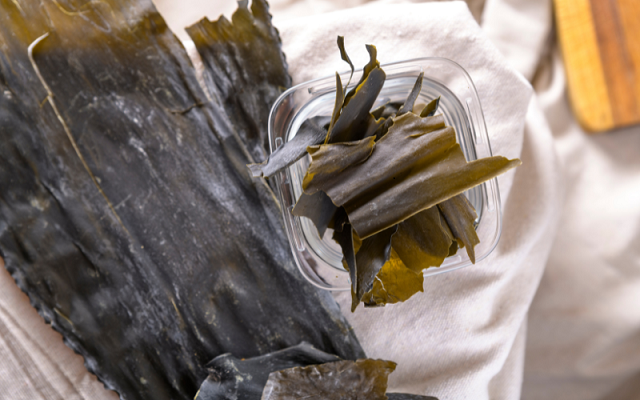
Organic kombu: Very rich in iodine, best used mainly to flavour broths
Biovie's nori sheets are perfect for beginners. They provide about 33% of the recommended daily intake per gram, which allows for regular consumption without risk of overdosing.
Safe dosages: how much seaweed per day?
ANSES recommends not exceeding 600 µg of iodine per day for adults (EFSA, 2014). In concrete terms, here is what that represents:
Nori: Up to 5g per day (about 5 sheets)
Sea lettuce: Up to 10g per day
Wakame: 1g per day (a small pinch)
Dulse: 2 to 3g per day
Kombu: 0.1 to 0.3g per day
For my part, I always advise starting gently, with small quantities, and observing how your body responds.
A Japanese study published in Thyroid also showed that the Japanese population, a heavy consumer of seaweed, has excellent overall thyroid function, provided intake stays within reasonable limits (Nagataki, 2008).
Precautions and contraindications
I want to be very clear on this point. Seaweed is an extraordinary food, but it is not suitable for everyone in every situation.
ANSES recommends prior medical consultation for (ANSES, 2018):
People with thyroid dysfunction (hypothyroidism or hyperthyroidism)
People on thyroid treatment (notably Levothyrox)
Pregnant or breastfeeding women (as a precaution)
People with a history of thyroid disease
Important: If you are being treated for hypothyroidism, space out seaweed intake by at least 3 hours from your medication. Iodine can interfere with the absorption of levothyroxine (Liwanpo & Hershman, 2009).
I will say it again: diet is never a substitute for medical treatment. It can support it, but in cases of diagnosed hypothyroidism, your doctor remains your first point of contact.
Beyond iodine: other essential nutrients
Selenium: iodine's indispensable partner
Iodine does not work alone. It needs a partner: selenium. This mineral contributes to converting the (inactive) T4 hormone into (active) T3, the one that actually acts on your metabolism (Schomburg, 2011).
A meta-analysis published in Thyroid showed that selenium supplementation can improve certain thyroid function markers, particularly in people with autoimmune thyroiditis (Wichman et al., 2016).
The best dietary sources of selenium are:
Brazil nuts: 1 to 2 nuts cover daily needs
Fish and seafood
Eggs
Whole grains
The recommended daily intake of selenium is 55 µg for an adult (Institute of Medicine, 2000).
Zinc, iron and vitamins for your thyroid
Other nutrients play a complementary role in thyroid health:
Zinc: It is involved in the synthesis of thyroid hormones and their action at cellular level (Severo et al., 2019). A zinc deficiency can worsen existing hypothyroidism. Biovie's organic chlorella is an excellent natural source of zinc.
Iron: Iron deficiency is common among women and can impair thyroid hormone production (Hess, 2010). One caveat, though: spirulina, often cited as a source of iron, does not provide significant iodine. It remains valuable for iron and B vitamins, but does not contribute to iodine intake.
B vitamins: Particularly B12, they support overall energy metabolism and are often deficient in people with hypothyroidism (Jabbar et al., 2008).
The importance of gut microbiota
This is an aspect that is often overlooked. Recent research published in Nutrients has highlighted a link between gut microbiota health and thyroid function (Knezevic et al., 2020).
Part of the conversion of T4 into T3 takes place in the gut, under the influence of certain bacteria. An imbalanced microbiota could therefore indirectly affect thyroid function.
In practical terms, this means a diet rich in fibre and fermented foods, and low in ultra-processed foods, can indirectly support your thyroid.
Foods to limit in case of hypothyroidism
Goitrogenic foods: list and precautions
Goitrogenic foods contain substances that can interfere with the thyroid's absorption of iodine. They take their name from the word "goitre", the characteristic swelling of the neck seen when the thyroid works overtime to compensate for a lack of iodine (Felker et al., 2016).
The main goitrogenic foods:
Cabbages (cauliflower, green cabbage, Brussels sprouts)
Broccoli
Turnip and radish
Cassava
Soy and soy products
Sweet potato
Millet
But be careful – and this matters – these foods should not be banned altogether. A study published in Human Toxicology showed that the goitrogenic effect is only significant in cases of excessive consumption AND a pre-existing iodine deficiency (McMillan et al., 1986).
My practical recommendations:
Limit these foods to 1 portion a week if you have hypothyroidism
Favour cooking methods, which partially deactivate goitrogenic compounds
Make sure your iodine intake is sufficient before worrying about goitrogens
Soy: a special case
Soy deserves a special mention. Its isoflavones can interfere with the synthesis of thyroid hormones and with the absorption of levothyroxine (Messina & Redmond, 2006).
A study in Endocrine Practice found that people on thyroid treatment who regularly consumed soy needed higher doses of medication (Bell & Ovalle, 2001).
In practical terms, if you are on treatment:
Space out soy intake by at least 4 hours from your medication
Limit your soy consumption to 2-3 times a week
Prefer fermented products (tempeh, miso) over non-fermented ones
Frequently asked questions
Which foods should you avoid with hypothyroidism?
Goitrogenic foods (cabbage, broccoli, radish, soy, sweet potato) can interfere with iodine absorption. Limit them to 1 portion a week and favour cooking, which deactivates their effects. That said, if your iodine intake is sufficient, the risk remains low.
Is seaweed good for the thyroid?
Yes, seaweed is the most concentrated natural source of iodine, a trace element that contributes to the normal production of thyroid hormones. But choose carefully: nori and sea lettuce (moderate content) are suited to regular consumption, while kombu (very rich) should stay occasional. Dosage is key.
How much seaweed can you eat per day?
For an adult with no thyroid issues, 1 to 3g of dried seaweed a day is safe. With wakame, 1g already covers 130% of daily needs. In case of diagnosed hypothyroidism, consult your doctor before making seaweed a regular part of your diet.
How can you naturally increase your iodine intake?
Favour sea fish (twice a week), seafood, eggs, iodised salt, and small amounts of seaweed. Soaking and cooking seaweed can reduce its iodine content by 30 to 70% if needed.
Is iodised salt enough for the thyroid?
Not always. Iodised salt accounts for only 50% of the salt used in France, and processed foods use non-iodised salt. Diversifying your sources (fish, seaweed, eggs) is safer than relying on salt alone.
Can diet improve hypothyroidism?
Diet does not replace medical treatment, but it can help support normal thyroid function. In cases of mild (subclinical) hypothyroidism, an intake optimised in iodine, selenium and zinc can sometimes help stabilise markers. Always consult your doctor.
What are the symptoms of iodine deficiency?
Chronic fatigue, feeling cold, weight gain, constipation, dry skin, brittle hair, difficulty concentrating. Eventually, a goitre (swelling of the neck) can appear. These symptoms are often mistaken for those of hypothyroidism itself.
Updated: September 2026. Article written and reviewed by Éric Viard, founder of Biovie since 2007 and ISTOM engineer, co-author of « Algues au quotidien » (Gallimard, 2024) - Best Cookbook in the World, Gourmand Cookbook Awards 2025, and Best Cookbook in France, Académie Nationale de Cuisine 2025. The initial synthesis on seaweed and the thyroid is by Prof. Hacène Frih.
Disclaimer: the information presented in this article is provided for informational purposes only and does not constitute medical advice. Consult a qualified health professional before any change to your diet or supplementation. As part of a varied and balanced diet and a healthy lifestyle.