




Ecological commitment
Plastic neutrality: Biovie’s citizen commitment.
Ever since we started out in 2007, we have worked to keep our environmental and carbon footprint as low as possible, and to treat the resources we use - renewable or not - with care.
 Plastic Neutrality commitment · since 2025
Our commitment
Using plastic only when
there is no alternative

The best material available
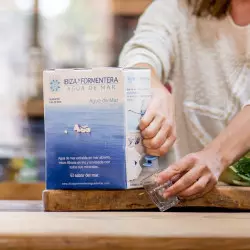
When plastic is unavoidable, we choose HDPE (high-density polyethylene) for the bag-in-box of our seawater: the safest option, with no endocrine disruptors and no micro- or nanoplastics - and also the most expensive.

Replaced wherever we can
As soon as a technical solution exists, we swap plastic for another material - like the now compostable packaging of our fresh coconuts.

0% plastic
With the French manufacturer Futuramat, we make our Easygreen Sol automatic sprouters in France, from a 100% bio-based material derived from fermented sugarcane fiber.

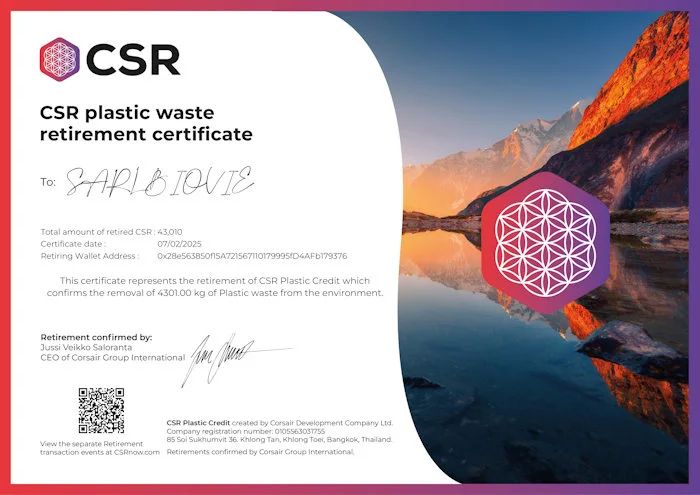
To go one step further, we are proud to announce our commitment to plastic neutrality. The aim is to fully offset the plastic we put on the market from 2025 onwards, by commissioning the company Corsair to remove an equivalent quantity of plastic waste from the environment and turn it back into virgin material through pyrolysis.
We do this by buying CSR (Corporate Social Responsibility) plastic credits, which are immediately retired from the market - an order we will renew every year from 2025 onwards.
The scale of plastic pollution
A figure that outweighs all of humanity
×50
How much global chemical production has grown since 1950.
400 million tonnes
Plastic produced worldwide every year - more than the combined weight of every human being on Earth.
5 g
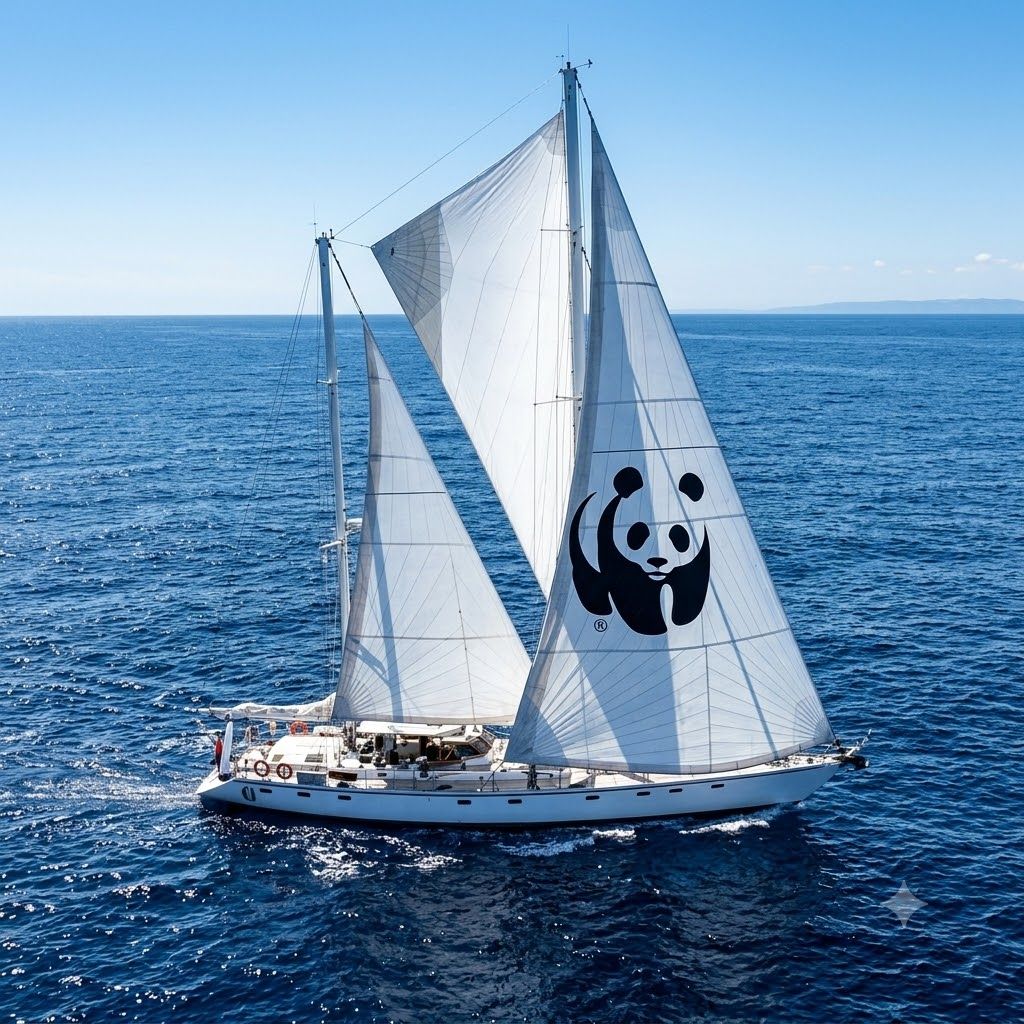
The amount of plastic each of us swallows every week - a credit card’s worth, according to the WWF.
10%
The share of plastic that is genuinely recycled mechanically, for lack of infrastructure.
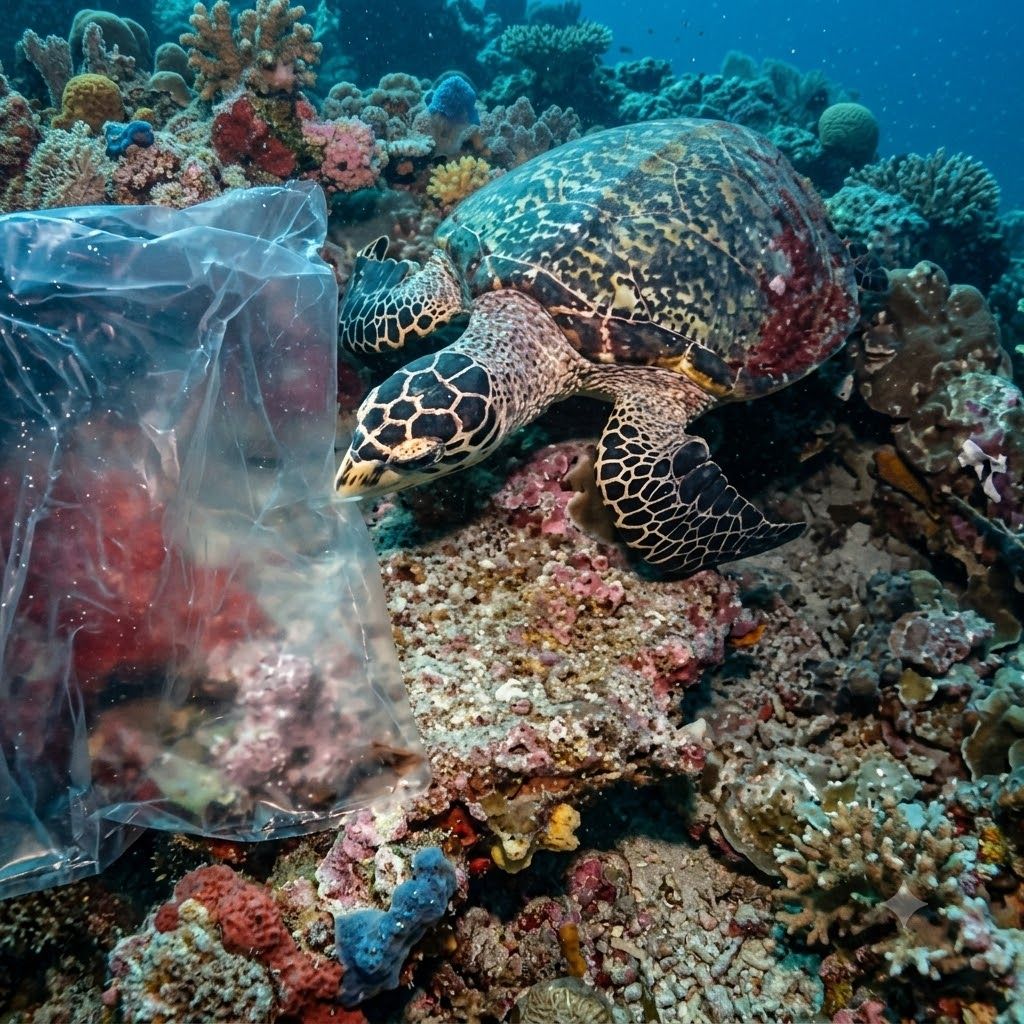
However carefully we all sort our waste, 90% of plastic is never recycled: it pollutes our land and our oceans, or ends up buried (as in Bangkok) or burned. That build-up is a serious threat to land and marine ecosystems, to biodiversity and to human health.
Governments are trying to regulate single-use plastic, but consumption still varies enormously from one country to the next, and many emerging countries have yet to regulate production at all: recycling is riddled with gaps.
So what happens to the 90% that is never recycled? It is either burned or buried. Landfill pollutes the soil and the water table: plastics take hundreds of years to break down and release harmful substances as they go. Burning them - counted as fuel when it powers cement plants, for example - releases chemical air pollution and toxic substances that carry very real health risks for the people living nearby.
Pyrolysis, a promising alternative
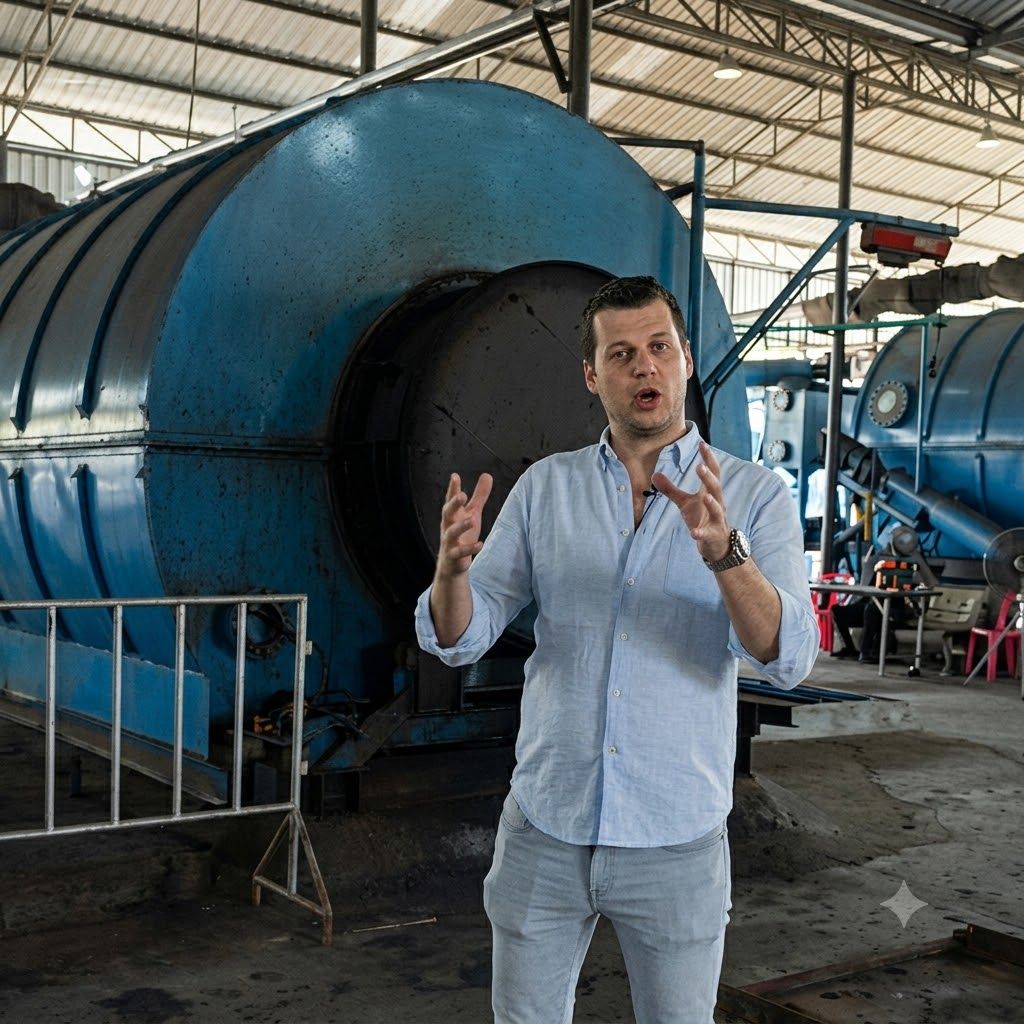
This thermal process breaks plastics down at high temperature, in the absence of oxygen, producing oils, gases and char, with no toxic substances. It takes us from a logic of extraction to a virtuous life cycle, just like glass, paper or metal.
The global plastic problem
Say stop to plastic pollution!
Our path towards plastic neutrality
A partnership with
Corsair & Amplivo
Plastic offsetting is currently mandatory only in the Philippines - a strategy backed by the UN and the World Bank - and voluntary everywhere else. In 2025 we bought a plastic neutrality pack: this partnership lets us display the “Plastic Neutrality” logo on our products, which will all gradually carry it.
Amplivo presentation
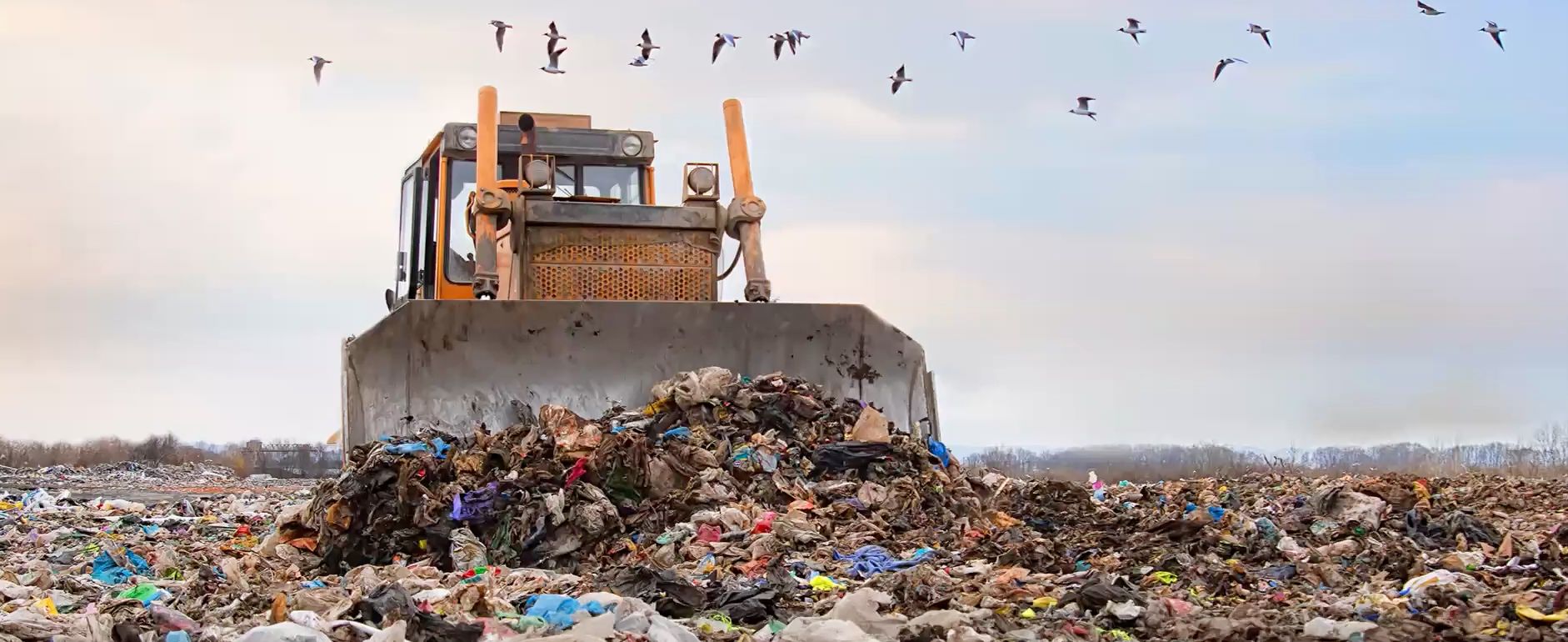
Corsair is the first industrial company in the world to commit to physically removing plastic waste from the environment and recycling it into virgin material. Through pyrolysis, Corsair turns that waste into certified oil, used to make new plastic objects.
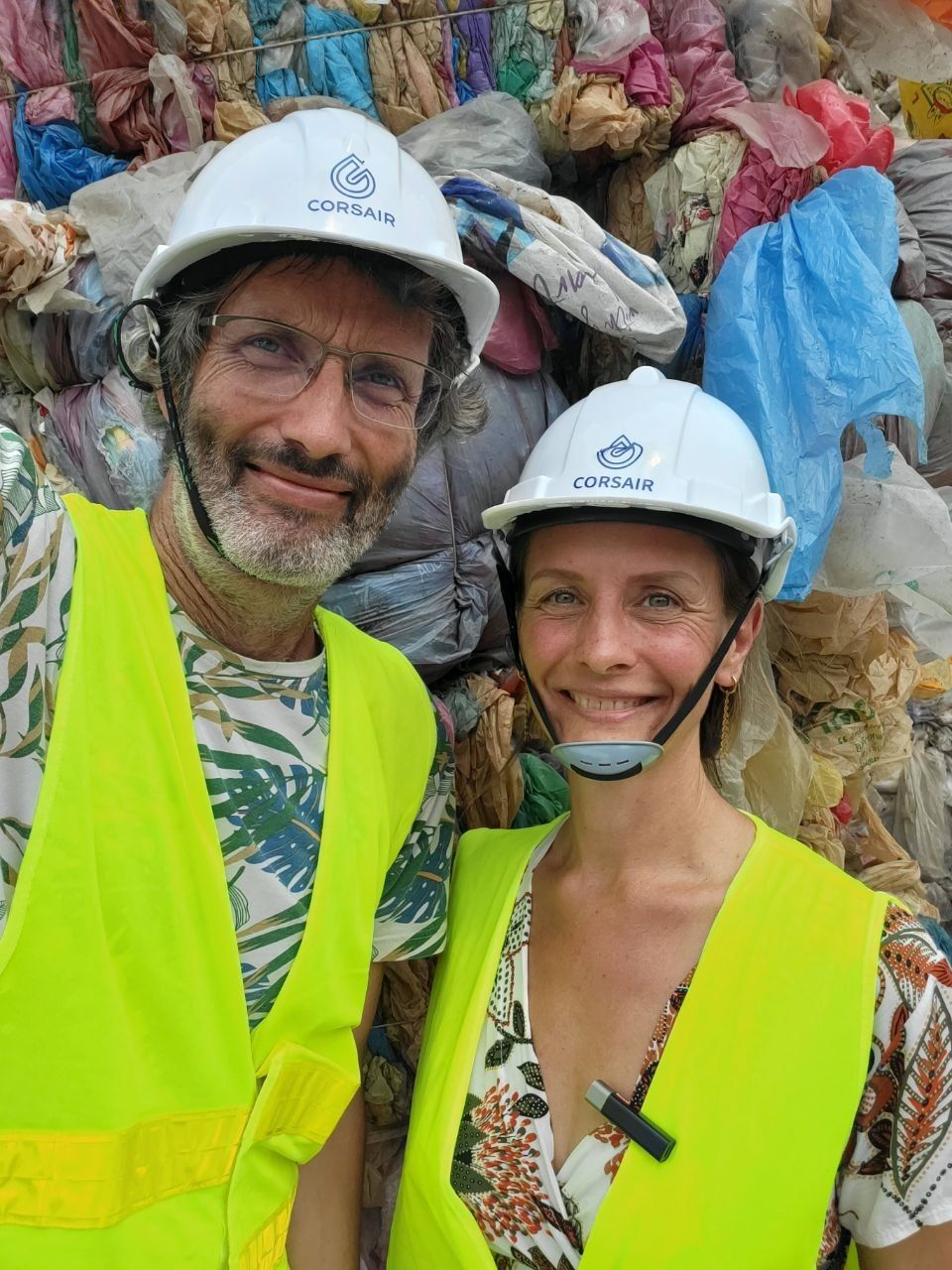
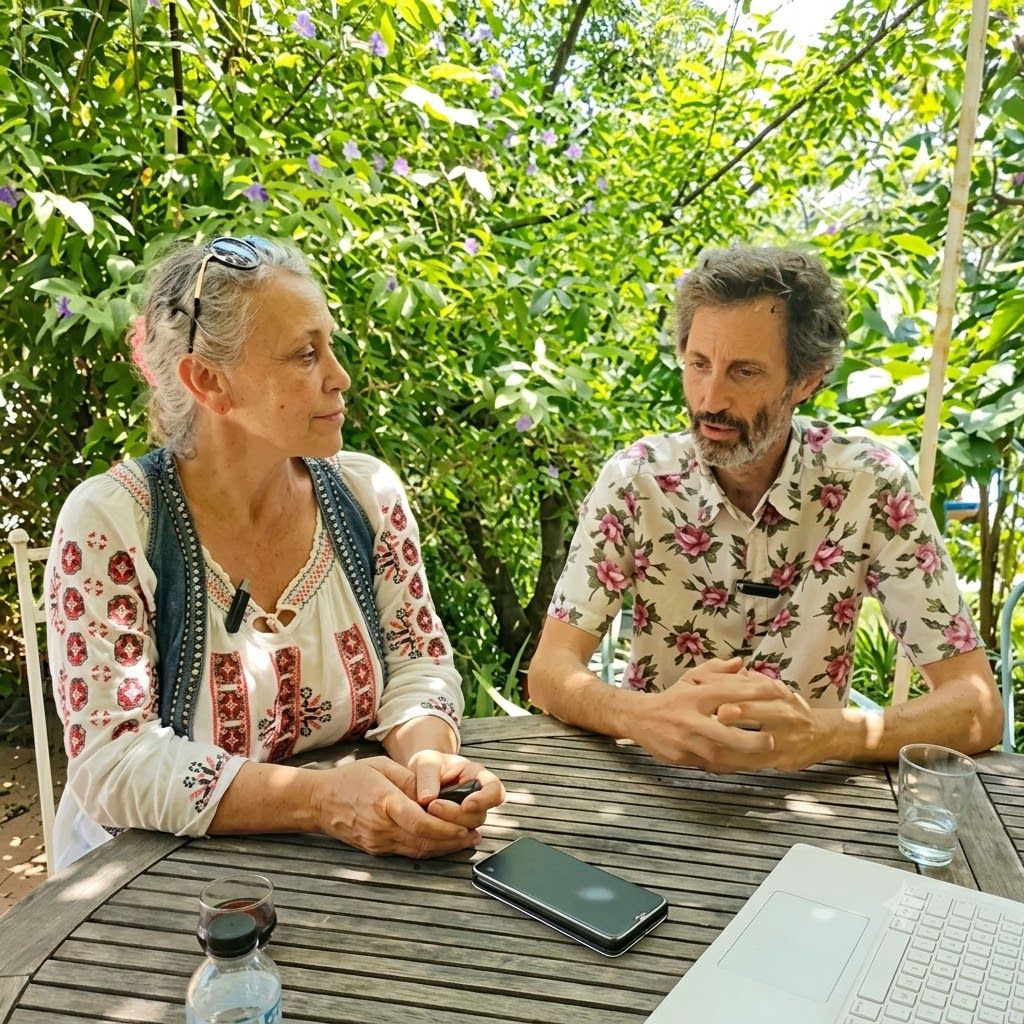
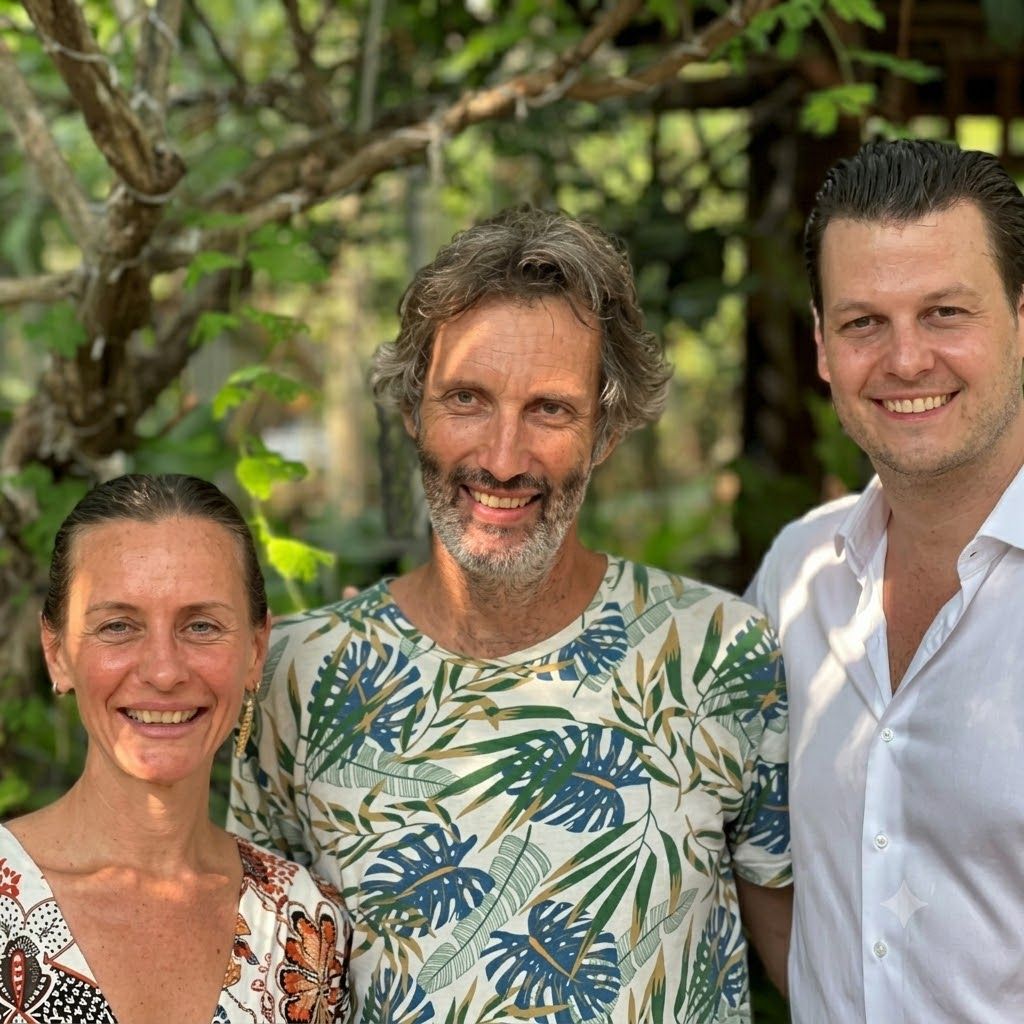
We interviewed Jussi Veikko Saloranta, CEO of Corsair, while visiting the world’s first pyrolysis plant, built on a vast landfill in Bangkok. Rather than turning to investors, he chose a community of private individuals to build up his reserve of plastic credits: more than 100,000 people have since joined Amplivo, his subsidiary.
Through Amplivo, anyone can buy a plastic neutrality pack and help remove real waste, right from home. In return you receive CSR credits (€1 = 10 CSR), traceable digital assets you can resell, much like carbon credits.

Less pollution
By actively removing plastic from the environment, we protect ecosystems and biodiversity.

Circular economy
Turning waste into new products cuts our reliance on virgin resources and lowers CO2 emissions.

Economic opportunities
CSR plastic credits offer a new kind of asset for individuals and businesses alike.

Join the movement
We invite our customers, partners and suppliers to make the same plastic neutrality commitment.