




LACTIC FERMENTATION
There are 12 products.
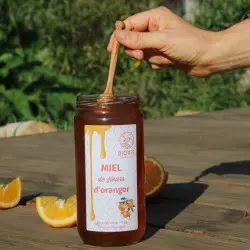
Orange blossom honey - 1 kg
€17.90


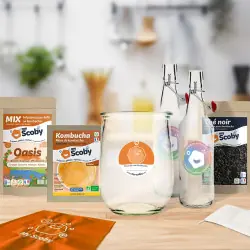
Organic Kombucha Mother
€15.90
New to
Biovie?
Discover living food
at your own pace.
Avocado honey - 1 kg
€17.90
Organic Hawthorn Pollen
€26.90
You have seen 12 of 12 products
Questions & answers
All about LACTIC FERMENTATION.
The questions we get asked most often, and our straight answers.
🦠 What are the different ferments that we offer? And who are our suppliers?
We offer types of ferments, all certified organic and unpasteurized, for the preparation of fermented drinks:
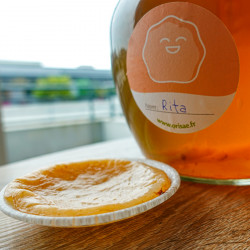
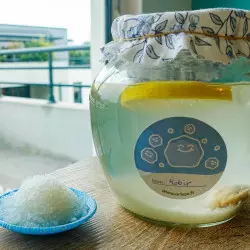
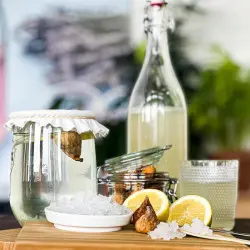
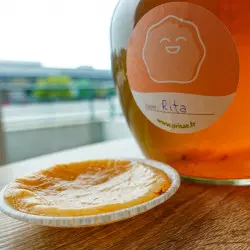
⚛️ Grains for fruit kefir and mothers for kombucha, which allow you to create naturally sparkling drinks rich in probiotics. We also offer complete starter kits for fruit kefir and kombucha. These products are made by Orisae, a small-scale company founded in 2020 by Axel and Cléo, a young couple passionate about fermentation.
>Find here a tour of their workshop located in Strasbourg:
⚛️ For more details, feel free to check our product sheets, as well as our blog articles on this topic:
> How to make 100% homemade fruit kefir?
> Preparation of coconut water kefir
> Can you drink kefir every day?
> Where to buy a kombucha mother?
> How to make and feed a kombucha mother?
> What are the differences between kombucha and kefir?
> Homemade fermentation: where to start?
> Homemade fermentation: where to start as a beginner?
> Kefir or kombucha: complete guide to choosing the ideal fermented drink
> Homemade kombucha: the complete guide to succeeding in your first fermentation
🦠 What are the different lacto-fermented products that we offer? And where do they come from?
Here you will find various fermented foods to enjoy:
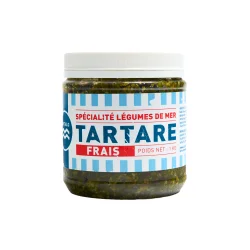
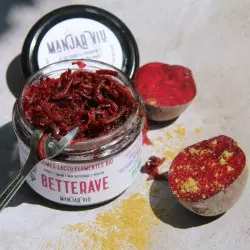
⚛️ Lacto-fermented vegetables, certified organic and unpasteurized, such as a delicious kimchi as well as a recipe based on fermented beets and cabbage. All these preparations are rich in prebiotics and probiotics, thus promoting good digestion.
> These products have been artisanally made by our supplier Manjar Viu. Mathieu, at the helm of this young French company, tells us more about his passion for lacto-fermentation in this report:
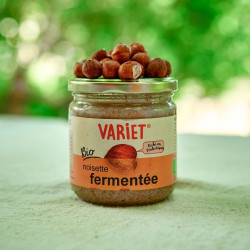
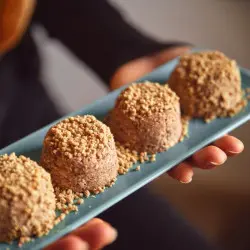
⚛️ Fermented nut spreads, certified organic and unpasteurized, based on walnuts or hazelnuts.
> These preparations are made by the brand VARIET, of Spanish origin, with whom we work. We invite you to try these unique and very innovative spreads because they combine the nutritional virtues of nuts and the benefits on the microbiome from the fermentation process!
⚛️ Fermented and unpasteurized birch sap (natural version or with blackcurrant bud extracts), with draining and remineralizing properties, ideal for revitalizing the body throughout the year thanks to the fermentation process!
> The sap is harvested at an altitude of 900 m in wild Pyrenean forests by our supplier La Sève Cathare, who works with respect and care for the trees to offer a high-quality product.
⚛️ jars of honey directly from Andalusia, avocado or orange blossom. And yes, this is often unknown, but honey, although it does not ferment in the traditional sense, goes through a maturation process where natural enzymes play a crucial role! On the other hand, although honey is not a probiotic in itself, it promotes a healthy environment for good bacteria in our digestive system. Thanks to its low water content and natural acidity, honey acts as a protective agent against unwanted pathogens.
> Our honeys have undergone no processing and have therefore retained their remarkable antibacterial and antioxidant properties.
🦠 What are the origins of lacto-fermentation? What does it consist of?
⚛️ The most popular fermentations of yesterday and today did not appear thanks to scholarly minds who planned them, but rather through culinary mistakes! Kombucha, cheese, as well as sourdough bread, beer, and wine are essentially simple and happy accidents that humans quickly sought to reproduce. It is highly likely that the first beer bubbles appeared in a bowl of barley forgotten in the rain by an Egyptian, that the sour taste of sauerkraut was first appreciated by one of the thousands of Chinese who built the Great Wall of China when they had only cabbage to eat; that somewhere in Asia, a woman noticed that her cup of sweet tea, forgotten a few days earlier on her windowsill, now contained a fizzy and vinegary liquid we call kombucha today…
> The magic of fermentation actually operated on its own in various civilizations, providing new ways to preserve food, make it more digestible, and multiply its benefits.
> Unfortunately, in most developed countries, the culture of fermentation has gradually been lost over the years, mainly due to the advent of pasteurization. Indeed, the era of cleanliness and antibacterial soap was born! This reality has its benefits, of course, but today we have an exaggerated phobia of bacteria and a need for "over-sterilization" to supposedly preserve health. The word "bacteria" itself is frightening. It is associated with dirt, diseases, epidemics, and invaders… The food industry has given them a more appealing name, the famous "probiotics" (from the Greek meaning "in favor of life").
⚛️ Fermentation is actually based on the basic principles of life on earth: every form of life seeks a hospitable environment to live in, feeds to grow, defends itself to repel invaders, and expels waste to maintain its balance. Food fermentations are nothing more than the result of the survival cycle of a number of microorganisms that wander in search of food.
> In many of these fermentations, sugar is the main food consumed by the microorganisms, and acetic acid, alcohol, and carbon dioxide are the main by-products. These expelled substances are harmless to the colonizing microorganisms but make the environment inhospitable to bacteria or yeasts that could compete with them.
> Lacto-fermentation (or lactic fermentation) is a fermentation that occurs in the absence of oxygen and involves lactic acid bacteria known as "friendly" (bifidus, lactobacillus). These bacteria are found in foods, the human body, and soils, particularly those cultivated according to the principles of organic or biodynamic agriculture, as they have a much more active biological life than treated and compacted soils. Consequently, organic vegetables are more "lacto-fermentable" than foods containing bactericidal pesticide residues.
⚛️ Fermentation is thus an effective means of preservation and a culinary art that offers a wide range of surprising textures and flavors. It is also an ancestral method of food preservation, requiring different stages and regular monitoring to ensure the final product is of the highest quality.
> All fermentations have in common the strengthening of the immune system, the support of intestinal flora, and they provide valuable aid to digestion.
⚛️ To learn more, also check out our various product sheets and blog articles:
> Lacto-fermentation, a true health asset!
> Lactic ferments: for making homemade yogurt, but not only!
🦠 What are the benefits of lacto-fermented drinks and foods?
Lacto-fermentation is therefore a process of nutrient multiplication through a living microcosmic activity: bacteria, enzymes, and yeasts transform, for us, simple sugars into organic acids, proteins into amino acids, while increasing vitamins and digestibility.
⚛️ Lacto-fermented foods have several health benefits:
> they are rich in active ingredients and micronutrients (high content especially in vitamins C, B12, and B3). For example, cabbage turned into sauerkraut sees its vitamin C content soar up to 300%!
> they facilitate nutrient assimilation. Without the help of bacteria, many proteins, complex sugars, and vitamins would reach the end of the digestive tract in an "undigested" state, meaning these molecules would not have been sufficiently broken down during the digestion process and would be too complex to cross the intestinal membrane and be absorbed by the body.
> they are rich in enzymes, very digestible, and promote the development of healthy bacteria in the intestines.
> they contain acids that ensure detoxification and detoxification functions and play a role in antibiotic and preventive measures against degenerative diseases.
⚛️ To learn more, check out our blog articles on this topic:
> What are the 5 benefits of kombucha?
> Can you drink kefir every day?
> Homemade Kombucha: The Complete Guide to Succeeding in Your First Fermentation
> Kefir or Kombucha: Complete Guide to Choosing the Ideal Fermented Drink
> Homemade Fermentation: Where to Start?
> Homemade Fermentation: Where to Start When You're a Beginner?