



Algae have long been used in cosmetics, and they can also be made into very simple homemade masks. In this article, I present the most commonly used species and two recipes to make at home. The global market for microalgae in cosmetics is expected to exceed 1.3 billion dollars by 2030 (PMC12355925, 2025).
Algae used in cosmetics
Seaweed (macroalgae)
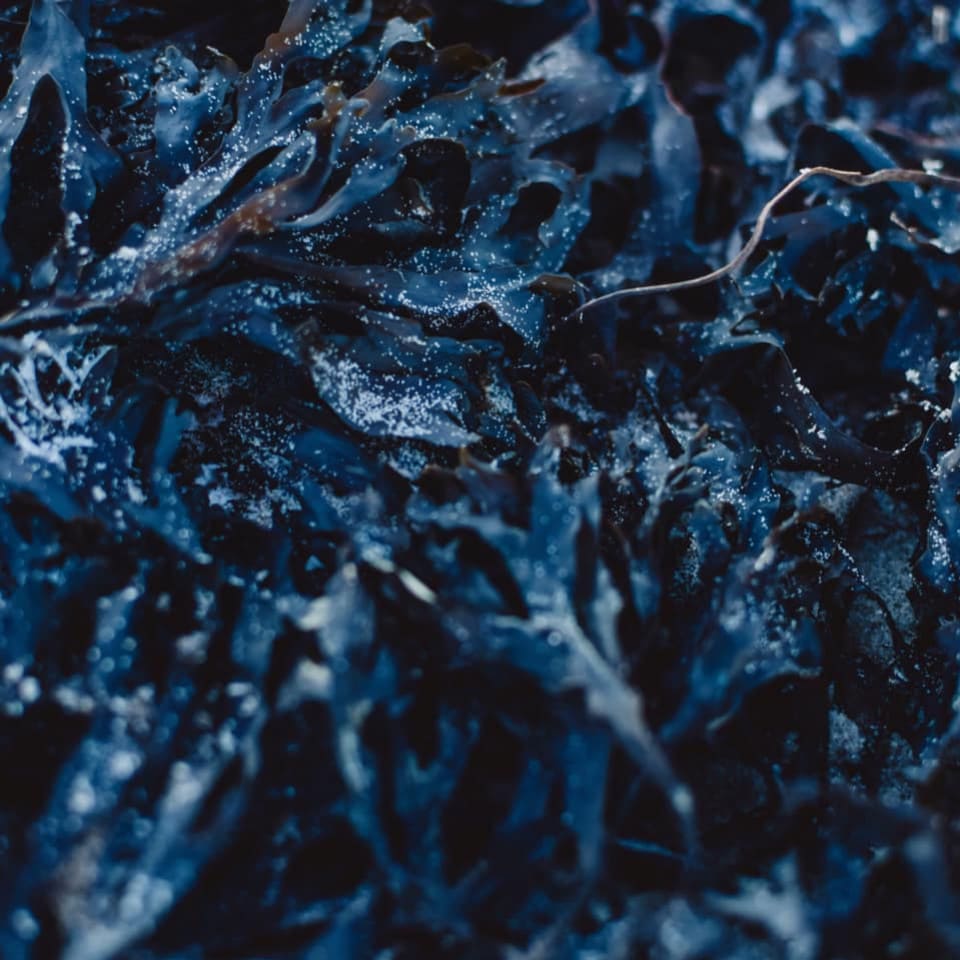
Brown algae such as wakame and kombu, red algae such as dulse and nori, and green algae are the main families used in cosmetics.
Microalgae: spirulina and chlorella
The spirulina (Arthrospira platensis) is a cyanobacterium (blue-green algae) that naturally contains phycocyanin, a blue-green pigment.
The Chlorella is a freshwater green microalga, deep green in color, which contains chlorophyll: it lends itself well to homemade masks. All the details in our Complete guide on chlorella.
The bio-spirulina and bio-chlorella from Biovie are dried at low temperatures (<42°C) to preserve all the nutrients, a key qualitative difference compared to industrial products.
⭐⭐⭐⭐⭐ "I ordered several kilos of fresh seaweed. The product is super fresh and of very good quality. I am so impressed that I will probably not buy these products anywhere else!", Elvira Lloyd
Make a homemade seaweed mask: 2 simple recipes
This is where the decisive advantage lies compared to traditional algae cosmetics: with high-quality organic spirulina or organic chlorella powder, you can prepare a fresh face mask in just a few minutes, without preservatives, without fillers, for a fraction of the price of a cosmetic brand. Honestly, I don't understand why everyone doesn't do it.
Recipe 1: Spirulina-Clay Mask (for all skin types)
- 1 teaspoon of bio-spirulina powder
- 2 teaspoons of green clay (Argiletz or similar)
- A little water or rose water to dilute
Preparation: Mix all the ingredients until you get a smooth paste. Apply to a clean face (avoid the eye area), leave on for 10–15 minutes, rinse with lukewarm water.
Texture: an intense green mask that leaves the skin soft after rinsing. Do not be alarmed by the intense green color at first glance in the mirror.
➡️ Eric's advice: "Start with a small amount, a teaspoon is more than enough. The effect on the skin is noticeable after a few applications, not from the first one."
Recipe 2: Hydrating Chlorella Mask (for dry and sensitive skin)
- 1 teaspoon of powdered bio-chlorella
- 1 teaspoon of virgin coconut oil (slightly warmed, liquid)
- A few drops of rose water
Preparation: Mix chlorella and coconut oil into a homogeneous paste, add rose water and mix well. Apply to a cleansed face, leave on for 15 minutes, then rinse gently.
Texture: a creamy mask, pleasant after a day in the sun. To be completed with our after-sun spirulina-coconut mask.
Important precaution: Perform a skin test on the wrist before the first application. Avoid any contact with the eyes. People with thyroid disorders should consult a doctor before consuming iodine-rich seaweed (more information: Seaweed and Thyroid: What You Need to KnowIndividuals on anticoagulant treatment should also consult their doctor before consuming microalgae (vitamin K content).
➡️
Frequently Asked Questions About Algae and Skin
Are algae good for the skin ?
Algae are used in cosmetics, notably in homemade masks. Always perform a patch test before the first application.
Which algae are used in cosmetics ?
Brown algae (wakame, kombu), red algae (dulse, nori) and microalgae such as spirulina and chlorella are the most used in cosmetics. The choice depends on your skin type and your preferences.
How often should you use a seaweed mask ?
Applying 2 to 3 times a week is a common guideline. For sensitive skin, start with once a week and observe your skin's reaction. Always perform a patch test before the first application.
Are algae found in anti-aging cosmetics ?
Algae are very present in so-called anti-aging cosmetics; at home, a seaweed mask remains above all a moment of self-care.
How to use algae on the skin ?
As a homemade mask: apply the mixture to clean skin, avoiding the eye area, leave on for 10 to 15 minutes, then rinse with lukewarm water. Always perform a patch test before the first application.
Is it better to apply seaweed on the skin or to consume it ?
As a mask, algae are simply applied to clean skin; for spirulina or chlorella consumption, follow the dose indicated on the packaging.
Are algae suitable for sensitive skin ?
Yes, most algae are well tolerated by sensitive skin . Spirulina and chlorella are particularly gentle. However, always perform a patch test before applying a new mask to the entire face. For very sensitive skin, start with a short application time (5 minutes) and gradually increase it.
Update: November 2026. Article approved by Éric Viard, founder of Biovie and engineer ISTOM, co-author of " Seaweed in everyday life "(Gallimard, 2024) -" Best cookbook in the world, Gourmand Cookbook Awards 2025, and Best cookbook in France, National Academy of Cuisine 2025.
⭐⭐⭐⭐⭐ "We bought fresh seaweed, which we appreciate for its quality.". [...] "People to highly recommend for their human values.", Catherine Servet
Warning: The information presented in this article is provided for informational purposes and does not constitute medical advice. Consult a qualified healthcare professional before making any changes to your diet or supplementation. As part of a varied and balanced diet and a healthy lifestyle.