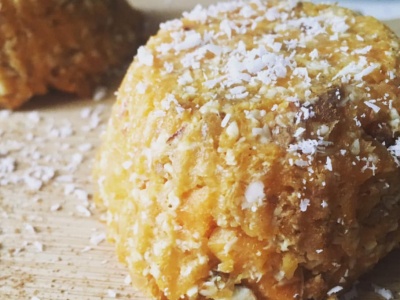



Here's the classic crunchy snack reinvented with no butter, no refined sugar and no glucose syrup: just raw ingredients, a smooth cashew butter and a handful of goji berries for an antioxidant touch. A simple way to enjoy that satisfying crunch again.
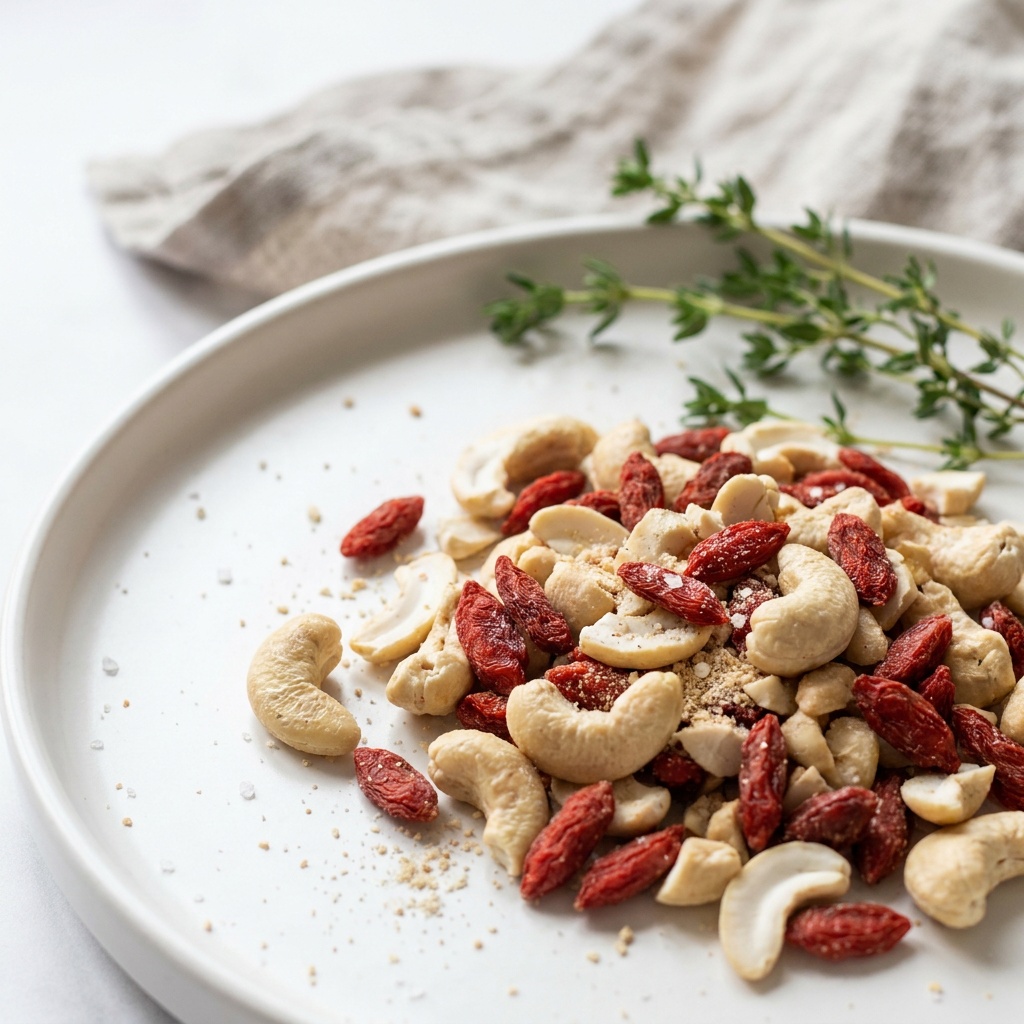
Raw Nut and Seed Brittle with Coconut and Goji Berries
Share this article
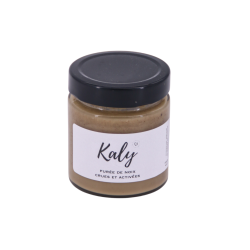
Activated whole nut puree
€15.90 AVAILABLE IN NOVEMBER
Ingredients
- 90 g raw cashew butter
- 45 g whole raw cashews
- 45 g coconut flakes
- 90 g coconut oil
- 25 g pure honey
- 2 teaspoons lemon juice
- 1/4 teaspoon unrefined sea salt
- A handful of goji berries
- Optional: 1/2 teaspoon organic soy or sunflower lecithin, to emulsify
Method
- Soften the cashew butter by placing the jar in a bowl of hot water, and melt the coconut oil.
- Blend the cashew butter, coconut oil, honey, lemon juice and sea salt until smooth and creamy. If using the lecithin, add it at this stage to keep the mixture from separating.
- Pour the mixture into a bowl and gently fold in the coconut flakes and whole cashews.
- Spread onto a baking tray lined with parchment paper, scatter over the goji berries, then place in the freezer until firmly set.
- Break into uneven pieces to serve.
Tip
Coconut oil melts quickly at room temperature: keep this brittle in the fridge or freezer and take it out just before serving.
The full range Oilseeds, nuts, seeds
20 products
Discover the full range

FAQ: your questions about raw nut butters
How do you use whole almond butter?
In sweet recipes, it acts as a binder in raw bars, energy balls and no-bake tart crusts, and stands in for butter in cookie dough. In savoury cooking, it thickens a sauce, a dressing or a cold soup, and turns into a plant-based cream with a little water. It's also lovely spread as is. In this recipe, it's what gives the mixture its creamy set once the coconut oil firms it up.
What can you use almond butter for?
Pretty much anywhere you'd use butter or cream. A spoonful in a smoothie thickens it, another in a cold courgette soup adds richness and a rounder mouthfeel. It binds a satay sauce, softens a lemon dressing, and can replace part of the fat in a cake. And on a slice of bread with mashed fruit, it's enough on its own.
What are the benefits of whole almond butter?
"Whole" means the almonds are ground with their skins on, whereas the white butter is made from blanched almonds. That skin concentrates a good share of the fruit's fibre and polyphenols, which makes the whole version higher in fibre, darker and more strongly flavoured. The rest is the same: unsaturated fatty acids, magnesium, vitamin E and plant protein. An activated butter, like the ones in our range, starts from nuts that have been soaked beforehand.
What are the downsides of almond butter?
It's a dense food: around 600 kcal per 100 g, mostly fat, so the spoonfuls add up fast. People with tree nut allergies should obviously avoid it. It costs more than standard fats, and an opened jar can turn rancid if left too long at room temperature: better to keep it cool and stir before use, since the oil naturally rises to the surface.
Share this article