Raw Butternut-Coconut Chai Spice Muffins: The Raw Recipe
These raw butternut muffins are prepared in 15 minutes, without an oven and without refined sugar - just a blender, fresh ingredients, and 2 hours of resting in the fridge. With only 80 to 100 kcal per muffin (compared to 250 to 350 for a classic muffin), it's probably the most nutritious snack you'll make this fall. Aurélie and I developed this recipe on a rainy Sunday in November, with half a butternut squash lying on the countertop. And honestly, the result surprised even us.
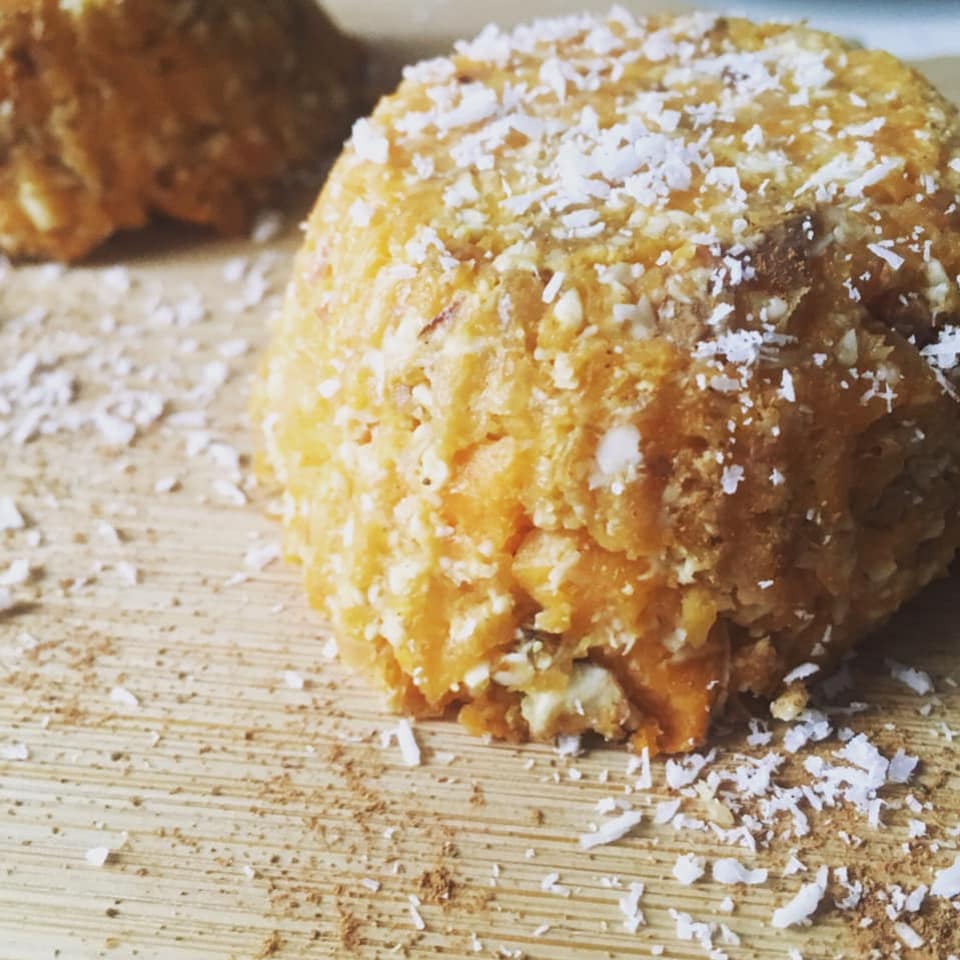
The raw butternut has this nutty sweetness that cooking often masks. Combined with fresh organic coconut, Medjool dates, and chai spices, it creates a soft, fragrant muffin that fits perfectly in your hand. No flour, no eggs, no butter. Raw pastry as we love it at Biovie - simple, fresh, delicious.
Why Raw Butternut Muffins?
Raw cuisine - raw food, call it what you will - is based on a fairly logical principle when you think about it: not destroying with heat what nature has taken months to build. By keeping the butternut raw, we preserve its enzymes, heat-sensitive vitamins, and intact nutritional structure. That's the whole point.
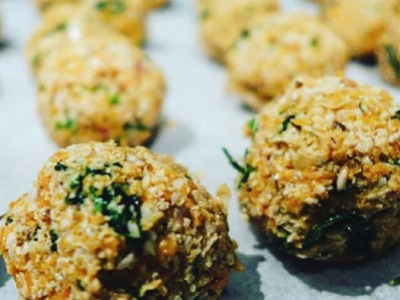
What makes this recipe truly unique is that no classic muffin offers this. Search for "butternut muffins" on any blog: flour, sugar, an oven at 180°C. Here, none of that. We are in fresh cuisine, 100%. And the texture will surprise you - dense, soft, almost like a spiced fudge.
Ingredients
For about 8 to 10 small muffins, you will need:
60 g of raw butternut squash (peeled, cut into small cubes)
Preparation time: 15 minutes | Rest time: at least 2 hours in the fridge | Yield: 8 to 10 muffins
Soak the cashew nuts at least 2 hours in advance in water. This softens them and makes them more digestible - we care about the enzymatic capital. Drain before use.
Peel and cut the butternut squash into small cubes. No need to cook it, that's the point. Raw, it has this sweet, slightly nutty flavor, perfect for baking.
Place all the ingredients in a powerful blender and blend until you get a smooth and thick paste. If it's too dry, add a small spoonful of water or coconut water. No more - we want it dense, not liquid.
Divide the paste into small silicone molds or muffin molds lined with parchment paper. Press down well with the back of a spoon.
Place in the refrigerator for at least 2 hours. In a hurry? The freezer works too, allow 30 to 45 minutes.
Unmold and enjoy. Store the rest in an airtight container in the fridge.
Eric's Tip: A powerful blender makes all the difference here. The MixMeUp from Biovie is the one we've been using at home for years - it crushes raw butternut squash and nuts in one go, without effort. Practically, it's what makes the difference between a grainy texture and a perfectly smooth muffin.
What does raw butternut squash contain?
100 g of raw butternut squash is barely 45 kcal. But behind this modest figure lies a remarkable nutritional profile: about 12 g of carbohydrates, 2 g of fiber, and especially an impressive amount of beta-carotene, the precursor of vitamin A. To give an idea, 100 g of raw butternut squash covers more than 3 times the recommended daily intake of vitamin A (source: USDA FoodData Central). And vitamin A contributes to the maintenance of normal skin, normal vision, and the normal functioning of the immune system, as part of a varied and balanced diet (EFSA authorized claim).
The Medjool dates replace refined sugar here. They provide fiber, potassium, and magnesium - but they are naturally very sweet fruits, keep that in mind. Six dates for 8-10 muffins is reasonable.
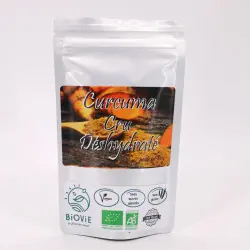
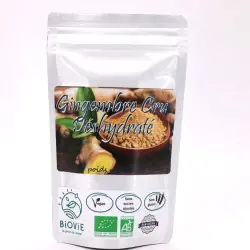
And then there are the chai spices. Ginger has antioxidant properties documented by research (Mashhadi et al., Int J Prev Med, 2013). Ceylon cinnamon is the subject of studies on its potential contribution to normal glucose metabolism (Allen et al., Ann Fam Med, 2013). Turmeric, with its curcumin, is one of the most studied spices for its antioxidant properties. So, these spices are not just there for taste - they also bring something nutritionally.
Variation Ideas and Storage
This recipe lends itself to many variations:
Chocolate version: Add 1 tablespoon of raw cocoa powder. The butternut-cocoa combination is a real discovery.
Superfoods version: Incorporate goji berries, hemp seeds, or chia seeds into the batter before molding.
For children: Remove the turmeric (the taste is too strong for little ones) and add an extra date.
Oatmeal/flakes: If you're looking for a more substantial version, you can add 2 tablespoons of oatmeal to the mixture. The texture will be a bit different, denser.
Seasonality: Butternut squash is available from September to March - this is the ideal window for this recipe. Outside of the season, butternut squash can also work.
Storage: In an airtight container in the refrigerator, these muffins keep for 5 days without any problem. In the freezer, count on a maximum of 1 month. Take them out 20 to 30 minutes before eating so they regain their softness.
In practice, this is the kind of healthy snack that works just as well as a dessert, a sports snack, or breakfast. Our raw food customers say it better than I do: Christelle P. explains that she finds ingredients for raw food at Biovie that she can't find anywhere else in organic stores. And Patricia G. swears by her MixMeUp blender for all her raw recipes.
Yes, butternut squash can be eaten raw without any problem. Its flesh is soft, slightly nutty, and blends very well in a powerful blender. Raw, it retains all of its enzymes and vitamins - especially beta-carotene, a precursor of vitamin A. Just make sure to peel it well and cut it into small pieces.
How many calories are in a raw butternut muffin?
A raw butternut-coconut muffin from this recipe contains about 80 to 100 kcal, depending on the size. For comparison, a classic oven-baked muffin is around 250 to 350 kcal. The difference comes from the absence of flour, butter, and refined sugar - the calories here come from raw and nutritious ingredients (cashews, dates, coconut).
Is this recipe suitable for children?
This raw dessert is suitable for children from about 3 years old. However, be careful: the recipe contains cashews (tree nuts) and coconut, which are allergens. For younger children or in case of a nut allergy, replace the cashews with sunflower seeds (also soaked). Remove the turmeric for a milder taste.
Can you use a different squash than butternut?
Butternut is ideal due to its smooth texture and naturally sweet taste. Butternut squash (a close cousin) works very well too. Red kuri squash is possible but will give a stronger flavor and a different color. Avoid bitter or fibrous-fleshed squashes.
How long do these raw muffins keep?
In an airtight container in the refrigerator, raw butternut muffins keep for up to 5 days. In the freezer, they last 1 month. Take them out 20 to 30 minutes before eating so they regain their soft texture at room temperature.
Disclaimer: The information presented in this article is provided for informational purposes only and does not constitute medical advice. Consult a qualified healthcare professional before making any changes to your diet or supplementation. As part of a varied and balanced diet and a healthy lifestyle.