









- New
- ONE-TIME SPECIAL SALE


Organic lychees from Spain - 2 kg images


Organic lychees from Spain - 2 kg
No queries yet, leave the first!
Price:
€37.97
Product availability:
ONE-TIME SPECIAL SALE
Tax included
Organic Lychees from Spain - 2 kg
Shipping costs will be automatically added to your cart = €13.95 for up to 5 boxes maximum (beyond that, a new order will need to be placed)
📦Direct shipment from our producer via GLS (only in France, Portugal, Luxembourg, Poland, Spain, Belgium, Italy, Germany, Czech Republic, Slovenia, Netherlands, Austria, and Denmark)
Mixing possible on all boxes of fresh fruits.
📦 No harvest at the moment
ORGANIC LITCHIS - 2 kilograms
Origin Southern Spain: SALOBREÑA
Direct shipment from the producer's location, more speed, more freshness, less damage due to transport !
Delivery fee of €13.95 for up to a maximum of 5 boxes, beyond that, please contact us at the following address: sav@biovie.fr
🍒 Harvested at full maturity on the Spanish Costa Tropical, and this is a key point.
Unlike the mango or the avocado, The lychee does not ripen once picked. There is no starch reserve that transforms into sugar after harvest: what the fruit has accumulated on the tree, it has for good. A lychee picked too early will remain sour for its entire life. This is why we never wanted to sell them until we had a short supply chain: between Spain and your location, it's two to three days by road, not a week by plane.
The Spanish season is very short - early August to early September, barely more than four to five weeks. It is little, and that is precisely what makes these crates special. White, translucent flesh, very juicy, with a floral fragrance that imported lychees, picked green and transported for a long time, simply never have.
The skin that tans is not a flaw - it's the classic misinterpretation.
In two or three days, the bright red skin of your lychees will dull and turn a pinkish-brown. This is not rot, it's dehydration: the pericarp of the lychee is thin and loses its water very quickly when exposed to air. The fruit inside, however, remains perfectly intact. The only real warning sign is the smell: a lychee that has gone bad smells distinctly of alcohol and vinegar. As long as it smells good, feel free to open and eat it without hesitation.
Specifically: Open the package upon receipt and put everything in the refrigerator., In a closed box or a perforated bag - the cold significantly slows down browning and gives you an extra week. It's exactly the opposite of the mango reflex, where you let the fruit ripen at room temperature. Here, there's no waiting: the lychee is already at its peak the day it arrives.
In the kitchen. Peeling takes three seconds once you get the hang of it: score the skin near the stem with your nail, it comes off like a shell, then remove the brown pit. Enjoy as is or prepare in cubes with a bit of lime zest and a few mint leaves - the acidity enhances the floral aroma in a remarkable way. They also work very well in fruit salads, in a smoothie, or frozen whole then blended for an instant sorbet with no added ingredients.
A word on calibers. A lychee weighs between 15 and 25 g depending on the harvest: therefore, count between approximately 80 and 120 fruits in your 2 kg box. We do not sort by size; the crate is sent as it comes from the orchard. The fruits may arrive loose or still in clusters on their branch - the branch retains freshness a bit better, but it is included in the weight.
🍒 What lychee really contains:
1) Rich in vitamin C - and here, the figure is spectacular
71.5 mg of vitamin C per 100 g, or 89% of the reference intake. It is more than an orange (about 53 mg), more than a yellow kiwi on many tables, and nearly double that of a mango. A small portion of 150 g of flesh - about fifteen fruits - provides you with approximately 107 mg of vitamin C. Vitamin C contributes to the normal functioning of the immune system, protects cells against oxidative stress, and reduces fatigue. This is by far the strongest nutritional argument for this fruit, and it doesn't need to be embellished.
2) Vitamin C increases iron absorption.
Is the smartest use one can make of a fruit so rich in vitamin C. This increases the absorption of non-heme iron, that of plants, which is otherwise poorly absorbed. Specifically: a few lychees for dessert after a plate of lentils, sprouted seeds, or legumes, and you significantly improve the iron absorption from this meal. It's a simple habit, and particularly useful when consuming little or no animal products.
3) Vitamin C, collagen, skin, and cartilage
Vitamin C contributes to the normal formation of collagen to ensure the normal function of the skin, blood vessels, bones, cartilage, gums, and teeth. This is established and authorized. However, no, lychee does not "rejuvenate" the skin and does not replace any skincare - you may read otherwise in various places, but it is not serious.
4) Vitamin C, energy, and the nervous system
Less known, yet equally established: vitamin C contributes to normal energy metabolism, the normal functioning of the nervous system, and normal psychological function. It also contributes to the regeneration of the reduced form of vitamin E. A portion of lychees in the mid-afternoon covers most of the daily reference intake-which, for a 4 PM snack, is quite significant.
5) Polyphenols, including epicatechin and procyanidins
Lychee is one of the fruits richest in procyanidins, the same family of compounds found in grapes and cocoa. These molecules are the subject of numerous research studies. Let's be honest: to date, No health claims are officially authorized in Europe for lychee polyphenols. The research explores, some results are interesting, but no promises can be made. What can be said is that the fruit contains it, and that's one more good reason to eat it.
6) Copper, just at the threshold
0.15 mg of copper per 100 g, which is about 15% of the reference intake. This is exactly the threshold from which one is allowed to claim "source of" - and according to the tables consulted, lychee is just above or just below. Therefore, we prefer to provide you with the figure and let you be the judge, rather than writing a statement that would rely on rounding.
7) Sweet, yes - so what ?
15.2 g of sugars per 100 g, 66 kcal, 1.3 g of fiber, 82% water. The lychee is a truly sweet fruit, and we won't pretend otherwise: a 200 g serving contains about thirty grams of sugars. Its glycemic index is around 50, which is a moderate GI, but each person reacts differently. What matters most is that we don't eat lychees like we snack: the 2 kg box is shared and spread over one to two weeks.
What we read elsewhere and that is false. No, lychee does not make you lose weight. No, it is not an aphrodisiac. No, it does not "detoxify" anything at all. These three claims are widely circulated and are unfounded. Lychee is a fruit remarkably rich in vitamin C, very fragrant, available five weeks a year - that is already more than enough.
A varied and balanced diet and a healthy lifestyle are important. The beneficial effects mentioned above are achieved with a consumption of about 150 to 200 g of lychees, as part of a balanced diet.
🍒 To learn more, check out our blog post: Exotic and tropical fruits: the complete list, from the rarest to the most well-known.
Direct route Andalusia
These are the same orchards, the same partner, and the same route as for our crates of Osteen mangoes, ofReed avocados, of papayas and of cherimoyas : a family-run organic farm, located on the coastal strip between Salobreña and Málaga. We can't be more direct - the package leaves from the orchard, not from a warehouse.
The lychee comes from southern China, where it has been cultivated for over two thousand years. It arrived in Europe via Réunion and Madagascar, which remain the main suppliers to the European market in winter. What is less known is that The Costa Tropical of Granada and the Axarquía of Málaga are roughly the only two areas in continental Europe where lychee actually bears fruit. It needs a cool winter without frost to trigger blooming, followed by a hot and humid summer - this subtropical microclimate nestled between the Sierra Nevada and the Mediterranean is one of the few places on the continent that meets both conditions.
Spanish production remains limited, with only a few dozen hectares, primarily from varietal trials conducted on the coast (Salathiel, Bengal, Wai Chee, Kwai May Pink). It's not much, the season is short, and most of it goes to local markets. In practical terms, this means two things: we will never have large volumes, and you are eating a lychee that has spent two days in a truck instead of a week on a plane.
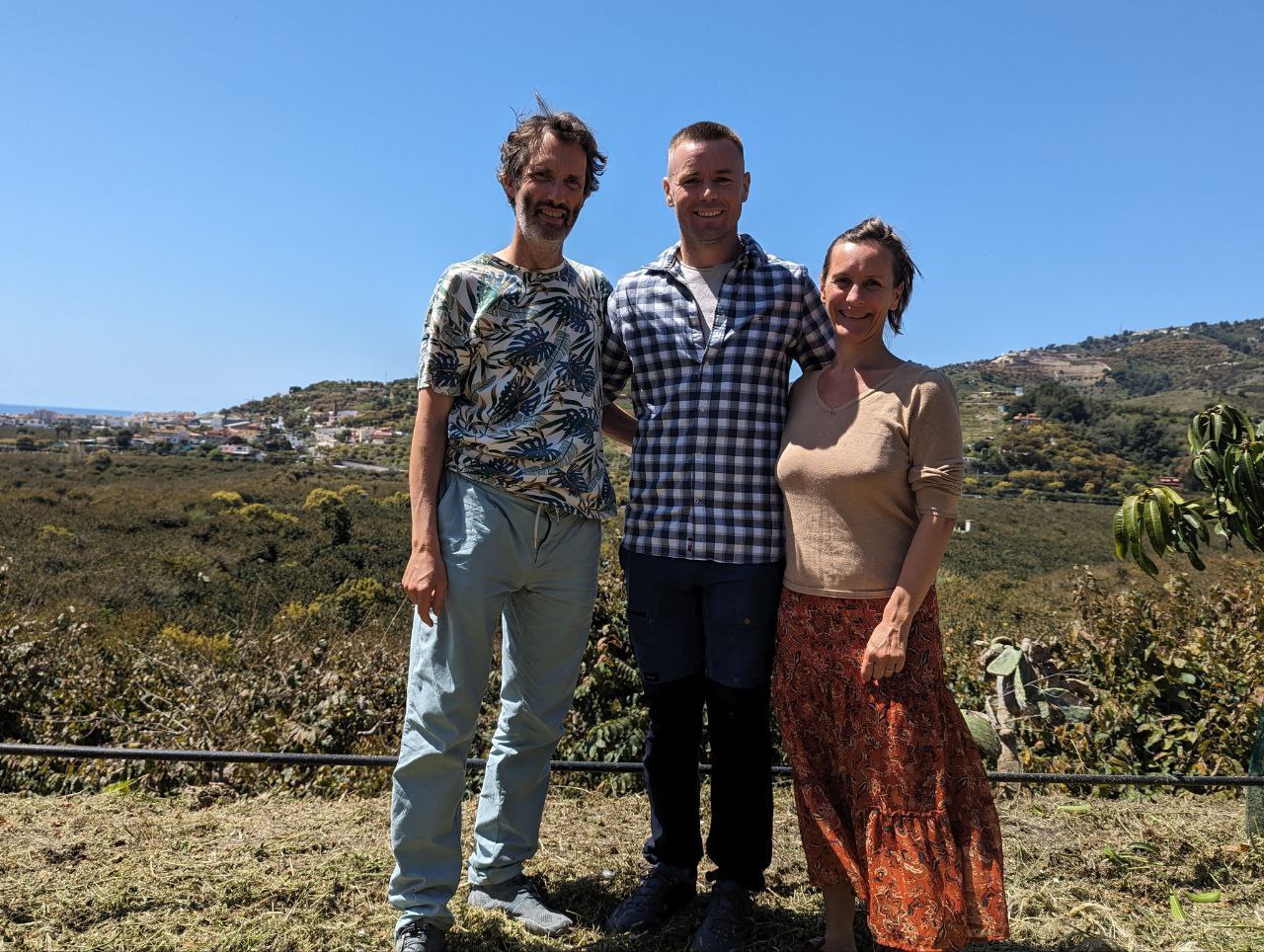
The packaging of lychees is 2 kilograms.
The shipment is made directly from Malaga, at the producer's location, via GLS. Once your package is dispatched, delivery to your home takes 2/3 business days (non-contractual). You will receive an email from the carrier GLS to inform you of the dispatch of your package with a tracking link.
If you order other products from our store, you will also need to pay the standard shipping fees for your other products: one package will be shipped from Marseille and another from Malaga. Arrival in 2 separate packages.
Mixing possible on all fresh fruit boxes. No pick-up points.
🍒 Average nutritional values per 100 g of raw lychee
| For 100 g | Quantity | % of reference intakes |
|---|---|---|
| Energy | 66 kcal / 276 kJ | 3% |
| Carbohydrates no sugars | 16.5 g including 15.2 g | 6% |
| Dietary fibers | 1.3 g | - |
| Proteins | 0.8 g | 2% |
| Lipids | 0.4 g | 1% |
| Vitamin C | 71.5 mg | 89% |
| Copper | 0.15 mg | 15% |
| Potassium | 171 mg | 9% |
| Vitamin B6 | 0.10 mg | 7% |
| Folate (vitamin B9) | 14 µg | 7% |
| Phosphorus | 31 mg | 4% |
| Magnesium | 10 mg | 3% |
Indicative average values for raw lychee, flesh only (sources: USDA FoodData Central and Ciqual ANSES table). They vary according to variety, ripeness, and terroir. Reference intakes for a typical adult (EU regulation 1169/2011).
Frequently Asked Questions
Why do my lychees have brown skin ?
Because their skin is very thin and loses its water in two or three days when exposed to air. This browning is a dehydration phenomenon, not rotting: the flesh inside is perfectly white and intact. Trust the smell, never the color - a lychee that has truly gone bad smells distinctly of alcohol and vinegar. This is the number one misunderstanding about this fruit, and it leads to perfectly good lychees being thrown away every year.
Do lychees ripen after being picked ?
No, and that is what radically distinguishes them from mangoes or avocados. The lychee is a non-climacteric fruit: it does not have any starch reserves to convert into sugar once detached from the tree. Its sugar and fragrance are acquired in the orchard, or they never will be. This is also why the proximity of the producer is so important for this particular fruit.
How many lychees are in a 2 kg box ?
Between approximately 80 and 120 fruits, depending on the sizes of the harvest - a lychee generally weighs between 15 and 25 g. We do not sort by size: the crate is sent as it comes from the orchard. Depending on the shipments, the fruits are delivered either detached or still in clusters on their branch.
How to store them ?
In the refrigerator, immediately, in a closed box or a perforated bag. The cold significantly slows down browning and easily gives you an extra week: expect about ten days, sometimes two weeks. At room temperature, however, the peel dries out in two to three days. Unlike mangoes, there is absolutely nothing to gain by leaving them on the countertop.
Can you freeze lychees ?
Yes, and it's the best way to absorb a surplus. Freeze them whole, with the skin: it comes off on its own after taking them out of the freezer, in a few seconds under warm water. Frozen fruits then blended make an instant sorbet without any additions. Once defrosted, they are softer and release water: reserve them for smoothies and purees rather than eating them plain.
What is the difference between lychee, longan, and rambutan ?
The three belong to the same botanical family, the Sapindaceae, and share the same structure: a rind, translucent white flesh, and a seed. The lychee has a red, bumpy rind and the most floral fragrance of the three. The longan is smaller, with a smooth beige rind and a muskier taste. The rambutan is larger and covered with long, flexible filaments. Only the lychee is currently cultivated in continental Europe.
When is the lychee season in Spain ?
From early August to early September, just four to five weeks - it's one of the shortest seasons in our entire fresh fruit catalog. For the rest of the year, the lychee available in Europe comes from Madagascar or South Africa, by plane. Out of season, you can fall back on our freeze-dried lychees, which retain the essential nutrients and aroma.
Is lychee suitable for people with diabetes ?
It is a sweet fruit: 15.2 g of sugars per 100 g, with a moderate glycemic index around 50. That said, each person reacts differently, and we are not doctors: if you are concerned about diabetes or glycemic monitoring, the only correct answer is that of your doctor or dietitian, not that of a commercial website.
I read that lychee can be dangerous. What is the truth about it ?
This concern comes from a serious study published in 2017 in The Lancet Global Health, on episodes of encephalopathy that occurred in Muzaffarpur, in northern India. It implicated two compounds naturally present in the fruit, hypoglycin A and MCPG, which disrupt the liver's production of glucose. The study should be read in full: the affected children were malnourished, ate large quantities of unripe lychees picked from the ground, and skipped the evening meal - It is the combination of the three that caused severe hypoglycemia. The concentrations are much higher in the unripe fruit than in the ripe fruit. For a well-nourished adult who eats ripe lychees as a dessert, there is no issue. Common sense still applies: ripe fruits, and not an empty stomach as dinner.
🍒 To go further, here is what we recommend you read or taste on the side:
- The complete list of tropical fruits, from the rarest to the most well-known.
- Our freeze-dried lychees 200 g - to extend the season all year round.
- The benefits of freeze-dried fruits - what freeze-drying preserves, and what it loses.
- The complete guide to our 10 freeze-dried varieties.
- The other funds in the same sector: Organic Osteen mangoes, , organic papayas, , Organic cherimoyas and Reed bio avocados.
A varied and balanced diet and a healthy lifestyle are important. The beneficial effects mentioned in the BENEFITS tab are achieved with a consumption of about 150 to 200 g of lychees, as part of a balanced diet.
Warning: The information presented on this page is provided for informational purposes only and does not constitute medical advice. Consult a qualified healthcare professional before making any changes to your diet or supplementation. As part of a varied and balanced diet and a healthy lifestyle.
Update: August 2026. Sheet written and validated by Éric Viard, founder of Biovie since 2007 and engineer ISTOM, co-author of Seaweed in everyday life (Gallimard, 2024) - Best cookbook in the world, Gourmand Cookbook Awards 2025, and Best cookbook in France, National Academy of Cuisine 2025.
Wondering… ?
Everything you need to know before ordering.
Be the first to ask a question about this product!
Question about the product
Ask a question