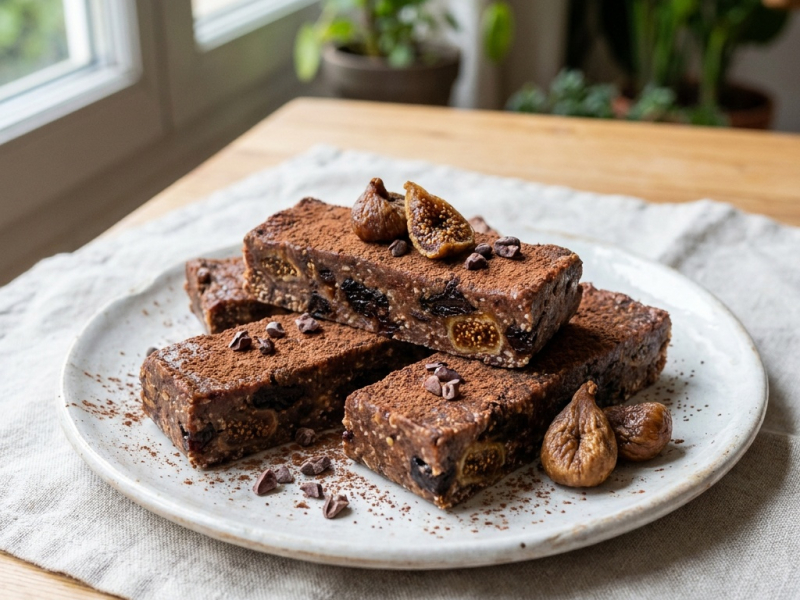
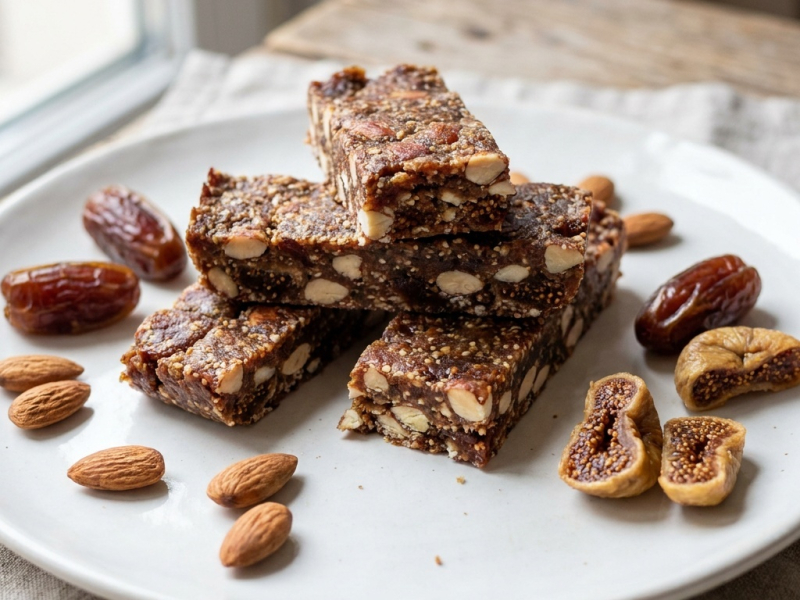
For unexpected cravings, it is better to have these bars at hand than to give in to the first temptation that comes along. Crunchy on the surface and soft at the heart, they combine the crunch of seeds, the melting texture of dates and the tang of dried cranberries for a complete, satisfying snack. They come together in a few minutes in the food processor before spending a night in the dehydrator. Also discover our ideas for enjoying the benefits of chia seeds every day.
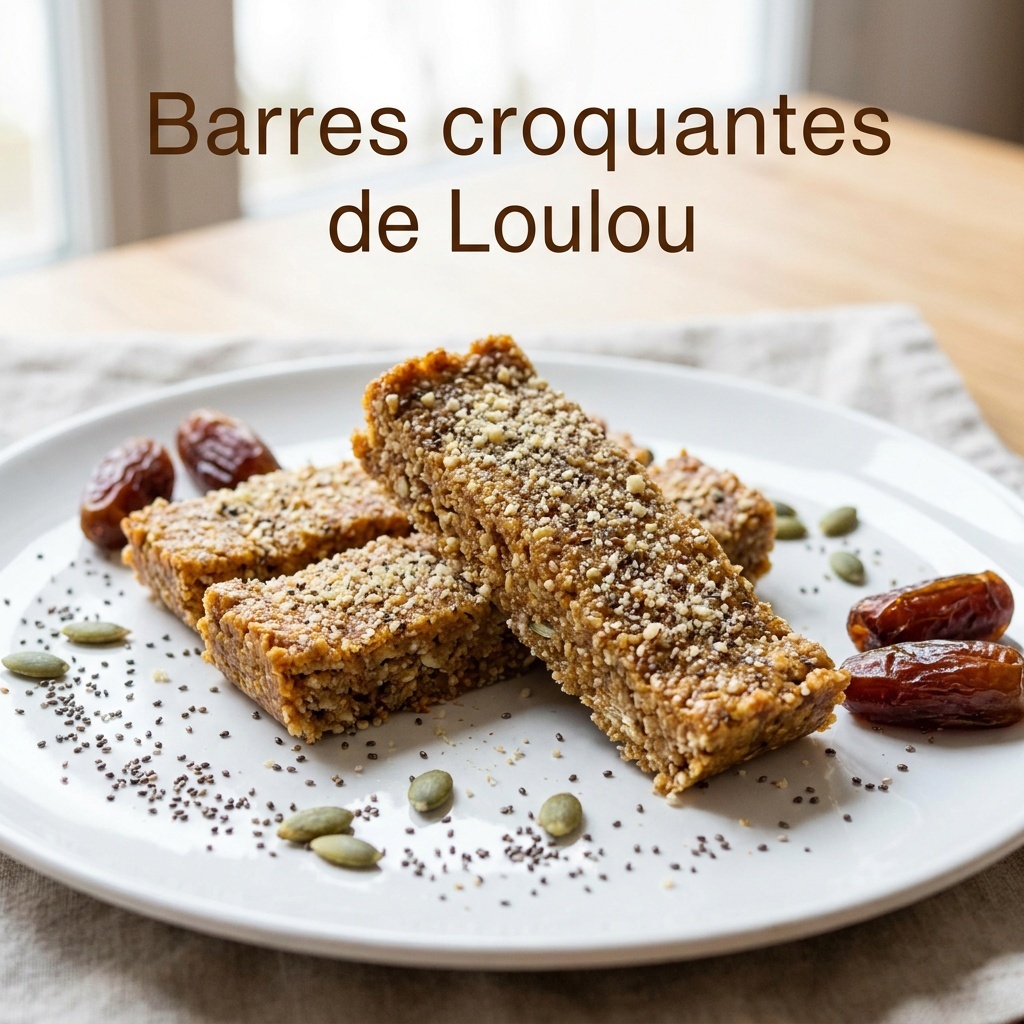
Crunchy seed, date and cranberry bars
Share this article
Organic and fair trade Chia Seeds
€6.50 In stock
Ingredients
- 3 tablespoons of chia seeds (soaked for at least 2 hours to form a gel)
- 70 g of soaked pumpkin seeds
- 10 pitted dates
- 3 dried figs
- 1 large banana
- 2 tablespoons of sesame seeds
- 60 g of dried cranberries
- 40 g of coconut flesh (previously grated, then dehydrated)
- ¼ teaspoon of cinnamon
Preparation
- Place all the ingredients (except the dried cranberries) in a food processor and blend to the desired consistency.
- Transfer the mixture to a large bowl, add the dried cranberries and mix well.
- Shape the mixture into small bars on the dehydrator trays, larger or smaller as you prefer.
- Dehydrate for about 12 hours (a full night).
- The bars should be crisp and firm on the outside, while staying soft on the inside.
Tip
Store them in an airtight container: they keep for several days without any problem, if they are not devoured before.
The full range Sprouted seeds
Biovie offers 24 varieties of organic sprouting seeds, produced since 1896 by our Italian supplier Geo Bavicchi, and every batch is tested before it goes on sale (germination rate above 95% required). Radish, fenugreek, sunflower and alfalfa sprout the fastest and most easily for beginners, in 3 to 5 days on a windowsill. To discover several varieties without making a mistake, the packs (The 3 Radishes, The Essentials, The Pep's Seeds...) are a good starting point, before choosing your varieties individually. The range also covers microgreen seeds to grow on a substrate, and sprouters to get started without unnecessary equipment., 46 products
Discover the full range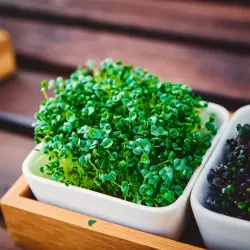
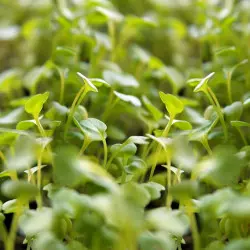
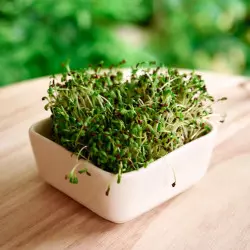
You will find chia seeds in our Seeds for sprouting range.
FAQ: your questions about homemade energy bars
How do you make homemade energy bars?
The pattern is always the same: a sticky binder, a dry base, and a topping. The binder comes from blended dried fruit - dates, figs, apricots - possibly completed with a nut butter. The dry base provides the structure: flakes, seeds, crushed nuts. The topping is there purely for pleasure. You mix, press firmly into a lined mould, let it set in the cold, and cut. The version in this recipe goes further by drying the bars, which gives them a crust and extends their shelf life.
What are the best energy bars?
The ones whose ingredient list you can read without needing to decipher it. Many shop-bought bars, even those labelled "natural", rely on glucose syrups, isolated proteins and flavourings. By contrast, a bar made of dried fruit and nuts, with five or six ingredient lines, does the job very well. The real criterion depends on the use: for a long effort, you look for available sugars; for an office snack, you look for the opposite, fat and fibre that keep you going.
Is it good to eat protein bars?
For most people, they serve no purpose: protein needs are largely covered by an ordinary diet, including a plant-based one, without going through a processed product. They have a point in specific situations - an athlete building mass, a very reduced appetite, travel with no possible meal. Outside these cases, a handful of almonds and a piece of fruit fulfil the same function for less money and with fewer additives. These bars follow the same logic: real foods, given a shape.
Share this article
Related articles