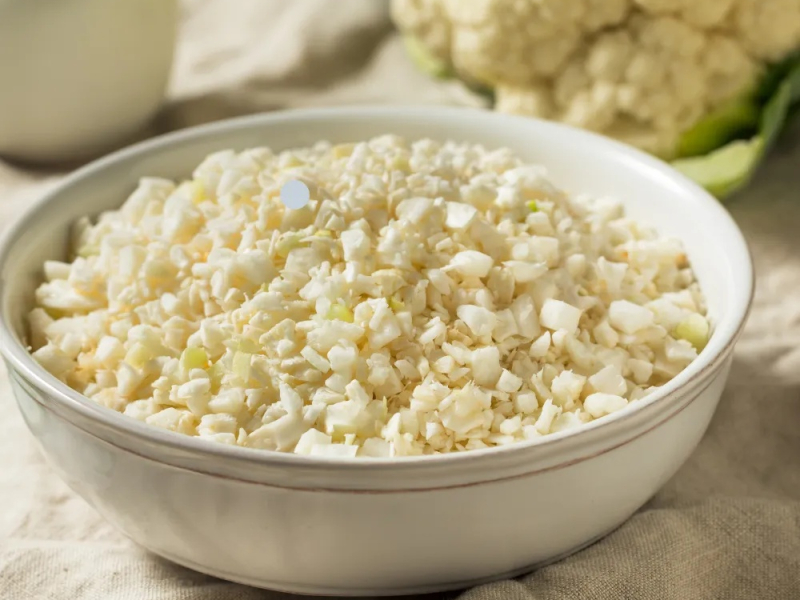



Here's a salad that stands entirely on its own: sprouted quinoa for the base, cauliflower florets marinated then dehydrated for a roasted illusion, pumpkin seeds and cranberries for contrast, plenty of fresh herbs and rocket. Sprouted quinoa simply needs a little planning ahead: soaked overnight, rinsed twice a day and left to drain, it shows its first sprouts within a few hours and turns out noticeably more tender than cooked quinoa, with a touch of extra crunch. The cauliflower, meanwhile, first goes through a marinade of tamari, smoked paprika, cider vinegar, honey and olive oil, then spends four hours in the dehydrator at low temperature: it concentrates in flavour, browns slightly, and completely loses the raw, dry feel of chopped cauliflower. Without a dehydrator, a spell in the oven works very well too, though the recipe then stops being raw. The miso-cashew dressing ties it all together: salty, lightly sweetened with coconut nectar, sharpened with vinegar, it coats everything without weighing it down. Makes two generous plates.
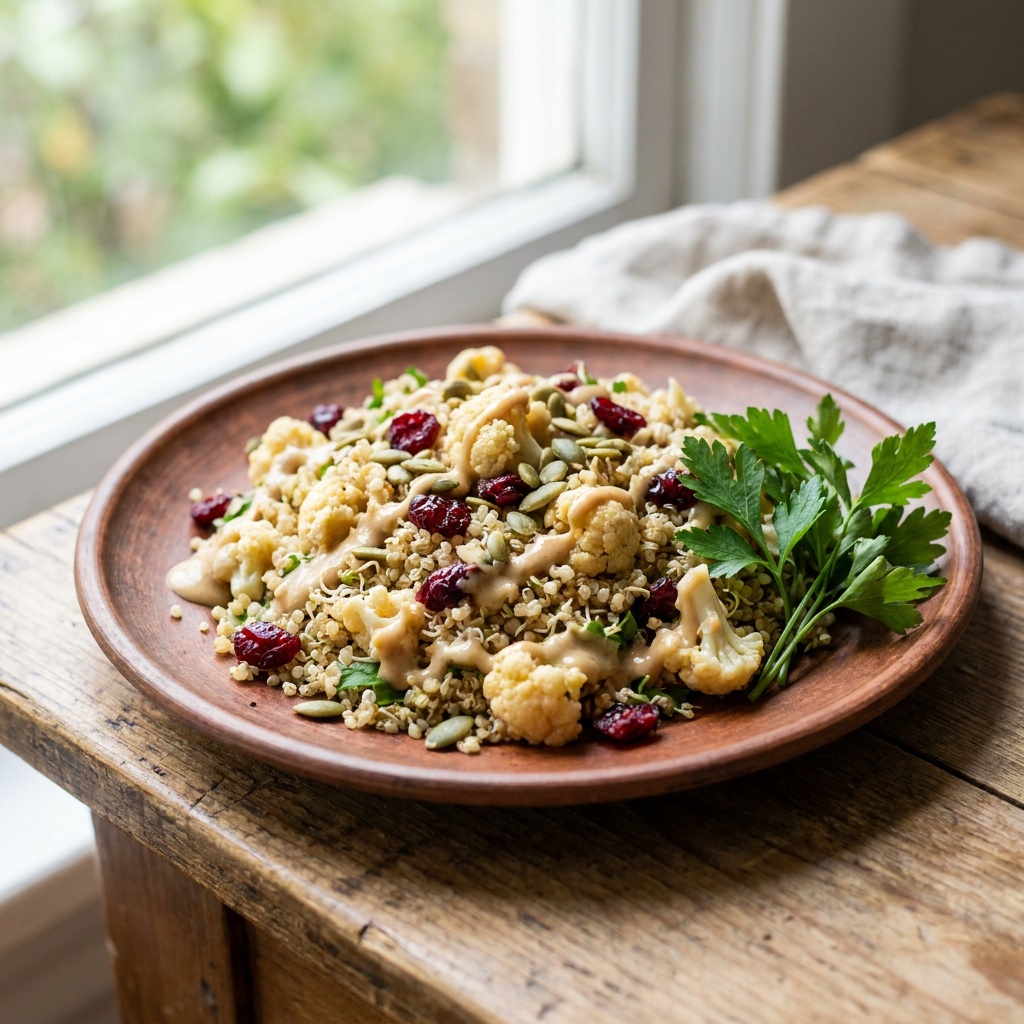
Sprouted Quinoa Salad with Marinated Cauliflower and Cranberries, Miso-Cashew Dressing
Share this article
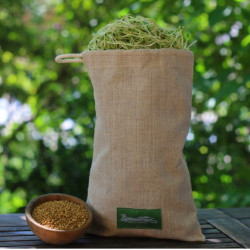
Universal Germination Bag
€10.50 In stock
Ingredients
For the salad
- 200 g sprouted quinoa (soak the quinoa overnight in a nut-milk bag, rinse and drain twice a day, hang the bag up for good drainage: sprouts appear within 4 to 8 hours)
- 1 medium cauliflower, cut into florets
- 70 g pumpkin seeds
- 100 g cranberries, setting a few aside for garnish
- 1/2 bunch flat-leaf parsley, chopped
- 1/2 bunch mint, chopped
- 100 g rocket (arugula)
- 1/4 red onion, finely sliced
- 1 tablespoon tamari
- 1 teaspoon smoked paprika
- 1 tablespoon raw honey
- 1 tablespoon cider vinegar
- 1 tablespoon olive oil
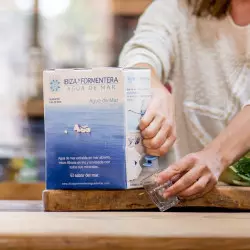
- Salt and pepper (equivalent to 1 tablespoon - 15 ml - of seawater)
For the miso-cashew dressing
- 6 cl (¼ cup) white miso
- 6 cl (¼ cup) coconut nectar
- 6 cl (¼ cup) cider vinegar
- 6 cl (¼ cup) olive oil
- 75 g cashews, soaked 20 minutes then drained
- 2 to 4 tablespoons filtered and hydrogenated water, to thin if needed
- Salt and pepper (equivalent to 1 tablespoon - 15 ml - of seawater)
Method
- In a mixing bowl, coat the cauliflower florets with the tamari, smoked paprika, honey, cider vinegar, olive oil, salt and pepper.
- Spread them on a dehydrator tray and leave for 4 hours at 45 °C (113 °F). Set aside while you prepare the rest. Without a dehydrator, a spell in the oven gives a similar result, but the salad is then no longer raw.
- In a large bowl, combine the sprouted quinoa, cauliflower, pumpkin seeds, cranberries, parsley, mint, rocket and red onion, then toss together.
- For the dressing, blend the miso, coconut nectar, vinegar, olive oil and drained cashews until smooth. Thin with water if needed and adjust the seasoning.
- Pour the dressing into a small jar and serve it on the side, so everyone can help themselves.
Tip
Quinoa sprouts fast, but it sprouts poorly if it sits in water: it's the draining, more than the soaking, that makes the difference. Make the dressing last and keep it on the side until serving: added ahead of time, it wilts the rocket within minutes.
The full range Sprouted seeds
46 products
Discover the full range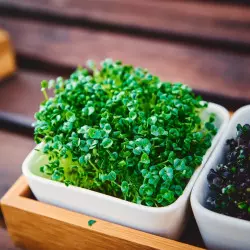
FAQ: your questions about sprouted quinoa
What are the benefits of sprouted quinoa?
Quinoa is already an interesting seed on its own, with a complete profile of essential amino acids, magnesium, iron and fibre, and no gluten. Sprouting takes it a step further: it reduces phytic acid, which limits mineral absorption, and makes the whole thing easier to digest. Above all, it allows quinoa to be eaten raw, which completely changes its place on the plate: no longer a grain to cook, but a very finely crunchy salad ingredient.
How long does it take to sprout quinoa?
It's the fastest seed in the sprouter, which makes it an excellent starting point for beginners. Soak for just two to eight hours, then rinse very thoroughly - quinoa carries saponin, naturally bitter, which needs to be rinsed away. The sprout then appears within twelve to twenty-four hours. Don't go beyond two to three days: quinoa ferments quickly and develops a characteristic sour smell.
What's the point of eating sprouted seeds?
They bring freshness, crunch and nutritional density at a tiny cost, with no garden and no season needed. One tablespoon of dry seeds gives you a bowl of sprouts within a few days, on a corner of your kitchen counter. It's also a way to eat living food in winter, when fresh local vegetables are scarce. And for anyone starting out with raw food, it's often the first habit that actually sticks, because it asks so little.
How do you eat sprouted seeds?
Raw, almost always: that's their whole point. Scatter them over a salad, a hummus, a chilled soup, a slice of bread, or fold them into a bowl like this one. Some, such as chickpeas or lentils, are easier on digestion after a few minutes of gentle steaming if you find them hard to digest raw. Always rinse them just before serving, and eat them within three days of harvesting.
Share this article
Related articles