









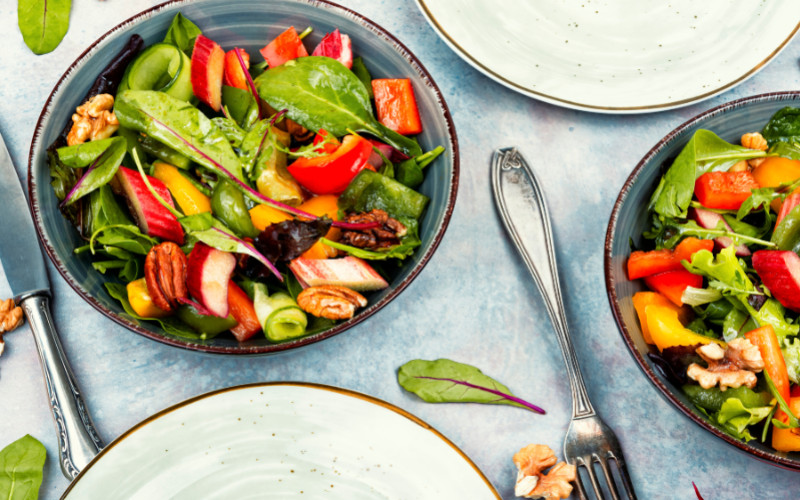
Living food is attracting growing interest in our modern society, where food choices directly influence our health. But what is living food, and why do so many people choose to follow it?
Born from a heightened awareness of the foods we eat, living food encompasses a variety of principles centred on fresh, lightly processed foods. Its origins go back to ancient practices. It appeals to those who want to cook with raw, lightly processed products.
However, the transition to living food is not without its challenges. Potential nutritional deficiencies and difficulties with social adaptation can hold back new recruits. This article sets out to guide you through the process, with practical advice and tips to bring living food into your daily life simply and effectively.

Definition of living food
Definition of living food
Living food, often associated with the raw food diet, rests mainly on the consumption of raw and natural foods. This category of living foods typically includes fresh fruits, raw vegetables, sprouted seeds, dried fruits, edible seaweeds, and nuts and oilseeds in the form, for example, of plant milk such as almond milk. The aim is to eat products that are as little processed as possible. To go further, find our full article on what living food is.
Characteristics of living food:
- Promotes a healthy lifestyle
Key points of raw food:
- Consumption of uncooked, unprocessed foods,
- Exclusion of dairy products, meat and processed foods.
In short, this approach to eating favours a gentle transition to eating raw, lightly processed foods, adaptable to different ways of eating.
Origins of living food
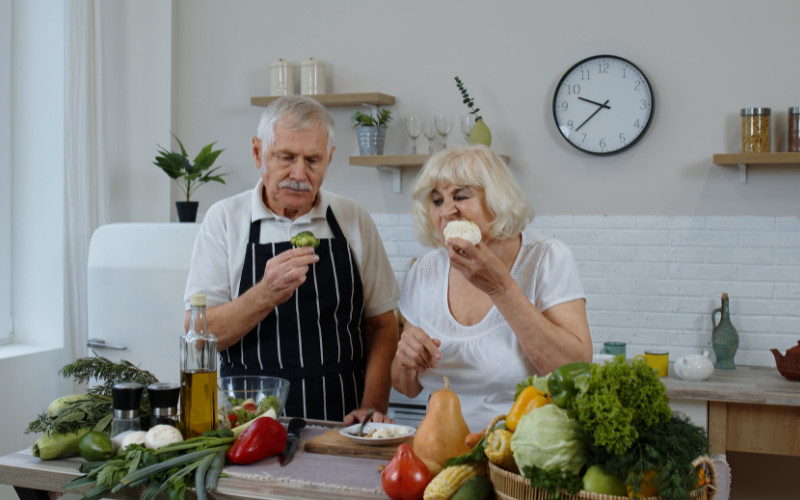
The origins of living food go back to Antiquity, notably with the Essenes, a mystical Jewish group that promoted a natural diet.
In the 20th century, interest in raw food was revived by pioneers such as Ann Wigmore and Herbert Shelton, who popularised living foods. Ann Wigmore, in particular, contributed to this movement by founding the Hippocrates Institute, where a diet based on wheatgrass and raw foods was central.
Today, this practice is considered not only a diet but also a way of life that emphasises eating raw and unprocessed foods. This way of eating is popular with those who like to cook with raw ingredients.
Principles of living food
Living food rests on raw and natural foods. By choosing unprocessed foods, we consume fewer additives: it is one of the reasons that made me change what is on my plate.
Cooking and nutrients
Indeed, cooking can alter certain vitamins and minerals or reduce their content. So, eating foods in their raw form better preserves their vitamins and minerals. Here is a table illustrating the retention of nutrients in certain raw foods compared with their cooked version:
|
Food |
Nutrient |
Raw |
Cooked |
|---|---|---|---|
|
Broccoli |
Vitamin C |
High |
Reduced |
|
Spinach |
Folic acid |
High |
Decreased |
|
Almond |
Vitamin E |
High |
Stable |
*Non-exhaustive table, values may vary depending on cooking methods and degree of cooking.
Challenges of the transition to living food
Adopting living food can present challenges. Among them, the need to rethink your lifestyle and your diet, but also to adapt to new meal preparation methods. A gradual transition is the gentlest way to bring living food into daily life. Here is some advice for a successful transition:
- Gradual integration: Start by introducing small changes, such as adding a raw dish or a fresh vegetable juice to each meal, before moving toward a mostly raw diet.
- Nutritional education: Find out about the categories of food to include in order to get all the essential nutrients.
- Culinary creativity: Explore raw cuisine by trying new recipes and meal ideas to keep your diet varied and tasty.
- Listening to your body: Pay attention to how your body reacts to the new food and adjust your diet according to your needs.
- Community support: Look for groups and forums dedicated to living food to share experiences and tips.
These measures can help overcome the challenges associated with such a change in diet and make for a smooth transition.
Potential nutritional deficiencies
A raw diet, if it is not well planned, can lead to nutritional deficiencies. It can be lacking in protein, vitamin B12, iron, calcium and omega-3 fatty acids, especially if the range of foods is limited. Here is how to prevent these deficiencies:
- Protein: Include protein-rich foods such as hemp seeds, quinoa, tigernut and dried fruits.
- Vitamin B12: Take supplements or eat B12-fortified foods, as this vitamin is found mainly in animal products.
- Iron: Eat leafy green vegetables, dried fruits and seeds, and increase iron absorption by combining them with sources of vitamin C.
- Calcium: Include foods such as almonds, sesame seeds and raw vegetables rich in calcium.
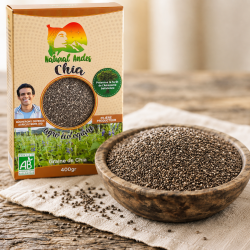
- Omega-3 fatty acids: Add chia seeds or ground flax seeds to your diet to get enough omega-3.
€6.50
In stock
Organic and fair trade Chia Seeds
Difficulties with social adaptation
The transition to living food can also involve social challenges. Indeed, eating habits are often shared with family, friends or at social events, which can create pressure.
- Communication: Explain to those around you your approach and the reasons for your food choice, to help them understand and to ease your integration at shared meals.
- Planning: Anticipate outings by planning meals or letting the restaurant know about your food preferences.
- Flexibility: It is important to find a balance between respecting your diet and taking part in social activities.
By adapting your living food to your life context and communicating openly, social adaptation will be easier and you will be able to maintain and enjoy your new way of eating.
Where to start in practice: the four families that do the work
"Eating living" remains an intention as long as you do not know what to buy on Monday morning. In practice, four families of food are enough to transform an ordinary diet, and you can introduce them one by one, in whatever order you like.
Freshly pressed juices
A vegetable juice pressed in a juicer is made in a few minutes. A glass in the morning, on an empty stomach, is the simplest way to begin: nothing to remove, just something to add. Drink it within half an hour, before oxidation does its work.
Sprouted seeds
They grow in a few days on a corner of the counter for a few cents. One to two tablespoons a day, on a salad or a slice of bread, are more than enough, regularity matters more than quantity.
Seaweeds
This is the family of sea vegetables. Count on 2 to 3 g of dried seaweed a day, varying the species: and begin with the mildest, dulse or nori, before tackling the more iodine-rich ones.
Lacto-fermented foods
Raw sauerkraut, vegetables in a jar, kefir, kombucha: these fermented foods contain living micro-organisms. One tablespoon at each meal is enough, increasing gradually, a gut that is not used to them needs a few weeks.
What these four families have in common, and it is what makes the transition sustainable: you add, you do not take away. The room taken by living food mechanically reduces the room of everything else, without any need to forbid yourself anything, as part of a varied and balanced diet and a healthy lifestyle.
Practical tips for a successful transition
Adopting living food, which favours raw and natural foods, often represents a significant change in lifestyle and eating habits. To ensure a successful and gentle transition to this way of eating, several practical tips can be put into practice.
Start gradually
The dietary transition to living food should not be abrupt. To avoid shocks and deficiencies, it is advisable to proceed in stages:
- First integrate raw foods: Start by mixing raw foods with your usual dishes.
- Increase the share of living foods: Gradually raise the amount of raw foods in your meals.
- Plan a weekly menu: Plan your meal ideas by incorporating a greater variety of living foods.
- Creative raw cooking: Experiment with raw cuisine recipes to discover new flavours.
Gentle transition versus fast transition:
|
Gentle transition |
Fast transition |
|---|---|
|
Reduces the risk of deficiencies |
Can lead to deficiencies |
|
Eases digestive adaptation |
Requires fast digestive adaptation |
|
Allows preferences to adjust |
Abrupt change of preferences |
|
Carried out over several weeks or months |
Carried out in a few days or weeks |
Assess your nutritional needs
Before "converting" to a raw diet, it is essential to assess your needs in essential nutrients to ensure a balanced diet:
- Calculate your intake: Fresh fruits, green vegetables, dried fruits and other living foods must provide the necessary vitamins and minerals.
- Diversify your protein sources: Protein is found in legumes, certain dried fruits and also sprouted seeds.
- Watch your fat intake: Good fats can come from avocados, nuts, seeds and certain cold-pressed oils.
- Be careful with dairy products: For living food, opt for plant-based alternatives such as almond or tigernut milk.
It is also recommended to consult a health professional or a nutritionist to adapt your dietary changes to your individual needs, and thus guarantee a sufficient intake of all the essential nutrients for your body.
By adopting a gradual transition and by considering your nutritional needs when eating living foods, you can move toward a diet suited to your needs.

Eating living in winter: the question that makes people give up
This is the point where most transitions stop, and for a very concrete reason: when it is cold, a salad comforts nobody. It is not a matter of willpower, it is a matter of thermoregulation.
The answer comes down to one sentence: living does not mean cold. A food stays raw as long as it has not gone above 42 to 45 °C, the temperature of a lukewarm dish, pleasant to eat. This opens up a whole repertoire that winter makes precious.
- Raw soups gently warmed: blended then brought to eating temperature, never to a boil. Squash, parsnip, carrot and ginger give astonishing results.
- Warming spices and herbs, ginger, turmeric, cinnamon, pepper, cumin, completely change the perception of a raw dish without changing its nature.
- Lacto-fermented foods and sprouted seeds know no season: they grow on a countertop in January as in June, and so they suit winter very well.
- And most important: nobody has to be 100%. A share of cooked food in winter, a bigger share of raw in summer, is a natural rhythm, not a failure.
Equipment: what is useful, what can wait
The living food kitchens you see in photos discourage as much as they inspire. In practice, you start with very little.
What is enough to begin with: a sprouting jar, a board and a good knife, a fine sieve. That is all, and it already covers sprouted seeds and lacto-fermentation, that is two of the four families described above.
What changes the game next, in the order we recommend: a powerful blender, then a juicer, then a dehydrator. The blender is the most versatile: raw soups, smoothies, sauces, nut butters. The juicer comes when juices become a daily habit, not before. The dehydrator is last, and the most dispensable: it is a tool of pleasure, for crackers and dried fruits, not a basic tool.
One piece of advice that holds for all three: wait until you have a real use before buying. An appliance bought in anticipation ends up in the cupboard more surely than one bought because you were stumbling over a gap.
Recipe ideas to bring living food into everyday life
Breakfast recipes
Here are some living breakfast ideas.
Green smoothie
- 1 banana
- 1 handful of fresh spinach
- 1 green apple
- Some almond milk
- A little fresh ginger.
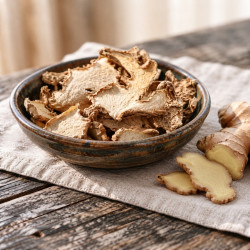
Blend all the ingredients until smooth.
Fresh fruit and seed bowl
- An assortment of fresh seasonal fruits
- Soaked chia seeds
- Nuts
Cut the fruit and mix with the chia seeds and nuts.
Lunch recipes
Here are some living lunch ideas.
Rainbow salad
- Different varieties of colourful raw vegetables
- Sunflower seeds
- Fresh herbs
- Lemon and olive oil dressing
Cut the vegetables and mix with the seeds, the herbs and the dressing.
Lettuce wrap with crunchy vegetables
- Lettuce leaves
- Julienne of vegetables (carrots, cucumbers, bell peppers)
- Hummus or sprouted seed pâté
Use the lettuce as a tortilla to wrap the vegetables and hummus.
Dinner recipes
Here are some dinner recipe ideas.
Zucchini spaghetti with raw tomato sauce
- Spiralized zucchini
- Ripe tomatoes
- Dates
- Fresh garlic
- Basil
In a blender, blend the tomatoes, dates, garlic and basil until you get a creamy sauce. Serve it over the zucchini "spaghetti".
Marinated mushroom salad
- Thinly sliced mushrooms
- Soy sauce
- Sesame oil
- Ginger
Marinate the mushrooms with the soy sauce, the oil and the ginger. Serve with fresh herbs.
Healthy snacks and bites
Living snacks are practical, perfect for satisfying small hunger pangs.
Homemade bars
- Dates
- Dried fruits
- Nuts
- Ground flax seeds
Blend all the ingredients and shape into bars. Place in the fridge to firm up.
Raw vegetables and Tahini dip
- Raw vegetable sticks (carrots, cucumbers, celery)
- Tahini
- Lemon
- Garlic
Mix the tahini with lemon juice and garlic.
These meal and snack ideas can be adapted to your tastes and preferences, for a diet built on eating natural and unprocessed products.
Testimonials and feedback
Living food gives rise to many testimonials and accounts of experience that tell of the challenges met during the dietary transition. Here are a few highlights from these testimonials:
- Transition difficulties: Some express initial difficulties, such as managing cravings or adjusting to a new digestion time.
- Culinary discovery: Many share their pleasure in discovering new recipes and rediscovering the taste of food in its natural state.
These experiences vary greatly from one person to another, reflecting the individual nature of diets and the need for a gradual transition.
The importance of nutritional balance
The importance of nutritional balance is fundamental. To function properly, our body needs a variety of essential nutrients, which we obtain through diversifying the foods we eat.
Food categories and essential nutrients:
- Fruits and vegetables : Sources of fibre, vitamins and minerals.
- Carbohydrates : Main source of energy, they include cereals and root vegetables.
- Dairy products or substitutes : Provide calcium and vitamin D.
Each food category plays a vital role in our body's processes.
Adopting a balanced diet means not only eating a variety of foods, but also respecting the recommended portions and spreading the calorie intake across the day.
FAQ on Living Food
Q: What is living food?
A: Living food refers to a nutritional approach that favours eating raw, unprocessed foods. This method focuses on fruits, vegetables, nuts, seeds and sprouts.
Q: What are the benefits of living food?
A: For me, it is first of all a cuisine of raw ingredients, colourful and tasty, to be brought gradually into a varied and balanced diet.
Q: Is it hard to follow a 100% raw diet, especially in winter?
A: Many people find it harder to follow a 100% raw diet in winter, because cold temperatures encourage eating hot foods. It is possible to mix raw and cooked foods, such as hot vegetable soups, to maintain a balanced and satisfying diet while still including raw elements.
Q: What hot foods can be included in living food?
A: For those who want to eat warm while following living food, there are several options. For example, soups based on raw vegetables, to which you can add hot water to reach a pleasant temperature without cooking the vegetables. You can also explore dishes such as quinoa or legumes, which can be cooked at low temperature to preserve their nutrients.
Q: Are there any drawbacks to living food?
A: Although living food has many advantages, it can also have drawbacks, such as the risk of deficiencies in certain nutrients (such as protein and vitamin B12) if it is not well planned. It is important to listen to your body and to consult a health professional if necessary to make sure all nutritional needs are met.
Q: How do I start adopting living food?
A: To begin living food, start by gradually including raw fruits and vegetables in your daily diet. You can try replacing processed snacks with fruit, or adding raw salads to your meals. Experiment with recipes for smoothies, raw soups and dishes based on sprouted seeds to diversify your options.