



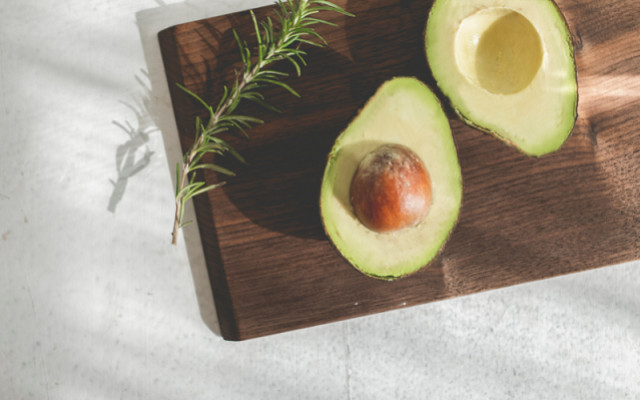
Avocado The avocado is a fruit that comes from the avocado tree, a member of the Lauraceae family, which originates from the humid forests of southern Mexico and Central America. It is a rich and versatile fruit, highly valued not only for its creamy and delicious flavor but also for its numerous benefits on the body. Over time, avocado trees have been introduced to other tropical and subtropical regions around the world, benefiting from the tropical climates that favor their growth. This expansion has allowed avocados to gain popularity in various parts of the globe, becoming a staple ingredient in many cuisines. However, not all avocados are created equal, so there is a wide variety of this exotic fruit, each with its own characteristics in terms of size, shape, texture, and even flavor. We will take a comprehensive tour of the different varieties of avocados, which will help you better understand the specifics of each type and discover how to best use them in your daily recipes.
The most popular varieties of avocado
Here is an overview of the most popular avocado varieties around the world:
1. Hass
The Hass is undoubtedly the most well-known and widely consumed avocado variety among the predominant varieties. This variety originates from California, and its name "Hass" comes from Rudolph Hass, a Californian postman who discovered this avocado variety in 1926. It is distinguished by its medium size, thick, rough skin that turns from dark green to black when ripe. The flesh of the Hass is creamy and rich, pale yellow in color, with a buttery flavor, making it ideal for guacamole and spreads. It is the most cultivated and exported avocado variety in the world. It is appreciated for its long shelf life, superior taste, and versatility in cooking.
Share this article
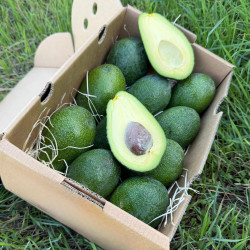
2. Fuerte
This variety is easily recognizable by its distinct pear shape and its smooth, thin green skin. The name "Fuerte"Fuerte" means "strong" in Spanish. This variety was named as such because of its ability to withstand cooler temperatures compared to other avocado varieties. Unlike the Hass, the skin of the Fuerte remains green even when it is ripe, its flesh is slightly less creamy, but it offers a mild and delicate flavor. Due to its firm texture and mild flavor, it is often used in dishes where the avocado needs to maintain its shape, such as in salads or sliced on sandwiches.
3. Bacon
The avocado Bacon It owes its name to James Bacon, a farmer from California who selected this variety in the early 1950s. It is a cold-resistant variety that can withstand low temperatures and has consistent yields. This type of avocado is smaller and lighter than other varieties. It has an oval shape and a smooth, thin skin, ranging in color from light to dark green. Its flesh is more watery and less creamy, with a mild and less pronounced flavor compared to other varieties. It is often used in salads or consumed directly with a bit of salt and lemon. The Bacon is appreciated for its cold resistance, making it cultivable in regions where other varieties would struggle to thrive.
4. Zutano
This variety is often less known, but it is primarily grown in California. The avocado Zutano It has thin, smooth, and shiny skin, of a yellowish-green color. Its flesh is slightly less creamy than that of more popular varieties like Hass, and it is rather crunchy, with a fresh and light flavor. It is often preferred for its texture in cooking, where it is also used in salads and dishes where the avocado needs to maintain its shape.
5. Pinkerton
The avocado Pinkerton It was developed by the Pinkerton family in the 1960s in California. It is the result of a natural cross between different avocado strains, and it quickly became popular due to its unique qualities. The Pinkerton was patented in 1975. This type of avocado has an elongated shape and thick, rough skin. It is appreciated for its large pit and rich, creamy, green-colored flesh. Its flavor is similar to that of the Hass, but with a slightly higher oil content, giving it an even smoother texture.
6. Lula
This variety, originating from Florida, is distinguished by its large size and pear shape. The avocado Lula It has a green, thick, and smooth skin, and very creamy flesh with a mild flavor and moderate oil content. The Lula is generally larger than other varieties, making it attractive to those looking for an avocado with more flesh. It is ideal for sauces and smoothies.
How to choose an avocado according to the recipe
Knowing how to choose the right variety of avocados is very important for the success of your recipe, as it can make all the difference in the final result. Each variety of avocado has unique characteristics that are better suited to certain types of dishes and recipes. By playing with texture and flavors, choosing the right variety of avocados can elevate your dishes for an optimal result. Here are some tips to help you choose the ideal avocado based on the recipe:
For the Guacamoles: The Hass is the variety that is most suitable for the preparation of this Mexican-origin sauce, as it is the creamiest variety, with a rich and buttery flavor. Its smooth texture allows for the creation of a smooth and homogeneous guacamole, while its pronounced flavor adds depth to this dish.
For the Salads: La Fuerte, Bacon, and Zutano, as these varieties have firmer and less creamy flesh, which allows them to maintain their shape in a salad. The Fuerte and Bacon, in particular, add a note of freshness without weighing down your salad dish, while the Zutano, an oval-shaped fruit, offers a crunchy texture.
For Tartines and Toasts: Hass and Pinkerton avocados are perfect for spreading on bread due to their creamy texture, making them easy to spread on sandwiches and toasts. Their rich flavor pairs very well with a variety of toppings, from simple salt and pepper to poached eggs or smoked salmon.
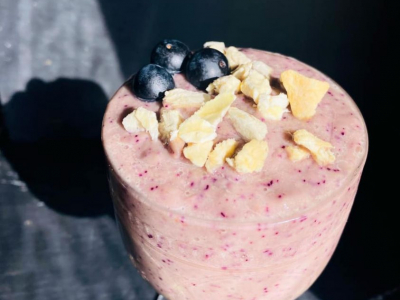
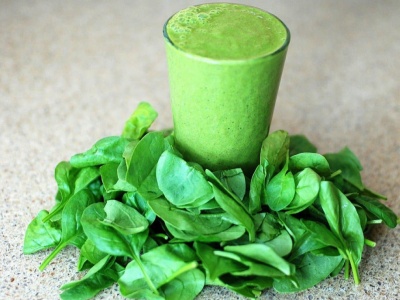
For Smoothies and Sauces: The rich and creamy flesh of the Lula and Pinkerton avocados blends easily, giving a smooth and creamy consistency to smoothies and sauces. The Lula avocado, in particular, adds a natural sweetness and a velvety texture to these preparations.
For the desserts: For desserts like mousses or creams, Hass and Lula are excellent choices due to their high oil content, which creates a smooth and silky texture while adding a subtle richness to the sweet taste of the dessert.
For Hot Dishes: The Fuerte and Bacon varieties withstand cooking well due to their firm flesh, and they can be used in hot dishes without losing their texture.
Nutritional benefits of different varieties
Avocados, regardless of their variety, are known for their numerous nutritional benefits for health. Each variety offers a unique blend of nutrients beneficial to the body. Here is an overview of the nutritional advantages of different avocado varieties:
1. Hass
- It is particularly rich in monounsaturated fatty acids, especially oleic acid, which is beneficial for heart health.
- It contains a high amount of dietary fiber, helping to regulate digestion and maintain a feeling of fullness.
- Hass is rich in antioxidants such as vitamin E, which protects cells against oxidative damage.
2. Fuerte
- Compared to the Hass variety, the Fuerte variety is less caloric and has a slightly lower fat content. However, it still maintains a good amount of healthy fats.
- The Fuerte is an excellent source of vitamins, particularly vitamins C, K, and B6, which support the immune system and skin health.
- This variety of avocado is also rich in potassium, an essential mineral for blood pressure control and nerve function.
3. Bacon
- It is one of the least fatty varieties, which can be beneficial for those who are monitoring their fat intake.
- With a higher water content, bacon contributes to hydration and can be easier to digest, making it ideal for summer meals or refreshing dishes.
- Although it is lower in fat, it still contains a good amount of vitamins A, E, and potassium.
4. Zutano
- Like the Bacon, the Zutano has a lower fat content, making it a lower-calorie option.
- This variety is rich in folate, an essential B vitamin for cellular health and particularly important during pregnancy.
- The Zutano is also rich in fiber, contributing to healthy digestion.
5. Pinkerton
- The Pinkerton has a slightly higher oil content, making it particularly rich in healthy fats.
- It is rich in carotenoids, antioxidants that support eye health and skin.
- It also contains a good amount of fiber, potassium, and magnesium, which are essential for cardiovascular health.
6. Lula
- Lula has a high fat content, which gives it a very creamy texture and a lasting feeling of satiety.
- It is particularly rich in vitamins A and E, promoting skin health and protection against free radicals.
- The Lula also provides a good amount of dietary fiber, supporting digestion and weight control.
Health benefits of avocado
The varieties differ in texture and taste, but their nutritional profile stays very close. Here is what avocado genuinely brings, without exaggeration, as part of a varied and balanced diet and a healthy lifestyle.
Monounsaturated fatty acids, led by oleic acid
Nearly 60% of the fat in avocado is monounsaturated, including oleic acid - the same one found in olive oil. Unsaturated fatty acids contribute to the maintenance of normal blood cholesterol levels when they replace saturated fatty acids in the diet: that is the recognised mechanism, and it assumes a substitution, not an addition. In other words, avocado mostly does its work when it takes the place of butter or cold cuts on the plate, not when it is simply added on top.
A meta-analysis of controlled trials published in 2015 in the Journal of Clinical Lipidology pooled avocado-enriched diets and observed a favourable change in lipid profile. Sample sizes remain modest and durations short: it is a consistent trend, not a definitive demonstration.
Potassium, more than in a banana
Avocado is a good source of potassium, a mineral that contributes to the maintenance of normal blood pressure and helps offset the sodium that is everywhere in the modern diet. Half an avocado provides more than half a banana, in a flavour that works equally well in savoury and sweet dishes.
Soluble fibre, and a genuine feeling of fullness
Half an avocado provides 4 to 6 g of fibre, including soluble fibre (pectins, mucilage, hemicelluloses) that form a gel in the digestive tract and slow digestion. This is what explains the lasting satiety reported by people who add half an avocado to their lunch: hunger returns later, and the urge to snack in the afternoon is often reduced. Insoluble fibre, for its part, contributes to stool bulk and to comfortable transit.
Other foods play in the same register and pair well with avocado: chia seeds, lentils, chickpeas, walnuts, flaxseed - which we recommend eating soaked, or even sprouted.
How many calories are in half an avocado?
Contrary to its reputation, half an avocado stays reasonable: around 120 kcal for a fruit picked before ripeness, up to 160 kcal for a fully ripe one, i.e. 9 to 15 g of fat (mostly unsaturated), 2 to 3 g of protein, 6 to 7 g of carbohydrate and 4 to 6 g of fibre. These are nutrient-dense calories, not empty calories - that is where the difference lies.
It multiplies the absorption of carotenoids from other foods
This is the least known effect, and probably the most interesting one. Carotenoids in vegetables (beta-carotene in carrots, lycopene in tomatoes, lutein in leafy greens) are fat-soluble: without any fat in the same meal, a large share passes through unabsorbed. Adding avocado to a salad multiplies their absorption to a spectacular degree - up to fifteen-fold for some carotenoids in a controlled trial carried out on human volunteers (Unlu et al., The Journal of Nutrition, 2005).
The practical takeaway is simple: a few slices of avocado in a raw vegetable salad are worth more than an avocado eaten alone with a spoon.
And on the skin, as a homemade mask
The flesh of a well-ripened avocado, mashed with a fork and left on the face for fifteen to twenty minutes before rinsing with lukewarm water, makes a very simple nourishing mask. Its richness in vitamin E, which contributes to the protection of cells from oxidative stress, and in vitamin C, which contributes to normal collagen formation for normal skin function, explains this dual usefulness, on the plate and on the skin. The principle we have always defended still holds: what you put on your skin, you should be able to eat.
How to Choose and Store Your Avocados
Choosing and storing your avocados properly is essential to fully enjoy their flavor and nutritional benefits.
To choose your avocados, you should:
- Examine the skin color; each variety has a specific color.
- Check the firmness. If you notice that your avocado yields slightly under gentle pressure without leaving permanent marks, then it is ripe. If it is too soft, it is probably overripe and may be brown inside. If you want to use your avocados in a few days, choose ones that are slightly firm so they can ripen at home.
- Inspect the stem by removing it. gently at the end of the avocado. If the flesh under the stem is green, the avocado is ripe. If it is brown, the avocado is probably overripe.
- Look for avocados without soft spots, bruises, or cuts on the skin, as these could indicate internal damage.
To properly store your avocados and prevent mold, you should:
- Leave your avocados at room temperature if they are not yet ripe.
- If your avocados are ripe, store them in the refrigerator to slow down the ripening process.
- If you have only used half of an avocado, leave the pit in the unused half to slow down browning and wrap it in plastic wrap before placing it in the refrigerator.
- If you have too many ripe avocados, you can freeze them. It is best to peel them, remove the pit, and cut them into slices before freezing them in airtight freezer bags.
FAQ on avocado varieties
1. What is the most popular variety of avocado ?
The Hass avocado is the most popular and widely consumed variety in the world, thanks to its creamy texture, rich flavor, and thick, rough skin that turns black when ripe.
2. Which variety of avocado is the creamiest ?
The varieties Hass and Pinkerton are known for their particularly creamy texture.
3. What is the difference between a Fuerte avocado and a Hass avocado ?
The Fuerte avocado has a smooth, green skin that remains green even when ripe, unlike the Hass whose skin turns black. The Fuerte has a slightly firmer texture and a milder flavor, while the Hass is creamier and has a richer flavor.
4. Are Pinkerton avocados easy to peel ?
Yes, the Pinkerton avocado is known for its easy-to-peel skin despite its slightly rough texture. This makes it convenient for use in the kitchen, especially when used in dishes where a neat presentation is desired.
5. What is the difference between a Bacon avocado and a Zutano ?
The Bacon avocado has a darker green skin and a soft flesh with a slightly creamy texture, while the Zutano has a smoother and lighter skin, and a crunchier flesh with a lighter taste.
6. Which variety of avocado is the richest in nutrients ?
All varieties of avocados are rich in nutrients, but the Hass is often considered one of the richest in monounsaturated fatty acids and antioxidants such as vitamin E. The Lula is also very rich in healthy fats.
7. Does avocado make you gain weight?
Half an avocado provides 120 to 160 kcal, mostly as unsaturated fat, and its fibre content extends satiety. As part of a varied and balanced diet and a healthy lifestyle, it fits in without difficulty, especially if it replaces a less beneficial fat. It is the total quantity on the plate that counts, not avocado taken in isolation.
8. Does avocado help digestion?
Its soluble fibre slows digestion and its insoluble fibre contributes to stool bulk: both support digestive comfort. People with a sensitive digestive system generally tolerate it better when it is well ripe and eaten in small amounts at first.
9. How can you work avocado into your daily diet?
In slices on a raw vegetable salad (where it does the most good, by improving carotenoid absorption), mashed on toast with a squeeze of lemon, in guacamole, in a smoothie for its creamy texture, or as a raw dessert with cocoa. Half a portion to one fruit a day is plenty.
The full range Organic Fresh Fruit
Enjoy a refreshing and nutritious coconut water thanks to these Thai organic green coconuts, proposed with its machete and STAINLESS STEEL straws, 14 products


Conclusion
The avocado, in all its diversity, is much more than just a simple fruit and a kitchen ingredient. Each variety, whether it's the creamy Hass, the delicate Fuerte, or the light Bacon, brings its own palette of flavors, textures, and nutritional benefits to health. Knowing how to choose the right variety based on the recipe you want to prepare can transform an ordinary dish into a true culinary experience. Whether you're making guacamole, a refreshing salad, or a nourishing smoothie, there is a perfect avocado for every occasion. Incorporating different varieties of avocado into your diet not only diversifies your dishes but also optimizes your daily well-being.
References
- Unlu, N. Z., Bohn, T., Clinton, S. K., Schwartz, S. J. (2005). « Carotenoid absorption from salad and salsa by humans is enhanced by the addition of avocado or avocado oil ». The Journal of Nutrition, 135(3), 431-436. Controlled trial on human volunteers.
- López Ledesma, R., et al. (1996). « Monounsaturated fatty acid (avocado) rich diet for mild hypercholesterolemia ». Archives of Medical Research, 27(4), 519-523. Small trial (67 participants).
- Meta-analysis of controlled trials on avocado-enriched diets and lipid profile, Journal of Clinical Lipidology, 2015.
In practice
Updated: September 2026. Article written and reviewed by Éric Viard, founder of Biovie since 2007 and ISTOM engineer, co-author of « Algues au quotidien » (Gallimard, 2024) - Best Cookbook in the World, Gourmand Cookbook Awards 2025, and Best Cookbook in France, Académie Nationale de Cuisine 2025.
Disclaimer: the information presented in this article is provided for informational purposes only and does not constitute medical advice. Consult a qualified health professional before any change to your diet or supplementation. As part of a varied and balanced diet and a healthy lifestyle.