









At Biovie, we believe that the quality of our diet is not limited to what we eat, but also to how we eat.
In this article, we will explore simple habits around mealtime, in accordance with our philosophy ofliving food and organic.
After reading this article, you will discover:
- The importance of taking the time to eat,
- Simple and natural techniques for chewing better,
- Some benchmarks on food enzymes,
- Practical tips for your everyday diet.
The importance of chewing
Chewing, often overlooked in our fast-paced lifestyle, is nonetheless the first crucial step in our digestion. This mechanical process is not limited to simply grinding food.
When we chew conscientiously, we increase the surface area of the food in contact with our digestive enzymes. This mechanical action also stimulates the production of saliva, which is rich in Enzymes which begin to break down complex carbohydrates right from the mouth. Thus, by taking the time to chew well, we are preparing our food for digestion.
Share this article
Chewing, the first step of digestion
What chewing does
- Reduces the size of food particles,
- Increases the surface area of contact with digestive enzymes,
- Stimulates saliva production,
What happens when we chew
Mechanical fragmentation
Chewing reduces the size of food.
Salivary stimulation
Saliva contains enzymes:
- Salivary amylase begins to break down complex carbohydrates right in the mouth,
Practical advice
A few benchmarks:
- Chew each bite at least 20 to 30 times before swallowing.
- Take the time to savor your food,
- Eat in a calm and relaxed environment.
Techniques to improve chewing
Chewing is an art often neglected in our hurried society. Here are some simple and effective techniques to improve your chewing practice:
- Count your chews: Start by setting a goal of 20 to 30 chews per bite. This may seem like a lot at first, but with practice, it will become natural. This technique will help you become aware of your chewing pace and gradually slow it down.
- Put your cutlery down between each bite. This simple gesture will help you resist the temptation to take another bite before you have completely chewed the previous one. It will also allow you to better appreciate the flavors and textures of your food.
- Choose foods that require more chewing: Incorporate raw foods into your diet, such as crunchy vegetables, nuts or seeds. These foods will require you to chew more.
- Practice mindfulness during your meals: Focus on the act of eating by eliminating distractions such as the television or phone. This will help you be more attentive to your chewing.
- Vary the textures on your plate: By combining foods with different textures, you will naturally stimulate your desire to chew. For example, add some chia seeds or some crushed nutsTo your salad to create a contrast of textures.
To strengthen the muscles of your jaw, you can also practice some simple exercises:
- The exercise of resistance: Place your hand under your chin and gently press upwards while opening your mouth. Hold this position for 5 to 10 seconds, then release. Repeat 10 times.
- Chewing without food: Pretend to chew without any food in your mouth for 30 seconds to 1 minute, making sure to engage all the muscles in your jaw.
- Jaw stretching: Open your mouth wide, then slowly move your jaw from left to right. Repeat this movement 10 times.
By incorporating these techniques and exercises into your daily routine, you will gradually improve your chewing. You will rediscover the pleasure of eating mindfully.
Raw foods
Raw foods and fermented foods play a big part in my diet. as I explain to you in all the articles of this blog.
The Enzymes are proteins that act as biological catalysts, speeding up chemical reactions in our bodies. In the context of digestion, they are essential for breaking down food into nutrients that our bodies can absorb and use.
High-temperature cooking denatures the enzymes in food. This is one of the reasons why I like to put more raw vegetables, sprouted seeds and fermented foods on the plate, without eating everything raw. This does not mean adopting an entirely raw diet, but rather finding a balance that suits us by gradually incorporating more raw foods and more fermented foods in our daily meals.
Raw foods in daily life
A few raw foods that contain enzymes:
- The papaya: contains papain, an enzyme that breaks down proteins.
- The pineapple: contains bromelain, an enzyme that breaks down proteins (it is what stops jelly from setting).
- Avocados: contain lipase, an enzyme that breaks down fats.
- Bananas: contain amylase and glucosidases, enzymes that break down carbohydrates.
- Sprouted seeds: during germination, enzymatic activity increases.
It is important to note that incorporating raw foods into our diet does not necessarily mean adopting a 100% raw diet. Even adding a few servings of raw foods at the beginning of Meal is a simple way to start.
By gradually incorporating more raw foods into our diet, we diversify our meals. Remember that variety is key: try to incorporate a wide range of Fruits, raw vegetables, nuts, and seeds.
Incorporate more raw foods into your diet
Incorporating more raw foods into your daily diet is a simple way to vary your meals. Here are some practical suggestions to increase your consumption of raw foods in a tasty way:
- Start the day with a green smoothie : Mix leafy green vegetables (spinach, kale), some fresh fruits and the chia seeds or linen for a colorful Breakfast.
- Add raw vegetables to each meal: Prepare a colorful plate of assorted raw vegetables such as carrots, cucumber, bell peppers, and cherry tomatoes.
- Experiment with salads: Create original salads by combining raw vegetables, fresh fruits, nuts and seeds. Add fresh herbs for more flavor.
- Adopt the sprouted seeds : Sprouted seeds, such as alfalfa or the broccoli, slip easily into your salads, sandwiches, or smoothies.
- Discover dehydrated fruits or freeze-dried fruits: Low-temperature dehydrated fruits, as well as the freeze-dried fruits,offer a convenient alternative to fresh fruits. They are perfect as a snack or to enhance your dishes.
- Prepare sauces and raw dips : Replace industrial sauces with homemade raw versions, such as guacamole, tahini sauce, or Raw pesto.
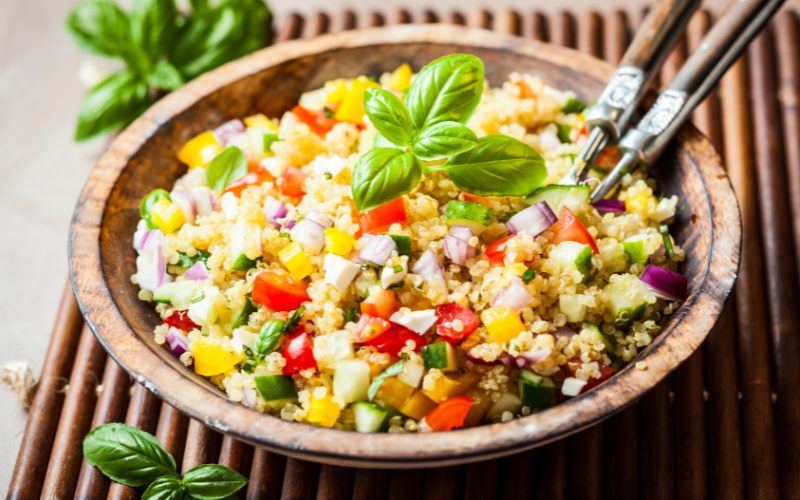
To inspire you, here is a simple and delicious recipe using raw foods:
Sprouted quinoa salad with crunchy vegetables
Ingredients:
- 1 cup of sprouted quinoa
- 1 cucumber, diced
- 1 red bell pepper, thinly sliced
- 1 carrot, grated
- 1/4 cup of sunflower seeds
- Juice of a lemon
- 2 tablespoons of extra virgin olive oil
- Sea salt and freshly ground black pepper, to taste
- Fresh herbs (parsley, cilantro, or mint), chopped
Instructions:
- In a large bowl, mix the sprouted quinoa with the chopped vegetables and sunflower seeds.
- In a small bowl, whisk the lemon juice with olive oil, salt, and pepper to create a light vinaigrette.
- Pour the dressing over the salad and mix gently.
- Add the fresh herbs and mix again.
- Let it rest for 10 minutes before serving to allow the flavors to blend.
This recipe is delicious and easy to prepare.
Digestive enzymes
Digestive enzymes are specialized proteins that act as biological catalysts, speeding up the chemical reactions that break down food into small molecules that are easily absorbable by our body.
There are several types of digestive enzymes, each specialized in breaking down specific nutrients. For example, theAmylases break down complex carbohydrates into simple sugars., Proteases attack proteins to transform them into amino acids., and Lipases break down fats into fatty acids and glycerol..
Foods containing enzymes
Here are some foods that contain enzymes and that you can easily incorporate into your daily diet:
- Mango: contains several enzymes, including amylase.
- Raw honey : Contains various enzymes, including amylase and invertase.
- Kiwi: contains actinidine, an enzyme that breaks down proteins.
Enzyme supplements: how to choose them
To choose and use quality enzyme supplements, follow these tips:
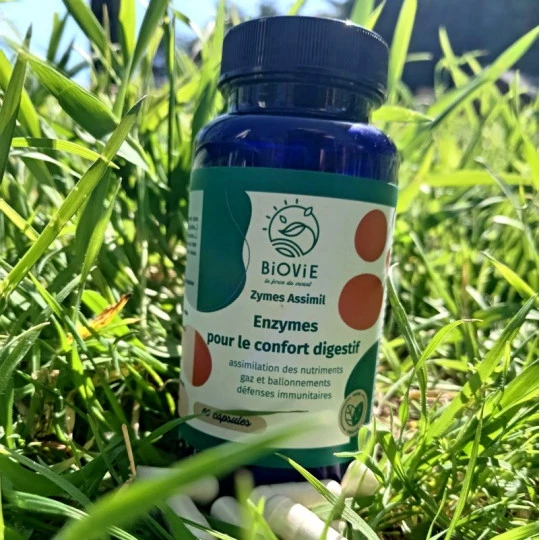
- Opt for products of natural origin: Favor enzymes derived from plant or fungal sources, like those we offer in our store in the Assimil Enzymes.
- Check the composition: Ensure that the supplement contains a variety of enzymes covering the main food groups (proteases, lipases, amylases).
- Respect the dosage: Follow the manufacturer's or your healthcare practitioner's recommendations to avoid any excess.
- Timing: Take the supplement just before or at the beginning of the meal according to the manufacturer's instructions.
- Dose: do not exceed the recommended daily dose.
- Quality and certification: Choose certified organic products made according to strict quality standards.
- Consultation: In case of doubt or a specific medical condition, consult a healthcare professional before starting enzyme supplementation.
Enzyme supplements do not replace a varied and balanced diet or a healthy lifestyle.
Hydration and mealtime
Water is present at every stage of a meal, from the mouth to the intestine.
It is therefore essential to ensure adequate hydration throughout the day. However, the question of whether or not to drink during meals is often debated. In the following section, we will examine the effects of drinking water during meals and offer recommendations for optimal hydration, in accordance with the principles of a living food and natural.
Drinking during meals: myth or reality ?
The question of whether to drink during meals often sparks debates. Let's examine the effects of drinking water during meals and offer recommendations for optimal hydration, in accordance with the principles of a living food and natural.
Contrary to popular belief, drinking moderately during meals does not have a significant negative effect on digestion for most people. However, it is important to find a balance and avoid excess.
Potential effects of drinking water during meals:
- Dilution of gastric juices: Excessive consumption of liquids could temporarily dilute gastric juices, but the stomach quickly adapts by secreting more acid to compensate.
- Facilitation of chewing: Drinking a little water can help moisten food, thus making chewing and the formation of the food bolus easier.
Recommendations for optimal hydration:
- Drink in moderation: If you choose to drink during meals, do so in moderation. Opt for small sips rather than large quantities.
- Prioritize water: Choose pure water instead of sugary or carbonated drinks that can disrupt digestion.
- Timing: Ideally, wait 15 to 30 minutes after a meal before drinking in larger quantities, to allow digestion to start properly.
- Listen to your body: Some people may feel discomfort when drinking during meals. In this case, it is better to drink before or after.
- Stay hydrated between meals: Make sure to drink enough water throughout the day to maintain good overall hydration.
- Consume foods rich in water: Incorporate raw fruits and vegetables into your meals, which will naturally contribute to your hydration.
By adopting these practices, you can manage your hydration over the course of meals. Remember that each individual is unique, and it is important to listen to your body's signals to find what suits you best.
Strategies for Better Hydration
Here are some effective strategies to improve your daily hydration, in accordance with the principles of a living and natural diet:
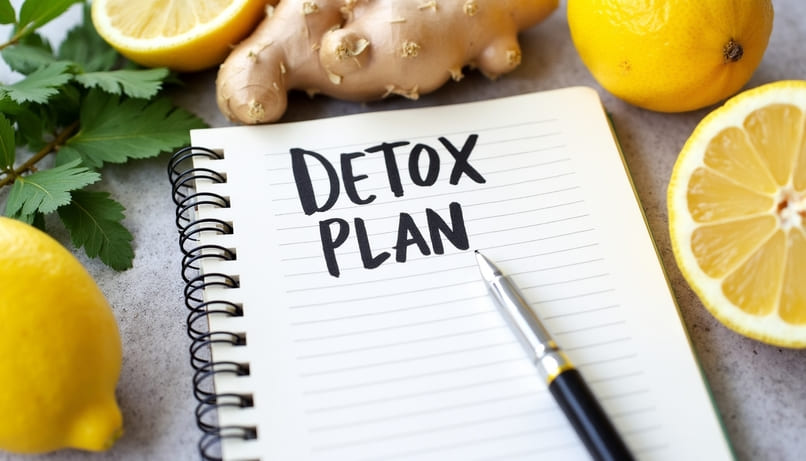
Start the day with a large glass of water: Drinking warm water with lemon upon waking helps to rehydrate the body after the night.
Use reminders: Set alarms on your phone or use a hydration tracking app to remind yourself to drink regularly.
Keep a reusable water bottle within reach: Having water visible and easily accessible will encourage you to drink more often.
Consume foods rich in water: Raw fruits and vegetables, such as cucumber, watermelon, or citrus fruits, contribute to your hydration while providing essential nutrients.
Infuse your water: Add fresh fruits, herbs, or Ginger to your water to make it more appealing.
Drink between meals: To avoid diluting gastric juices, focus your water consumption between meals rather than during them.
Opt for healthy alternatives to sugary drinks:
- Fresh coconut water : An option for hydration.
- Fresh vegetable juice: Prepare green or beetroot juices for nutritious hydration.
- Herbal infusions: Mint tea, chamomile, or rooibos are excellent caffeine-free options.
- Green smoothies: Blend green vegetables, fruits, and water for a hydrating and nourishing drink.
Monitor the color of your urine: Clear or pale yellow urine is a sign of good hydration.
Increase your water intake during physical activities or in hot weather.
At Biovie, we believe that hydration is part of a living and organic diet in everyday life.
Conclusion
Throughout this article, we explored a few simple habits around mealtime: from mindful chewing to hydration, including the integration of raw foods.
It is not just about what we eat, but also how we eat it.
We encourage you to gradually incorporate these habits into your daily routine. Start with small changes, such as taking the time to chew your food well or including more raw foods in your meals. Observe how your body reacts and adjust accordingly. Remember that each individual is unique, and what works for one may not be suitable for another.
Don't forget that living and organic food, like that offered by Biovie, gives a large place to raw and fermented foods. Continue to stay informed, experiment, and refine your approach to find what works best for you.
Your questions and our answers (FAQ)
Why take the time to chew?
Chewing is the first step of digestion. It helps reduce the size of food and increase its surface area for contact with digestive enzymes.
Should all our food be eaten raw?
Raw foods generally retain a higher enzymatic potential. However, some nutrients become more bioavailable after light cooking. Ideally, one should vary between raw and lightly cooked foods depending on your preferences.
Does drinking during meals harm digestion ?
Contrary to popular belief, drinking moderately during meals generally does not have a significant negative effect on digestion for most people. However, it is preferable to drink water rather than sugary or carbonated drinks, and to avoid excessive drinking to prevent overly diluting gastric juices.
The full range Freeze Dried Fruits
Enjoy the flavor and nutrients of exotic fruits, harvested at maturity in Vietnam and preserved while respecting the nutritional qualities of the fruit., 11 products
-35%

Freeze-dried durians - 200g
€9.95 €15.30
-20%

Freeze-dried bananas - 200g
€11.92 €14.90

Freeze-dried mangoes - 200g
€15.30
Scientific references
- Enders G. Gut: The Inside Story of Our Body's Most Underrated Organ. Greystone Books; 2015.
- Bischoff SC. 'Gut health': a new objective in medicine? BMC Med. 2011;9:24.


