Natural approaches to support artery health rest on three levers: an anti-inflammatory diet rich in living plants, a few targeted foods such as garlic, pomegranate or beetroot, and an active lifestyle. They never replace cardiology follow-up, but they help slow the process and protect the artery wall. It's an approach I've been teaching for more than thirty years as a naturopath.
Let's clarify one thing from the start. You cannot "unclog" an artery with a vegetable juice. What you can do is act on the causes: inflammation, oxidation of cholesterol, blood pressure, stress. And that's where living food has a lot to offer.
Video: chlorella, a precious microalga for cardiovascular health.
What is atherosclerosis?
Atherosclerosis is an artery disease characterised by the formation of atheroma plaques - a build-up of fats, cholesterol and other substances - on the inner wall of the arteries. These plaques narrow the vessel, reduce blood flow and increase the risk of angina, heart attack or stroke. It develops slowly, often over years, without any signs.
A word on vocabulary, because the two are constantly confused. Arteriosclerosis refers to the hardening and loss of flexibility of the arteries with age. Atherosclerosis is a specific form of it: the build-up of fatty plaques on the inside. The second makes the first worse.
Why does this form? It starts with a small lesion in the endothelium, the thin layer lining the inside of the arteries. Oxidised LDL infiltrates it, inflammation sets in, immune cells rush in. And the plaque grows. Understanding this mechanism changes everything: it shows where diet can act.
Symptoms and causes of atherosclerosis
The most troubling thing about atherosclerosis is its silence. For a long time, no symptoms at all. Signs only appear once the artery is already significantly narrowed, and they depend on the area affected.
Depending on the arteries involved:
Coronary arteries (heart): chest pain on exertion (angina), shortness of breath, and in severe cases, myocardial infarction.
Leg arteries: calf pain when walking that forces you to stop (known as peripheral artery disease), cold legs, wounds that heal poorly.
Carotid arteries (neck, brain): dizziness, temporary vision or speech disturbances, risk of stroke.
As for the causes, they are well identified. And the good news is that most of them depend on us:
Excess LDL cholesterol and an imbalance in dietary fats;
Smoking, which directly damages the endothelium;
High blood pressure and diabetes;
A sedentary lifestyle, excess weight, chronic stress;
An industrial diet, high in sugars and ultra-processed foods.
Getting rid of atherosclerosis: what does medicine offer?
To restore flow in a blocked artery, conventional medicine has several tools:
Thrombolysis, a drug treatment that dissolves clots;
Coronary artery bypass grafting, surgery that bypasses the narrowed section using a graft;
Angioplasty with stent placement.
The stent is a small metal spring a few millimetres long, inserted into the artery to keep it open, like a scaffold. It accompanies the vast majority of angioplasties today. These are techniques that save lives, and that's a very good thing.
The questions these treatments raise
That said, we're allowed to think it through. These technical feats repair the artery, but do they really treat the cause? As long as the factors that created the plaque remain in place, the underlying terrain doesn't change.
Having surgery doesn't give you new, flexible, intact vessels. It's a repair, not a cure for the terrain. According to the clinical work of Dr J.H. Tilden, respecting health factors should start many years before problems appear. That's the whole point of prevention.
To be clear, I'm not saying "it's your fault". We've all heard that guilt-inducing message, and it's unfair. Family environment, upbringing, advertising pressure, lack of time: mitigating circumstances exist. But one thing remains true: our body responds to biological laws. And those laws don't take excuses.
Whatever the disorder, the root causes usually fall into three families: toxins, deficiencies and excesses. Acting on them is exactly what a natural approach allows, alongside medical follow-up. A supervised fast or a digestive rest cure, for example, go in that direction.
Naturally dissolving atheroma plaques
Let's be honest about the wording. Fully removing an already-established plaque remains difficult, and science is cautious on this point. However, several studies show that it's possible to stabilise plaques, slow their progression, and sometimes reduce them by acting on inflammation and oxidation. That's already huge.
Here is the preventive naturopathic protocol I suggest, as part of a varied and balanced diet:
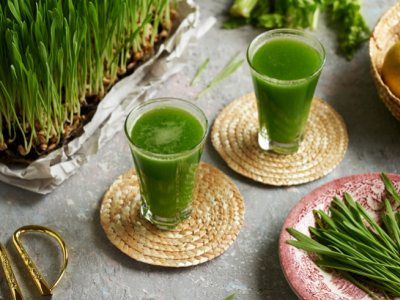
Fresh vegetable juices made with a juicer (carrots, cabbage family, leafy greens), to which you add a tablespoon of dehydrated barley grass juice powder (about 5 g).
A source of plant omega-3: a teaspoon of flaxseed oil (about 5 ml) every day, always cold, never heated.
Why flaxseed oil rather than another form? Because it's the plant champion of alpha-linolenic acid, this omega-3 precursor that contributes to normal heart function. We cover this in more detail in our guide to omega-3-rich foods.
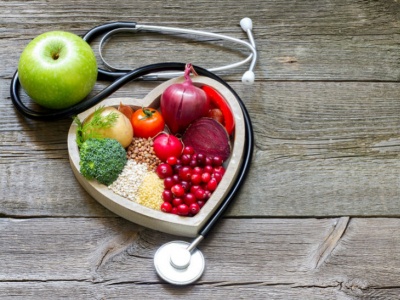
If inflammation is the engine of atherosclerosis, then your plate is your best lever. An anti-inflammatory diet acts upstream, on the terrain. In practice, here is what I recommend:
Strongly reduce, or even eliminate, alcohol.
Cut out snacking and limit sugar, whose excess promotes saturated fats that harm the arteries.
Favour organic, unrefined, seasonal, local foods.
Absolutely avoid fried food and industrial products (pastries, cakes, sweets).
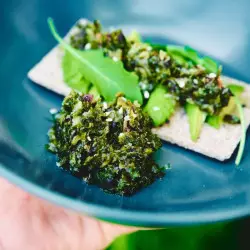
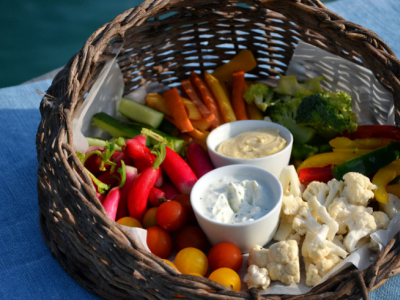
Eat something living every day: crunchy vegetables, sprouted seeds, young shoots, fresh juices, fresh seaweed.
Keep meat to a minimum.
Nothing revolutionary here. Just common sense, applied every day.
Garlic against atherosclerosis
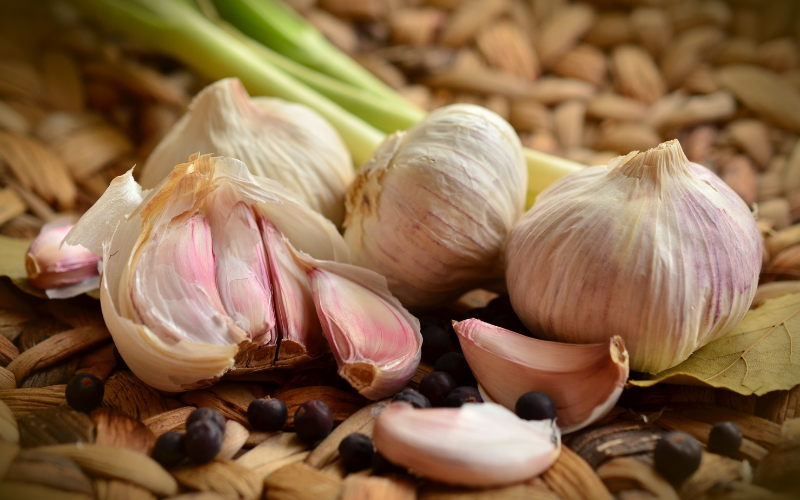
If you had to remember just one thing, it would be this one. Garlic has been used since antiquity, and modern research backs it up. It contains sulphur compounds, including allicin, with antioxidant and anti-inflammatory properties.
A study published in 2022 observed a drop in markers of inflammation and oxidative stress in atherosclerotic patients consuming garlic (clinical study, PMC 2022). Even more solid: a 2024 meta-analysis covering 108 trials and more than 7,000 participants looked at garlic's effect on lipid profile (total cholesterol, LDL, triglycerides and HDL) (meta-analysis, PubMed 2024).
One precaution, though, and it matters. Garlic has a mild blood-thinning effect. If you're on anticoagulants, or before surgery, talk to your doctor before consuming it in large amounts.
Can chlorella help?
Chlorella is a freshwater microalga rich in nutrients and antioxidants. Let's be clear: there's no solid scientific evidence that it acts specifically on atherosclerosis. I'd rather say it plainly.
However, some of its components may help with the associated risk factors. Some work suggests it plays a part in regulating blood cholesterol and that it has antioxidant and anti-inflammatory properties. Indirectly, then, it has a place in an overall approach. Not as a miracle cure: as a nutrient-dense food, among others.
If you'd like to add it to your routine, aim for 3 to 5 g a day (about a teaspoon) in a juice or smoothie. Our organic chlorella powder, with a broken cell wall, is the one we recommend for better absorption.
No drink "cleans" an artery the way you unclog a pipe - be wary of miracle claims. But some, very real ones, do help reduce risk factors. Here are my three favourites, and this time the science backs them up.
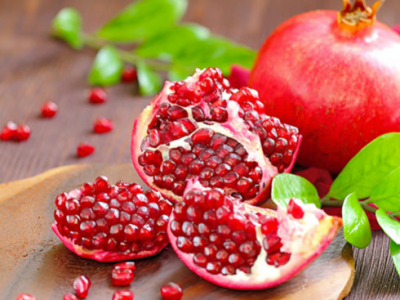
Pomegranate juice. Rich in antioxidant polyphenols, it was the subject of a notable trial: in patients followed for a year, daily consumption of pomegranate juice was associated with a reduction in carotid wall thickness and blood pressure (Aviram et al., 2004). Let's stay measured: a later trial did not confirm the effect in people at moderate risk (2009 trial). Promising, then, but not magic.
Beetroot juice. Rich in nitrates, it promotes the production of nitric oxide, which dilates blood vessels. A 2022 meta-analysis confirmed a drop in systolic pressure of around 3.5 mmHg (meta-analysis, 2022). Modest, but real.
Green tea. Its catechins are well-known antioxidants that help maintain a good lipid profile and normal blood pressure.
And morning lemon water? It doesn't dissolve plaques, let's be honest. But as a source of vitamin C and a hydration habit, it doesn't hurt. Personally, I mostly see it as a pleasant ritual.
Lifestyle advice
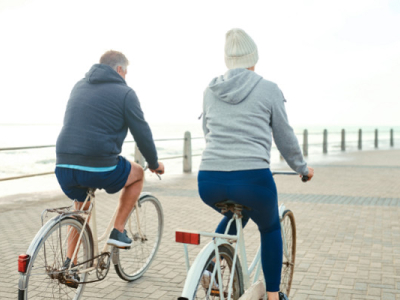
Diet isn't everything. Movement also protects the arteries - and it's free.
A few simple habits, worth their weight in gold:
A generous serving of tender and firm raw vegetables (without excess raw vegetables, which can irritate sensitive intestines), leafy greens and water-rich fruit.
Regular physical activity: walking, movement, body exercises. People who keep moving throughout their lives are rarely affected by arteriosclerosis.
In the morning, 2 to 4 minutes of dry skin brushing, to stimulate circulation.
A bit of jogging on the spot or breathing exercises that open up the chest.
Everyone at their own pace. What matters is consistency, not performance.
FAQ: your questions, our answers
What is atherosclerosis, in one sentence?
It's the build-up of fat and cholesterol plaques on the inner wall of the arteries, which narrows and hardens them, increasing the risk of heart attack and stroke.
How can you clean your arteries quickly?
There's no miracle or instant solution. What works best, over time, is quitting smoking and alcohol, cutting sugars and ultra-processed foods, adding garlic, omega-3s (flaxseed oil) and antioxidant plant foods, and moving every day. Consistency beats speed.
Can atheroma plaques shrink?
Making them disappear entirely remains difficult. However, by acting on inflammation, cholesterol and blood pressure, you can stabilise plaques, slow their progression and, in some cases, reduce them. That's the point of a comprehensive approach, both medical and dietary.
How do you know if you have atheroma plaques?
Atherosclerosis is silent for a long time. Only medical tests (lipid panel, doppler ultrasound, scan) can detect it. If you have chest pain on exertion, leg pain when walking, or risk factors, see a doctor.
Is it serious to have atheroma plaques?
It depends on their extent and location. Moderate, stable plaques that are properly monitored allow for a normal life. The risk comes from a plaque rupturing and forming a clot. Hence the importance of monitoring and prevention.
What foods should be avoided with atherosclerosis?
Fried foods, ultra-processed foods, excess sugar, trans fats and alcohol. These are what keep inflammation and bad cholesterol going.
Is chlorella effective against atherosclerosis?
No solid evidence demonstrates this specifically. But its richness in antioxidants and its possible action on cholesterol make it an interesting food within an overall approach, without expecting a targeted effect.
Does garlic really lower cholesterol?
Yes. A 2024 meta-analysis of more than 7,000 participants looked at garlic's effect on lipid profile (total cholesterol, LDL, triglycerides). Be careful, though, if you take anticoagulants: ask your doctor first.
Eric Darche is a naturopath, author and hygienist specialising in nutrition, founder of the ENHED school of naturopathy.
Biovie editorial note - Updated: June 2026. This article, written by our guest author Eric Darche, is published by Biovie, a specialist in living food since 2007. Our health content relies on verifiable scientific sources and a European compliance framework. To go further on microalgae, the Biovie team co-wrote "Seaweed in Everyday Life" (Gallimard, 2024).
Disclaimer: the information presented in this article is provided for informational purposes only and does not constitute medical advice. The natural approach comes as a complement, never a replacement, to cardiology follow-up. Consult a qualified healthcare professional before making any changes to your diet, and as part of a varied and balanced diet and a healthy lifestyle.