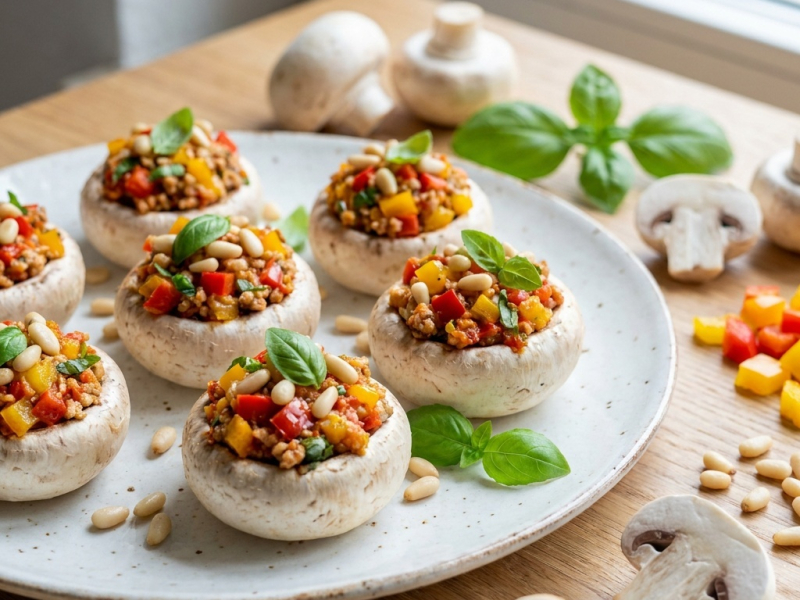



These very simple stuffed vegetables are just as good cold as lightly warmed in the dehydrator, and children especially love them. The walnut filling, blended with garlic, olive oil and basil, stays creamy and full of flavour, while the tamari marinade nicely livens up the mushrooms and tomatoes. Cut into quarters, they also fit easily into a lunch box.
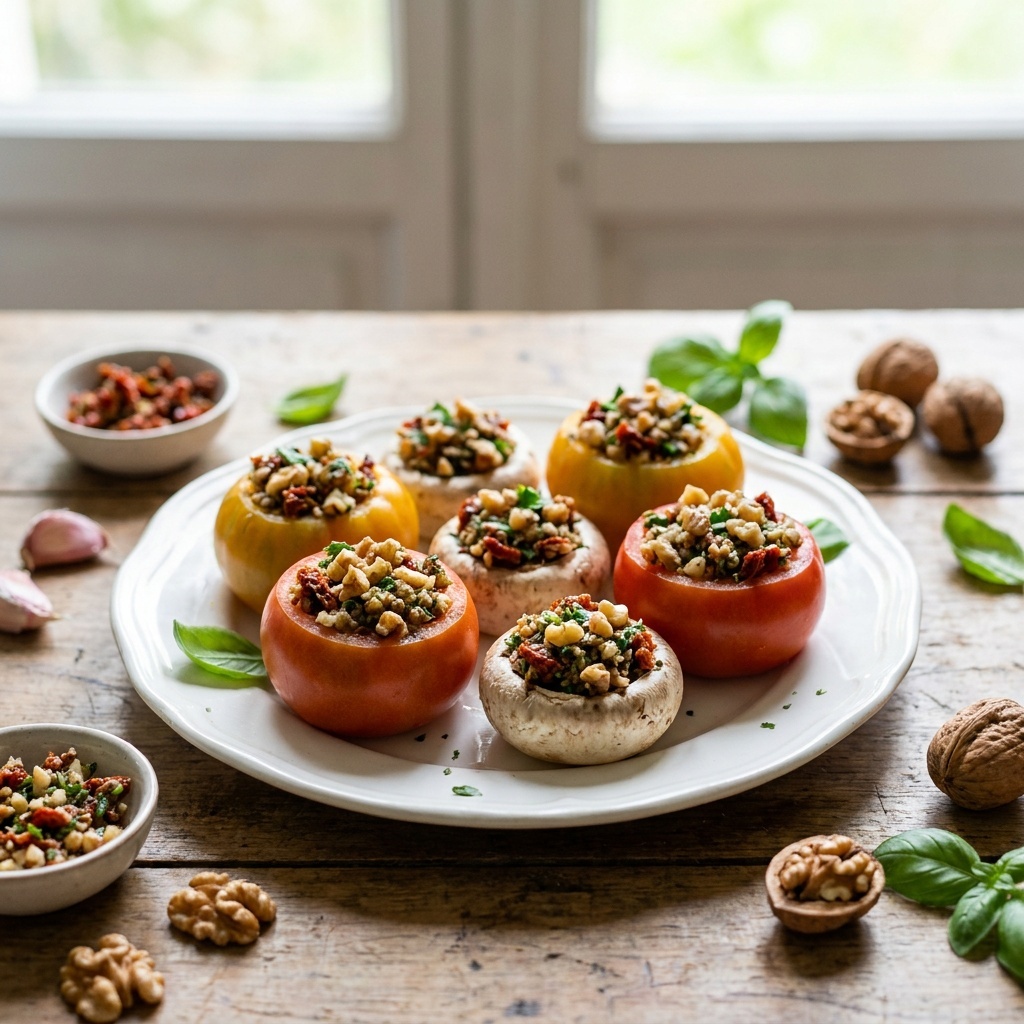
Raw stuffed tomatoes and mushrooms with a walnut and basil filling
Share this article
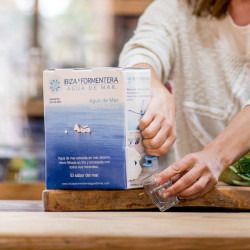
3L Microfiltered seawater
€13.90 In stock
Ingredients
- 5 to 6 small portobello mushrooms (or other large mushrooms of your choice)
- 2 large tomatoes
Filling
- 120 g walnuts
- 2 garlic cloves
- 2 to 3 tablespoons extra virgin olive oil
- 1 to 2 pinches of sea salt (or the equivalent of 1 tablespoon, 15 ml, of seawater)
- a handful of fresh basil (or 1 teaspoon dried basil)
Marinade
- 4 tablespoons tamari
- 2 tablespoons extra virgin olive oil
Method
- Mix the tamari and olive oil to make the marinade.
- Remove the mushroom stems and marinate the caps in part of the marinade.
- Cut the tops off the tomatoes and scoop out the pulp with a teaspoon. Marinate the hollowed-out tomatoes and their tops in the same way.
- Blend all the filling ingredients until smooth.
- Arrange the mushrooms and tomatoes in a dish, then fill them with the stuffing.
- Drizzle them with a little marinade. Enjoy them as they are, or place them in the dehydrator for about 2 hours at 46 °C maximum to warm them.
- Pour the rest of the marinade over the dish just before serving.
Tip
For children, cut the tomatoes into quarters and the mushrooms in half: easier to handle, they often go down better at the table. Do not throw away the mushroom stems or the tomato pulp: finely chopped, they enrich the filling or the next day's salad.
The full range Marine Plasma
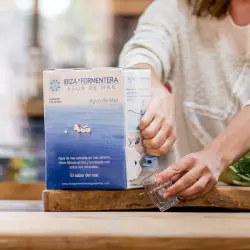
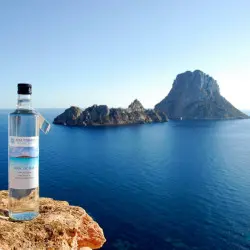
What is marine plasma ? So-called hypertonic marine plasma is simply seawater harvested and filtered under very specific conditions. Our supplier Ibiza Agua de Mar collects sea water from a depth of 25 meters off the coast of Ibiza in a UNESCO listed area. Concerning the harvest, here are the different physico-chemical parameters measured during the search for an optimal place for the harvest of hypertonic marine plasma, first on the radar with reading of the currents and according to the marine weather (wind, swell, rain. ..) and then by local measurement of these different parameters: taste of seawater, dissolved O2 level, PH level, redox level (ORP), salinity level (TDS), conductivity level ( PSU), alkalimetric title (TA), Pressure. It is the empirical practice of the harvesters and the reading of the various measuring instruments that makes it possible to decide on the best complex combination of these measures together to decide whether the harvest is triggered on the site or whether another location is sought. Where does marine plasma come from ? The marine plasma is collected in the high seas, off the coast of Ibiza, in a specific area classified as UNESCO with high planktonic activity and with a presence of tens of square kilometers of Posidonia. It is indeed in this specific area that lives the largest living organism listed on Earth, a posidonia herbarium of 80,000 to 200,000 years extending over 15 kilometers in length. Source: Sophie Arnaud-Haond, Carlos M. Duarte, Elena Diaz-Almela, Núria Marbà, Tomas Sintes, Ester A. Serrão: Implications of Extreme Life Span in Clonal Organisms: Millenary Clones in Meadows of the Threatened Seagrass Posidonia oceanica When is it best to take marine plasma ? The ideal is to consume marine plasma, which contains, let's remember, all the elements that make up Mendeleev's periodic table, in the morning when you get up, on an empty stomach. take 1/4 of hypertonic marine plasma to mix 3/4 of spring water or filtered water. What are the benefits of marine plasma ? Minerals are the "fuel" used primarily by our body, which is necessary for our cells to perform their functions optimally. They are also essential for the absorption of vitamins and are responsible for enzymatic processes in cells. Cells perform all their functions with maximum vitality and the precise capacity for organic, bioavailable, alkaline cellular nutrition. Thus, sea water becomes the best mineral drink since it contains all the elements of Mendeleev's periodic table. Another of the great benefits of seawater is its pH. As Otto Warbürg, father of cellular respiration and two-time Nobel laureate, said, “all diseases are acidic and where there is oxygen and alkalinity there can be no disease”. Due to the quality of our raw material, the hyper-oxygenated waters of Posidonia meadows (recognized by UNESCO as a World Heritage Site in 1999) and sea currents providing purity and clarity: Ibiza and Formentera Agua de Mar have an alkaline pH , between 8.1 and 8.4, which will help the body maintain a neutral pH through homeostasis. The ingestion of sea water is advised to control and maintain our PH, as well as an exceptional supplement for alkaline diets. The antioxidant and anti-acidity power produced by seawater is due to the alkalinity provided by the minerals. Drinking filtered seawater in a direct and controlled way is very beneficial for your health, because seawater is an excellent nutrient, containing most of the minerals of the periodic table and all of them dissolved in the best universal solvent available: l 'water. Seawater contains all the minerals of the periodic table of elements in a bioavailable way. It is thanks to this that foods cooked in seawater are rehydrated and remineralized to make foods with high nutritional power. The problem today is that our intake of minerals through food has dropped dramatically and what is causing this? The answer is very simple: pollution, soil depletion due to intensive agricultural production and our stressful pace of life have considerably reduced the quality of food and its mineral intake, drastically reducing the minimum contribution necessary for the proper functioning of the body. Seawater also helps us stay young, for a simple reason: the body regularly and cyclically regenerates all its cells, because their lifespan is limited in time. As we age, one of the first faculties the cell loses is the ability to hydrate. We know that the older we get, the less we drink, so drinking and ingesting seawater can help us "wake up" this ability to hydrate ourselves., 4 products
Discover the full range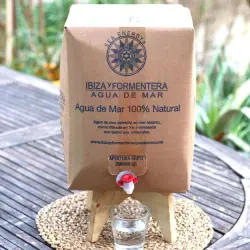
FAQ: your questions about raw stuffed tomatoes and mushrooms
What is the recipe for no-cook stuffed tomatoes?
Cut the tops off large, firm tomatoes, hollow them out with a teaspoon, then leave them upside down for a few minutes to drain. Marinate them in tamari and olive oil, then fill them with a raw stuffing: here, 120 g of walnuts blended with garlic, olive oil, basil and a little salt. Serve straight away, or place them in the dehydrator for 2 hours at 46 °C for a warm version.
How do you make a vegetarian stuffing?
A vegetarian stuffing relies on a base that binds and gives body: blended nuts or seeds, chopped mushrooms, vegetables, grains or pulses. For a raw version, walnuts are ideal: blended with garlic, olive oil, basil and salt, they form a creamy paste that holds well in a tomato or a mushroom cap. You can add the finely chopped mushroom stems or a little tomato pulp for extra softness.
What can you use instead of bread in a stuffing?
In a stuffing, bread mainly serves to bind the ingredients and absorb the juices. Blended nuts and seeds (walnuts, almonds, sunflower seeds) or ground flaxseed do this job very well, with no cooking at all. In this recipe, the 120 g of walnuts replace the bread and give a dense, creamy filling; if it seems too moist, add a tablespoon of ground flaxseed and leave it to rest for a few minutes.
Share this article
Related articles