









Ultra-filtered Marine Plasma Bottle 0.75 liters
Marine plasma harvested in the open sea, ultra-filtered
0.75L glass bottle
4
questions about the product
Price:
€17.90
Product availability:
In stock
Tax included


Ultra-filtered Marine Plasma Bottle 0.75 liters images


HYPERTONIC MARINE PLASMA FROM IBIZA
Sea water ultra-filtered at 0.01 micron, harvested in the open sea
THE STRENGTH OF THE SEA!
Equivalent to hypertonic Quinton® water in quality and process, this marine plasma is ultra-filtered sea water, packed in a glass bottle.
This sea water is ultra-filtered and then packed in a 0.75 L glass bottle to guarantee the highest possible quality.
🌊 The sea water is collected in the open sea in areas with a high concentration of plankton, then micro-filtered and ultra-filtered at 0.01 micron. Its pH is between 8.1 and 8.4.
🌊 How to use it?
Marine plasma is drunk in small amounts, neat (hypertonic) or diluted (isotonic).
• Hypertonic use : drink 30 mL in the morning on an empty stomach (undiluted). Hold the plasma in your mouth for a few seconds before swallowing.
> For the amount and the right time to take it: how to take marine plasma (the 20-second rule).
• As an isotonic drink : mix 1 part marine plasma with 3 parts mineral water (see the next paragraph). Drink 30 mL of this dilution in the morning, preferably on an empty stomach. For first-time use.
In the 2 cases, you can add the marine plasma to your vegetable juice or add a few drops of lemon juice to it.
⚠️ Precautions for use
Hypertonic marine plasma is not recommended in cases of high blood pressure or a salt-free diet. If you are pregnant or breastfeeding, or have hyperthyroidism or a heart condition, consult your doctor before use. People who have had an organ transplant must not consume marine plasma without prior medical advice. If in doubt, ask your doctor for advice.
🌊 How do you make isotonic marine plasma?
The formula for making isotonic marine plasma (= marine plasma at the same concentration as blood plasma) from Ibiza & Formentera hypertonic marine plasma is as follows:
mix 1/4 hypertonic marine plasma + 3/4 spring water.
For example, for 1 L of isotonic plasma = 250 mL hypertonic + 750 mL spring water
Blood plasma contains around 9 g/L of mineral salts, sea water around 36 g/L: it is this 1 to 4 ratio that defines the isotonic dilution.
We recommend keeping your isotonic water in a bottle in the fridge for 24 h only.
> To find out more, read our blog article: Isotonic or hypertonic marine plasma: what are the differences?
🌊 How is this sea water harvested?
The company Ibiza & Formentera Agua de Mar was founded by Alfonso and David. They pay very close attention to the quality of this sea water and respect the biological and subtle phenomena of the water as much as possible, so as to keep all of its trace elements and minerals intact.
Harvesting sea water for the bottled plasma is very rigorous. Before collection, analyses are carried out with probes to make sure the water meets the expected parameters; Alfonso and David even taste a sample directly!
Harvesting in the open sea far from beaches and heavily populated areas, collection at between 15 and 25 m in areas where the minimum depth varies between 40 and 100 m and where the plankton concentration is at its highest (mainly in the vortices created by the confluence of several sea currents), no harvesting in summer when it is too hot... these are just some of the very precise parameters they follow for every harvest.
The water is then micro-filtered at between 4 and 5 °C (when its density is at its best), then ultra-filtered (0.01 microns) and finally left to rest before being bottled.
Very thorough checks are carried out on every batch to guarantee water free from pollutants, hydrocarbons, micro-plastics, heavy metals and pathogens.
> Meet the 2 founders of Ibiza & Formentera Agua de Mar and see for yourself how the harvest takes place in the video below:
🌊 Where is this sea water harvested?
The islands of Ibiza and Formentera were not chosen at random for harvesting marine plasma. It is important that the water comes from the Mediterranean Sea, as it is the only ecosystem that combines these advantages:
- Posidonia seagrass meadows (oxygen production and CO2 capture), listed as a UNESCO World Heritage site since 1999
- Natura 2000 protected areas and "marine protected areas"
- very restrictive regulations (products used and traffic)
- no nuclear pollution
Harvesting takes place mainly on the west coast of the island of Ibiza, the area richest in Posidonia meadows, plankton and therefore marine life, and where the sea currents keep the sea water perfectly clean.
> Eric Viard explains in detail why each of these parameters matters in this video:
> Also read our blog article: Marine plasma: Mediterranean or Atlantic?
🌊 What are the differences between the bottle, the BIB and Quinton® water?
This is one of the questions we get asked most often. Here is a quick comparison:
BIB (Bag-In-Box)
• Micro-filtration 0.22 micron
• Cold filtration
• Harvested at a depth of 5 m
0.75 L glass bottle
• Micro-filtered then ultra-filtered at 0.01 micron
• Cold filtration
• Harvested at a depth of 25 m with very precise tests BEFORE harvesting
The René Quinton process is a registered patent. It uses double filtration under very controlled conditions and more than 100 parameters are assessed after harvesting. It therefore requires a specific certification to be able to use this name.
Ibiza & Formentera bottled marine plasma, with its ultra-filtration at 0.01 micron, is the one that uses the same process. Its final quality is identical and it can therefore be used in the same way as Quinton® water.
🌊 What are the differences between bottled marine plasma and ampoules of hypertonic or isotonic plasma?
There are two major differences:
- The price, 10 times lower : our ultra-filtered marine plasma in a glass bottle costs around €22 per litre, whereas ampoules of hypertonic marine plasma or Quinton® plasma ampoules come to around €220 per litre, i.e. 10 times more expensive! The more complex distribution chain (distributor, reseller, retailer...) and higher manufacturing costs explain this difference. The product is perfectly equivalent, or even superior in the case of the Ibiza marine plasma, which is harvested by boat with many parameters measured at every harvest.
- Heating : ampoules pass in front of several rows of giant Bunsen burners to be heat-sealed, and are therefore necessarily heated. Our bottled sea water is cold-sterilised, at below 6 °C.
Example of an ampoule manufacturing process in the video below:
🌊 What our customers think
"I really like getting my sea water from them, infinitely cheaper than ampoules!"
- Vanessa B. ⭐⭐⭐⭐⭐
Composition of hypertonic marine plasma
Composition: 100% Mediterranean sea water (islands of Ibiza and Formentera), micro-filtered then ultra-filtered at 0.01 micron, around 36 g/L of dissolved salts, pH between 8.1 and 8.4. No added ingredients.
> To find out more about sea water and marine plasma, watch this video by Eric Viard:
In the kitchen, sea water lifts and improves the taste of many foods without masking their authentic flavour. It can replace ordinary salt (sodium chloride) in your preparations. You can also use our hypertonic plasma in your lacto-fermented vegetable recipes!
Find more details on its culinary use in our blog articles:
- Which salt should you use for lacto-fermentation?
- Lacto-fermentation with marine plasma
🌊 SEA WATER CANNOT BE MANUFACTURED
Sea water has such a varied chemical composition that it cannot be synthesised artificially. What exactly does that mean?
Sea water cannot be manufactured, because it contains many elements in trace amounts that make any "industrial" or "home-made" synthesis unconvincing. Such a mixture is simply salty water.
The salt we can buy does not contain all the mineral salts and trace elements already dissolved in sea water. Most commercial salt loses a large part of the components found in sea water during processing, drying and refining, leaving only sodium and chlorine. Not to mention the additives some brands add.
So ordinary salt, even of marine origin, is nothing like sea water: it is simply sodium chloride (NaCl).
IBIZA & FORMENTERA AGUA DE MAR
HARVESTING MARINE PLASMA BY BOAT
Our suppliers in Ibiza harvest sea water by boat under the best possible conditions, close to the recommendations of René Quinton. As far as we know, and unless proven otherwise, only five companies in the world harvest this way by boat (the others collect from the coast). They also use the most advanced technologies for "sensitive" water analysis, being the representatives in Spain of the Masaru Emoto foundation and the only ones in Spain to own a dark-field microscope.
As for the process: the water is collected at the right moment in the open sea, in an area between 40 and 200 metres deep; collection takes place at between 15 and 25 metres deep, in areas favoured for the great stability of their mineral composition and rich in marine biological activity (the vortices that concentrate plankton).
> To find out more, we have made an explanatory video about harvesting sea water and the different processes used to obtain bottled marine plasma and Bag-In-Box marine plasma:
After meeting our suppliers, we were very surprised by the different sea water harvesting practices that exist around the world. We look for the best international suppliers for all our products and we travel all over the world to see how they work, and when something does not suit us, we impose our own specifications so that quality is optimal.
According to our information, many European companies pump water from harbours, beaches, the coast, sea water desalination units or even inland saline wells.
Our supplier harvests hypertonic marine plasma by boat in areas where plankton activity is at its peak and where the Posidonia meadows provide excellent oxygenation. That said, harvesting in a vortex, which is the icing on the cake, is not 100% guaranteed; it may be partial or even absent when the boat arrives in these areas of very intense marine life. The reason is a practical one: vortices vary in duration, are short-lived and random, so they do not allow water to be harvested for very long or in very large volumes. The arguments you may come across here and there about harvesting in vortices from the shore (not by boat) deserve close scrutiny...
> Our suppliers also use four methods for analysing water quality:
- Water crystals (Masaru Emoto)
- Dark-field microscopy
- Mora therapy (Jean Marie Danze)
- Bio-Well technology (Korotov)
Here is a very simple question to ask your usual marine plasma supplier to see things more clearly:
"How and under what conditions is your sea water collected, and do you have photos or videos of your boats and your harvests?"
The best-quality marine plasma must be harvested at particular sites in the presence of high concentrations of plankton (blooms), which appear spontaneously after a few days of fine, windless weather and in certain seasons (not in summer, when the water is too warm), in specific places where sea currents meet and favour the formation of moving vortices (like cyclones).
Vortices and plankton blooms are natural, short-lived phenomena that occur in certain places only when these particular conditions come together. You have to be in the right place at the right time. A boat seems to me to be the only serious way to harvest like this.
You will always find lots of information about the location, the processing of the sea water and its many uses from the companies that sell it; I have never seen a single photo or video of a harvesting boat, and the exact, precise details of the harvest are very rarely mentioned, even though for me these are the key and essential points.
As anISTOM engineer and co-founder of Biovie since 2007, these are always the points that interest me first and foremost: sourcing of the highest possible quality. After more than 33 years of living, vegan food, I only put forward what I eat myself every day. I personally visit every supplier to check the harvesting and production conditions. That is the case for Ibiza & Formentera Agua de Mar marine plasma: I went there, I met Alfonso and David, I saw the boats.
> To go further on the transparency of our sources, read our article: Where to buy Quinton® water?
Best before: 30/05/2028
- Best before : 3 years after the production date
- Volume : 0.75 L (glass bottle)
- Packaging : The sea water is packed in a glass bottle.
- Storage : at room temperature, in a cool, dry place. Keeps for 3 weeks after opening.
- Origin : Mediterranean Sea, islands of Ibiza & Formentera (Spain)
- Process : Ultra-filtration at 0.01 micron - the process closest to René Quinton's
Frequently asked questions about hypertonic marine plasma
How do you use hypertonic marine plasma?
Hypertonic use (undiluted): 30 mL in the morning on an empty stomach, holding it in your mouth for a few seconds before swallowing. Isotonic use (diluted): mix 1 part hypertonic marine plasma with 3 parts spring water, i.e. 250 mL hypertonic with 750 mL water (= 1 L isotonic). Drink 30 mL of this dilution in the morning on an empty stomach. If in doubt, ask your doctor for advice.
Are there any precautions for use with hypertonic marine plasma?
Hypertonic marine plasma is not recommended in cases of high blood pressure or a salt-free diet. If you are pregnant or breastfeeding, or have hyperthyroidism or a heart condition, consult your doctor before use. People who have had an organ transplant must not consume marine plasma without prior medical advice.
What is the difference between isotonic and hypertonic marine plasma?
Hypertonic marine plasma is the concentrated form of sea water (around 36 g/L of dissolved salts). Isotonic is obtained by diluting the hypertonic (1 part to 3 parts water), which brings it down to the concentration of blood plasma (around 9 g/L). It is milder and suitable for first-time use. To find out more: Isotonic or hypertonic marine plasma: all the differences.
What is the difference between bottled marine plasma and Quinton® ampoules?
Ibiza & Formentera bottled marine plasma uses the same ultra-filtration at 0.01 micron as the René Quinton process, cold-sterilised (below 6 °C). Quinton® ampoules are heated by Bunsen burners when they are sealed. The decisive advantage: the bottle costs around 10 times less than ampoules for identical, or even superior, quality.
Updated: June 2026. Page approved by Éric Viard, founder of Biovie and ISTOMengineer, co-author of Algues au quotidien (Gallimard, 2024) - Best Cookbook in the World, Gourmand Cookbook Awards 2025, and Best Cookbook in France, Académie Nationale de Cuisine 2025.
The information presented on this page is provided for information purposes only and does not constitute medical advice. Consult a qualified health professional before making any change to your diet or supplementation. As part of a varied and balanced diet and a healthy lifestyle.
Wondering… ?
Everything you need to know before ordering.
Hi, follow up to my previous question... I was researching more and looking at your Bag in a Box option. It looks like that doesn't have the shelf life problem because no oxygen can get into the bag so you can use it slowly over time. The difference is it isn't as filtered and it isn't from the depth. So the health benefits aren't quite as high but still pretty high and it's very similar to the bottle? Is that correct? I'm wondering if the best option would be to buy one of both and start out on the bag in a box, for myself and my family members, then we can also go slow and see how it agrees with us, then open the bottle once we feel good about higher doses and know we can go through the bottle in 3 weeks (100 isotonic doses). Does that sound like a good plan? I'm trying to figure out a plan that's economical since I'm in the US and the shipping is significant. Thank you!
Hello,
Thank you for your follow-up. You have understood the main differences very well, with just one point we would clarify.
The Bag-in-Box and the 750 ml glass bottle contain marine plasma from the same producer and the same area around Ibiza, but the harvesting and filtration processes are different.
The Bag-in-Box:
is collected at approximately 5 m depth
is cold micro-filtered at 0.22 micron
is particularly convenient for everyday use, cooking and preparing isotonic marine plasma.
The 750 ml glass bottle:
is collected at approximately 25 m depth
undergoes micro-filtration followed by a much finer 0.01 micron ultrafiltration
is collected under more precisely controlled conditions, with numerous parameters checked according to a process comparable to the René Quinton method.
We would not, however, say that the Bag-in-Box necessarily provides significantly fewer “health benefits”. Its final quality is very similar, according to our supplier information; the main difference is the more stringent harvesting and filtration process used for the glass-bottled version.
You are also correct about the advantage of the Bag-in-Box for slow consumption. As the liquid is dispensed, the inner bag collapses without allowing air to enter, greatly limiting oxidation and the risk of contamination after opening. This makes it much more practical when you only use small quantities at a time. The stated best-before date remains 3 years from production.
So, considering that you are ordering from the US and shipping represents a significant part of your cost, buying a Bag-in-Box together with one 750 ml bottle is indeed a sensible option.
You could use the Bag-in-Box first for yourself and your family and prepare small amounts of isotonic plasma as needed. The usual dilution is 1 part hypertonic marine plasma to 3 parts spring water. Once diluted, we recommend preparing only what you need and keeping the isotonic preparation refrigerated for no more than 24 hours.
You could then keep the 750 ml glass bottle unopened until you know that you will use it quickly enough after opening.
We would just make one distinction regarding your idea of gradually moving to “higher doses”: there is no need to increase the amount simply because you move from the Bag-in-Box to the glass bottle. Both can be used to prepare isotonic marine plasma in exactly the same 1:3 dilution. The bottle represents a different level of filtration and harvesting control, rather than a product that requires a higher intake.
For regular consumption by several family members, individual circumstances should also be taken into account, particularly for anyone with hypertension, kidney or heart problems, or a medically prescribed low-sodium diet. In those situations, medical advice is recommended before regular use.
So yes: for your situation, starting with the Bag-in-Box while keeping the glass bottle sealed for later sounds like a practical and economical approach.
Kind regards,
The Biovie Team
I'm very interested in trying the marine plasma. I had been looking at the ampoules but then saw your site. The extensive info is great!
My question is, on the 750ml bottle, it says that it only keeps for 3 weeks in the fridge?? But based on the recommended dosing schedule for isotonic there's no way I'd use the bottle in three weeks, or even in many months!
I'm trying to figure out what to do....
My question is, on the 750ml bottle, it says that it only keeps for 3 weeks in the fridge?? But based on the recommended dosing schedule for isotonic there's no way I'd use the bottle in three weeks, or even in many months!
I'm trying to figure out what to do....
Hello,
Thank you for your message and for your interest in our marine plasma!
You are right to take the storage time into consideration when choosing the 750 ml bottle. Once opened, the product should be kept refrigerated and consumed within the recommended period. If your intended daily intake is quite small, the 750 ml format may therefore not be the most suitable option for you.
The larger bottles are particularly convenient for people taking larger daily quantities or when several people in the household use the product. For occasional or low-dose use, ampoules or smaller individual formats are generally more practical, as they avoid having an opened bottle for too long.
We would not recommend keeping an opened 750 ml bottle for several months, even refrigerated, simply to match a low daily intake.
If you let us know approximately how much isotonic marine plasma you are planning to take per day, we can also help you work out which format would be the most economical and practical for your intended use. Please send us email directly at sav@biovie.fr
Kind regards,
The Biovie Team
The difference between the 0.75 litre in glass bottle and 3 litres in dispenser box?
How much is the shipping for the glass bottle to the UK?
How much is the shipping for the 3 litres in a dispenser box to the UK ?
Thanks,
Claudine
How much is the shipping for the glass bottle to the UK?
How much is the shipping for the 3 litres in a dispenser box to the UK ?
Thanks,
Claudine
Hello, the difference between the two packages lies in the filtration and the depth of harvest, do not hesitate to read the detailed product sheets. You can find out the price of shipping costs by simulating an order on the store
Do you sell Marine Plasma drink like Rene Quinton? Do you deliver to the UK?
Hello, the bottle of marine plasma is harvested in conditions close to that of René Quinton as indicated on the product sheet. We deliver in Europe.
Question about the product
Ask a question
These products may
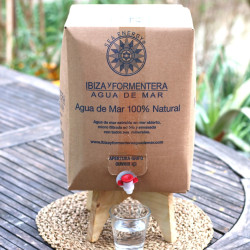
15L Microfiltered seawater
€47.90
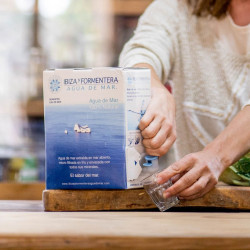
3L Microfiltered seawater
€13.90
Wild Algae from Klamath Lake
€39.90