






In a world where health and sustainability are at the heart of concerns, the plant proteins emerge as a promising alternative to animal proteins. Long considered inferior in terms of assimilability, recent research (see references at the bottom of the article) reveals that plant proteins can not only compete with their animal counterparts, but they also offer significant ecological and health benefits, thereby contributing to prevent a protein deficiency. .
Indeed, a diet rich in diverse plant-based proteins can provide all the essential amino acids necessary for the body, thereby reducing the risk of protein deficiency and promoting better overall health.
A myth to debunk: The assimilation of plant proteins
Historically, plant-based proteins have been perceived as less assimilable than animal-based proteins. This idea is based on amino acid composition and digestibility. However, recent studies show that when consumed as part of a varied and balanced diet, plant-based proteins provide high nutritional quality, including all essential amino acids, and are well assimilated by the body.
People often talk about the combination of legumes and cereals, which provides a perfect amino acid profile.
The nutritional benefits of plant-based proteins
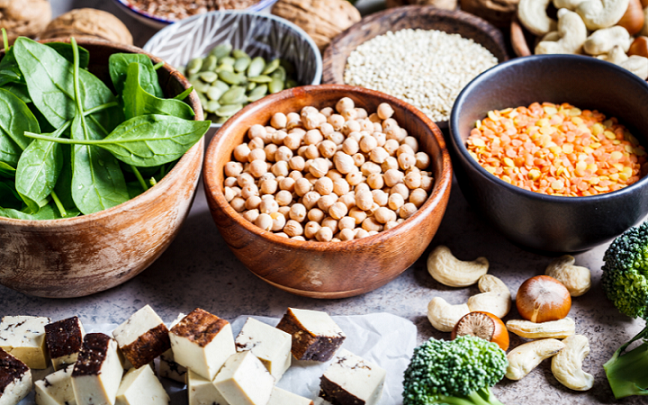
Plant proteins, found in legumes, cereals, nuts, and seeds, offer much more than just protein consumption. They are also rich in fiber, vitamins, and minerals, contributing to better digestive health and blood sugar regulation. The antioxidants and unsaturated fats they contain help reduce the risk of chronic diseases.
Impact on health and the environment
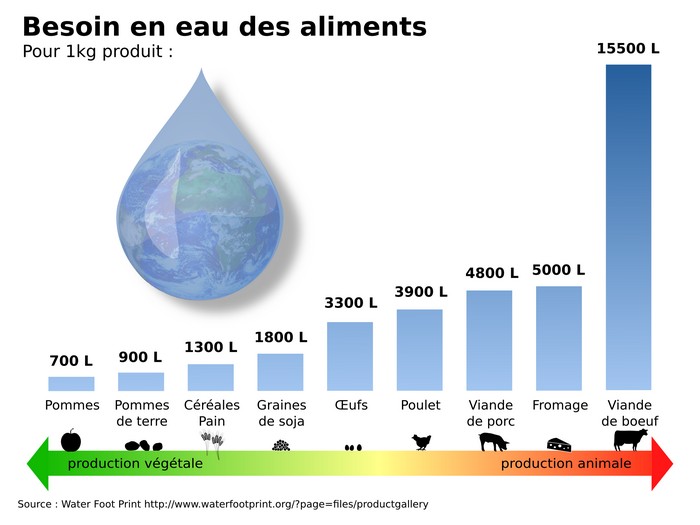
One of the major advantages of plant-based proteins lies in their low environmental impact. The production of plant protein requires less land, water, and generates fewer greenhouse gases compared to animal farming.
In terms of health, they are associated with a reduction in metabolic waste, which decreases the burden on the digestive and renal systems.
Integration of plant-based proteins into daily diet
Incorporating plant-based proteins into your daily diet is simple and beneficial. Foods such as lentils, chickpeas, quinoa, Tofu and almonds can easily replace animal protein sources in many dishes, while still providing essential energy intake.
Moreover, food innovation has led to the creation of plant-based meat substitutes that mimic texture and taste, making the transition even more accessible.
Different types of plant-based proteins:
Here are some of the most common types of plant-based proteins:
-
Soy It is one of the most complete sources of plant-based proteins. It is rich in essential amino acids and is used to make a variety of soy-based products such as tofu, tempeh, soy milk, miso, and soy juice, although the latter is less concentrated in protein compared to other soy-based products.
-
Wheat Wheat protein is often used in bakery products and pasta. It is also known as wheat gluten. It is used to make seitan, a plant-based meat substitute.
-
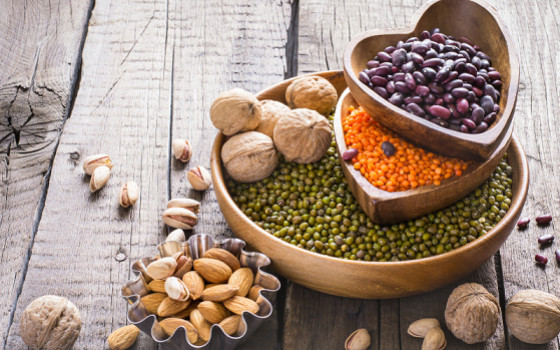
Legumes Peas, lentils, beans (such as: black beans, red beans, pinto beans or mung beans) are all rich in protein and form an important basis for a plant-based diet.
-
Quinoa Quinoa is a complete grain that contains all essential amino acids, making it an excellent source of protein for a vegan and vegetarian diet.
- Hemp "The" hemp seeds They are rich in proteins and omega-3 and omega-6 fatty acids. They can be consumed in the form of whole seeds, protein powder, or hemp milk.
- Rice Brown rice, in particular, contains decent amounts of protein. Brown rice is often consumed as a source of carbohydrates but also contains protein.
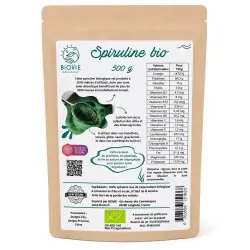
- Spirulina Spirulina is a microalga that is very rich in proteins. It is often consumed in the form of powder or tablets due to its high nutrient content.
- Nuts and seeds Almonds, cashews, pumpkin seeds, sunflower seeds, and other nuts and seeds also contain a fairly significant amount of protein.
These types of plant proteins can be used individually or combined in diets to ensure an adequate intake of proteins and essential amino acids.

Recommended amounts of plant protein per day
When it comes to determining the recommended amounts of plant protein per day, several factors need to be taken into account, notably age, body weight and physical activity level. In general, the recommended daily protein intake for an adult is around 0.8 grams per kilogram of body weight.
Plant protein sources such as kidney beans, red lentils, and oats are excellent options for those looking for a 100% vegetarian diet. For example, one cup of cooked red lentils provides about 18 grams of protein, while kidney beans provide nearly 15 grams per cup.
Here are some good sources of plant protein:
- Hemp seeds: 10 grams per 3 tablespoons
- Chia seeds: 4 grams per tablespoon
- Flax seeds: 5 grams per tablespoon
For pregnant women or athletes, needs may be higher due to the body's increased demands. It's always recommended to consult a healthcare professional to determine precise needs based on your personal situation.
Best sources of plant protein
Incorporating plant protein into a balanced diet is essential, especially for those looking to reduce or eliminate their consumption of animal-derived products. Plant proteins don't just provide the building blocks the human body needs, they also support a healthy and sustainable diet. Here is a list of the best sources of plant protein.
Legumes: beans, lentils and chickpeas
Legumes are recognised as an excellent source of protein. Red and black beans provide about 15 and 15.5 grams of protein per cup respectively. Red lentils, meanwhile, offer 18 grams of protein per cooked cup. Chickpeas are also worth mentioning, with about 14.5 grams per cup. These healthy foods, rich in fibre and low in fat, are perfect for a balanced diet.
Spirulina
Spirulina is a blue-green microalgae recognised as an excellent source of plant protein. Made up of about 60-70% complete protein, it contains a good content of essential amino acids needed for the body to function properly. Easily digestible, rich in iron, vitamins (notably B12) and antioxidants, it's particularly popular with vegetarians, vegans and athletes. This versatile superfood fits easily into a daily diet as powder, tablets, or added to smoothies and healthy recipes.
Seeds: chia, flax and sesame
Chia, flax and sesame seeds are small nutritional wonders, rich in plant protein and essential amino acids. Chia seeds offer a complete protein source while being rich in fibre and omega-3s. Flax seeds, meanwhile, stand out for their high content of lignans and essential fatty acids, ideal for cardiovascular health. Finally, sesame seeds, with their unique amino acid profile including methionine, are also rich in calcium and antioxidants. Versatile, they're easy to add to salads, smoothies, or baking.
Tiger nuts
Tiger nuts, also known as chufa, are a naturally sweet tuber rich in plant protein. Beyond their protein content, they're an excellent source of fibre, magnesium and potassium, contributing to good digestion and optimal cardiovascular health. Gluten-free and highly nutritious, tiger nuts suit vegetarian, vegan or allergen-free diets perfectly. Their mild flavour and crunchy texture make them an ideal ingredient for snacks, plant-based milks, or as a healthy alternative in sweet or savoury recipes.
Breakfast recipe: Tiger nut flakes are a great alternative to industrial cereals and mueslis. They're eaten the same way as oat flakes: ideal for a hearty, protein-rich porridge. And if you don't have time to make your own, we've got you covered with our tiger nut mueslis with cocoa or white mulberry and rosehip:
Sprouted seeds
Sprouted seeds, such as cress and alfalfa, are little nutritional powerhouses. Sprouting increases their nutrient content, particularly enzymes, vitamins, minerals, and essential amino acids, while keeping them easy to digest. Rich in fibre and low in calories, they're ideal for rounding out a healthy, balanced diet. Versatile, they fit easily into salads, sandwiches, or as a garnish, adding crunch, freshness and nutritional benefits.
See our full range in the Sprouting seeds section.
Quinoa
Quinoa is a highly nutritious pseudo-cereal recognised as an excellent source of plant protein. Unique among plants, it contains all the essential amino acids, making it a complete protein. Naturally gluten-free, quinoa is also rich in fibre, iron, magnesium and antioxidants. Versatile and easy to cook, it can be used as a base in salads, hot dishes or as a side, offering a healthy, balanced option for vegetarians, vegans, and anyone mindful of their health.
Easy meal recipe: Make a delicious Mexican-style quinoa!
In a bowl, mix:
- 3 cups of sprouted quinoa (= 1 cup of dry quinoa)
- 1 cup of fresh corn
- 1/2 cup of chopped red onion
- 1/2 cup of minced shallot
- 1/2 cup of diced red pepper
- 1/2 cup of chopped fresh coriander. Add seasoning of your choice and enjoy!
Nori sheets
Nori sheets are an excellent source of plant protein and essential nutrients. They contain all the essential amino acids, as well as being rich in iodine, vitamins (notably A, C and B12) and minerals such as iron. Light and tasty, they're also low in calories, making them an ideal ingredient for a healthy, balanced diet. Versatile, they can be used to make wraps or as a crunchy topping on hot dishes or salads.
Cashew nuts
Cashew nuts are a delicious source of plant protein, prized for their well-rounded nutrient content. They contain essential amino acids, as well as healthy fats, fibre, magnesium, iron and antioxidants. With their creamy texture and mild flavour, cashews are ideal as a snack, for enriching dishes, or as a base for plant-based preparations such as sauces, cheeses or desserts. Versatile and filling, they're a valuable asset for a balanced diet.
Working a variety of these sources into your diet can ensure an appropriate intake of plant protein, supporting a healthy and balanced lifestyle.
Animal proteins vs. plant proteins:
Animal proteins:
-
Amino acid complex Animal proteins provide a complete set of essential amino acids, which means they contain all the amino acids necessary for the human body in adequate amounts.
-
High bioavailability Animal proteins have very good bioavailability, which means they are more easily absorbed and utilized by the body.
-
Rich in vitamins and minerals Animal proteins, particularly lean meats, fish, and dairy products, contain significant amounts of vitamin B12, iron, zinc, and other essential micronutrients.
-
Cholesterol and saturated fats Some sources of animal protein, such as fatty meats and high-fat dairy products, can contain high levels of cholesterol and saturated fats, which can be harmful to cardiovascular health when consumed in large quantities.
Plant proteins:
-
Variety of amino acids : Plant proteins can provide a wide range of amino acids, but some sources may be deficient in one or more essential amino acids. However, by combining different plant sources, it is possible to achieve a complete amino acid profile.
-
Low in saturated fat and cholesterol Plant-based proteins are naturally low in saturated fats and contain no cholesterol, making them a healthier choice for cardiovascular health.
-
Rich in fiber and phytonutrients Sources of plant-based proteins, such as legumes, whole grains, nuts, and seeds, are often rich in dietary fiber, antioxidants, and other phytonutrients beneficial for health.
-
Less environmental contamination Plant-based proteins are generally less likely to contain environmental contaminants such as heavy metals or antibiotics, which can sometimes be present in animal sources.
In conclusion, although animal proteins can offer a complete amino acid profile and better bioavailability, plant proteins present several advantages in terms of cardiovascular health, reducing the risks of chronic diseases, and having a lower environmental impact. It is therefore recommended to incorporate plant proteins into one's diet to promote long-term health and combat the adverse effects of climate change.
Plant proteins in raw food: An underrated nutritional asset
Raw food, which emphasizes the consumption of uncooked or minimally processed foods, offers a unique perspective on plant-based proteins. In this context, the sprouted seeds, Nuts, soaked and sprouted legumes, as well as certain algae, are prime sources of protein. These raw foods not only retain their full protein content but also a broader range of essential nutrients, such as enzymes, vitamins, and minerals, which are often altered by cooking.
Furthermore, a raw diet facilitates the assimilation and digestion of plant proteins, making their amino acids more available to the body. Adopting plant proteins in a raw diet can therefore contribute to better overall health, while offering a rich and diverse culinary experience.
This approach also aligns with the principles of sustainability and environmental respect, strengthening the argument in favor of a plant-based diet.