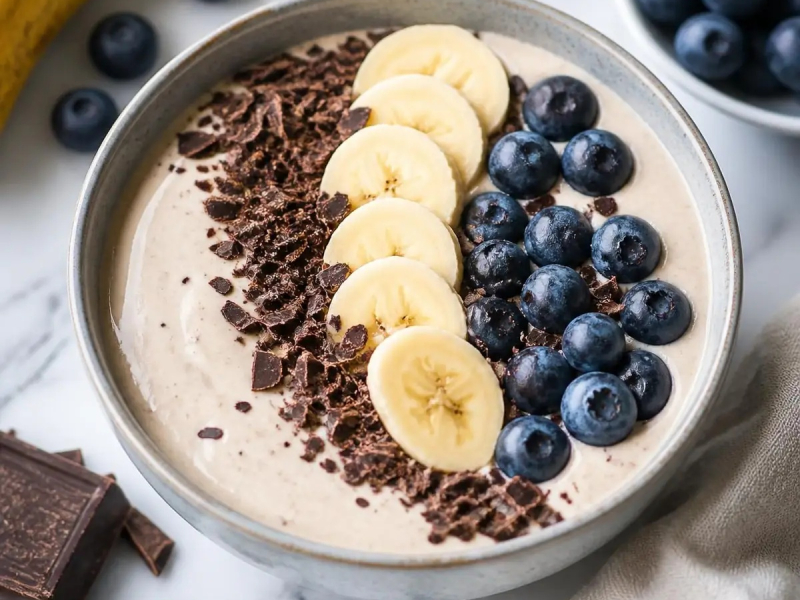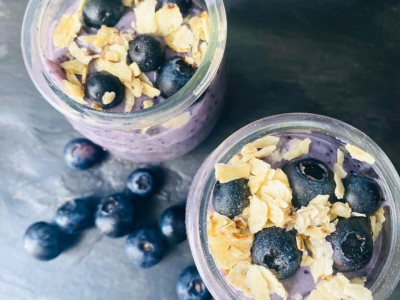



This rich, silky coconut butter takes on a lovely purple hue thanks to the blueberries, with no added sugar at all: the natural sweetness of the fruit, lifted by a touch of stevia if you like, does all the work. Easy to spread or to eat by the spoonful, it comes together in minutes, as long as you have a little patience while the desiccated coconut turns into a perfectly smooth butter.
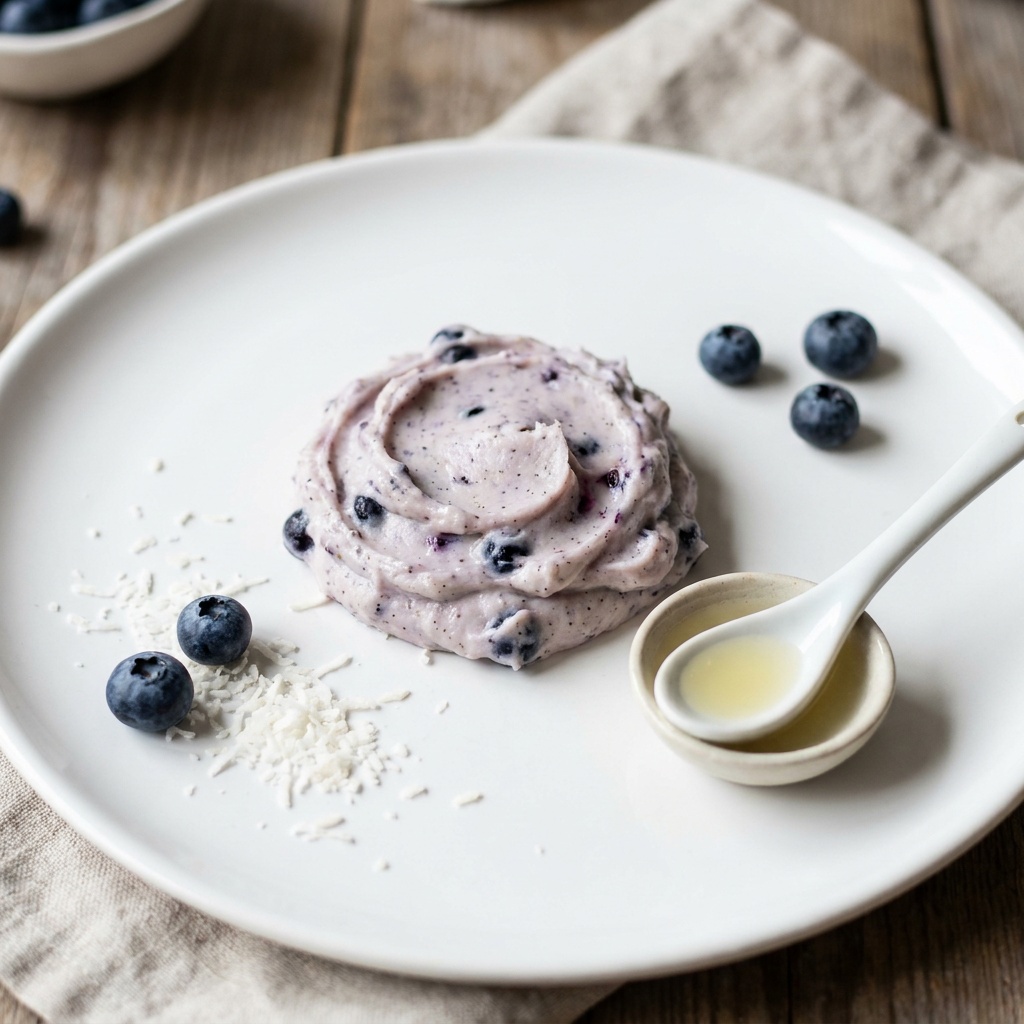
Blueberry and vanilla coconut butter
Share this article
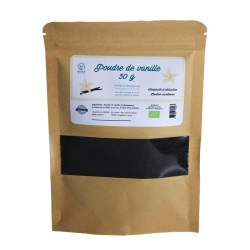
Organic Bourbon vanilla powder 30g
€20.90 In stock
Ingredients
- 3 cups unsweetened desiccated coconut
- 1 cup fresh blueberries (or frozen and thawed), organic if possible
- 1 tsp lemon juice
- 1/2 tsp vanilla extract (or a pinch of vanilla powder)
- 1/8 tsp sea salt
- 1 sachet of stevia, or 1 tbsp of another sweetener, optional
Preparation
- Blend the desiccated coconut in a high-speed blender or food processor until it turns perfectly smooth and creamy, like a butter: allow about one minute in a high-speed blender, five to ten minutes in a food processor, scraping down the sides now and then.
- Once you have coconut butter, add the blueberries, lemon juice, vanilla and salt, then blend again until completely smooth.
- Taste, add the sweetener if you would like it sweeter, then blend one last time.
- Transfer to a clean glass jar for storage.
Tip
This butter keeps for two days at room temperature; beyond that, store it in the fridge and take it out half an hour before serving so it regains its melting texture.
The full range Plant-based oils and spices
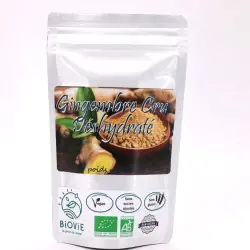
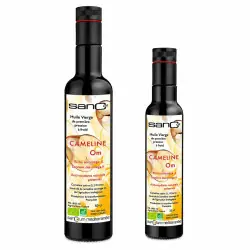
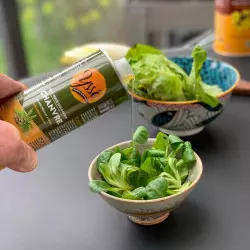
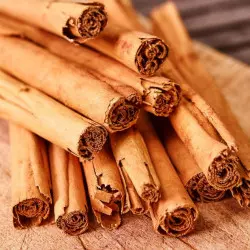
First cold-pressed virgin oils (camelina, flax, hemp) and organic spices dried below 42 °C make up this range: turmeric, ginger, Ceylon cinnamon (lower in coumarin than the Cassia sold commercially) and Bourbon vanilla. In cooking, turmeric pairs well with black pepper and a fat. Camelina or flax: camelina keeps better, while flax, with its stronger taste, oxidises faster once opened., 11 products
FAQ: your questions about coconut butter
What are the benefits of coconut butter?
Coconut butter is the whole coconut turned into a paste: unlike the oil, it keeps the flesh, and therefore the fibre and part of the fruit's minerals. You will find manganese, copper, a little iron, and above all fibre, which slows down how the fats are taken up. Its wealth of medium-chain fatty acids gives it a texture that melts in the mouth and a satisfying quality that is welcome at breakfast. It remains a rich, dense food: one or two teaspoons are plenty to enjoy it.
Is coconut oil better than butter?
These are two different products, and the question cannot be settled in a word. Coconut oil is a pure fat, pressed from the flesh: it contains neither fibre nor protein. Coconut butter is the whole flesh blended, so it is far more complete nutritionally. Compared with dairy butter, coconut has the advantage of being plant-based and of keeping at room temperature, but it is still rich in saturated fats. In raw cuisine, coconut butter is above all useful because it holds on its own: it firms up in the cold and binds a preparation without anything else being added.
Is coconut fat good for you?
Opinions differ, and it is better to say so plainly. Coconut fat is close to 90 % saturated fatty acids, which sets it apart among plant fats. A good half of that is lauric acid, whose metabolism differs from that of animal fats, without research having settled the question of its long-term effects. In practice, coconut behaves like any other fat: it has its place in a varied diet, in reasonable amounts, alongside other sources of good fats such as nuts, flax seeds or olive oil.
Share this article
Related articles