

Summary
Introduction: Where are we ?
Welcome to this second part dedicated to managing your functional colopathy ! !
If you arrive directly here, I highly recommend starting with the part 1, where I explain in detail:
- What functional colopathy really is and its mechanisms
- Why classic detoxes are catastrophic for IBS
- The 3 Pillars of a Gentle Detox Suitable for Irritable Bowel
- The gentle detox protocol in 3 phases (6 weeks)
In this part 2, we will delve into the practical aspects and maintenance strategies:
- Thespecific diet for functional colopathy
- Theliving food and how to integrate it gradually
- The digestive enzymes : your best ally
- The Quinton marine plasma to support remineralization
- The long-term maintenance of your improvements
- The frequent errors to avoid absolutely
- A Complete FAQ to answer all your questions
Let's go !
Diet for functional colopathy: what really works
TheDiet for functional colopathy, it is the most important and complex subject. Because each person with IBS has their own dietary triggers. What works for one person may worsen the symptoms for another.
But there are still general principles that work for the majority of people. Here is what you need to know.
Foods to prioritize for your functional colopathy
1. Well-tolerated proteins
- Firm tofu : Good source of plant proteins. Tempeh is OK too, but it is higher in fiber, so it should be introduced gradually.
- Tempeh: Fermentation improves the digestibility of soy proteins. It should be consumed in small quantities at first, as it is higher in fiber.
- Plant-based yogurts: Based on coconut or soy derived from soy protein (and not whole soy), without added sugars or additives. They provide a good protein and digestive support.
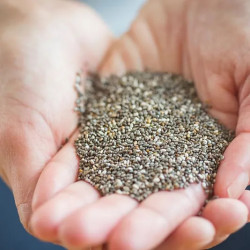
- Seeds and oilseeds well tolerated: Chia seeds, pumpkin seeds, sunflower seeds, peanut butter (1 tablespoon). They provide complementary proteins as well as anti-inflammatory fatty acids, without irritating the intestine when consumed in appropriate quantities.
2. Well-tolerated starches
- White rice and brown rice : Very digestible. White rice is easier at first.
- Quinoa : Pseudo-cereal rich in protein. Rinse well before cooking to remove saponins (which can be irritating).
- Potatoes and sweet potatoes : Excellent sources of carbohydrates Complex. Well-cooked, they are very digestible.
- Pasta gluten-free (rice, quinoa, buckwheat): If you are sensitive to gluten. Favor cooking al dente.
- Gluten-free sourdough bread : The sourdough pre-digests the carbohydrates, making it more tolerable than regular bread.
3. Well-tolerated cooked vegetables
- Cooked carrots : Gentle on the intestines, rich in beta-carotene
- Zucchinis : Very digestible, rich in water
- Squashes (butternut, potimarron): Sweet, anti-inflammatory
- Cooked spinach : Rich in magnesium (good for spasms)
- Green beans : Soft fibers, well tolerated
- Eggplants : Rich in soluble fibers (well-cooked)
- Cooked peppers : Rich in vitamin C (be careful, some may not tolerate them well – test)
Important: Always prioritize vegetables cookies, never believed at first. Cooking makes the fibers more digestible.
4. Fruits well tolerated (low in fructose)
- Ripe bananas : Rich in potassium, gentle on the intestines
- Blueberries : Antioxidant, anti-inflammatory
- Strawberries (max 10 per day): Rich in vitamin C
- Kiwis (1 per day): Facilitate transit
- Oranges (1/2 per day): Vitamin C
- Pineapple : Contains bromelain (natural digestive enzyme)
- Papaya : Contains papain (digestive enzyme)
5. Anti-inflammatory fats
- Extra virgin olive oil : Anti-inflammatory, good for the microbiome
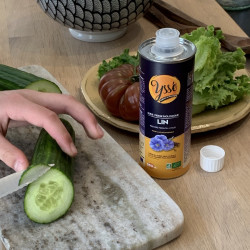
- Linseed oil (only cold): Rich in omega-3
- Coconut oil : Antibacterial (in small quantity)
- Lawyer (1/4 to 1/2 per meal): Rich in soluble fibers and healthy fats
6. Seeds and nuts (to be introduced gradually)
- Ground flaxseeds : Omega-3 + gentle fibers
- Chia seeds soaked : Soluble fibers + omega-3
- Pumpkin seeds : Zinc (good for intestinal immunity)
- Almonds (max 10 per day): Magnesium + fibers
- Nut (max 5 per day): Omega-3
Important: Soak seeds and nuts overnight before consumption to eliminate anti-nutrients (phytic acid) and facilitate digestion.

Irritable intestines foods to avoid: the complete list
Now, here is the list of foods that cause problems for most people with functional colopathy. Attention, this list is not absolute. Some of these foods may be tolerated by certain people. But in general, it is better to avoid them, at least at the beginning.
1. Dairy products (lactose + casein)
- Highly concentrated or processed plant-based milks: Soy milks made from whole beans, thick oat milks, cashew milks.
- Fresh cream : Fats + lactose
- Highly processed industrial plant-based cheeses
- Sweetened or flavored plant-based yogurts: Versions containing added sugars, flavors, or sweeteners are more likely to cause digestive discomfort.
2. Gluten (wheat, barley, rye)
- Classic bread : Gluten + FODMAPs (fructans)
- Wheat pasta : Gluten
- Pastries, baked goods : Gluten + sugars + saturated fats
- Cereals from the breakfast(except those without gluten)
Why ? Even without celiac disease, many people with IBS have non-celiac gluten sensitivity (NCGS). Gluten can increase intestinal permeability and worsen inflammation.
3. Legumes (rich in FODMAPs)
- Lentils (green, coral, brown)
- Chickpeas
- Red beans, white beans, black beans
- Beans
- Split peas
Why ? They contain oligosaccharides (GOS) that ferment in the colon. If you want to reintroduce them, soak them for 12-24 hours, discard the soaking water, then let them sprout for at least 24 hours before cooking them thoroughly, and start with very small quantities (2-3 tablespoons).
4. Cabbages and cruciferous vegetables
- Cauliflower
- Broccoli
- Brussels sprouts
- Green cabbage, red cabbage
- Kale cabbage
Why ? Rich in sulfur and FODMAPs. They create a lot of gas and bloating. If you want to try them, opt for them very well-cooked and in small quantities.
5. Onions, garlic, leeks, shallots
These foods are among the worst triggers for IBS. They are extremely rich in fructans (a type of FODMAP). Even in small amounts, they can trigger severe symptoms in many people.
Alternatives: Use garlic oil (the oil does not contain FODMAPs, just the flavor), or dried garlic in very small amounts, or chives (just the green part).
6. Fruits high in fructose
- Apples : Very rich in fructose and sorbitol
- Pears : Same
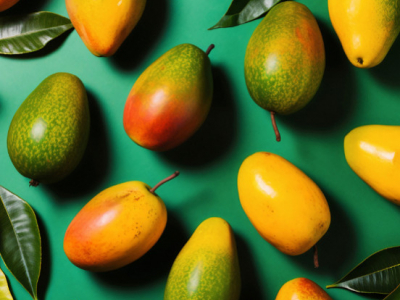
- Mangoes : High fructose
- Cherries : Sorbitol
- Watermelon : Fructose and polyols
- Apricots, peaches, plums : Sorbitol
Why ? Excess fructose is poorly absorbed in the small intestine and ferments in the colon. Sorbitol (a polyol) has a laxative effect.
7. Artificial sweeteners (polyols)
- Sorbitol (code E420)
- Xylitol (code E967)
- Mannitol (code E421)
- Maltitol (code E965)
Present in chewing gums, "sugar-free" candies, diet sodas, etc. They have a strong laxative effect and cause bloating.
8. Mushrooms
Rich in polyols and difficult to digest. To be avoided at first.
9. Ultra-processed foods
- Industrial prepared meals : Additives, emulsifiers, thickeners that disrupt the microbiome
- Fritters : Saturated fats difficult to digest
- Fast food : Cocktail of everything to avoid
10. Alcohol and caffeine
- Alcohol : Irritates the intestinal mucosa, disrupts the microbiota, worsens intestinal permeability
- Coffee : Stimulates intestinal contractions (may worsen diarrhea), acidifies
- Black tea : Caffeine + irritating tannins
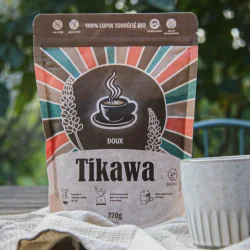
If you cannot do without coffee, limit yourself to ONE cup per day, after a meal, never on an empty stomach. Or switch to Lupin coffee Tikawa.
Examples of meals suitable for irritable bowel syndrome
Here are some concrete examples of meals to give you ideas. These menus adhere to low-FODMAP and anti-inflammatory principles.
Breakfast option 1:
- Quinoa (or rice) flake porridge cooked in almond milk
- 1/2 well-ripened mashed banana
- 1 tablespoon of ground flaxseeds
- 5 blueberries
- 1 teaspoon of honey (optional)
- Chamomile tea
Breakfast option 2:
- 1 slice of gluten-free sourdough bread, toasted
- 1/4 oflawyer crushed with salt and pepper
- A few cherry tomatoes cooked in the pan
- Ginger infusion
Lunch:
- White basmati rice (150g cooked)
- Steamed zucchini and carrots, seasoned with olive oil
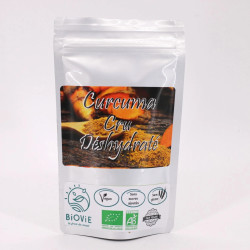
- 1 teaspoon of Turmeric + black pepper on the vegetables
- Peppermint tea
Dinner:
- Rice noodles (80g dry)
- Homemade tomato sauce (cooked tomatoes, olive oil, basil, salt)
- Spinach sautéed in olive oil
- Lemon balm tea
Allowed snacks:
- 1 very ripe banana
- 10 blueberries or strawberries
- 10 soaked almonds
- 1 square of 85% dark chocolate (max 2 squares)
- Homemade apple compote (peeled, well-cooked)
Here you go. You now have a solid foundation to build your diet tailored to the functional colopathy. But I want to talk to you about a complementary approach that can really make a difference: living food.
Living food: a surprising ally for IBS
When we talk about raw food, many people immediately think of green juices, raw kale salads, and detox smoothies. And they say to themselves, "That will never work for my irritable bowel!"
And they are right... if we approach theliving food in a harsh and unsuitable manner. But if introduced intelligently and gradually, a raw food diet can be a powerful tool to improve your functional colopathy.
Why a raw food diet can help your functional colopathy
Theliving food, what exactly is it? Are they foods? uncooked (or cooked at less than 42°C) that retain their natural enzymes, their vitamins, and their Vital energy. This includes:
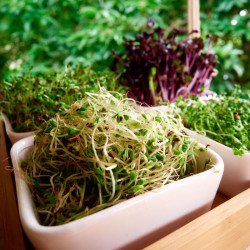
- The sprouted seeds(alfalfa, broccoli, radish, sprouted lentils, etc.)
- The Raw vegetables (but not just any, we'll see)
- The raw fruits
- The vegetable juice (fresh, not industrial)
- The algae (spirulina, chlorella at first then seaweed)
- The soaked/activated nuts and seeds
- The lacto-fermented foods (raw sauerkraut, kefir, miso)
Why is it interesting for the IT system ?
1. Natural digestive enzymes
Living foods contain their own digestive enzymes. For example, pineapple contains bromelain, papaya contains papain, and sprouted seeds have an explosion of various enzymes. These enzymes help pre-digest the food, which reduces the workload of your digestive system.
That's exactly what you need with a irritable bowel syndrome : less work for your intestine = less fermentation = fewer symptoms.
2. The maximum bioavailability of nutrients
Cooking destroys some of the vitamins (especially vitamin C and B vitamins) and alters the structure of minerals. Raw foods, on the other hand, have a maximum bioavailability. Your body absorbs nutrients better.
When you have IBS, you are often in Malabsorption : your intestines do not absorb nutrients well. Living foods, rich in enzymes and highly bioavailable, partially compensate for this problem.
3. Support for the microbiota
Sprouted seeds, raw vegetables, and fermented foods are rich in prebiotics and probiotics natural. They nourish your good bacteria and help to rebalance your intestinal flora.
And unlike probiotic supplements (which provide only a few strains), fermented foods contain a incredible diversity bacterial strains.
4. The alkalinization of the soil
Many modern foods (refined sugars, grains ...) are acidifiers for the organism. This acidity can worsen intestinal inflammation.
Living foods (especially green vegetables, sprouted seeds, algae) are alkalizing. They help restore the acid-base balance, which reduces inflammation.
Digestive enzymes and IBS: valuable support for functional bowel disorder
I have already mentioned several times the digestive enzymesIn this article. This is because they are really, really important for managing the functional colopathy. It is one of the most underestimated yet most effective tools.
Let me explain to you why and how to use them correctly.
How digestive enzymes work
The digestive enzymes, These are proteins that accelerate the chemical reactions of digestion. They "break down" large food molecules (proteins, carbohydrates, lipids) into small molecules that can be absorbed by the small intestine.
Your body naturally produces enzymes:
- In the saliva : Salivary amylase (digests starch)
- In the stomach : Pepsin (digests proteins)
- In the pancreas : Amylases, proteases, lipases (digest carbohydrates, proteins, fats)
- In the small intestine : Lactase, sucrase, maltase (digest sugars)
The problem is that when you have a irritable bowel syndrome, your enzyme production may be insufficient or unbalanced. Why ?
- Stress Chronic : Stress reduces the production ofdigestive enzymes
- Intestinal inflammation : The inflamed intestinal mucosa produces fewer enzymes
- Dysbiosis : Some pathogenic bacteria produce toxins that inhibit enzymes.
- Age : The production of enzymes decreases with age
- Modern food : Poor in natural enzymes (everything is cooked, pasteurized, processed)
Result: you digest poorly. The partially digested foods reach the colon where they ferment. Hello bloating, gas, pain, diarrhea.
By bringing some digestive enzymes as a supplement, you compensate for this deficit. You help your body digest better beforehand, which drastically reduces fermentation in the colon.
How to choose your digestive enzymes for functional colopathy
Not all digestive enzyme supplements are created equal. Here's what to look for:
1. A broad spectrum of enzymes
Your supplement must contain at least:
- Proteases : To digest plant proteins (legumes)
- Amylases : To digest carbohydrates/starches (rice, bread, pasta, potatoes)
- Lipases : To digest fats (oil, butter, avocado, nuts)
Ideally, it should also contain:
- Lactase : To digest the lactose (if you still consume dairy products)
- Cellulase : To digest cellulose (plant fibers)
- Beta-glucanase : To digest beta-glucans (fibers from oats, barley)
- Invertase : To digest sucrose (table sugar)
- Papain and bromelain : Proteolytic enzymes derived from papaya and pineapple
2. Of plant origin rather than animal origin
There are two types of digestive enzymes:
- Animal-derived enzymes (pancreatin, pepsin): Extracted from the pancreas or stomach of pigs or cattle. They function within a narrow pH range (rather acidic for the stomach).
- Plant-based enzymes (derived from mushrooms such as Aspergillus or fruits like papaya): They operate within a wide pH range (from the stomach to the small intestine).
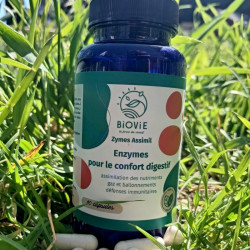
For the SII, prioritize the plant-based enzymes. They are softer, more versatile, and suitable for vegetarians/vegans. At Biovie, our enzyme complex is 100% plant-based and formulated for sensitive digestion.
3. Without irritating additives
Check that the product does not contain:
- Gluten
- Lactose
- Soybean
- Artificial colorings
- Artificial sweeteners
- Excess magnesium stearate (may cause irritation)
4. Adjusted dosage
Enzymes are measured in activity units, not in milligrams. Look for:
- Proteases : At least 40,000 HUT (Hemoglobin Unit on the Tyrosine basis)
- Amylases : At least 10,000 DU (Dextrinizing Units)
- Lipases : At least 2,000 FIP (International Pharmaceutical Federation)
Recommended dosage for IBS:
- Take 1 to 2 capsules at the beginning of each main meal (lunch and dinner)
- Start with 1 capsule for 3-4 days to test tolerance.
- Increase to 2 capsules if necessary (meals rich in proteins or fats)
- Take with the first bites, not after the meal
Duration of supplementation:
Ideally, take digestive enzymes during at least 3 months, the time it takes for your digestion to improve and your intestinal lining to heal. After that, you can either continue with maintenance (1 capsule per day) or gradually stop.
Some people with severe IBS benefit from long-term supplementation. It's a tool, not a crutch. The ultimate goal is for your body to regain its ability to digest properly.
Expected effects:
In general, the effects are felt quickly:
- Reduction of post-meal bloating (from the very first days)
- Less gas
- Better-formed stools
- Less feelings of heaviness, of "blockage"
- Best energy (because you absorb nutrients better)
If you do not feel any effects after 2-3 weeks, it is either because the dosage is insufficient, the product is not of good quality, or enzymes are not your main issue (rare, but possible).
Marine plasma: a support for your gentle intestinal detox
I want to tell you about another tool that I discovered a few years ago and that really made a difference for me (and for Aurélie too): the marine plasma.
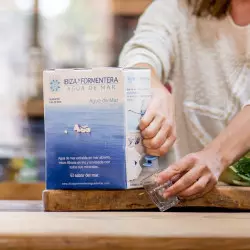
The marine plasma, it's from thesea water collected from specific areas (planktonic vortices), cold-filtered, and brought to isotonicity (the same mineral concentration as our blood plasma). René Quinton, a French biologist from the early 20th century, discovered that this sea water had a mineral composition almost identical to our internal environment.
Why is it interesting for the gentle intestinal detox and the SII ?
1. Deep remineralization
Marine plasma contains more than 78 minerals and trace elements in perfectly balanced proportions. When you have IBS with frequent diarrhea, you lose a lot of minerals (magnesium, potassium, sodium, zinc). Seawater helps to quickly make up for these deficiencies.
2. Support for cellular detoxification
Marine plasma minerals facilitate exchanges at the cellular membrane level. They help your cells eliminate metabolic waste and regenerate. It's a gentle cellular detox, not a harsh one.
3. Rebalancing of the land
Thesea water helps restore the body's acid-base and electrolyte balance. This is particularly useful during a detox, where the body mobilizes a lot of toxins and can become unbalanced.
How to use it for the SII:
- Isotonic seawater : Identical concentration to blood plasma. The gentlest. Recommended for sensitive conditions (therefore perfect for IBS).
- Dosage : 1 ampoule (10ml) in the morning on an empty stomach, under the tongue (hold for 1-2 minutes before swallowing), or diluted in a small glass of water.
- Cure : 20 days per month, for 2-3 months. 10-day break between each month.
- Moment : During phases 2 and 3 of your gentle detox protocol (starting from week 3).
Marine plasma is not a miracle supplement. But it is an excellent background support which strengthens your body during detox and aids in cellular regeneration.
Long-term maintenance: how to preserve the benefits of your detox
You have followed the gentle 6-week detox protocol. Your symptoms of functional colopathy have significantly improved. You feel better. Congratulations !
But now, how to do it maintain these improvements In the long term? Because IBS is a chronic condition. It doesn't disappear overnight. A maintenance strategy needs to be adopted.
Here are the pillars of long-term maintenance:
1. Adopt a "80/20" low-FODMAP diet
You do not need to follow a strict low-FODMAP diet for life. In fact, it is even discouraged (too much restriction = risk of deficiencies and depletion of the microbiome).
The "80/20" approach:
- 80% of the time : You eat low-FODMAP, with your "safe" foods that you tolerate well.
- 20% of the time : You allow yourself controlled indulgences (a meal at a restaurant, a pizza with friends, a dessert with gluten).
This flexibility is essential for your mental health and your social life. Yes, you may experience some symptoms after a deviation. But if you eat well the rest of the time, your gut will be resilient enough to handle it.
2. Continue the digestive enzymes as maintenance
Even if your symptoms have improved, continue taking digestive enzymes, at least 1 capsule per day with the main meal. It helps maintain good digestion and prevents episodes.
3. Keep psyllium in your routine
The Blond psylliumIs a great tool for regulating transit in the long term. Keep taking it. 5 to 10g per day, according to your needs. You can adjust the dose based on your bowel movements (more if constipated, less if diarrhea).
4. Do probiotic treatments 3-4 times a year
Instead of taking probiotics continuously, take them in 8-week treatments, 3 to 4 times a year (ideally at the change of seasons). It helps maintain a balanced microbiota without creating dependency.
5. Regularly incorporate raw food into your diet.
Continue eating sprouted seeds (3-4 times a week), of vegetable juice (2-3 times a week), and some Sweet crudités (every day if you tolerate it). It maintains an optimal supply of enzymes and bioavailable nutrients.
6. Manage your stress
The Stress is one of the major triggers of IBS. You need to have a long-term stress management strategy. It can be:
- Meditation (10-20 minutes per day)
- Cardiac coherence (3 times 5 minutes per day)
- Yoga (2-3 times per week)
- Nature walk (30 minutes per day)
- Cognitive-behavioral therapy (TCC) specialized in IT services
The gut-brain connection is real. A calm brain = a calm gut.
7. Keep a food and symptom journal
Keep holding a food journal at least 1-2 times a week, to identify new potential triggers. This allows you to stay vigilant without becoming obsessive.
8. Regularly consult a specialized IT professional.
Ideally, have a follow-up with a nutritionist or dietitian specialized in IBS (Irritable Bowel Syndrome). A review every 3-6 months allows you to adjust your strategy and not feel alone in managing your functional colopathy.

Errors to avoid when dealing with irritable bowel syndrome
Now, let's talk about the frequent errors that I see all the time in people with IBS. These mistakes can ruin your efforts and worsen your symptoms. Avoid them at all costs.
Error 1: Becoming obsessed with food
Yes, nutrition is crucial. But if you become obsessed, if you develop a Food phobia, If you only eat 5 "safe" foods, you will create more problems than you solve.
Orthorexia (obsession with healthy eating) is common among people with IBS. It creates stress, which worsens IBS, leading to more restrictions, which creates more stress... a vicious circle.
Solution: Adopt a flexible approach. Yes, follow the main guidelines (low-FODMAP, anti-inflammatory, progressive living foods). But allow yourself some deviations. Don't weigh every food. Listen to your body, not your head.
Error 2: Stopping digestive enzymes too early
Many people feel better after 2-3 weeks of enzymes and stop immediately. Result: the symptoms return. Enzymes are a medium to long-term support. Give your gut time to heal (at least 3-6 months).
Error 3: Reintroducing foods too quickly
After a strict low-FODMAP phase, some people dive into a whole pizza with onions, garlic, and cheese. Disaster guaranteed. The reintroduction must be Progressive, one food at a time, in small quantities, while observing the reactions for 2-3 days.
Error 4: Believing that an intensive detox will "cure" IBS
No. IBS cannot be cured with a 3-day juice cleanse. It is a chronic condition that requires a comprehensive, gradual approach over several months. Be wary of miraculous promises.
Error 5: Neglecting the gut-brain axis
Many people focus solely on diet and forget about the Stress, the Emotions, the Sleep. The gut-brain axis is crucial in IBS. If you do not manage your stress, you will never fully recover.
Error 6: Taking random probiotics
Not all probiotics are effective for IBS. Some strains can even worsen the symptoms (notably Lactobacillus acidophilus in some people). Choose clinically validated strains for IBS: Bifidobacterium infantis I'm sorry, but it seems like there is no text in French to translate. Could you please provide the text you would like translated?, Lactobacillus plantarum I'm sorry, but the text "299v," does not provide enough context for translation. Could you please provide more information or a complete sentence?, Saccharomyces boulardii.
Error 7: Giving up after a failure
Did you try an approach and it didn't work? That's normal. IBS is complex, multifactorial, and what works for one person doesn't necessarily work for another. Don't give up. Adjust, test, persevere. The solution exists, you just have to find it.
Frequently Asked Questions About Functional Colopathy and Detox
1. How long does it take to see results with a gentle detox for IBS ?
The first results generally appear after 2 to 4 weeks gentle intestinal detox. You will first notice a reduction in bloating and abdominal pain. For a lasting improvement in symptoms of irritable bowel syndrome, expect 6 to 12 weeks of complete protocol. Each person reacts differently depending on the severity of IBS and the strictness of protocol application.
2. Can you do a detox if you have IBS-D (diarrhea) ?
Yes, but the detox for Functional colopathy with diarrhea must be even softer. Prioritize:
- Blond psyllium in small doses (starting at 5g/day) to regulate transit
- Probiotics Saccharomyces boulardii (effective specifically for diarrhea)
- Avoid Absolutely magnesium, laxatives, fruit juices
- Favor Astringent foods: ripe banana, cooked carrots, apple compote
- Isotonic marine plasma to compensate for mineral loss
If your diarrhea is severe and frequent, consult a gastroenterologist before starting a detox.
3. Detox and functional colopathy: which supplements are essential ?
The basic supplements for a gentle detox suitable for the functional colopathy are:
- Digestive enzymes broad-spectrum (proteases, lipases, amylases)
- Blond psyllium (smooth soluble fiber)
- L-glutamine (5-10g/day to repair the mucosa)
- Specific probiotics IBS (Bifidobacterium infantis 35624)
- Omega-3 (EPA/DHA, 1000-2000mg/day)
- Turmeric (500-1000mg/day with black pepper and fat)
These supplements work in synergy to facilitate digestion, soothe inflammation, and reseed the microbiome.
4. How long to follow a low-FODMAP diet for functional bowel disorder ?
The strict low-FODMAP diet should only be followed 4 to 6 weeks maximum. Then, you need to gradually reintroduce foods to identify your personal triggers. A prolonged low-FODMAP diet beyond 8 weeks can:
- Impoverish the diversity of your gut microbiota
- Create nutritional deficiencies
- Develop an orthorexia (food obsession)
The ultimate goal: adopting a diet customized based on your individual tolerances, not a lifelong restrictive diet.
5. What are the best probiotics for irritable bowel syndrome ?
The most effective probiotic strains for IBS according to clinical studies are:
- Bifidobacterium infantis 35624 : Reduces pain, bloating, and regulates transit
- Lactobacillus plantarum 299v : Improves abdominal pain
- Saccharomyces boulardii : Effective for IBS-D (diarrhea)
- VSL#3 : Blend of 8 strains (well-studied for IBS)
Dosage: Minimum 10 billion CFU/day. A course of 8 to 12 weeks minimum to see lasting results.
6. Does a raw food diet worsen irritable bowel syndrome ?
Living food poorly introduced can actually worsen the symptoms of irritable bowel syndrome (raw foods rich in FODMAPs, juices concentrated in fructose, raw cabbage). BUT introduced Progressively and intelligently, it can be very beneficial:
- Start with the sweet sprouted seeds (alfalfa, broccoli): 20-30g, 2-3x/week
- Add some mild vegetable juice (carrot-ginger): 100ml, 3x/week
- Gradually introduce the spirulina : 1g/day then increase
- Avoid : raw cabbage, onions, garlic, fruits rich in fructose
Living food provides natural digestive enzymes that facilitate digestion in people with IBS.
7. How do I know if my symptoms are due to IBS or something else ?
It is crucial to have your diagnosis done functional colopathy by a gastroenterologist to rule out other pathologies. Examinations are necessary if you have:
- Blood in the stool (may indicate IBD, colorectal cancer)
- Unexplained weight loss
- Persistent fever
- Anemia
- Symptoms appearing after 50 years old
- Family history of colorectal cancer or IBD (Inflammatory Bowel Disease)
The diagnosis of IBS is based on the Rome IV criteria and the exclusion of other pathologies (IBD, celiac disease, cancer, infections).
8. Colopathy: What to eat in the evening to avoid a nighttime crisis ?
Dinner is crucial to avoid the symptoms of functional colopathy the night:
- Favor : root vegetable soup, white rice, cooked vegetables
- Avoid : heavy dishes, cooked fats, raw vegetables, legumes
- Timing : have dinner at least 3 hours before bedtime
- Example : squash soup + steamed zucchini + applesauce
A light and easily digestible dinner promotes restorative sleep without nighttime awakenings.
9. Colon detox side effects: what are the risks ?
The side effects of aggressive detoxes on an irritable colon may include:
- Severe diarrhea for several days
- Dehydration and loss of electrolytes
- Intense abdominal cramps
- Microbiota imbalance (aggravated dysbiosis)
- Nutritional deficiencies (vitamins, minerals)
- Worsening of IBS symptoms in the long term
That's why a gentle intestinal detox is essential for people with functional bowel disorder.
10. Functional colopathy diet: where to start ?
To start a diet suitable for the functional colopathy :
- Keep a food journal for 2 weeks
- Identify your triggers Staff
- Start by eliminating high FODMAPs (4-6 weeks)
- Reintroduce gradually one food at a time
- Adopt a base well-tolerated foods
- Incorporate digestive enzymes to facilitate assimilation
Guidance from a nutritionist specialized in IBS is highly recommended for an effective personalized diet.
Final Conclusion: Gentle Detox, Your Ally for Soothing Functional Colopathy
We have reached the end of this comprehensive guide on the functional colopathy and gentle detox. If you have read both parts, it means you are serious about your approach to getting better. And that is already a victory.
Let's recap what we have seen:
- The functional colopathy, it is a chronic digestive disorder that affects 6 million French people. It is complex, multifactorial, but it can be managed.
- The classic detoxes (Lemon juice, laxatives, enemas) are disastrous for an irritable colon. They worsen the symptoms.
- The gentle intestinal detox, It is a gradual, respectful approach over a minimum of 6 weeks, based on three pillars: facilitating digestion, soothing inflammation, and re-seeding the microbiome.
- Thelow-FODMAP diet is the basis, but it is not a lifelong solution. It is a temporary phase to calm the symptoms, then it is gradually reintroduced.
- Theliving food (Sprouted seeds, vegetable juice, spirulina, chlorella) can be a great tool if introduced with intelligence and gradually.
- The digestive enzymes, the Blond psyllium, the L-glutamine, the omega-3, and the specific probiotics IBS are your best allies for managing IBS in the long term.
- The marine plasmaIs an excellent support for remineralizing and supporting cellular detoxification.
- Long-term maintenance requires a flexible approach (80/20), stress management, and regular monitoring.
I know it may seem complicated. I know you may have tried many things before, without success. I know you are tired, discouraged, and fed up with living with these symptoms.
But I assure you: it's worth trying this approach. Because the gentle detox, it is not a miracle cure, but it is a coherent strategy, based on science and experience, that has helped thousands of people regain a normal life.
At Biovie, we are passionate about these natural, gentle, and body-respectful approaches. We've seen too many people harm themselves with aggressive detoxes. We want to guide you towards a different path.
If you have any questions, doubts, or testimonials to share, feel free to write to us. We are here for you.
Take care of yourself. Take care of your gut. It will repay you a hundredfold.
Find our first article of the Part 1: Understanding the IBS and the Gentle Detox Protocol


How to introduce it gradually
Now, be careful. If you dive into a raw kale and spinach green smoothie tomorrow morning, you're going to have a rough day. Theliving food for the SII, it can be done Gradually, with a lot of gentleness.
Step 1: Start with the mild sprouted seeds
The sprouted seedsAre the ideal entry into theliving food. Why? Because they are pre-digested by the germination process. Anti-nutrients (phytic acid, enzyme inhibitors) are neutralized, proteins are broken down into amino acids, and carbohydrates into simple sugars.
Start with the softest seeds:
Organic Alfalfa Seeds
View the productOrganic Rapini Broccoli seeds
View the productOrganic radish seeds
View the productDosage: Start with 20-30g (a small handful) in a mixed salad or a sandwich, 2-3 times per week. If you tolerate it well after 2 weeks, increase to 50g per day.
Step 2: Add mild vegetable juices
The fresh vegetable juice (not industrial juices!) are an excellent way to obtain a concentration of bioavailable nutrients without the fibers that can irritate your colon.
Start with a simple and sweet juice:
Dosage: 100ml (half a glass) in the morning on an empty stomach, 3 times a week. If you tolerate it well, gradually increase to 200ml per day.
Important: Drink the juice slowly, in small sips, "chewing" it (mixing it with your saliva). Do not drink it all at once like a glass of water. And use a Juice extractor(cold-pressed), not a juicer that heats and oxidizes the nutrients.
Hurom E30ST Juicer - White Color
View the productStep 3: Introduce easy raw vegetables
Once you tolerate sprouted seeds and juices well, you can try some simple raw vegetables:
Dosage: Start with small portions (50-100g) as a side dish to a main meal. Always chew well (at least 30 chews).
Step 4: Add spirulina or chlorella
The spirulina and the Chlorella are some microalgae Exceptionally rich in nutrients, proteins, chlorophyll, and antioxidants. They support liver detoxification and strengthen the intestinal immune system.
But be careful! In high doses, they can cause bloating and gas. You need to proceed very gradually.
Dosage spirulina:
Take in the morning in a glass of water, juice, or a smoothie. Prefer spirulina in powder or in glitter rather than in tablets (better absorption).
Dosage Chlorella:
Same recommendations as for spirulina. Chlorella additionally has an effect heavy metal chelator, so if you have dental amalgams containing heavy metals or exposure to heavy metals, it is particularly interesting.
Step 5: Test mild green smoothies
The green smoothies, it is the ultimate step of theliving food. But for an irritable bowel, they need to be constructed intelligently.
SII-friendly green smoothie recipe:
Blend until smooth. Drink slowly, "chewing" each sip.
Frequency: 2-3 times per week at the beginning. If you tolerate it well, you can increase to one smoothie per day.
What NOT to do:
Here it is. Living food is a wonderful tool to optimize your gentle intestinal detox and support your healing from IBS. But once again: gradual progress, listening to your body, constant adjustments.