


Summary
Here is an article that is particularly close to my heart. At Biovie, with Aurélie, we have been exploring since 2007 the most promising marine superfoods and medicinal mushrooms for vitality. And frankly, when I discovered the scientific research on lion's mane, I was amazed. This mushroom, also known as lion's mane or hericium erinaceus, has been used for over 2000 years in traditional Chinese medicine. Its unique property? It is the only identified mushroom capable of naturally stimulating the production of NGF (nerve growth factor). This mechanism promotes neuronal regeneration and can contribute to the improvement of memory and concentration.
Are you looking to improve your memory or concentration? Do you want to take care of your brain naturally with a natural nootropic? Lion's mane might be exactly what you need. Clinical studies conducted over 16 weeks show significant results on cognitive functions. This brain mushroom fits perfectly into a living food approach. Specifically, I explain everything in this article: what this mushroom is, how it works, the studies that validate its lion's mane benefits, and how to intelligently combine it with other superfoods.
What is lion's mane?
An ancient mushroom with remarkable properties
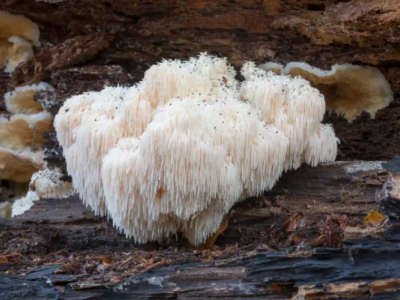
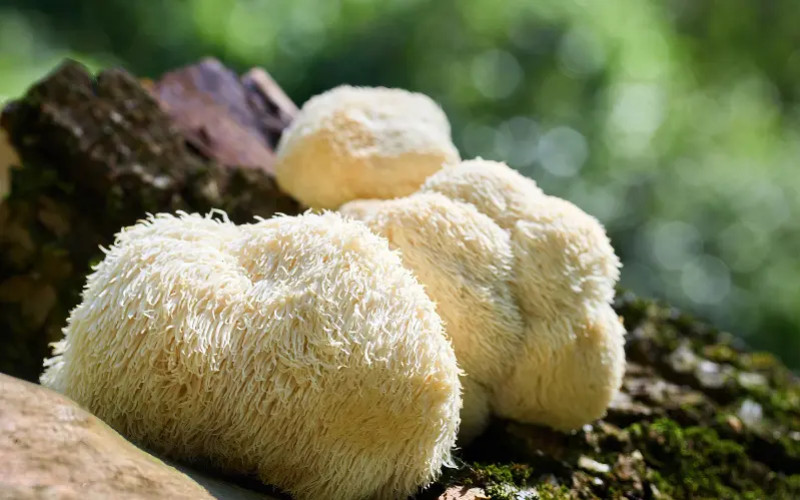
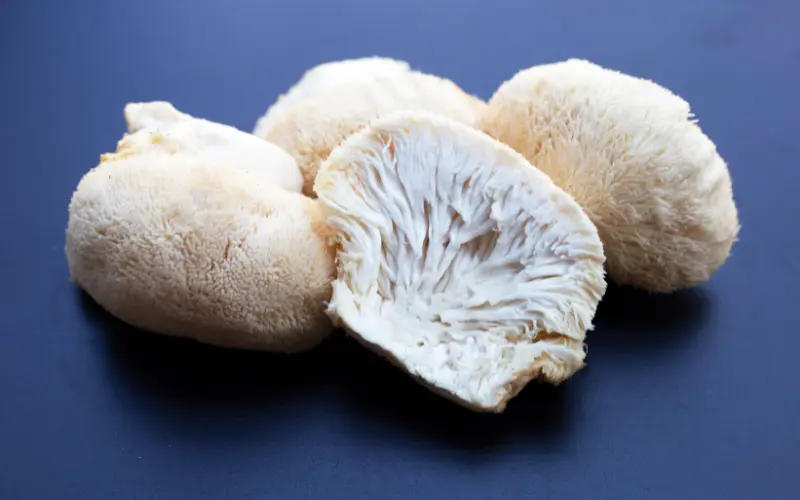
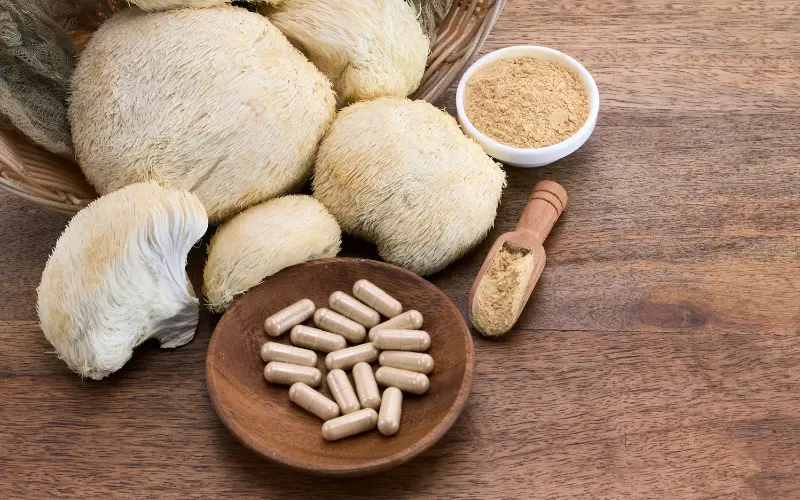
The lion's mane, scientifically known as Hericium erinaceus, is a fascinating mushroom that grows on the trunks of deciduous trees in the temperate regions of Asia, Europe, and North America. It is also called lion's mane in French, or hedgehog hydnum, due to its very particular appearance: a white mass composed of long filaments that indeed evoke a mane.
In China and Japan, this brain mushroom has been used for over two millennia in traditional medicine. Buddhist monks already consumed it to enhance concentration during their meditations. This shows how its potential was recognized long before modern scientific studies. This natural nootropic is now the subject of numerous studies that confirm this ancestral knowledge.
The different names of this mushroom
This mushroom has many names depending on the regions and languages:
- Lion's mane (English, the most common)
- Crinière de lion (French)
- Hedgehog hydnum (French, official name)
- Hericium erinaceus (scientific name)
- Yamabushitake (Japanese)
- Hou tou gu (Chinese)
It belongs to the Hericiaceae family. All these names refer to the same mushroom with astonishing properties for the nervous system.
Nutritional composition and active compounds
The lion's mane contains several families of active compounds that explain its benefits:
Hericenones are primarily found in the fruiting body of the mushroom, which is the visible part. They stimulate the secretion of NGF (nerve growth factor) by nerve cells.
Erinacines are present in the mycelium, the underground part of the mushroom. What makes them particularly interesting is their ability to cross the blood-brain barrier to act directly at the cerebral level. This barrier normally protects the brain from many substances, but erinacines pass through without any problem.
Beta-glucans are polysaccharides known for their immunomodulatory properties. They are found in other medicinal mushrooms and in certain cereals.
The mushroom also contains B vitamins (notably B2 and B12), as well as minerals like zinc, selenium, and iron. This nutritional richness is reminiscent of our Biovie micro-algae, which share this density of bioavailable nutrients.
The Benefits of Lion's Mane on the Brain
NGF Stimulation: The Key to Neuronal Regeneration
NGF, or nerve growth factor, is an essential protein for the survival, development, and proper functioning of neurons. With age, its production naturally decreases, which can contribute to cognitive decline.
The principle is simple: by stimulating the production of NGF, lion's mane helps maintain healthy neurons and can promote the creation of new synaptic connections. Studies on animal models have shown an increase in NGF up to five times the normal level. This is significant.
What makes lion's mane unique among natural nootropics is that it is the only mushroom identified to date with this NGF-stimulating property. Other medicinal mushrooms have recognized benefits, but this specific action on neuroplasticity remains the prerogative of hericium erinaceus.
Improvement of Memory and Concentration
Several clinical studies in humans confirm the benefits of lion's mane on cognitive functions:
A Japanese study (1) followed participants for 16 weeks with a dose of 3 grams per day. The results showed a significant improvement in MMSE test scores, a standardized cognitive assessment tool. The effects were measurable and persisted during the supplementation period.
More recently, in 2024, a study on healthy young adults (2) demonstrated an improvement in cognitive speed within 60 minutes after taking 1.8 grams of lion's mane. This double-blind study shows that the effects are not only long-term.
In practical terms, this brain mushroom can interest a wide range of profiles: students during exam periods, professionals under significant mental load, or seniors wishing to maintain their cognitive functions.
Protection Against Cognitive Decline
Beyond NGF, lion's mane also seems to promote the production of BDNF, the Brain-Derived Neurotrophic Factor, another crucial protein for brain health.
Researchers from the University of Queensland in Australia published a fascinating study in 2023 (3). Using super-resolution microscopy, they observed that compounds from lion's mane promoted the growth of neuronal growth cones. In short, the mushroom helps neurons develop new connections.
These discoveries open encouraging prospects for a natural approach to maintaining brain functions with age.
Regeneration of Peripheral Nerves
The benefits of lion's mane are not limited to the brain. Studies also suggest potential for promoting the regeneration of peripheral nerves, those that run throughout our body. The mechanism involves support for axonal myelination, which is the formation of the protective sheath surrounding nerve fibers.
For those interested in cellular regeneration, our Klamath algae for the brain also has interesting properties due to its content of phycocyanin, a blue pigment with remarkable antioxidant properties.
€39.90
Wild Algae from Klamath Lake
Lion's Mane and Mental Health: Stress, Anxiety, Mood
Adaptogenic Effects and Support in Case of Stress
Lion's mane has adaptogenic properties, meaning it can help the body adapt to stress. The mechanism involves action on the adrenal glands and regulation of cortisol, the stress hormone. For natural stress management, this mushroom is an interesting option.
In our modern world where chronic stress affects so many people, this property is particularly relevant. Prolonged stress is known to have negative effects on the nervous system, memory, and cognitive functions, creating a vicious cycle.
Natural Support Against Anxiety
A clinical study on menopausal women (4) showed particularly interesting results. After only 4 weeks of supplementation with lion's mane, participants showed a significant reduction in symptoms of anxiety and depression.
It is obviously not an anxiolytic in the pharmaceutical sense. But as a natural alternative, this natural nootropic has a major advantage: its effects are gradual and do not create dependency. It is a gentle approach that fits perfectly into a natural health regimen.
Improvement of Sleep Quality
Although lion's mane is not a sleeping pill, many people report an improvement in their sleep. The explanation is probably indirect: by reducing stress and anxiety, it promotes more serene falling asleep and a more restorative quality of sleep.
Unlike caffeine or classic stimulants, this brain mushroom does not have an exciting effect. Therefore, it can be taken in the evening without fear of disrupting sleep.
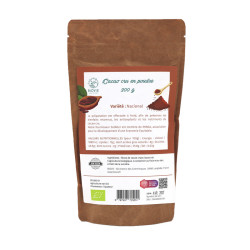
For those seeking natural support for cocoa and mental well-being, our organic raw cocoa is an excellent complement. Rich in theobromine, magnesium, and phenylethylamine (PEA), raw cocoa can contribute to emotional balance synergistically with lion's mane.
The Gut-Brain Axis: An Overlooked Asset of Lion's Mane
Protection and Regeneration of the Intestinal Mucosa
What particularly caught my attention in the research on lion's mane is its action on the intestine. The beta-glucans it contains have a prebiotic effect that can support the intestinal microbiota. Moreover, some studies suggest a protective action on the intestinal mucosa. To learn more about intestinal health, check out our dedicated article.
At Biovie, we often repeat that digestive health is the foundation of overall vitality. This mushroom perfectly illustrates this principle.
The Gut-Brain Connection
You may have heard of the gut-brain axis? It's a fascinating field of research. Did you know that 95% of serotonin, the neurotransmitter of well-being, is produced in the gut? The vagus nerve ensures a permanent two-way communication between our belly and our brain.
In concrete terms, this means that by taking care of your gut, you are also taking care of your brain. Lion's mane acts on both fronts, which may partly explain its benefits on mood and cognition.
Preparing the Digestive Terrain to Optimize Benefits
To get the most out of lion's mane or any other superfood, a healthy gut is essential. If your intestinal mucosa is weakened or your microbiota is unbalanced, nutrient absorption will be less effective.
That's why at Biovie we offer the ZenCleanz ONE enzymatic intestinal cleansing kit, an enzymatic intestinal detox cure that prepares the terrain. Honestly, cleaning your intestines before starting a superfood cure is just common sense. You don't try to fill a dirty glass.

Our digestive enzymes can also support the daily assimilation of nutrients.
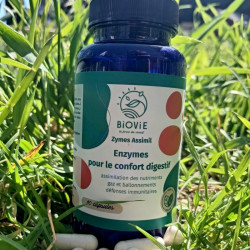
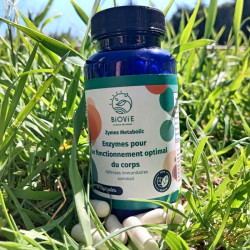
Prepare your gut to maximize the absorption of superfoods
How to Take Lion's Mane? Practical Tips
Recommended Dosages According to Your Goals
The dosages of lion's mane vary depending on what you are looking for:
For general maintenance: 500 mg to 1 gram per day is sufficient for daily support of cognitive functions.
For more targeted use (memory improvement, stress management): clinical studies generally use doses of 2 to 3 grams per day. This is the range that has shown the best results in research on the benefits of lion's mane.
Maximum studied dosage: in some studies, doses up to 5 grams per kilogram of body weight have been tested and very well tolerated. But let's be reasonable, doses of 2 to 3 grams are more than enough.
Best Time of Day
Morning or early afternoon is the recommended time if you are looking to optimize your cognitive functions during the day. That said, lion's mane can also be taken in the evening without any problem, as it does not have a stimulating effect like coffee.
Duration of a Cure and Timeframe for Action
Here's what you need to remember about the timeframes to observe the benefits of lion's mane:
Acute effects: some users and some studies report an improvement in concentration as early as 60 minutes after intake. It's not systematic, but it's possible.
Notable Effects: expect 2 to 6 weeks of regular intake to notice lasting changes in memory and mental well-being.
Optimal Course: for complete and lasting benefits, studies recommend courses of 12 to 16 weeks. This is consistent with the time needed for neuroplasticity mechanisms to take place.
Available Forms: powder, capsules, extracts
Lion's mane is available in several forms, each with its advantages:
Powder offers great dosing flexibility and can easily be integrated into a smoothie or recipe. For a raw food approach, it's often the preferred form as it allows combining several superfoods like hericium erinaceus with our microalgae.
Capsules are more convenient for daily use and ensure precise dosing. Ideal for those who travel or prefer simplicity.
Extracts are more concentrated and standardized in active ingredients. They can be interesting if you are looking for a more targeted action.
The most important thing is not the form, but the quality: choose an organic product with good traceability and, if possible, a titration in active compounds (hericenones, erinacines).
Lion's Mane and Superfoods: Winning Synergies
Lion's Mane and Klamath Algae: Double Brain Action
The Klamath regeneration algae is particularly interesting in synergy with lion's mane. It contains phycocyanin, a powerful antioxidant, as well as phenylethylamine (PEA), sometimes called the "molecule of love" for its effects on mood.
The combination of the two creates a complementary action: lion's mane stimulates NGF and neuroplasticity, while Klamath supports mental energy and emotional balance. It's a synergy we particularly appreciate at Biovie.
Our Klamath algae for the brain is produced artisanally and preserves the full nutrients of this exceptional algae harvested in Klamath Lake, Oregon.
Lion's Mane and Raw Cacao: Well-being and Cognition
The Biovie raw cacao is a superfood we particularly love, Aurélie and I. It contains theobromine (a mild stimulant), magnesium (essential for the nervous system), and many antioxidants.
Combined with lion's mane, it creates an interesting synergy for mental well-being and concentration. A lion's mane + organic raw cacao + banana smoothie is a real boost to start the day.
Lion's Mane and Spirulina: Energy and Antioxidants
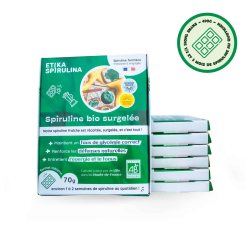
The organic spirulina is rich in iron, vitamin B12, and phycocyanin. It provides overall vitality that complements the cognitive action of lion's mane. For people experiencing mental and physical fatigue, this combination can be particularly relevant.
Our Biovie organic spirulina is available in powder for easy integration into your preparations. We also offer fresh French spirulina for those looking for a local product.
Lion's Mane and Chlorella: Detox and Neuroprotection
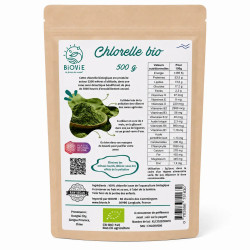
The detoxifying chlorella is known for its properties regarding heavy metals. These metals can negatively impact brain functions and the nervous system. By combining chlorella and lion's mane, we merge neuronal protection with body cleansing.
Side Effects and Precautions
A Safe and Well-Tolerated Mushroom
Good news: in all clinical studies conducted, lion's mane was very well tolerated. No serious adverse effects have been documented, even at high doses.
The rare effects reported are generally mild and transient: temporary digestive discomfort in some sensitive individuals, or exceptionally mild skin reactions.
Contraindications and Interactions
Some precautions are still necessary with this natural nootropic:
- People allergic to mushrooms should obviously avoid lion's mane.
- Caution is recommended for people on SSRI (antidepressant) treatment, as rare interactions have been mentioned.
- Due to a lack of sufficient data, Hericium erinaceus is generally not recommended during pregnancy and breastfeeding.
In case of doubt, consult your healthcare professional, it's always the best approach.
Quality Criteria for Choosing Well
To choose a good lion's mane, here are the essential criteria:
- Organic certification: ensures the absence of pesticides and heavy metals
- Origin and traceability: prefer products whose origin you know
- Extraction method: some methods better preserve active ingredients
- Titration in active compounds: if indicated, a percentage of hericenones and erinacines is a mark of quality
The medicinal mushroom market is booming, with an estimated growth of 11.6% per year to reach 182 billion dollars by 2033. Unfortunately, this attracts products of very variable quality. Stay vigilant.
Find our product sheet here
Your Questions About Lion's Mane
What are the benefits of lion's mane?
Lion's mane (Hericium erinaceus) offers primarily cognitive and neurological benefits. It stimulates the production of NGF (nerve growth factor), which can promote neuronal regeneration, memory improvement, and concentration. Clinical studies also show positive effects on stress and anxiety. This brain mushroom also supports the intestinal mucosa, strengthening the gut-brain axis.
Are there any side effects or dangers?
Lion's mane is very well tolerated in all clinical studies conducted. Adverse effects are rare and generally mild: temporary digestive discomfort or, exceptionally, mild skin reactions in sensitive individuals. Precautions mainly concern people allergic to mushrooms and those on antidepressant treatment.
Can you take lion's mane in the evening?
Yes, lion's mane can be taken in the evening. Unlike classic stimulants like caffeine, this natural nootropic does not have an exciting effect that would disrupt sleep. Some people even report improved sleep quality due to its effects on stress reduction. The morning is still recommended if you want to optimize cognitive benefits during the day.
What is the recommended dosage?
The dosage of lion's mane varies depending on your goals. For general maintenance: 500 mg to 1 gram per day. For therapeutic use (memory, concentration, stress): 2 to 3 grams per day, as in clinical studies. Opt for an organic product with a titration in active compounds for optimal effectiveness.
How long does it take to feel the effects?
The effects of lion's mane manifest on two levels. Acute effects (improved concentration, cognitive speed) can appear within 60 minutes after intake. Lasting effects on memory require a course of at least 2 to 6 weeks. For complete cognitive benefits, studies recommend courses of 12 to 16 weeks.
Does lion's mane help with anxiety?
Clinical studies support this effect. A study on menopausal women showed a significant reduction in anxiety and depression symptoms after just 4 weeks of supplementation with lion's mane. It is not an anxiolytic in the pharmaceutical sense, but a natural progressive support that does not create dependency.
What is the difference between powder and capsules?
Lion's mane powder offers dosage flexibility and can be integrated into smoothies or recipes. Capsules are more convenient for daily use and ensure precise dosing. The effectiveness mainly depends on the quality of the product (organic, extraction, titration in active compounds) rather than the form. For a living food approach, the powder allows better association with other superfoods like hedgehog mushroom with our microalgae.
In conclusion
Lion's mane is truly a unique mushroom in the world of superfoods. Its unique ability to stimulate the production of NGF, validated by serious clinical studies, makes it a valuable ally for anyone wishing to take care of their brain naturally.
What I particularly like about this lion's mane is that it fits perfectly into a living food approach. It can be combined with other superfoods like Klamath, raw cacao, or spirulina to create powerful synergies. And as always, a healthy gut will allow you to make the most of its benefits. To delve deeper into the topic of cellular regeneration, feel free to check out our other articles.
The medicinal mushroom market is growing by 11.6% per year, reflecting a growing public interest in these natural approaches. France is also the third-largest European market for dietary supplements. Research on hericium erinaceus is multiplying, and the results are encouraging.
If you want to explore superfoods to support your vitality and cognitive functions, feel free to discover our Biovie microalgae range. Since 2007, we have been selecting quality products with a constant focus on traceability and effectiveness.
This article does not claim to be exhaustive on the subject, but I hope it has given you the basics to understand this fascinating brain mushroom and make informed choices for your brain health.
Sources:
(1) Japan Study - 16 weeks, 3g/day, improvement in MMSE scores
(2) Young adults study 2024 - 1.8g/day, improvement in cognitive speed in 60 min
(3) University of Queensland Research 2023 - Super-resolution microscopy
(4) Menopausal women study - 4 weeks, reduction in anxiety and depressive symptoms
Update: March 2026. Article validated by Éric Viard, founder of Biovie and ISTOM engineer, co-author of "Algues au quotidien" (Gallimard, 2024) — Best Cookbook in the World, Gourmand Cookbook Awards 2025, and Best Cookbook in France, National Academy of Cuisine 2025.