







Summary
Coffee and Sleep: The Problem No One Wants to See
Here is an article that was really close to my heart! At Biovie, we often talk aboutliving food, superfoods, but today I want to address a topic that affects millions of French people: the link between coffee and sleep. More specifically, how to switch to decaffeinated coffee to finally get restorative nights.
In France, nearly 30% of the population suffers from sleep disorders., and a large number of these people don't even make the connection with their coffee consumption. Why? Because we've always been told: "The morning coffee is fine, it's just the afternoon one you should avoid." Except that's not true.
Caffeine has a half-life of 5 to 6 hours. Specifically, if you drink a coffee at 2 PM, half of the caffeine is still present in your body at 8 PM. And a quarter at 2 AM. Your brain thinks it needs to stay awake. The result: fragmented sleep, nighttime awakenings, and a chronic feeling of fatigue upon waking.
So, should we completely stop drinking coffee? Not necessarily. There are today some Caffeine-free coffee alternatives which allow you to maintain your ritual, your pleasure, without sacrificing your sleep. And that's exactly what we will discuss in this article.

Is decaffeinated coffee really caffeine-free ?
First logical question when looking to replace coffee for better sleep: "And does decaffeinated coffee work?"
The short answer: yes... but.
Decaffeinated coffee does indeed contain much less caffeine than a regular coffee. We're talking about 2 to 5 mg of caffeine per cup, compared to about 95 mg for a normal coffee. That's already a huge difference. For most people, this residual amount of caffeine poses no problem. You can drink your decaf in the evening without affecting your sleep.
But here are the drawbacks:
- The decaffeination process. The majority of decaffeinated coffees use chemical solvents (methylene chloride, ethyl acetate) to extract caffeine. Even though the residues are supposed to be removed, frankly, it's not ideal from a health perspective. There are more natural methods (water or CO2), but they are rarer and more expensive.
- The acidity of the coffee is preserved. Decaffeinated coffee is still coffee. It retains its natural acidity, which can irritate the stomach and disrupt digestion, especially in the evening. And poor digestion also affects the quality of sleep. If you want to know more about how to naturally improve your digestion, we have a complete guide on the subject.
- Highly sensitive people. Some people (like me at the time) even react to this small dose of caffeine. If you are one of these profiles, even decaf can be problematic.
So, decaffeinated coffee can be an interesting first step if you want to gradually reduce your caffeine consumption. But for a true transition to restorative sleep, 100% caffeine-free alternatives are often more effective. And that's where it gets interesting.
Alternatives to coffee for better sleep
Well, now that we've established that coffee (even decaffeinated) can be problematic, the question is: what do we replace it with ?
Because let's be honest, quitting coffee isn't just about stopping a substance. It's about stopping a ritual. The moment of waking up with that steaming cup. The 10 a.m. break with colleagues. The "digestif" after lunch. It's an entire structure of the day that collapses. And that, psychologically, is tough.
The good news? There are now caffeine-free coffee alternatives which allow you to maintain these rituals, with a taste often very close (sometimes even better), and which also provide health benefits. Here are the three main ones I recommend, and that we have been using at Biovie for years.
Lupin coffee: the star alternative for sleep
Honestly, the lupin coffee, It was a revelation for me. When I first heard about it, I was skeptical. "A coffee made from lupin seeds? It's going to have a horrible plant taste." Well, no. The taste is surprisingly close to real coffee, with that slight bitterness, those roasted notes, and especially that creamy texture you expect from a good coffee.
What is lupin coffee ?
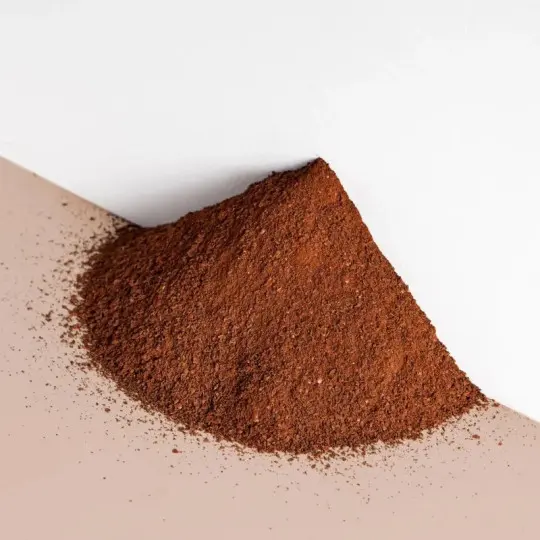
Lupin is a legume (from the same family as chickpeas and lentils) that has been cultivated since ancient times. The seeds are roasted, ground, and brewed just like regular coffee. The result? A warm, comforting beverage with a coffee-like taste, but 100% caffeine-free. Zero. Nada. Nothing that can disturb your sleep.

The benefits of lupin coffee for sleep:
- No caffeine : You can drink it in the evening without any risk to your sleep. It's the ideal alternative to the "after-dinner coffee," which would otherwise keep you awake until midnight.
- Alkalizing Unlike regular coffee, which is very acidic, lupin coffee has an alkalizing effect on the body. Better digestion = better sleep.
- Rich in plant proteins Lupin contains about 40% protein. This helps stabilize blood sugar levels, preventing spikes and drops that can disrupt sleep.
- Facilitates digestion : Thanks to its richness in fiber, lupin coffee gently stimulates digestion. No heaviness, no reflux.
- The ritual is preserved. : You keep your coffee maker, your favorite mug, your break time. Psychologically, it's huge.

My personal experience with lupin coffee
I have never had coffee in my life, being of Dutch origin where there is always coffee or tea ready in households. It never appealed to me. Nevertheless, today, I can drink a lupin coffee to accompany Aurélie at 9 PM if I feel like it, and sleep like a baby. Impossible with regular coffee, even decaffeinated.

Chicory: The Traditional Alternative
Chicory is the "grandmother" alternative to coffee. In France, it is well known, especially in the North. During the war, when coffee was rationed, many French people drank chicory. Today, it is making a strong comeback, and for good reasons.
What is chicory ?
Chicory is a plant whose root is roasted to obtain a soluble powder. The taste is slightly different from coffee: milder, less bitter, with somewhat sweet and caramelized notes. Some people love it, while others find it lacks "character." It's really a matter of taste.
The benefits of chicory for sleep:
- 100% caffeine-free Like lupin, it contains no caffeine. You can drink it in the evening without any problem.
- Rich in inulin Inulin is a natural prebiotic that nourishes the good bacteria in your gut. A balanced microbiota = better digestion = better sleep.
- Stimulates digestion Chicory has choleretic properties (it stimulates the production of bile), which facilitates the digestion of fats.
- Very economical Chicory is cheaper than lupin coffee or regular coffee. It is an affordable option for everyone.
When to choose chicory ?
Chicory is ideal if:
- You have digestive problems (bloating, slow transit)
- You are looking for an economical alternative
- You like mild and slightly sweet flavors.
- You want to support a local French industry
Evening herbal teas: chamomile, verbena, passionflower
Herbal teas are the "ultimate relaxation" option. If your main goal is to improve your sleep (and not necessarily to replace the taste of coffee), evening herbal teas are unbeatable.
The best herbal teas for sleep:
- Chamomile : The undisputed star. Calming and relaxing effect, promotes sleep. Sweet and floral taste.
- Verbena : Soothing, aids digestion, reduces stress. Lemon and refreshing taste.
- Passionflower : Powerful natural anxiolytic. Ideal if you have trouble "unwinding" mentally in the evening.
- Valerian : Mild sedative effect. Be aware, the taste is quite strong (a bit earthy). Reserve it if you really have trouble sleeping.
- Linden : Softness and comfort. Perfect for children too.
The combined approach that I recommend:
At Biovie, we offer a "tiered" approach:
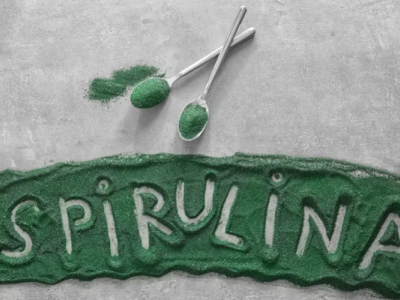
- The morning : Spirulina + lemon water (for natural energy)
- The afternoon : Lupin coffee (for the ritual)
- The evening : Chamomile or verbena herbal tea (for relaxation)
This combination allows for managing energy, ritual, and sleep simultaneously. It's truly the perfect balance.

14-Day Transition Protocol: Quitting Coffee Without Suffering
Alright, now that we've seen the alternatives, the question is: how do we make the transition ?
Because if you stop drinking coffee overnight, you will go through "withdrawal symptoms": severe headaches, intense fatigue, irritability, difficulty concentrating. Honestly, it's not pleasant. I've tried several times in my life to quit abruptly, and I've never lasted more than 3 days.
The solution? A gradual transition over 14 days. This is the protocol that I personally followed and recommend to all our clients at Biovie. It helps minimize withdrawal symptoms while preparing your body (and brain) to function without caffeine.
Phase 1: Days 1 to 3 - 50% reduction
Objective : Halve your caffeine consumption without disrupting your rituals.
Protocol:
- Morning coffee : 1/2 classic coffee + 1/2 lupin coffee (mixed in the same cup)
- 10 a.m. coffee : Replaced by a herbal tea or pure lupin coffee
- Coffee after lunch : 1/2 classic coffee + 1/2 lupin coffee
- After 3 PM : No more regular coffee, only caffeine-free alternatives
Possible symptoms : Slight fatigue, mild headaches at the end of the day.
Tips to limit symptoms :
- Drink plenty of water (at least 2 liters)
- Take 2g of spirulina in the morning (for natural energy)
- Take a 20-minute nap if needed.
- Go to bed 30 minutes earlier than usual
To optimize your chances of success, read and apply the advice from my article on sleep.
Phase 2: Days 4 to 7 - 75% reduction
Objective : Only keep one "real" coffee per day, in the morning.
Protocol:
- Morning coffee : 1/2 classic coffee + 1/2 lupin coffee
- 10 a.m. coffee : Pure lupin coffee
- Coffee after lunch : Pure lupin coffee
- After 3 PM : Herbal teas or chicory
Possible symptoms : The withdrawal symptoms begin to decrease. You notice that you fall asleep more easily at night.
Tips :
- Continue spirulina in the morning
- Add a passionflower herbal tea before bed if you still have trouble "unwinding."
- Record your sleep progress in a small notebook (it’s motivating!)
Important observation : From day 5-6, many people notice that they no longer experience an "afternoon slump" around 3 PM. This is normal: your body starts to produce energy steadily, without the caffeine rollercoaster.
Phase 3: Days 8 to 14 - Complete Transition
Objective : Completely remove regular coffee.
Protocol:
- Morning coffee : Pure lupin coffee (or chicory according to your taste)
- 10 a.m. coffee : Pure lupin coffee
- Coffee after lunch : Pure lupin coffee
- After 3 PM : Herbal teas
Possible symptoms : Normally, at this stage, you should no longer be experiencing withdrawal symptoms. On the contrary, you are starting to feel the benefits: deeper sleep, more stable energy, better mood.
Tips :
- If you still feel a slight psychological "lack," increase the number of cups of lupin coffee (it's caffeine-free, you can drink as much as you want).
- Test different preparations: lupin coffee with plant-based milk, lupin coffee "cappuccino" with foam, etc.
- Celebrate your success! You have broken a physical dependency.
Expected results after 14 days:
- Falling asleep faster (in less than 15 minutes)
- Deeper and continuous sleep (fewer nighttime awakenings)
- Natural awakening without the feeling of a "hangover"
- Stable energy throughout the day (without peaks or drops)
- Better mood and concentration
- Better digestion
Withdrawal symptom management protocol (if necessary)
If despite the gradual transition, you experience withdrawal symptoms that are too intense, here are some natural solutions:
For headaches:
- Drink 1 glass of water every hour
- Massage the temples with diluted peppermint essential oil.
- Rest and darkness if necessary
For fatigue:
- Spirulina: 3-4g in the morning
- Short naps (20 minutes maximum)
- Exposure to natural light in the morning
For irritability:
- Chamomile or passionflower herbal tea
- Light physical exercise (30-minute walk)
- Deep breathing (5 minutes, 3 times a day)
Important : These symptoms are temporary (3 to 7 days maximum) and are a sign that your body is detoxifying from caffeine. It's a good sign! If you are interested in natural detoxification methods, I recommend our article on the benefits of the inclined bed method which can also improve your sleep.
To learn more about physical exercise and well-being, I invite you to read our article on exercise snacks, a complementary method to improve your energy without forcing.
FAQ: Your questions about decaffeinated coffee and sleep
1. Does decaffeinated coffee really prevent sleep ?
No, decaffeinated coffee contains very little caffeine (2-5mg per cup compared to 95mg for a regular coffee). This amount is generally too low to disturb the sleep of most people.
However, Some people who are very sensitive to caffeine may still experience effects with decaffeinated coffee, especially if they consume several cups in the evening. In this case, 100% caffeine-free alternatives like lupin coffee or chicory are preferable.
2. Can you drink decaffeinated coffee in the evening ?
Yes, you can drink decaffeinated coffee or caffeine-free alternatives in the evening without risking disrupting your sleep. Lupin coffee, chicory, or evening herbal teas are excellent options to maintain the "after-dinner coffee" ritual without compromising the quality of your sleep.
Our recommendation : Prioritize 100% caffeine-free alternatives after 5 PM to ensure optimal sleep, especially if you are sensitive.
3. What can replace morning coffee to have energy ?
To replace your morning coffee while maintaining energy, here are the best alternatives:
- Lupin coffee : Coffee-like taste, 100% caffeine-free, rich in plant proteins
- Spirulina : Natural source of sustainable energy (no peak then crash like with caffeine)
- Warm lemon water : Hydration + vitamin C for a gentle wake-up
- Green tea (if tolerated): Caffeine + L-theanine = stable energy without nervousness
- Chicory : Full-bodied taste, naturally stimulates digestion
The secret : True morning energy comes from a good night's sleep, not from caffeine !
4. What does lupin coffee taste like ?
Lupin coffee has a surprisingly close taste to traditional coffee, with roasted notes, slightly bitter, and a creamy texture. Many people even find it softer and less acidic than classic coffee.
Taste characteristics:
- Aromas of hazelnut and roasted cereals
- Absence of aggressive bitterness
- Round and velvety body
- No sensation of "dryness" in the mouth
5. How long does it take to see the effects on sleep after quitting coffee ?
The effects on sleep vary from person to person, but here is a typical timeline:
Days 1-3 : Possible withdrawal symptoms (fatigue, headaches). Sleep may be temporarily disrupted.
Days 4-7 : Gradual improvement. You are starting to fall asleep more quickly and have less fragmented sleep.
Days 8-14 : Net effects. Deeper sleep, reduced nighttime awakenings, natural morning energy.
After 1 month : Complete transformation. Restorative sleep, stable energy throughout the day, end of caffeine dependence.
Important : Follow the gradual transition protocol to minimize withdrawal symptoms.
6. Is decaffeinated coffee really healthy ?
It depends on what you mean by "decaffeinated coffee":
Decaffeinated coffee:
- Less caffeine (good for sleep)
- Chemical decaffeination process (depending on the method)
- Retains the acidity of the coffee (may irritate the stomach)
100% Caffeine-Free Alternatives (lupin, chicory):
- No caffeine naturally
- No chemical process
- Often alkalizing (better for digestion)
- Rich in nutrients (proteins for lupin, inulin for chicory)
Our opinion : Natural caffeine-free alternatives are healthier in the long term than chemically decaffeinated coffee.
7. Can one become addicted to lupin coffee ?
No, lupin coffee does not contain no addictive substance. Unlike caffeine, which creates a true physical dependence (with withdrawal symptoms upon cessation), lupin coffee does not act on the adenosine receptors in the brain.
What you can "appreciate":
- The comforting ritual
- The taste and the aroma
- The moment of pause
But there is no chemical dependency. You can stop overnight without any withdrawal symptoms. This is actually one of its great advantages !
8. What are the best alternatives to decaffeinated coffee ?
Here is our Top 3 alternatives to coffee to improve your sleep:
1. Lupin coffee
- Taste closest to traditional coffee
- 100% caffeine-free
- Rich in protein and fiber
- Alkalizing (good for digestion)
2. Chicory
- Full-bodied and slightly sweet taste
- Rich in inulin (prebiotic)
- Naturally stimulate digestion
- Ancestral French tradition
3. Evening herbal teas (chamomile, verbena, passionflower)
- Soothing and relaxing
- Promote sleep
- Infinite variety of tastes
- Gentle bedtime rituals
To go further : You can also combine spirulina in the morning (sustainable energy) + lupin in the afternoon (ritual) + herbal tea in the evening (relaxation). To learn more about the benefits of seaweed in the diet, consult our dedicated guide.
Conclusion: finally enjoy restorative sleep again
Here we are at the end of this article. I sincerely hope it has helped you understand the link between coffee and sleep, and most importantly, that it has provided you with concrete solutions to regain restful nights.
What to remember:
- Caffeine disrupts sleep, even if you consume it in the early afternoon (half-life of 5-6 hours).
- Decaffeinated coffee can help, but 100% caffeine-free alternatives (lupin, chicory) are more effective in the long term.
- The gradual transition over 14 days is the key to avoiding withdrawal symptoms and achieving long-term success.
- The benefits far outweigh the sleep. : stable energy, better mood, weight loss, improved digestion...
- You are not alone : Thousands of people have already made this transition successfully.
Honestly, if you sleep poorly, if you wake up tired, if you have slumps during the day... give it a try. Try it for 14 days. You have nothing to lose (except your insomnia) and everything to gain.
Ready to get back to restorative sleep ?
Discover our organic lupin coffee : the 100% caffeine-free alternative that respects your sleep and your ritual.
Biovie Commitment:
- Certified organic quality
- Locally grown in Europe
- Without additives, without GMOs
- Artisanally roasted (it is one of the only heat-treated products we offer in our store).