



Between work demands, family life, and a fast-paced daily routine, stress is everywhere. Good news: there are 9 natural methods, validated by science, to sustainably lower cortisol and regain a calm mind.
According to Public Health France (2024), 26% of French adults report frequent or constant stress, while Inserm notes that 1 in 5 French people takes an anxiolytic at least once a year. This article synthesizes the 9 most scientifically documented stress management strategies, combining bioavailable magnesium, adaptogenic plants, mindful breathing, sleep, and microbiome support — a winning trio to break the vicious cycle of chronic stress.
What exactly is stress? Understanding the HPA axis and cortisol
Before combating stress, it is important to understand its mechanism. Stress triggers a hormonal cascade through thehypothalamic-pituitary-adrenal axis (HPA axis): the brain secretes cortisol, a hormone that mobilizes the body's energy in "fight-or-flight" mode. It is useful in the face of an acute danger, but problematic if prolonged.
The difference between acute stress and chronic stress is crucial: acute stress is adaptive — it lasts from a few minutes to a few hours and naturally subsides. Chronic stress, on the other hand, disrupts sleep, mood, digestion, immunity, and promotes inflammation, weight gain, and cardiovascular disorders. After 3 to 8 weeks of persistent symptoms, a medical consultation is necessary.
Interestingly, stress does not only affect the brain — it directly impacts the digestive tract via thegut-brain axis. Researchers have shown that the microbiota modulates the stress response via the vagal axis and the production of neurotransmitters, creating a vicious cycle: chronic stress → dysbiosis → increased anxiety. Conversely, nourishing the microbiota with live foods breaks this cycle.
1. Limit screens (and blue light)
Our eyes dislike screens. The blue light emitted by our phones, tablets, and computers inhibits the secretion of melatonin, a hormone that signals the brain that night is falling. Using a screen at the end of the day blocks the body's natural relaxation and keeps cortisol levels high late into the evening.
The solution is simple but forgotten: Turn off screens 1-2 hours before bedtime. If this proves impossible (demanding job), use blue light filter glasses or activate the "night" mode on your phone from 5 PM. For your eyes, apply the 20-20-20 rule: every 20 minutes of screen time, look at something 20 meters away for 20 seconds. Finally, reduce the consumption of anxiety-inducing news (news feeds, social networks) also limits the activation of the sympathetic nervous system.

2. Enjoy a real lunch break
The midday meal is not a chore to be swallowed in 5 minutes in front of your screen. It is a Tipping point of the nervous system towards the parasympathetic, the "rest-digest" mode. Eating mindfully — slowly, seated, without screens, savoring the textures and flavors — activates the vagus nerve and initiates true relaxation.
Concrete protocol: 15-20 minutes minimum to eat without interruption. Put down the phone, take three breaths before starting, and chew slowly (at least 20-30 times per bite) to stimulate the release of calming neurotransmitters. Favor foods rich in magnesium (almonds, seaweed, sprouted legumes) and omega-3 (fatty fish, chia seeds, flax), which directly support resilience to stress.
3. Bet on magnesium and the right vitamins
Magnesium is the mineral of stress. However, 70% of French people suffer from a magnesium deficiency. (study SU.VI.MAX), and this deficiency paradoxically amplifies the release of cortisol, creating a vicious cycle. According to the Pickering study (Nutrients, 2020), Restoring optimal intake breaks this cycle and strengthens resilience to stress.
Which form to choose? Magnesium exists in several forms: the bisglycinate is the most assimilated and the gentlest (no gastric risk), the Citrate also affects digestion, and the marine magnesium (Quinton's marine plasma) offers a complete mineral matrix, ideal for the nervous system. Recommended intake by ANSES: 6 mg/kg/day (that is 420 mg for a 70 kg woman). Beyond 350 mg in supplementation, there is a risk of mild digestive issues.
B vitamins (B1, B6, B9) play a complementary role against stress, as they support the synthesis of neurotransmitters (serotonin, dopamine) and the regulation of inflammation. Look for a balanced supplementation combining magnesium + B complex, or prioritize foods rich in these nutrients (sprouted legumes, raw cocoa, spirulina algae).
4. Choose a relaxing activity (yoga, meditation, sophrology)
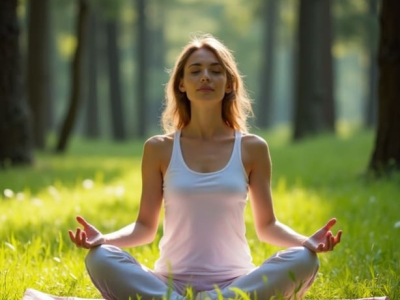
Mindfulness meditation is not an esoteric luxury — it is a scientifically validated practice. A JAMA meta-analysis (2014) covering 47 studies showed that meditation significantly reduces anxiety scores with a moderate but lasting effect.
Three simple and accessible approaches:
- Mindfulness meditation: 10 minutes each morning, sitting, observing the breath without controlling it. The Insight Timer app or a simple timer is sufficient.
- Gentle yoga: The asanas (postures) combined with breathing activate the parasympathetic system. Look for "yin yoga" or "restorative yoga" for beginners.
- Sophrology: French technique combining muscle relaxation and positive visualization. Very effective in 6-10 sessions with a certified sophrologist.
Starting with 10 minutes per day for 3 weeks creates a strong neural habit. After 8 weeks, the benefits consolidate.
5. Engage in physical activity (and move in nature)
Regular physical exercise decreases cortisol and increases endorphins (well-being hormones) and BDNF (brain-derived neurotrophic factor), a molecule essential for neuroplasticity and mental resilience. A BMC study (2018) showed that 30 minutes of exercise 3 times a week reduced anxiety as effectively as some pharmaceutical treatments.
The type of activity matters less than regularity: brisk walking (30 min), cycling, swimming, dancing, running. Ideally, 150 minutes per week of moderate activity, to be spread over 3-5 days.
Major bonus: moving in nature multiplies the benefits. A Japanese study on the forest bathing (forest bathing) has shown that 15 minutes in the forest reduce salivary cortisol by 12.4% compared to in the city.. Walking in the forest thus combines physical activity, disconnection from screens, and a measurable decrease in cortisol.
6. Cultivate social relationships (and combat isolation)
Social isolation is a chronic stress factor as powerful as smoking or obesity. Conversely, warm social relationships secrete oxytocin, a hormone that soothes the nervous system and strengthens immunity.
The implications are massive: a rich social life increases longevity and reduces the risk of cardiovascular diseases. Specifically, this means: regularly have dinner with friends, , join a group or a community (sports club, meditation group, volunteering), maintain contact with family, and if necessary, consult a therapist or a support group. Quality matters more than quantity — 3 deep friendships are better than 100 superficial contacts.
7. Adopt an "anti-stress" diet
Diet directly influences mood through the tryptophan, an amino acid that the body converts into serotonin (a neurotransmitter associated with well-being). Several foods contain tryptophan: eggs, chicken, cottage cheese, nuts, pumpkin seeds, banana, raw cocoa, sprouted legumes.
Daily Anti-Stress Protocol:
- Increase omega-3 intake : chia and flax seeds, flax oil, sea lettuce algae (800 mg of magnesium per 100 g!). Omega-3s reduce inflammation, which is the basis of chronic stress.
- Consume from unsweetened raw cocoa: rich in phenylethylamine and theobromine, it soothes without creating dependence like coffee. 1-2 squares of raw cacao in the morning is enough.
- Avoid "stressful" foods : excess caffeine (> 3 cups of coffee, prefer our Tikawa), highly processed foods (fast sugars create stressful spikes and drops in blood sugar), excessive alcohol (disrupts sleep and hormonal balance).
- Mindful eating: as described in the "lunch break" section, mindfulness amplifies the nutritional benefits.

8. Learn to breathe consciously (cardiac coherence & 4-7-8 breathing)
Conscious breathing is the fastest tool to soothe cortisol. Two scientifically validated techniques:
Cardiac coherence 365: 3 times a day, 6 breaths per minute, 5 minutes. This means inhaling for 5 seconds, exhaling for 5 seconds. A study in Frontiers in Psychology (2014) showed that this technique improves heart rate variability and reduces salivary cortisol in just 5 minutes. Applications: in the morning upon waking, at noon after lunch, in the evening before dinner.
4-7-8 Breathing by Dr. Andrew Weil: Inhale through the nose for 4 seconds, hold for 7 seconds, exhale slowly through the mouth for 8 seconds. This technique extends the exhalation, which activates the vagus nerve and the parasympathetic system. Practice 4 consecutive times, 1-2 times a day. Effective in less than 2 minutes for an anxiety attack.
Bonus: associate breathing with a Masterclass Breathing EXUVIE to progress in a structured way.
[P2B=masterclass-respiration-exuvie]
9. Get enough sleep (7-9 hours, sleep hygiene)
Sleep is not a luxury — it is a pillar of stress management. Sleep deprivation increases morning cortisol by an average of 37% (Hirotsu study, Sleep Science 2015). Conversely, 7-9 hours of deep sleep regulate the HPA axis, strengthen immunity, and consolidate mental resilience.
7 sleep hygiene rules, easy to implement:
- Temperature 18°C in the room: a cool bed promotes falling asleep.
- Total darkness: blackout curtain or sleep mask. Even 1% of light disrupts melatonin.
- Screens turned off 1-2 hours before bedtime: as indicated at the beginning of the article.
- No caffeine after 2 PMThe half-life of caffeine is 5-6 hours.
- Light dinner 3 hours before bedtime: leaves the digestive system at rest.
- Pre-sleep routine: reading, meditation, hot bath, soothing herbal tea (chamomile, valerian, linden) signal to the body that it's time to sleep.
- RegularityGoing to bed and waking up at the same time, even on weekends, synchronizes the biological clock.
For micronutritional support, Check out our 8 tips for better sleep. and explore the Biovie sleep clusterfind restorative sleep, , light therapy for insomnia).
[P2B=miel-fleur-oranger]
Adaptogenic plants: targeted natural support
Adaptogenic plants are powerful allies against chronic stress. These plants help the body adapt to stress by regulating the HPA axis and reducing cortisol without overwhelming the nervous system (unlike some pharmaceutical anxiolytics). They also promote theEustress, the healthy and invigorating form of stress.
Rhodiola rosea: effective particularly against burnout and mental fatigue related to stress. A review (Anghelescu, 2018) confirms its effectiveness. Dosage: 300-600 mg/day in standardized extract.
Ashwagandha (Withania somnifera): reduces anxiety and improves sleep. Dosage: 300-500 mg/day.
GABA and L-theanine: calming neurotransmitters. L-theanine (also found in green tea) creates relaxation without drowsiness. Dosage: 100-200 mg/day.
Warning: Adaptogens are contraindicated during pregnancy, breastfeeding, bipolar disorder, or ongoing antidepressant treatment. Always seek medical advice before starting supplementation.
The 3-3-3 rule and other emergency anti-stress techniques
Sometimes, stress rises too quickly and requires immediate intervention. Three simple techniques to practice anywhere:
Rule 3-3-3: it is a quick anchoring technique to stop a surge of anxiety. Identify 3 objects around you (a door, a plant, a lamp), 3 sons distinct (horn, voice, fan), then do 3 movements conscious (move the shoulders, fingers, feet). This exercise brings attention back to the present and defuses the anxious spiral in less than 2 minutes.
5-4-3-2-1 Grounding Technique: name 5 things you see, , 4 that you touch, , 3 that you hear, , 2 that you feel (smell), 1 that you taste. This variation engages the five senses and brings the brain to the present moment.
Butterfly Technique (EFT): If you are physically agitated, cross your arms over your chest and alternately tap each shoulder slowly. This bilateral self-stimulation soothes the amygdala.
When to consult? Warning signs of chronic stress
Distinguishing between normal stress and pathological stress is essential. If at least 3 of these signs persist beyond 3 weeks, a consultation is necessary:
- Disturbed sleep (insomnia, nighttime awakenings, fatigue upon waking)
- Irritability, impatience, negative mood
- Digestive issues (bloating, constipation, abdominal pain)
- Heart palpitations or shortness of breath
- Loss of libido or erectile dysfunction
- Mental ruminations, difficulties concentrating
- Social isolation, withdrawal from enjoyable activities
- Unexplained chronic fatigue
These signs may indicate a chronic stress or a Burnout, which require medical or psychotherapeutic care. Do not hesitate to consult a general practitioner, a psychiatrist, a psychologist, or a certified naturopath.
Frequently Asked Questions about Natural Stress Management
What is the most powerful natural anti-stress?
No natural stress reliever is universal: the most effective one is the one practiced regularly. The most scientifically documented methods are mindfulness meditation, heart coherence, regular physical activity, bioavailable magnesium, and certain adaptogenic plants like rhodiola. Combining several approaches (nutrition + sleep + breathing + movement) yields the best long-term results.
What is the 3-3-3 rule for stress?
The 3-3-3 rule is a quick grounding technique to stop a surge of anxiety. It involves observing 3 objects around you, identifying 3 distinct sounds, and then moving 3 parts of your body (shoulders, fingers, feet). This exercise brings attention back to the present and defuses the anxious spiral in less than 2 minutes, anywhere.
Which plant to choose against chronic stress?
Adaptogenic plants are the most studied for chronic stress: rhodiola for mental fatigue and burnout, ashwagandha for anxiety and sleep, gaba and l-theanine for immediate calming. They are contraindicated during pregnancy, antidepressant treatment, or bipolar disorder — always seek medical advice before use.
Is magnesium really effective against stress?
Yes. Magnesium contributes to the normal functioning of the nervous system. A study (Pickering, Nutrients 2020) showed that a deficiency amplifies the release of cortisol, creating a vicious stress-deficiency cycle. The best-absorbed forms are bisglycinate, citrate, and marine magnesium. Recommended intake: 6 mg/kg/day (ANSES). Note: > 350 mg/day in supplementation can cause digestive issues.
How long does it take to lower cortisol?
Quick techniques such as cardiac coherence or 4-7-8 breathing reduce cortisol in a few minutes. For a lasting decrease, 3 to 8 weeks of regular practice are needed (meditation 10 min/day, exercise 3x/week, sleep 7-9h, anti-inflammatory diet). Forest bathing results in a -12.4% reduction in salivary cortisol in 15 minutes (Park et al., 2010).
Acute stress and chronic stress: what is the difference?
Acute stress is temporary and adaptive: it prepares the body for action through a brief release of cortisol and adrenaline. Chronic stress is a prolonged activation of the HPA axis that disrupts sleep, mood, digestion, immunity, and promotes inflammation, weight gain, and cardiovascular disorders. If symptoms persist for more than 3 weeks, a medical consultation is necessary.
Is there a home remedy for stress?
The most effective traditional remedies are infusions of linden, chamomile, valerian, and passionflower — all documented for their calming effects. A hot bath with Epsom salt (rich in magnesium) before bed relaxes the muscles and improves sleep. A 15-minute walk in the forest measurably reduces salivary cortisol.
Conclusion: adopting a sustainable anti-stress routine
Reducing stress naturally does not require perfection — it requires Constancy. Start small, with a single tip (10-minute meditation, a real lunch break, magnesium in the evening) and anchor it in your routine. After 3 weeks, it becomes automatic. Then add a second one.
Three actions to start tomorrow:
- Turn off screens by 7 p.m. — immediate impact on sleep and cortisol.
- Take a lunch break without a phone — 15 minutes are enough to switch the nervous system.
- Practice 4-7-8 breathing once a day — no equipment, results in 2 minutes.
To go further, explore our 11 complementary anti-stress tips and join the Biovie community focused on living foods, deep sleep, and resilience.
Sources and scientific references
- Pickering G. et al. (2020). Magnesium Status and Stress: The Vicious Circle Concept Revisited. Nutrients, 12(12), 3672.
- Goyal M. et al. (2014). Meditation Programs for Psychological Stress and Well-being: A Systematic Review and Meta-analysis. JAMA Internal Medicine, 174(3), 357-368.
- Aylett E. et al. (2018). Exercise in the treatment of clinical anxiety in general practice. BMC Health Services Research, 18(1), 559.
- Lehrer P. et al. (2014). Heart Rate Variability Biofeedback: How and Why Does It Work? Frontiers in Psychology, 5, 756.
- Hirotsu C. et al. (2015). Interactions between sleep, stress, and metabolism. Sleep Science, 8(3), 143-152.
- Foster J.A. et al. (2017). Stress & the gut-brain axis: Regulation by the microbiome. Neurobiology of Stress, 7, 124-136.
- Anghelescu I.G. et al. (2018). Stress management and the role of Rhodiola rosea: a review. International Journal of Psychiatry in Clinical Practice, 22(2), 81-88.
- Park B.J. et al. (2010). The physiological effects of Shinrin-yoku (forest bathing): a systematic review of public health studies. Environmental Health and Preventive Medicine, 15(1), 18-26.
About the author
"Chronic stress is one of the most underestimated factors of our time. During 33 years of practicing living food nutrition, I have observed that natural approaches — bioavailable magnesium, adaptogenic plants, conscious breathing, a microbiome nourished by living foods — can profoundly transform the response to stress. This article is a practical synthesis of what science and experience teach us."
Eric Viard, tropical agronomist engineer, co-founder of Biovie since 2007 and co-author of the book Seaweed in Everyday Life — double winner of the Gourmand World Cookbook Award and the National Academy of Cuisine Prize.
Warning: This article is intended for informational purposes and is not a substitute for medical advice. In case of persistent chronic stress or signs of burnout, consult a healthcare professional.
Discover the Biovie products to support your nervous balance: marine magnesium, spirulina, raw cacao, marine plasma, adaptogenic plants.