Fast delivery
.png)
 Fair prices


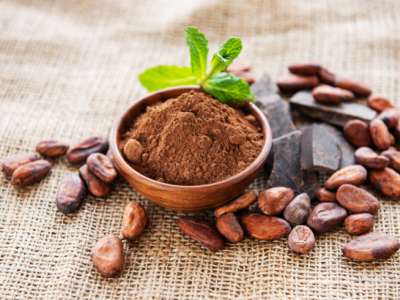

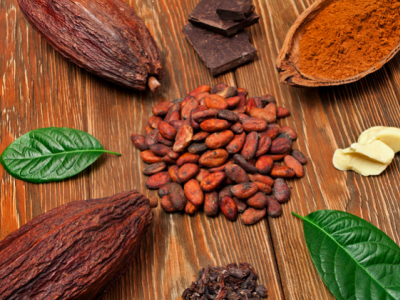
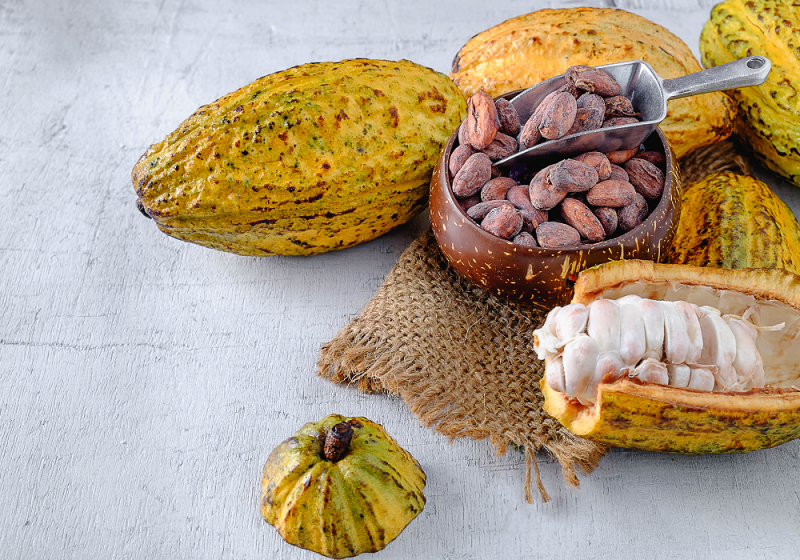
Everyone loves chocolate! It is considered one of the most consumed and most indulgent products in the world. The credit goes to the... cocoa which provides to the chocolate its delicious and unique taste. The cacao tree (or cocoa tree) is the tree that produces cacao beans, which are its seeds, from which cocoa can be extracted. For centuries, this wonderful plant, which originates from the tropical regions of Central and South America, has been cherished for its exquisite taste, its health benefits, and its virtues for the body and mind. In this article, we will explore X reasons why cocoa should be an integral part of your balanced diet.

What is the composition of cocoa ?
Cocoa beans are rich in essential nutrients and contain a variety of compounds beneficial to health. Here are the main components of cocoa:
Flavonoids: Cocoa is one of the foods richest in flavonoids, which are powerful antioxidants abundantly present in cocoa. These molecules play a key role in protecting cells against damage caused by free radicals. They are responsible for the benefits to cardiovascular health, the reduction of inflammation, and the support of the immune system.
Minerals: In this superfood, you can find all the essential minerals for the proper functioning of our body. For example, there is calcium, zinc, iron, and potassium. Magnesium, in particular, is present in significant quantities and plays an important role in regulating the nervous and muscular systems.
Vitamins: What is great about consuming cocoa-based products is that you get a good dose of vitamins, particularly vitamin E, which has antioxidant properties, and B-group vitamins, such as vitamin B1 (thiamine), vitamin B2 (riboflavin), vitamin B3 (niacin), and vitamin B9 (folic acid). These vitamins play a role in our body's energy production.
Fatty acids: This superfood contains saturated, monounsaturated, and polyunsaturated fatty acids, so the whole family is gathered in this exceptional food. Saturated fatty acids are found in larger quantities, and polyunsaturated fatty acids are also present in small amounts.
Fibers: Cocoa contains dietary fibers, which are important for digestive health as they contribute to regular bowel movements.
What are the nutritional values of cocoa ?
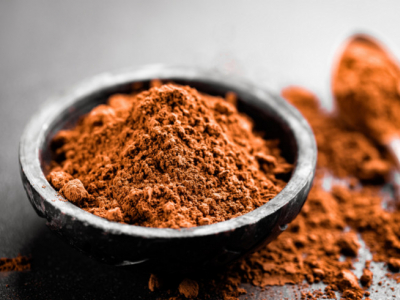
Here is a general estimate of the nutritional values for 100 grams of unsweetened cocoa powder, "These values may vary slightly depending on the brand and quality of the cocoa used."
- Calories: approximately 228 kcal
- Carbohydrates: approximately 57 grams
- Proteins: approximately 20 grams
- Lipids: approximately 14 grams
- Saturated fatty acids: approximately 8 grams
- Monounsaturated fatty acids: approximately 5 grams
- Polyunsaturated fatty acids: approximately 0.5 gram
- Fibers: approximately 33 grams
- Sugars: approximately 1 gram
- Magnesium: approximately 420 milligrams
- Iron: approximately 7 milligrams
- Potassium: approximately 1500 milligrams
- Calcium: approximately 100 milligrams
Is cocoa powder good for your health ?
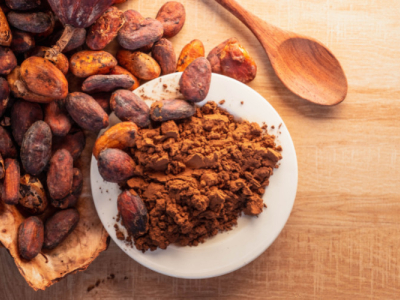
You can prepare your own cocoa powder simply by blending the cocoa nibs, ", or by rapping the" cocoa paste. "However, we have already discussed the benefits of raw cocoa powder in our article on" How to consume cocoa powder "In detail, you can take a look at it to learn about all the benefits of raw cocoa powder."

What is the best cocoa for health ?
The best cocoa for health is generally unsweetened and unprocessed cocoa, also known as raw cocoa or raw cacao. Here are some characteristics of these types of cocoa:
Raw or unprocessed cocoa: Raw cacao is not roasted at high temperatures, which preserves more of the nutrients and antioxidants naturally present in cacao. It may be preferable to choose unprocessed cacao to maximize health benefits. Raw cacao is primarily sold in the form of 100% cacao.
Unsweetened cocoa powder: The less sugar there is, the better cocoa is for the body. Opt for unsweetened cocoa powder to avoid excessive sugar consumption and to enjoy the benefits of cocoa without the harmful effects of high sugar content. Be careful, read the labels carefully! Some "unsweetened cocoa powders" actually contain only 30% cocoa. Ideally, this powder should contain at least 70% pure cocoa, as a higher cocoa content means a higher concentration of beneficial nutrients and antioxidants.
What are the benefits of cocoa ?
Le The cocoa It offers a range of health benefits when consumed appropriately. It contains antioxidants that protect cells from damage caused by free radicals. It also improves your mood, as it contains a molecule (PEA) that the brain naturally produces during moments of intense attraction, for example, which is one of the reasons (among others) why people give chocolate to their loved ones on Valentine's Day! The consumption of cocoa enhances your cognitive functions, including memory, attention, and mental performance, thanks to the bioactive compounds in cocoa that can stimulate blood flow to the brain, including theobromine, which has an energizing effect. It can also stimulate the production of dopamine and serotonin, which are neurotransmitters that reduce stress and increase feelings of joy.
What are the benefits of dark cocoa ?
Dark cocoa is known as dark chocolate. The term "dark cocoa" refers to chocolate that has a high cocoa content and a reduced sugar content compared to other varieties of chocolate. Dark chocolate is made from the cocoa beans which have been fermented, dried, roasted, and ground into a cocoa paste, to which sugar and cocoa butter are generally added. This type of cocoa is renowned for its numerous health benefits when consumed in moderation, but be careful, it is dark chocolate with more than 70% cocoa that is concerned by these claims.
For example: it reduces high blood pressure thanks to the flavonoids present in cocoa and reduces the risk of heart disease, it is rich in magnesium, it improves sleep quality by combating insomnia thanks to the serotonin it contains which promotes relaxation, it increases physical performance for athletes, and it helps balance the intestinal microbiota. Moderation in consumption is essential, as dark chocolate can be caloric and should be integrated into a balanced and varied diet.
Dark chocolate is different from raw cacao; they are two distinct products despite both being derived from cacao beans. This difference lies in:
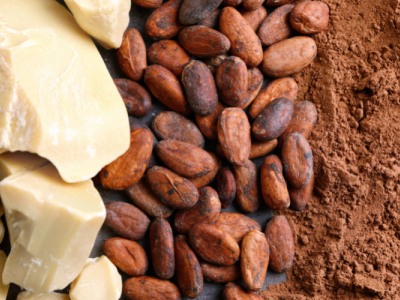
Ingredients and processing: Raw cacao is produced from cacao beans that have not been roasted. The beans are simply dried at low temperatures and then fermented to retain their high nutrient content. In contrast, dark chocolate is made from roasted cacao beans, which are then ground to obtain a cacao paste called "cacao mass." This cacao mass is then mixed with cacao butter and sugar to form dark chocolate.
The flavor and the taste: Raw cacao has a more intense and pure cocoa flavor, although less pronounced than dark chocolate. It can have notes of dried fruits and nuts, with a certain bitterness. Dark chocolate, on the other hand, has a richer and more complex taste, blending sweet, bitter, and sometimes slightly acidic flavors. The taste depends on the quality of the cocoa used and the amount of sugar added.
Nutritional composition: Raw cacao is renowned for its high concentration of nutrients such as antioxidants, flavonoids, vitamins, and minerals, as it has not been subjected to roasting, which can alter some of these properties. Although dark chocolate also contains nutrients from cacao, its antioxidant content is 4 times lower than that of raw cacao. Other compounds may also have slightly lower levels due to roasting and the addition of sugar.
Culinary use: Raw cacao is often used in smoothie recipes, energy balls, energy bars, and other preparations where one wishes to retain the nutritional benefits of cacao without masking its delicate flavor. Dark chocolate is frequently used in baking and confectionery for its more pronounced chocolate notes. It is also enjoyed on its own as a treat.

What are the benefits of raw cacao ?
Le The raw cacao, or raw cacao, offers even more health benefits, such as: it protects the skin from aging and wrinkles and helps it maintain its elasticity, it is richer in antioxidants than other types of cacao when raw, which helps reduce bad cholesterol and protect against cardiovascular diseases, it has a positive effect on mood and well-being thanks to neurotransmitters...
It is important to note that raw cacao can have a bitter and intense taste compared to chocolate. It is preferable to incorporate it into recipes or mix it with other ingredients to soften the intense flavor. Try a cacao bean in a date with a bit of peanut butter, a marvel !
What are the harmful effects of consuming too much cocoa ?
Generally, the consumption of cocoa is beneficial for the body except in cases of excess. This excessive consumption can lead to certain health drawbacks such as:
- Cocoa naturally contains caffeine and theobromine; overconsumption can lead to adverse effects such as nervousness, restlessness, insomnia, heart palpitations, and increased blood pressure. 100% raw cocoa is not recommended for children.
- Cocoa can contain dietary fibers which, in large quantities, can cause digestive problems such as bloating, gas, and abdominal discomfort.
- Some cocoa-based products (i.e., chocolates) can contain high amounts of added sugar, which could increase the risk of type 2 diabetes, weight gain, and dental problems.
- Cocoa can have a high caloric content, especially when it is present in products such as chocolate or hot drinks. Therefore, you should be mindful of your weight if you want to maintain a good figure.