Caffeine-free coffee in the evening: lupin, chicory, decaf and a 14-day transition
Coffee and Sleep: The Problem No One Wants to See
Here is an article that was really close to my heart! At Biovie, we often talk aboutliving food, superfoods, but today I want to address a topic that affects millions of French people: the link between coffee and sleep. More specifically, how to switch to decaffeinated coffee.
Caffeine has a half-life of 5 to 6 hours. Specifically, if you drink a coffee at 2 PM, half of the caffeine is still present in your body at 8 PM. And a quarter at 2 AM. Your brain thinks it needs to stay awake.
So, should we completely stop drinking coffee? Not necessarily. There are today some Caffeine-free coffee alternatives which allow you to maintain your ritual, your pleasure. And that's exactly what we will discuss in this article.
Is decaffeinated coffee really caffeine-free ?
First logical question when looking to replace coffee in the evening: "And does decaffeinated coffee work?"
The short answer: yes... but.
Decaffeinated coffee does indeed contain much less caffeine than a regular coffee. We're talking about 2 to 5 mg of caffeine per cup, compared to about 95 mg for a normal coffee. That's already a huge difference. For most people, this residual amount of caffeine poses no problem. You can drink your decaf in the evening without affecting your sleep.
But here are the drawbacks:
The decaffeination process. The majority of decaffeinated coffees use chemical solvents (methylene chloride, ethyl acetate) to extract caffeine. There are more natural methods (water or CO2), but they are rarer and more expensive.
The acidity of the coffee is preserved. Decaffeinated coffee is still coffee. It retains its natural acidity.
Highly sensitive people. Some people (like me at the time) even react to this small dose of caffeine. If you are one of these profiles, even decaf can be problematic.
So, decaffeinated coffee can be an interesting first step if you want to gradually reduce your caffeine consumption. But for a true transition, 100% caffeine-free alternatives are often more suitable. And that's where it gets interesting.
How is coffee decaffeinated? Three processes, three results
It's worth knowing what decaf has actually been through. Three methods coexist, and they're not equal in taste quality or in perception: the label rarely mentions it, but a serious roaster will tell you.
Solvent-based (methylene chloride or ethyl acetate): the most widespread industrially, because it's the cheapest. The green beans soak in a solvent that dissolves the caffeine, then the solvent is evaporated off. European regulations strictly limit residues, but the process raises legitimate questions.
Water-based, known as the Swiss Water Process: only water and activated-charcoal filters. The beans soak, the caffeine-laden water passes through filters that trap the caffeine while letting the flavour compounds through, then it's reused for the next batch. No solvent, and better-preserved aromas.
Supercritical CO₂: under high pressure, carbon dioxide selectively extracts the caffeine without touching anything else. It's the gentlest process for the bean, and the most expensive.
In practice: if decaf matters to you, look for "solvent-free," "water-processed" or "CO₂" on the packaging. And remember that even well-decaffeinated coffee retains some residual caffeine, which brings us back to the question raised above about the evening.
Alternatives to coffee for better sleep
Well, now that we've established that coffee (even decaffeinated) can be problematic, the question is: what do we replace it with ?
Because let's be honest, quitting coffee isn't just about stopping a substance. It's about stopping a ritual. The moment of waking up with that steaming cup. The 10 a.m. break with colleagues. The "digestif" after lunch. It's an entire structure of the day that collapses. And that, psychologically, is tough.
The good news? There are now caffeine-free coffee alternatives which allow you to maintain these rituals, with a taste often very close (sometimes even better). Here are the three main ones I recommend, and that we have been using at Biovie for years.
Lupin coffee: the caffeine-free alternative
Honestly, the lupin coffee, It was a revelation for me. When I first heard about it, I was skeptical. "A coffee made from lupin seeds? It's going to have a horrible plant taste." Well, no. The taste is surprisingly close to real coffee, with that slight bitterness, those roasted notes, and especially that creamy texture you expect from a good coffee.
What is lupin coffee ?
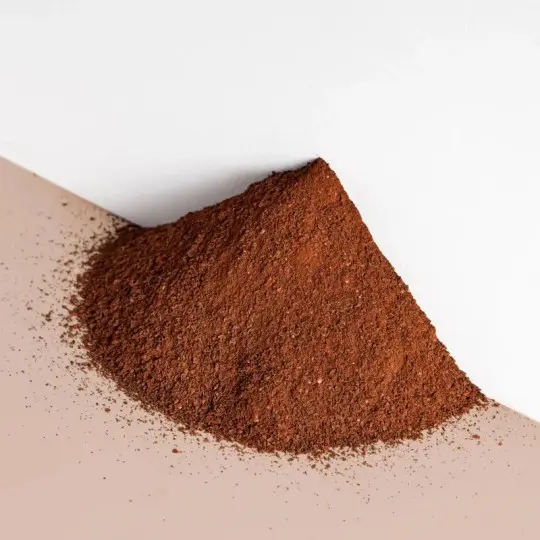
Lupin is a legume (from the same family as chickpeas and lentils) that has been cultivated since ancient times. The seeds are roasted, ground, and brewed just like regular coffee. The result? A warm, comforting beverage with a coffee-like taste, but 100% caffeine-free. Zero. Nada. Nothing that can disturb your sleep.
No caffeine : You can drink it in the evening without any risk to your sleep. It's the ideal alternative to the "after-dinner coffee," which would otherwise keep you awake until midnight.
Lupin coffee has a roasted taste that is less acidic than regular coffee.
Plant proteins: lupin contains about 40% protein.
The ritual is preserved. : You keep your coffee maker, your favorite mug, your break time. Psychologically, it's huge.
My personal experience with lupin coffee
I have never had coffee in my life, being of Dutch origin where there is always coffee or tea ready in households. It never appealed to me. Nevertheless, today, I can drink a lupin coffee to accompany Aurélie at 9 PM if I feel like it. Impossible with regular coffee, even decaffeinated.
Chicory: The Traditional Alternative
Chicory is the "grandmother" alternative to coffee. In France, it is well known, especially in the North. During the war, when coffee was rationed, many French people drank chicory. Today, it is making a strong comeback, and for good reasons.
What is chicory ?
Chicory is a plant whose root is roasted to obtain a soluble powder. The taste is slightly different from coffee: milder, less bitter, with somewhat sweet and caramelized notes. Some people love it, while others find it lacks "character." It's really a matter of taste.
The strengths of chicory:
100% caffeine-free Like lupin, it contains no caffeine. You can drink it in the evening without any problem.
Inulin : Chicory naturally contains inulin, a fiber.
Very economical Chicory is cheaper than lupin coffee or regular coffee. It is an affordable option for everyone.
Herbal teas are the "ultimate relaxation" option. If you are not necessarily looking to replace the taste of coffee, evening herbal teas are a great option.
Evening herbal teas:
Chamomile : A classic of the evening. Sweet and floral taste.
Verbena : Lemon and refreshing taste.
Passionflower : A plant traditionally served as an herbal tea in the evening, with a mild taste.
Valerian : Mild sedative effect. Be aware, the taste is quite strong (a bit earthy). Reserve it if you really have trouble sleeping.
Linden : Softness and comfort. Perfect for children too.
The combined approach that I recommend:
At Biovie, we offer a "tiered" approach:
The morning : Spirulina + lemon water
The afternoon : Lupin coffee (for the ritual)
The evening : Chamomile or verbena herbal tea (for relaxation)
14-Day Transition Protocol: Quitting Coffee Without Suffering
Alright, now that we've seen the alternatives, the question is: how do we make the transition ?
Because if you stop drinking coffee overnight, you will go through "withdrawal symptoms": severe headaches, intense fatigue, irritability, difficulty concentrating. Honestly, it's not pleasant. I've tried several times in my life to quit abruptly, and I've never lasted more than 3 days.
The solution? A gradual transition over 14 days. This is the protocol that I personally followed and recommend to all our clients at Biovie. It helps minimize withdrawal symptoms while preparing your body (and brain) to function without caffeine.
Phase 1: Days 1 to 3 - 50% reduction
Objective : Halve your caffeine consumption without disrupting your rituals.
Protocol:
Morning coffee : 1/2 classic coffee + 1/2 lupin coffee (mixed in the same cup)
10 a.m. coffee : Replaced by a herbal tea or pure lupin coffee
If despite the gradual transition, you experience withdrawal symptoms that are too intense, here are some natural solutions:
For headaches:
Drink 1 glass of water every hour
Massage the temples with diluted peppermint essential oil.
Rest and darkness if necessary
For fatigue:
Short naps (20 minutes maximum)
Exposure to natural light in the morning
For irritability:
Chamomile or passionflower herbal tea
Light physical exercise (30-minute walk)
Deep breathing (5 minutes, 3 times a day)
Important : These discomforts are generally temporary; if they persist, talk to your doctor.
FAQ: Your questions about decaffeinated coffee and sleep
1. Does decaffeinated coffee really prevent sleep ?
No, decaffeinated coffee contains very little caffeine (2-5mg per cup compared to 95mg for a regular coffee). This amount is generally too low to disturb the sleep of most people.
However, Some people who are very sensitive to caffeine may still experience effects with decaffeinated coffee, especially if they consume several cups in the evening. In this case, 100% caffeine-free alternatives like lupin coffee or chicory are preferable.
2. Can you drink decaffeinated coffee in the evening ?
Yes, you can drink decaffeinated coffee or caffeine-free alternatives in the evening without risking disrupting your sleep. Lupin coffee, chicory, or evening herbal teas are excellent options to maintain the "after-dinner coffee" ritual without compromising the quality of your sleep.
Our recommendation : Prioritize 100% caffeine-free alternatives after 5 PM especially if you are sensitive.
3. What can replace morning coffee ?
To replace your morning coffee, here are a few alternatives:
Lupin coffee has a surprisingly close taste to traditional coffee, with roasted notes, slightly bitter, and a creamy texture. Many people even find it softer and less acidic than classic coffee.
Taste characteristics:
Aromas of hazelnut and roasted cereals
Absence of aggressive bitterness
Round and velvety body
No sensation of "dryness" in the mouth
5. How long do withdrawal symptoms last after quitting coffee ?
It varies from person to person, but here is a typical timeline:
Days 1-3 : Possible withdrawal symptoms (fatigue, headaches). Sleep may be temporarily disrupted.
Important : Follow the gradual transition protocol to minimize withdrawal symptoms.
6. Decaffeinated coffee or caffeine-free alternatives: what are the differences ?
It depends on what you mean by "decaffeinated coffee":
Decaffeinated coffee:
Less caffeine
Chemical decaffeination process (depending on the method)
Retains the acidity of the coffee (may irritate the stomach)
100% Caffeine-Free Alternatives (lupin, chicory):
No caffeine naturally
No chemical process
7. Can one become addicted to lupin coffee ?
No, lupin coffee does not contain no addictive substance. Unlike caffeine, which creates a true physical dependence (with withdrawal symptoms upon cessation), lupin coffee does not act on the adenosine receptors in the brain.
What you can "appreciate":
The comforting ritual
The taste and the aroma
The moment of pause
But there is no chemical dependency. You can stop overnight without any withdrawal symptoms. This is actually one of its great advantages !
8. What are the best alternatives to decaffeinated coffee ?
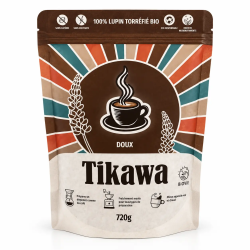
Biovie drinks are caffeine-free and alcohol-free: Tikawa lupin coffee (Mild, Classic, Intense), golden milk with turmeric, fermented birch sap, and fruit kefir and kombucha kits to make yourself. Lupin coffee recreates the taste and ritual of coffee without caffeine or acidity, for anyone who wants to cut back on caffeine without giving up the coffee ritual. To gently quit coffee, start with Tikawa Classic; for a seasonal drink, choose fermented birch sap, natural or with blackcurrant., 11
products
Here we are at the end of this article. I sincerely hope it has helped you understand the link between coffee and sleep, and most importantly, that it has provided you with concrete solutions.
What to remember:
Caffeine disrupts sleep, even if you consume it in the early afternoon (half-life of 5-6 hours).
Decaffeinated coffee can help, but 100% caffeine-free alternatives (lupin, chicory) are more effective in the long term.
The gradual transition over 14 days is the key to avoiding withdrawal symptoms and achieving long-term success.
You keep the coffee ritual, without the caffeine.
Want to try lupin coffee ?
Discover our organic lupin coffee: 100% caffeine-free, to keep your evening ritual.
Biovie Commitment:
Certified organic quality
Locally grown in Europe
Without additives, without GMOs
Artisanally roasted (it is one of the only heat-treated products we offer in our store).