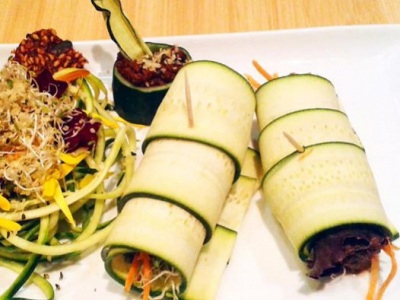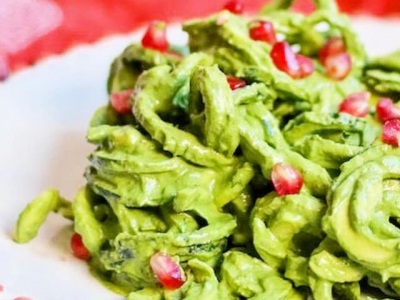




The craving for a pad thai often hits all at once, and rarely at a moment when you have time to heat up a wok. This raw version answers exactly that craving, relying on a sauce that does all the work: fresh ginger, mild white miso, lime juice, soy sauce and dates, all emulsified in the blender until creamy. White miso brings the salty depth that a broth would give in a simmered dish, and the dates replace palm sugar without leaving a syrupy taste. On the vegetable side, nothing complicated: zucchini in long spirals, pepper and carrot in thin matchsticks, peeled cucumber in ribbons. Each keeps its own texture, and it's the contrast between the crunch of some and the softness of others that gives the illusion of a full noodle dish. Season a little at a time, adding the sauce spoon by spoon: it's concentrated, and too generous a quantity crushes the vegetables instead of coating them. Sliced spring onion on top comes last, for freshness.
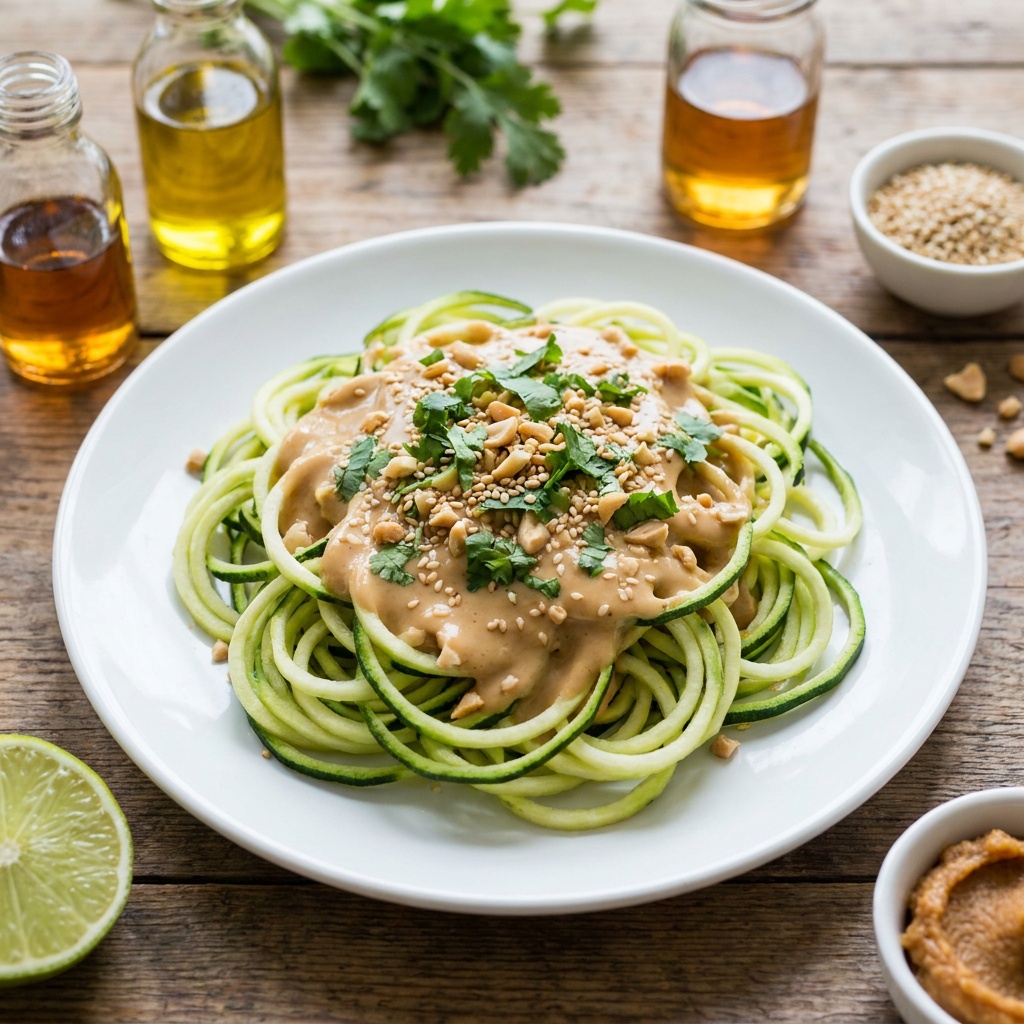
Raw Zucchini Noodles, Peanut-Miso Sauce
Share this article
Ingredients
For the peanut sauce
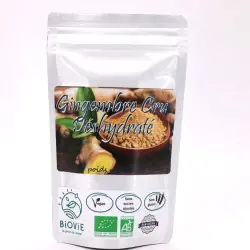
- 1 piece of fresh ginger, about 2 cm (or the equivalent raw ginger)
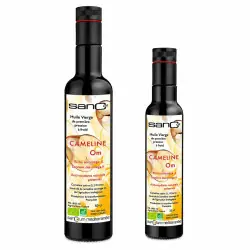
- 25 cl olive oil or flax oil
- 2 teaspoons sesame oil
- The juice of one lime
- 4 tablespoons mild white miso
- 6 pitted dates, or 6 cl honey
- 2 tablespoons unpasteurised soy sauce
- 8 cl filtered and hydrogenated water
For the noodles
- 1 large zucchini or 2 small ones, spiralised or cut into ribbons with a peeler
- 1/2 red pepper, cut into thin matchsticks
- 1/2 carrot, cut into thin matchsticks
- 1/4 of a large cucumber or 1/2 a small one, grated or peeled into long ribbons
- A few spring onions, for garnish
Preparation
- Blend all the sauce ingredients until you get a creamy, well-emulsified texture.
- Prepare and mix all the vegetables in a bowl, setting the spring onions aside.
- Add 6 cl of sauce first and mix, then top up spoon by spoon until the vegetables are coated without swimming in it.
- Sprinkle with sliced spring onion and serve right away.
Tip
Snow peas, sliced shiitake or mung bean sprouts add an extra layer of crunch. The sauce keeps two to three days in the fridge in a closed jar: it thickens as it cools, so loosen it with a spoonful of water before serving.
The full range Plant-based oils and spices
11 products

FAQ: your questions about flax oil
What are the drawbacks of flax oil?
The main one is its fragility. Flax oil is by far the richest plant-based source of omega-3, but these fatty acids oxidise quickly on contact with air, light and heat. In practice: it's never cooked, it's kept in the fridge, it's used up within a few weeks of opening, and an oil that smells rancid should be thrown out. Its strong flavour doesn't suit everyone either.
How is flax oil used in food?
Always cold, and in small amounts. A drizzle over raw vegetables, in a dressing, over a cold soup just before serving, or blended into a sauce like the one in this recipe: that's exactly its territory. One tablespoon a day is plenty for an adult. Choose it virgin, cold-pressed, in a dark bottle, and keep it cool as soon as it's opened.
Can you drink flax oil?
Drinking a spoonful of flax oil on an empty stomach is a common practice, without particular risk for a healthy adult, as long as you stick to small amounts. That said, nothing suggests that having it on its own is better than an oil worked into a meal: fats are absorbed better alongside food. If you're on blood-thinning medication or have a sensitive gallbladder, talk to your doctor before making it a habit.
Share this article
Related articles