


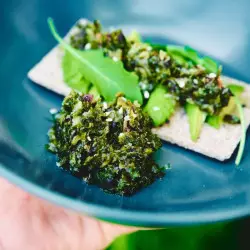

A trio of nut-based cheeses, cashew and fig, almond with dill and olives, macadamia with cranberry, comes together on one shareable board. Each variation starts from the same simple fermented base, then takes on its own character with a sweet, herbal or tart accent. The culture, a non-dairy probiotic in powder or capsule form, replaces rennet and does its work in two hours at room temperature; the rest is patience, since each cheese then spends a night in the fridge or the dehydrator. The fig jelly, set with irish moss rather than gelatine, is layered into the heart of the cashew cheese and balances its richness with a fruity, tart note. No step calls for cooking, only soaking, blending and waiting, and the board is assembled at the last moment with the accompaniments of your choice.
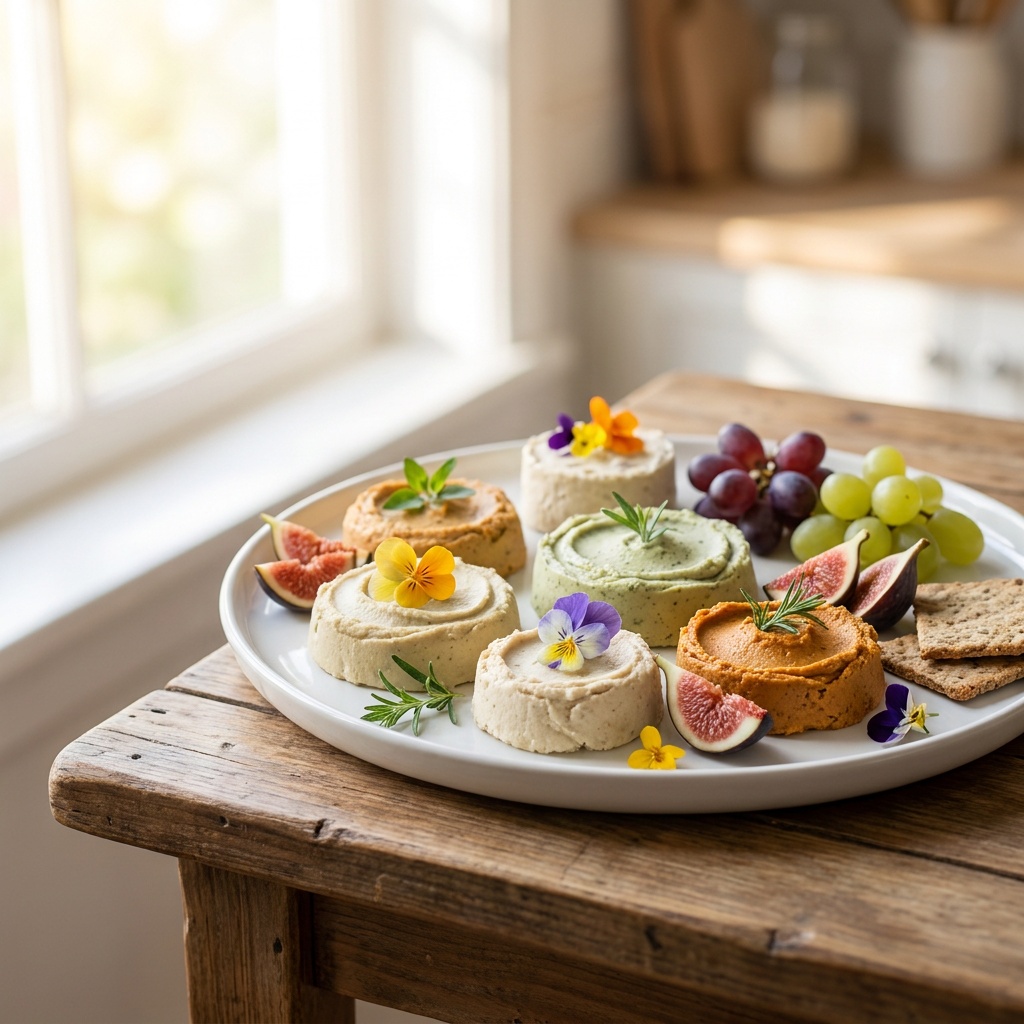
Raw nut cheese plate

Share this article
Ingredients
Cheese base (make separately for each nut type used)
- 1 cup nuts - cashews, almonds or macadamias
- 2 tablespoons olive oil
- 3 tablespoons freshly squeezed lemon juice
- 3 to 4 tablespoons non-dairy acidophilus culture (probiotic powder or capsules)
- 1 teaspoon raw honey
- 1 garlic clove
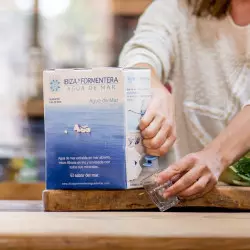
- 1 pinch of salt (equivalent to 1 tablespoon - 15 ml - of seawater)
Fig jelly
- 1 cup fresh ripe figs
- 2 tablespoons raw honey or another sweetener of your choice
- 2 tablespoons freshly squeezed lemon juice
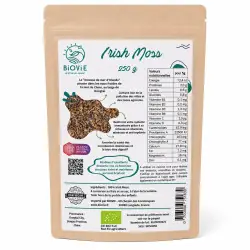
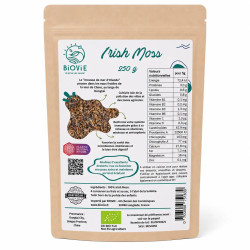
- 1/2 cup irish moss gel (seaweed rinsed, soaked, then blended with just enough water to form a smooth gel)
To finish
- Fresh dill, chopped
- Chopped olives, your favourite variety
- Freshly ground black pepper
- Dried or freeze-dried cranberries
Preparation
- Soak the cashews and almonds overnight; peeling the almonds afterwards gives a paler, cleaner-looking cheese.
- Blend each nut type separately with the cheese base ingredients, adjusting the proportions per batch, until completely smooth. Then let each mixture rest at room temperature for at least two hours to develop flavour.
- For the fig jelly, blend the figs, the sweetener, the lemon juice and the irish moss gel until smooth, then chill until cool. A shop-bought dried fig purée can be used as a shortcut.
- To assemble the cashew and fig cheese: shape a portion of cashew cheese on parchment paper, spread fig jelly over the top, then cover with a bit more cashew cheese. Transfer carefully to a lidded container and refrigerate overnight.
- For the almond cheese, fold in chopped dill, chopped olives, salt and black pepper, shape on parchment, then either refrigerate in a covered container or dehydrate overnight.
- For the macadamia cheese, mix in cranberries to taste, shape on parchment and refrigerate or dehydrate overnight as above.
- Arrange all three cheeses on a board alongside the fig jelly and other accompaniments of your choice.
Tip
Allow plenty of time for resting: the two hours at room temperature develop the flavour, but it is the night in the cold that gives the cheese the firmness it needs to slice. If you only have one type of nut on hand, make all three variations with it, the results stay very readable from one board to the next.
The full range Dry algae
10 products
FAQ: your questions about the raw plant-based cheese plate
What is plant-based cheese made of?
A homemade plant-based cheese rests on three elements: a fatty, protein-rich base, here nuts soaked then blended, an acidifier, lemon juice or fermentation, and salt. That is all. Industrial versions, by contrast, are often built on coconut oil and starch, with added flavourings, which gives a very different product nutritionally. The recipe on this page stays on the side of whole nuts.
Which cheeses are fermented?
Strictly speaking, almost all dairy cheeses are fermented: it is the action of lactic bacteria that curdles the milk before ripening. In common usage, the term rather describes those whose fermentation is most pronounced: blue cheeses, washed rinds, long-aged cheeses. A plant-based cheese like this one is fermented in the same way, with deliberately added bacteria, simply on a substrate of nuts rather than milk.
What is the best fermented food for the gut?
There is no single one: diversity matters more than any supposed champion. Each fermented food brings its own strains, lacto-fermented vegetables, kefir, miso, kombucha, plant-based cheeses like this one, and it is by rotating them that you get the most microbial variety. What matters above all is regularity and choosing unpasteurised products, the only ones that still contain living micro-organisms.
Share this article