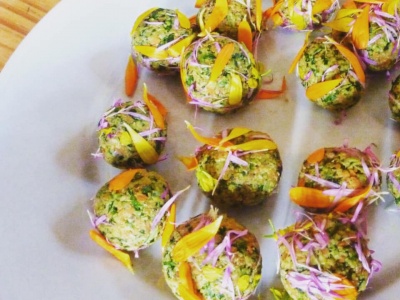


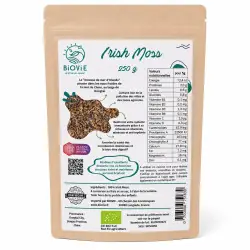

Halfway between a scone and a muffin, the scuffin is a soft little bake that owes its whole texture to an unexpected ingredient: Irish moss, a red seaweed that gels without any heat. Grated carrot, warm spices and plump dates give it a carrot-cake character, while slow drying in the dehydrator keeps the outside crisp and the inside tender. Twelve generous pieces, perfect for breakfast or an afternoon treat. All you need is a dehydrator and a little patience.
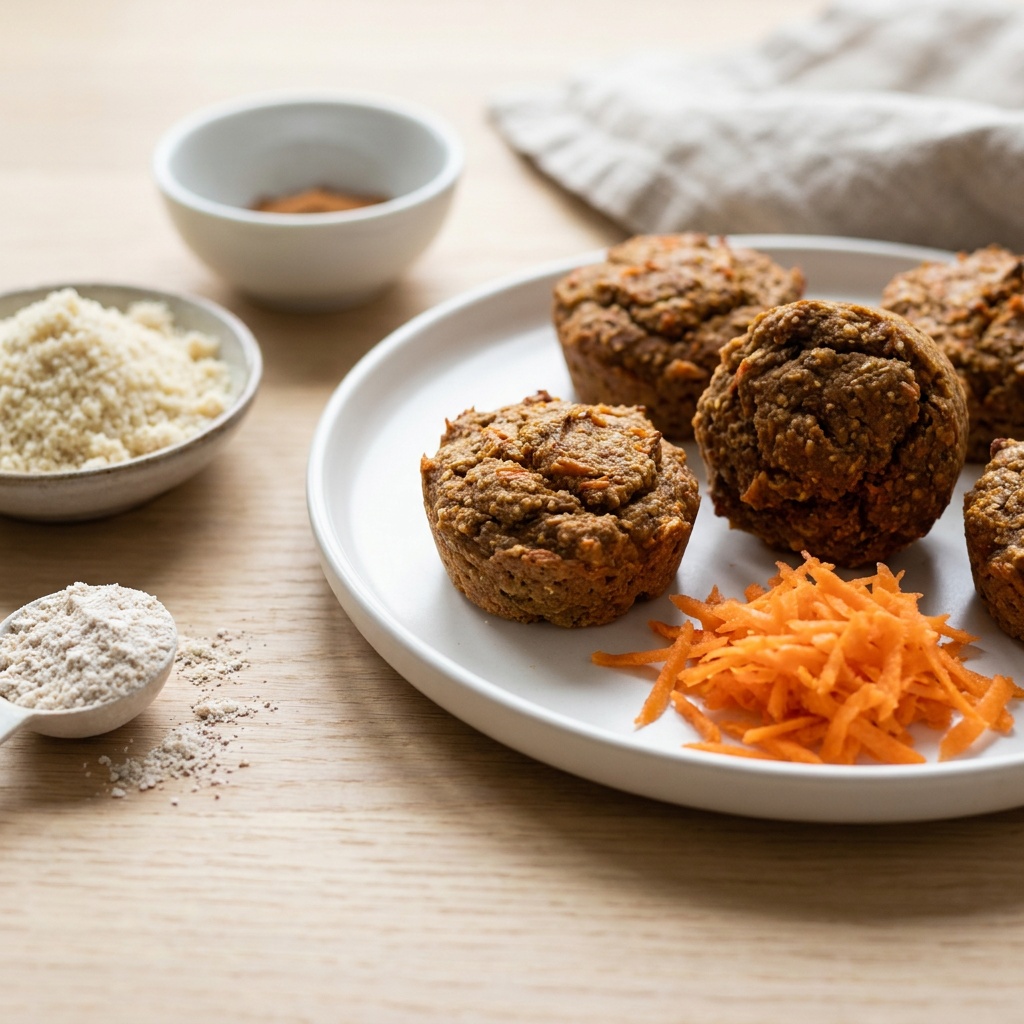
Raw carrot scuffins (muffin-scones)
Share this article
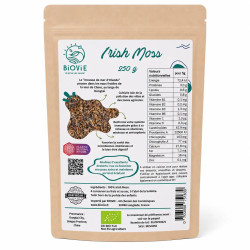
Ingredients
- 1 cup almond flour
- 1 cup grated carrot
- 1/4 cup oat flour
- 3 tsp orange juice
- 1/2 tsp ground cinnamon
- 1/2 tsp ground ginger
- 1/2 tsp sea salt
- 3 very soft medjool dates
- 1/2 cup Irish moss paste
- 2 tbsp filtered and hydrogenated water
- 1/4 cup raisins
- 1 tbsp agave syrup
- 1/4 cup flax meal (ground flaxseed)
Preparation
- In a food processor, pulse together the almond flour, grated carrot, oat flour, orange juice, cinnamon, ginger and salt in short bursts.
- Add the medjool dates and blend until you have a smooth dough.
- Work in the Irish moss paste, the water and the agave syrup, then blend again until everything is well bound.
- Add the raisins and the flax meal, then pulse just enough to spread them through the dough.
- Spoon the dough onto the mesh dehydrator tray, shaping 12 evenly sized mounds.
- Dry at 43 °C (110 °F) for around 12 hours: the outside should feel dry to the touch while the inside stays moist and tender without being soggy.
Tip
Without Irish moss the airy texture simply will not happen: it is what stands in for the egg and the baking. Keep your scuffins in the fridge in an airtight box; they are uncooked and will not last as long as a conventional bake.
The full range Dry algae
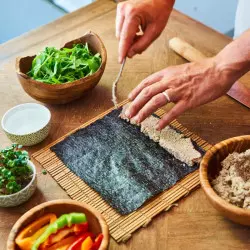
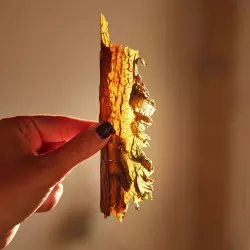
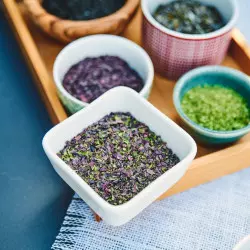
At Biovie, our dried seaweed is dried at a low temperature (40 °C) to preserve its nutrients, and it goes straight into a dish without any long soaking: wakame (iodine, calcium), nori (protein, B12, perfect for sushi), kombu (potassium, fucoidan), dulse (iron, potassium) and sea lettuce (iron, calcium). To get started, nori sheets are the easiest to use; to season your everyday dishes, the dehydrated gourmet mix combines several varieties in one box; curly wakame is ideal for travel thanks to its light, compact format. Between wakame, dulse and sea lettuce, it is best to start with wakame or sea lettuce, both mild in taste, before moving on to dulse, which has a stronger, more iodine-rich flavour., 10 products
FAQ: your questions about raw carrot scuffins
How do you make sea moss?
Sea moss, also known as Irish moss, is used as a paste (often called a gel) that you make yourself. Rinse the dried seaweed thoroughly under cold water to remove salt and any sand, then soak it for 12 to 24 hours in plenty of cold water: it swells and turns translucent. Drain it, rinse it once more, then blend it with a little fresh water until smooth. Pour into a jar and refrigerate: it sets within a few hours and keeps for two to three weeks. With seaweed powder the soaking step disappears entirely - you rehydrate it straight in the blender, which saves you a full day.
What are the benefits of Irish sea moss?
Irish moss (Chondrus crispus) is a red seaweed from Atlantic shores, long harvested in Brittany and Ireland. In terms of composition it provides soluble fibre, including the carrageenans that give it its gelling power, along with marine minerals: calcium, magnesium, potassium and iodine. In the kitchen its main interest is technical: it thickens and binds preparations cold, without gelatine or eggs, which makes it invaluable in raw and plant-based baking. Like all seaweeds it is rich in iodine, so it is best eaten in reasonable amounts, and worth discussing with a health professional if you have a thyroid condition.
What is the recipe for a carrot cake?
A classic carrot cake combines grated carrots, flour, eggs, oil, sugar and a blend of warm spices - cinnamon, ginger, nutmeg - baked in the oven and usually finished with a cream-cheese frosting. The raw version keeps the same flavour profile but changes technique completely: almond flour and oat flour replace wheat flour, dates provide the sweetness, and a plant binder such as Irish moss or ground flaxseed takes the place of the eggs. Slow low-temperature drying in the dehydrator replaces the baking. The result is denser and more aromatic, with the taste of raw carrot clearly present.
Share this article