The pink radish: from garden to plate, and as sprouted seeds
The pink radish, often overlooked on our plates, actually hides a multitude of health benefits. Few vegetables are both crunchy and full of flavor. It's time to give the radish the recognition it deserves.
This crunchy, low-calorie root vegetable can be eaten raw or cooked. Discovering how to use it in the kitchen will allow you to reassess its place in our daily diet.
This article introduces the pink radish. From how to choose the best radish at the grocery store, to preparation techniques and easy-to-make recipes, you will learn how to incorporate it into your diet.
Nutritional characteristics of the pink radish
The pink radish is a crisp and refreshing raw vegetable which stands out not only for its beautiful color and sweet flavor but also for its low calorie content. Belonging to the Brassicaceae family, the pink radish is a small root that can be eaten on its own or as a side dish with various meals.
Vitamins and minerals
The pink radish contains vitamin C (12.2 mg per 100 g) and vitamin B9 (or folate).
Regarding minerals, the pink radish notably contains potassium (250 mg per 100 g), as well as iron, calcium and magnesium.
The pink radish fits perfectly into a varied and balanced diet. It is undoubtedly a wise choice for anyone who prioritizes the consumption of natural foods from organic farming.
Fibers and bioactive compounds
The pink radish contains 1.4 g of fiber per 100 g.
Regarding the bioactive compounds, Pink radishes contain sulfur compounds and flavonoids.
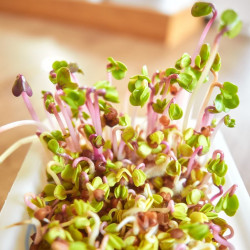
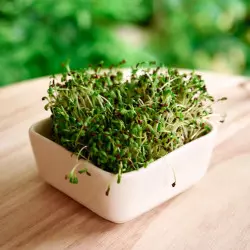
After the seeds have germinated, consume the pink radish sprouts in salads, sandwiches, or as a garnish for their crunch.
How to choose a pink radish
When you are looking to incorporate pink radish into your diet, it is important to know how to choose it well. Choose firm and shiny radishes with a beautiful pink color, indicating their freshness. Avoid radishes that show signs of wilting or black spots, as they may be too old and have lost some of their freshness. Additionally, ensure that the leaves, if still attached, are bright green and vigorous, which is another sign of freshness.
Select at the grocery store
At the grocery store, carefully inspect the available radishes. Select those that are medium-sized; very large radishes may be hollow or fibrous, while those that are too small may not have had enough time to develop their full flavor. Also, consider touching the radishes to assess their firmness.
Here is a small summary table to help with the purchase:
Criterion
To prioritize
To avoid
Size
Average
Too big or too small
Aspect
Firm, shiny, pink color
Withered, black spots
Fanes
Green, vigorous
Withered, yellowing
Evaluate the freshness
The freshness of a pink radish can be evaluated in various ways. Here are some key points:
Firmness A fresh radish should be firm to the touch. If it is soft or spongy, it is often a sign that it is no longer very fresh.
Surface The skin of the radish should be smooth and free of cracks or holes.
Color : Look for radishes with a nice uniform color without brown or whitish spots.
Fanes : If the leaves are present, they should be green and fresh. Yellowed or wilted leaves indicate an aging radish.
Remember that fresh radishes will be tastier and crunchier. By choosing them carefully, you get the best out of them in the kitchen.
Biovie offers 24 varieties of organic sprouting seeds, produced since 1896 by our Italian supplier Geo Bavicchi, and every batch is tested before it goes on sale (germination rate above 95% required). Radish, fenugreek, sunflower and alfalfa sprout the fastest and most easily for beginners, in 3 to 5 days on a windowsill. To discover several varieties without making a mistake, the packs (The 3 Radishes, The Essentials, The Pep's Seeds...) are a good starting point, before choosing your varieties individually. The range also covers microgreen seeds to grow on a substrate, and sprouters to get started without unnecessary equipment., 46
products
The pink radish is a tasty addition to many dishes. However, its preparation requires a few simple techniques to get the best flavor. Preserving the pink radish is also essential to maintain its freshness for as long as possible.
Preparation techniques
The preparation of radishes is relatively simple and requires few utensils or time. Here are some tips for best preparing these small crunchy roots:
Washing: It is essential to thoroughly wash the radishes under running water to remove any traces of soil and residues.
Pruning: Remove the ends of the radish (leaves and fibrous root) using a sharp knife.
Slicing: According to the recipe, you can slice your radishes into thin rounds with a mandoline or into julienne for salads.
Raw tasting: To appreciate their tangy flavor, eat them raw, either in a salad or simply with a pinch of salt or a light dressing.
Cooking: Although often eaten raw, radishes can also be cooked. They can be braised or incorporated into soups and stews, losing some of their spiciness while retaining their crunchy texture.
Conservation methods
In order to preserve the freshness of the radish, here are some effective storage methods:
Refrigeration: Radishes can be stored in the refrigerator, in the vegetable drawer, wrapped in a damp cloth for about a week.
Freezing: Although it may affect their crunchy texture, you can freeze radishes after blanching them for 2-3 minutes. They can be stored for up to 3 months.
Conservation in water: For a short period, placing radishes in a container of cold water can keep them crisp and fresh.
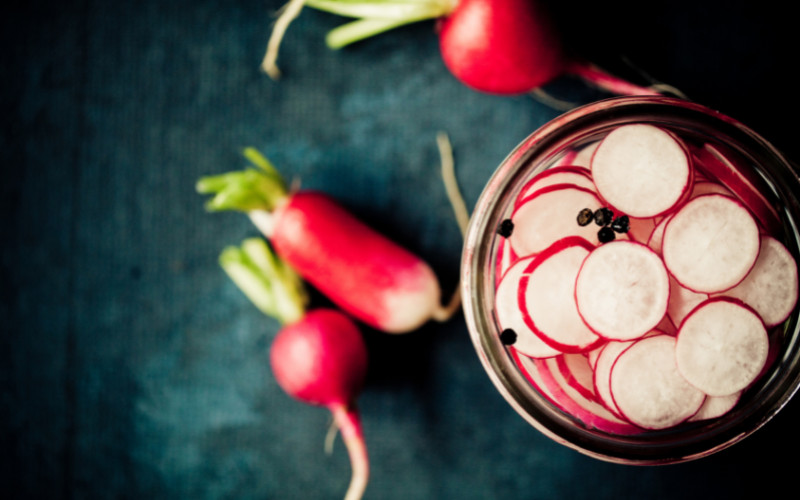
Lacto-fermentation : This method involves immersing radishes in a brine, allowing for prolonged preservation while developing unique flavors.
Keep in mind that each method has its own specific instructions to ensure optimal preservation. By following these tips, you can make the most of the flavors of pink radishes.
Easy recipe with pink radish
The pink radish is a versatile ingredient that can be incorporated into a variety of recipes to add color and crunch to your meals. Here is a simple and delicious idea to make the most of this small colorful root.
Crunchy salads
Salads are ideal options to highlight the fresh taste and crunchy texture of pink radishes. They pair perfectly with a variety of vegetables, fruits, and dressings. Here is an example of a simple recipe:
Sprinkle with young sprouts or chopped radish greens for a spicy note.
Varieties of pink radishes
The pink radish is an integral part of the family of Brassicaceae and is distinguished by its beautiful color and sweet flavor. There are many varieties of pink radish, each offering its own taste characteristics. These small crunchy roots are appreciated for their taste.
Classic pink radish
The classic pink radish is characterized by its round or oblong shape and its color, which ranges from pale pink to bright red. Often found in markets or family gardens from March to June, this type of radish adds a crunchy and refreshing note to salads and spring dishes. Its mildly spicy flavor and juicy texture make it a favorite among consumers. In cooking, it is enjoyed raw, sliced, or grated, but it can also be cooked to soften its flavor.
Other interesting varieties
In addition to the classic pink radish, there are radish varieties that deserve to be known for their originality:
Easter radishes: called so for its palette of bright colors reminiscent of Easter eggs, offers shades of pink, purple, and white.
'French Breakfast' radish: elongated, with a white base and a red tip, it is renowned for its tender texture and milder flavor.
'Pink Beauty' Radish: known for its intense and uniform pink color, it has a crunchy flesh with a sweet flavor.
Daikon radish: nicknamed white radish or Asian radish, it is a radish with an elongated shape and a milder taste, often used grated in Asian cuisines.
Each of these varieties can add variety to cooking. Radish enthusiasts can incorporate them into their eating habits to enjoy their flavorful properties.
Contraindications and precautions
Although the pink radish is generally considered safe for most people, there are certain precautions to take before consuming it, especially in the case of pre-existing digestive disorders such as heartburn or the gastric ulcers. The presence of sulfur compounds and its slightly pungent nature can irritate the sensitive gastric mucosa.
Additionally, individuals with thyroid issues should exercise caution since radishes belong to the cruciferous family, which are known for their ability to absorb iodine. This could interfere with the functioning of the thyroid in individuals with specific medical histories or undergoing treatment for thyroid conditions.
Always consult a healthcare professional before incorporating large amounts of radishes into your diet if you are undergoing medical treatment.
Potential allergies
Radishes, like all foods, can cause allergies in some people. Although cases are rare, allergic reactions to radishes can occur and manifest asHives, of itching, of respiratory difficulties or ofEdema. People with a history of food allergies or sensitivities to members of the family of Brassicaceae, which includes cabbage, broccoli, and kale, may be at a higher risk of developing an allergy to radish.
In the event of a suspected allergic reaction after consuming radishes, it is crucial to immediately consult a healthcare professional. It may be necessary to conduct specific tests to confirm the allergy.
Possible side effects
The consumption of radishes in large quantities can cause certain side effects, such as Bloating, of the gas or a intestinal discomfort due to the high fiber content. In individuals with a fragile intestinal lining, this can lead to an intensification of symptoms related to inflammatory conditions such as irritable bowel syndrome.
Furthermore, the characteristic spicy flavor of the pink radish could worsen symptoms in people suffering from gastroesophageal reflux or other digestive disorders. It is recommended to start with small amounts of radish to assess tolerance and adjust consumption according to the body's reaction.
However, for the majority of individuals, the pink radish consumed as part of a balanced diet does not cause significant side effects.
Importance of seasonality
Seasonality plays a key role in our approach to food. It refers to the time of year when fruits and vegetables are at their peak, meaning the moment when they naturally grow outdoors and are ready to be harvested. Eating seasonally means adapting our consumption to the natural cycles of agriculture. This ensures superior product quality in terms of freshness and taste, as well as a reduction in the environmental impact due to transportation and off-season production.
Impact on quality and taste
Products consumed during their natural growing season have more flavor. The pink radish, for example, is typically a spring vegetableConsumed from March to June, it is at its best. Out-of-season vegetables are often picked before they are ripe and require prolonged storage, which can reduce their flavor.
Promotion of sustainable eating
Opting for a seasonal diet promotes a Sustainable and responsible agriculture. This supports organic farming practices that respect natural growth cycles and reduce the use of chemicals. Additionally, by consuming seasonal products, we encourage the local economy by buying directly from regional producers, which decreases costs and the carbon footprint associated with transporting food. Furthermore, this contributes to the variation of eating habits throughout the year, allowing us to discover new flavors and vary meals.
FAQ: the pink radish
Q: What does the pink radish contain?
R: The pink radish is low in calories (14.5 kcal per 100 g) and contains fiber (1.4 g per 100 g).
Q: Can pink radishes be consumed in different ways ?
A: Absolutely! The pink radish can be eaten raw in salads, sautéed, or even pickled. Its spicy and refreshing flavor enhances many dishes.
Q: What is the consumption season for pink radishes ?
The pink radish is available year-round, with production peaks in spring and autumn. This allows it to be found fresh in markets during these periods, offering the best taste.