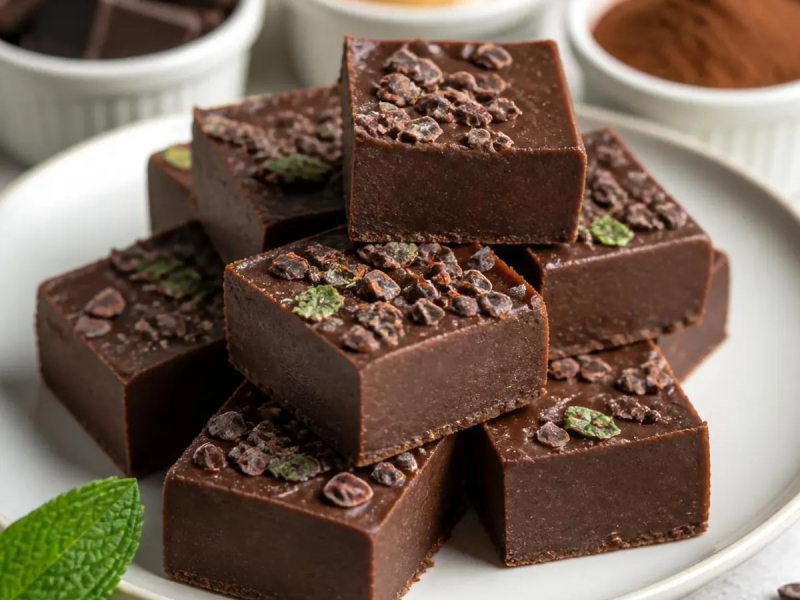



Making your own raw chocolate may seem intimidating, but in reality all it takes is a few well-chosen ingredients and a little method. This base recipe - cacao, cacao butter, dates and vanilla - can then be varied endlessly thanks to a long list of aromatic pairings, from lavender to chilli by way of rose. Enough to turn every batch into a new creation.
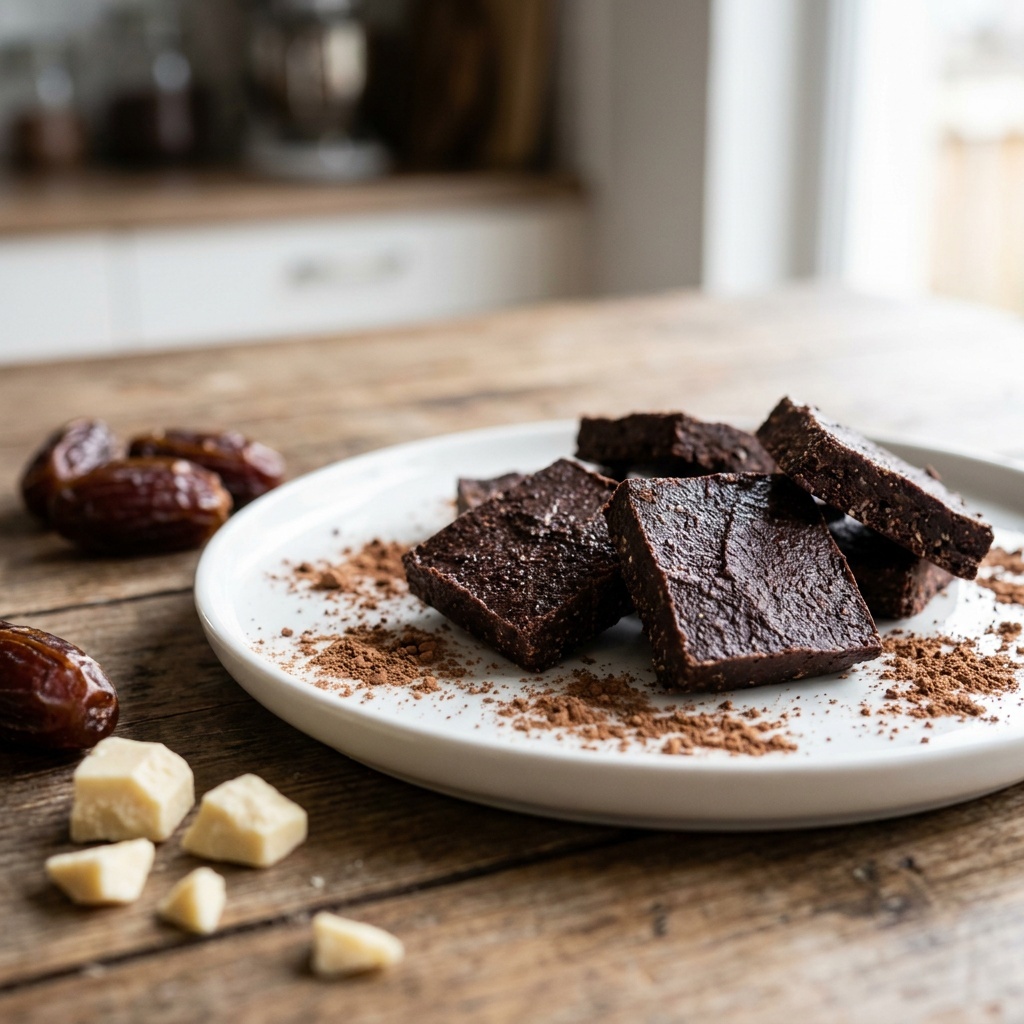
Homemade raw chocolate and its eight variations
Share this article
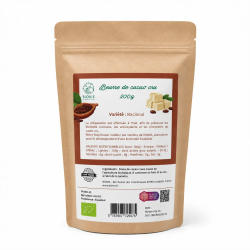
Organic raw cacao butter (Nacional variety)
€10.90 In stock
Ingredients
- 30 g raw cacao powder
- 100 g pitted dates, nice and soft
- 85 g cacao butter
- 1 vanilla pod, scraped (optional, but delicious)
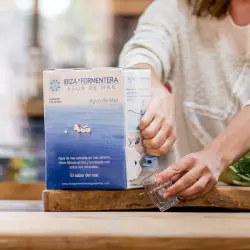
- 1 pinch of fleur de sel (optional, but delicious) (or the equivalent of 1 tablespoon - 15 ml - of seawater)
Possible variations
- Lavender and vanilla: a few pinches of dried lavender + 1 extra vanilla pod, scraped
- Lemon and fleur de sel: the zest of one lemon + an extra pinch of salt (or the equivalent of 1 tablespoon - 15 ml - of seawater)
- Smoked spices: a few pinches of ground cinnamon and smoked chilli
- Ginger and coconut: a few pinches of ground ginger and a little grated coconut
- Lime and cardamom: the zest of one lime + a few pinches of cardamom
- Spiced orange: the zest of one organic lemon + a pinch of chilli powder
- Rose love: a few drops of rose essential oil + dried rose petals to decorate
- Crunchy mint: a few drops of peppermint essential oil + 1 tablespoon of hulled hemp seeds
Method
- Pit the dates and mash them with a fork or in a food processor (remove the skin first if it is tough). Do not soak them: water would make the chocolate seize.
- Gently melt the cacao butter in a bain-marie over low to medium heat until perfectly smooth. Add the cacao powder, vanilla, salt and your chosen spices or flavourings, then mix thoroughly. Remove from the heat.
- Fold the dates gently into the mixture. If it is too hot to work with, let it cool for a few minutes in the fridge. Taste and adjust the sweetness or flavourings.
- Once the chocolate is cold and firm enough to form a ball, divide it in two. Place one half on a sheet of baking paper, fold the paper over it and flatten by hand to form a bar (or press into a chocolate mould). Leave to set in the fridge. Repeat with the other half.
Tip
Store the chocolate in a cool, dry place, away from direct light, to preserve its texture and aromas.
The full range Cacao
Biovie raw cacao comes from Ecuador, Nacional variety, bought directly from a cooperative under the SPP label (Symbol of Peasant Producers), with partner Rrraw Cacao Factory. Unlike conventional cacao, it is never roasted: the beans ferment, then dry in the sun at under 42 °C, which preserves its nutrients better than high-temperature roasting. It comes as whole beans, cacao nibs, powder or melting paste. To get started, try the nibs, which are easy to add to a yogurt or smoothie without any preparation., 11 products
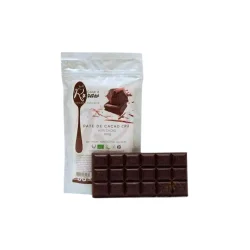
Online only
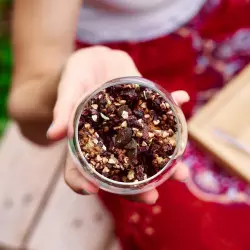
Raw cacao butter is part of our Raw Cacao range.
FAQ: your questions about cacao butter
How do you use cacao butter?
It is always worked melted, and always gently: in a bain-marie, over low heat, until you get a perfectly clear liquid. Above 45 °C you leave the realm of raw; above 50 °C you start to alter its aromas. Once melted, it is added to the powders last, stirring constantly to avoid lumps. One technical point explains many failures: any contact with water - soaked dates, a poorly dried utensil, condensation from the bain-marie - makes it seize into a grainy mass.
Can you eat cacao butter?
Yes, without reservation: it is the natural fat of the cacao bean, and it is exactly what already makes up half of any chocolate bar. In the form of buttons or chunks, it can be eaten as is - the taste is mild, slightly chocolatey, and the texture melts with the warmth of the palate. In practice, it is mostly used as an ingredient, because on its own it stays fairly neutral. Take care not to confuse it with cosmetic cacao butters, which are deodorised and not intended for food.
How do you make your own chocolate at home?
Nothing could be simpler once you understand the principle: a fat, a powder, a sweetener. Melt the cacao butter in a bain-marie, stir in the sifted cacao powder, then the sweetener of your choice - mashed dates here, but honey or coconut sugar work too. Pour into a mould and leave to set in the fridge. The classic proportions are around two parts cacao butter to one part powder, to be adjusted depending on whether you want a melting or a more intense chocolate. To go further, see also raw cacao.
Share this article
Related articles