10 eating habits to adopt... to truly change your daily life
Our fast-paced lifestyle often makes us neglect the essential: our diet. Ready-made meals quickly devoured, sugary snacks as meals, and bites swallowed in front of a screen are not exceptions: they too often become routine. Yet, sometimes small changes are enough to radically transform our relationship with food. Here are 10 avenues to explore!
1. Soak your grains… and dare to eat them raw!
White rice and classic pasta are popular, but have you ever tried replacing (at least partially) these refined grains with raw and unprocessed versions? Here's a small list to start the adventure (wheat, barley, spelt or rye "to sprout", kamut, hulled buckwheat or quinoa). These whole grains have more flavor and are more filling than refined versions.
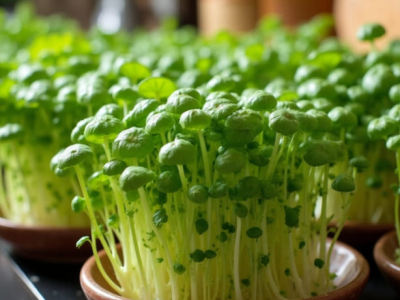
Bonus: explore new horizons with sprouting, for example by using a base of sprouted seeds to diversify your recipes. Even if you choose to cook them, sprouting clearly reduces cooking time and changes the flavor and texture.
2. Rediscover the importance of a real breakfast
If you're not hungry right out of bed, give yourself some time to wake up: take a shower, do some stretches, and then try to enjoy something light, like a fruit or a fiber-rich snack.
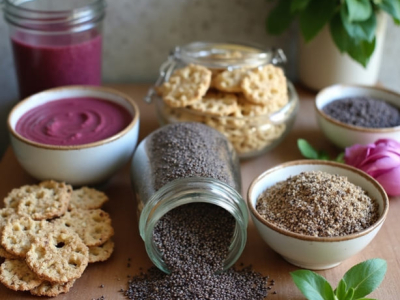
If you're in a hurry, prepare a chia pudding in advance by adding some fresh fruits at the last moment, to enjoy later in the morning. Rich in fiber and omega-3, chia seeds provide a delightful texture and a good satiating effect. The essential thing is to avoid spending the morning on an empty stomach.
3. Eat lighter in the evening
Many of us skip lunch and end up compensating in the evening by grabbing everything we find in the fridge. The problem is that our body won't have the chance to burn off this energy before bedtime.
Tip: Establishing good eating habits in your daily diet by distributing caloric intake throughout the day (hearty breakfast, satisfying lunch, light dinner) can really make a difference. You might even rediscover the feeling of hunger upon waking!
4. Cut back on sugar... by swapping it for better alternatives
If you systematically sweeten your tea, coffee, or herbal tea, you sometimes add a large amount of sugar to your day without realizing it. Not to mention the hidden sugars in some industrial products, dishes with industrial sauces, refined cereals, or processed products, which can contain sweeteners and added sugars in large quantities.
To keep the pleasure of a sweet taste, try using alternatives (like a drizzle of honey or a bit of stevia), and gradually reduce the quantities. The goal is not to deprive yourself of everything, but to cut down on sugar step by step.
5. Give fibers the spotlight
Fibers are our great allies, yet we often forget them. A good reflex is to include some at every meal.
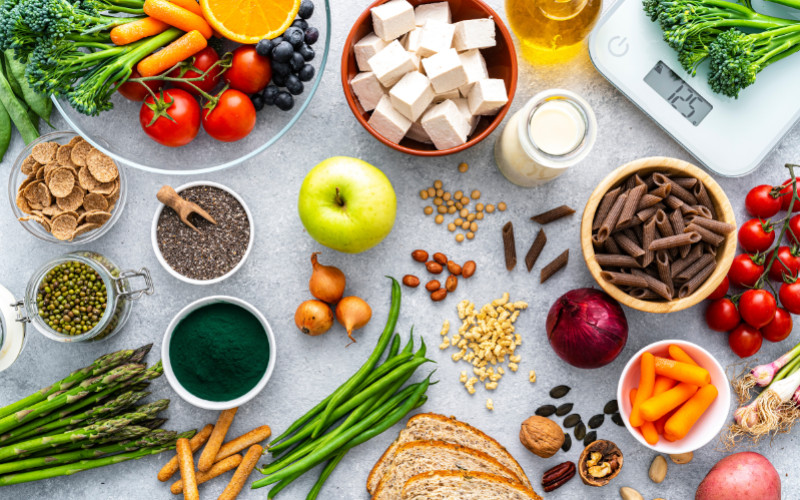
Where to find them? Legumes (lentils, chickpeas...), whole grains, seeds (flax, sunflower...), nuts (almonds, hazelnuts...), oilseeds, and green vegetables (spinach, arugula...). Bonus: they provide a lasting feeling of fullness, thus reducing the urge to snack.
6. (Re)give meals their rightful place
Eating in front of your computer, in three bites, is not trivial: you no longer take the time to enjoy your meal.
Tip: sit at the table, away from screens, savor each bite, take the time to chew... This "mindfulness" approach will help you better feel satiety and fully appreciate healthy foods.
7. Play with spices
Don't shy away at the mention of "spices": not all are synonymous with burning dishes! Turmeric, cinnamon, cardamom, ginger, cumin or sweet paprika can enhance your dishes without burning your mouth.
Spices bring an explosion of flavors and let you vary dishes without adding salt or fat. A mild curry, for example, brings delicate flavors that completely change the meal routine.
8. Replace meat with plant-based proteins
No need to become a strict vegetarian to gently change your habits: replacing animal proteins with protein-rich foods like legumes (split peas, red beans) or quinoa ensures a balanced intake of plant-based proteins while varying culinary pleasures.
Advantage: it is a way to discover other tastes, reduce your environmental impact, and give more room to fibers and minerals. Integrating these choices into a good diet ensures optimal nutritional balance while limiting meat consumption in favor of plant-based sources rich in proteins. A balanced dish made of legumes, vegetables, and whole grains can be as nourishing (and tasty!) as a meat-based meal.
9. Start, or restart, cooking
Even if you think you don't have the time, cooking for yourself allows you to control the quality and quantity of ingredients. Say goodbye to industrial preparations saturated with salt, fat, or dubious additives, in favor of foods rich in essential nutrients, promoting a healthier and more balanced diet.
Idea: try "batch cooking", which involves preparing several dishes in advance (on the weekend, for example) so that you only have to assemble meals during the week. This saves time, uses fresh products, and avoids frozen meals every night.
10. Allow yourself pleasure… without guilt
Feeling guilty for every little indulgence is not useful. Dietary balance is built over time, with a majority of healthy and balanced meals. Occasional small indulgences are part of a normal and fulfilling life.
The important thing is not to fall into daily excess or permanent deprivation. Find the right balance that allows you to adopt a diet that is varied, balanced, and suited to your needs, while taking care of yourself without excessive frustration.
Final Words
Adjusting your eating habits is not about embarking on an unsustainable revolution in the long term, but rather learning to know yourself better, listen to your body, and respect its rhythm. By incorporating a living diet, focused on natural products, you give more room to unprocessed products, simple to cook. By trying these ten tips (in your own way, at your own pace), you might discover that eating can once again become a true moment of pleasure, for your everyday pleasure. Enjoy your meal!
Two products, one plant: barley grass powder (whole dehydrated shoots, rich in fiber) and barley grass juice powder (pressed juice then dried at low temperature, more concentrated and fiber-free). The first suits daily maintenance or seasonal changes; the second is better suited to targeted courses, for example as a support during a fast. Biovie also offers organic barley seeds for those who want to grow and press their own barley grass juice at home, using a juicer. In both cases, allow one tablespoon per day., 4
products
FAQ: your most frequently asked questions about daily eating habits
Why soak or sprout grains before eating them?
Soaking or sprouting whole grains (wheat, barley, spelt, buckwheat, quinoa) reduces cooking time. These grains are also more filling than refined versions.
Why is it important to eat a real breakfast?
The key is to avoid starting the morning on an empty stomach: a piece of fruit, a chia pudding prepared the night before, or a fiber-rich snack are good options for a gentle start to the day.
Where can you find dietary fiber?
It is found in legumes, whole grains, seeds, nuts, and leafy greens. It also provides a lasting feeling of fullness.
How can I replace meat with plant-based protein day to day?
Without becoming vegetarian overnight, gradually replacing animal protein with legumes (split peas, kidney beans) or quinoa helps ensure a balanced protein intake while adding culinary variety and reducing your environmental footprint.
How do I adopt these eating habits without putting pressure on myself?
Dietary balance is built over time, with a majority of healthy, balanced meals. Occasional small slip-ups are part of normal life: the key is to avoid falling into daily excess or permanent deprivation, and instead find the right middle ground suited to your needs.