


Here is a way to see in the New Year with a little festivity: raw doughnuts made from a cashew and flax seed dough dried in the dehydrator, then dressed in colourful coconut butter glazes and a handful of cheerful toppings. Irish moss, that red seaweed soaked then blended, plays the binder here: it is what gives the dough its hold and its softness without ever going near an oven. The move that changes everything is wetting the ice cream scoop between each portion, otherwise the dough clings to it and the doughnuts lose their round shape. A full night of drying at 45 °C is enough to firm them up so they can be handled and glazed without losing their shape. The glaze is made in one go, from softened coconut butter, then divided into small bowls flavoured differently - raw cacao, freeze-dried strawberries, acai, fresh blueberries, dried apricots. Rich and satisfying, they hold their own against any baked version, provided you keep them cool once glazed.
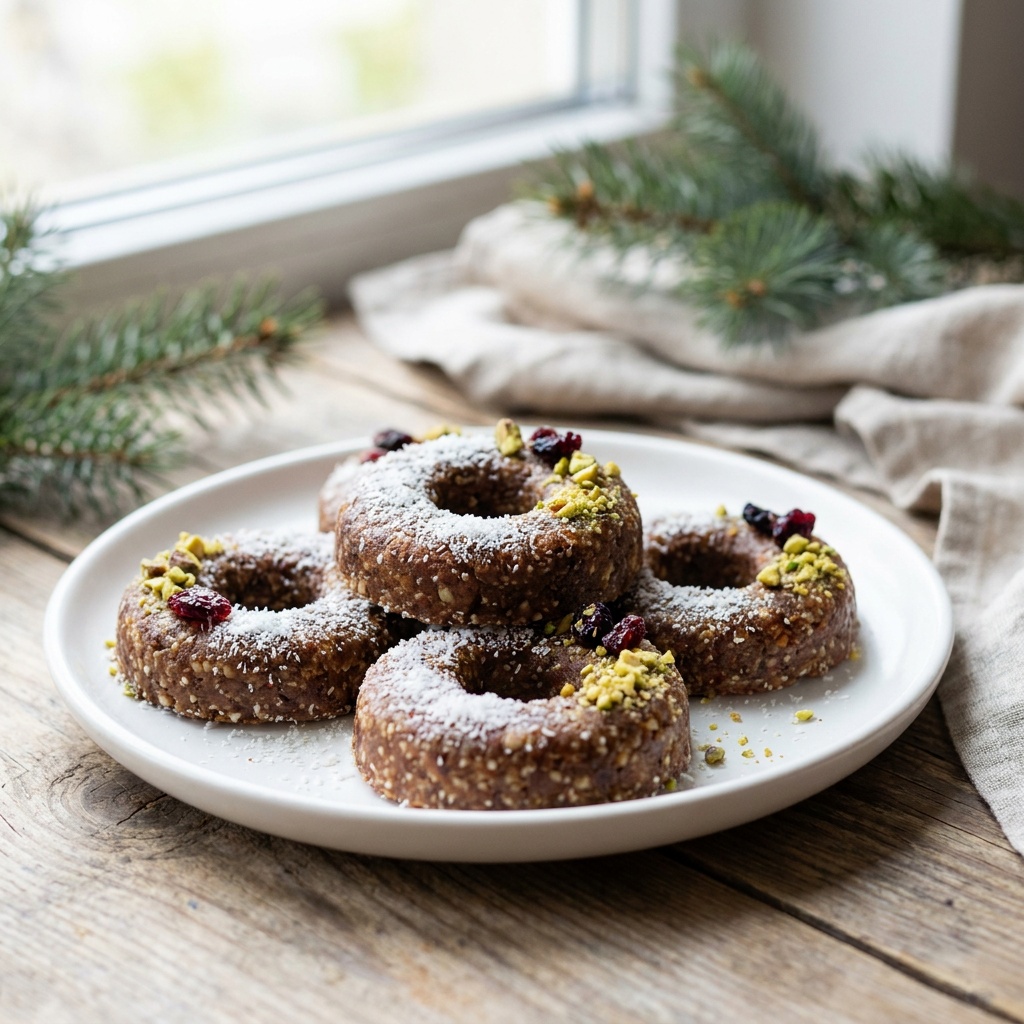
New Year raw doughnuts with colourful coconut butter glazes

Share this article
Ingredients
Doughnuts
- 2 cups cashews, soaked for at least 4 hours
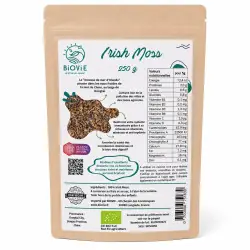
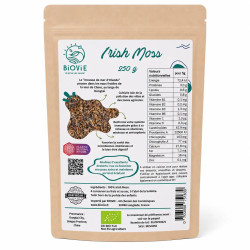
- 1/2 cup Irish moss, rinsed very thoroughly and soaked for 10 minutes or more in hot water
- 1 cup water
- 1/2 cup raw honey
- 2 tablespoons maca powder, optional
- 1/4 teaspoon salt
- 2 tablespoons sprouted pecan butter, or another nut butter
- 2 tablespoons ground almonds
- 3/4 cup ground flax seeds
Glaze
- Coconut butter, softened in hot water, as the base
- Raw agave syrup or another sweetener, to taste
- Flavourings of your choice: raw cacao powder, freeze-dried strawberries, acai powder, fresh blueberries, dried apricots
Toppings
- Shredded coconut, cacao nibs, dried apricots, freeze-dried strawberries, freeze-dried cherries
Preparation
- In a high-speed blender, blend the cashews, Irish moss, water, honey, maca, salt and nut butter until completely smooth, then pour into a mixing bowl.
- Stir in the ground almonds and ground flax seeds until the mixture is even.
- Scoop the dough with a wet ice cream scoop onto a dehydrator tray lined with a non-stick sheet, re-wetting the scoop between each portion.
- Flatten each mound with damp fingertips, then press a hole through the centre with a wet piping tip or an apple corer; the dough from the holes reshapes into extra doughnuts.
- Dehydrate at 45 °C overnight, then peel away the non-stick sheet and continue drying until the doughnuts are firm enough to handle and glaze.
- Soften the coconut butter in hot water, divide it among small bowls and flavour each one differently, adding agave to taste.
- Dip or spread the glaze over each doughnut, add your chosen toppings, and keep refrigerated once glazed.
Tip
Rinse the Irish moss for longer than you think necessary: that rinsing is what removes the marine taste and any remaining grit, and a poorly rinsed seaweed shows up immediately in a dessert. If the dough stays too soft to shape, add a tablespoon of ground flax seeds and let it rest for ten minutes before starting again.
The full range Dry algae
10 products
FAQ: your questions about raw Irish moss doughnuts
How do you eat sea moss?
In raw cuisine it is almost always eaten as a gel: the dried seaweed is rinsed generously, soaked until it swells, then blended with a little water until smooth. That gel then keeps for several days in the refrigerator and is stirred by the spoonful into smoothies, dessert creams, raw cheesecakes or, as here, into a doughnut dough. Its taste is very discreet once properly rinsed, which is why it is used mainly for its texture.
What is the difference between a fritter and a doughnut?
The doughnut is one particular kind of fritter: a ring with a hole in the middle, born in the United States, usually glazed or sugared on the surface. The word fritter is far broader and covers any fried dough, with or without a hole, filled or plain. In this recipe we keep the doughnut silhouette - the ring and the glaze - but with no frying and no cooking at all, since the dough is simply dried in the dehydrator.
Where can you find sea moss?
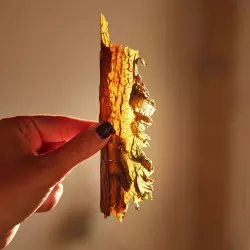
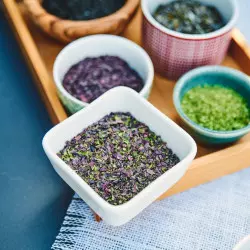
It is mostly found online, from shops specialising in living food and seaweed, under the names Irish moss, Irish sea moss or sea moss. It comes either as whole dried seaweed, to rinse and soak yourself, or already ground to a powder, quicker to use but still needing rehydration. Always check the origin and the drying method: seaweed dried at low temperature keeps its qualities better than a product harshly sun-bleached.
Share this article