



Dry algae
There are 10 products.
-35%

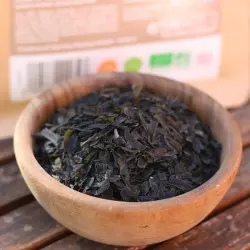
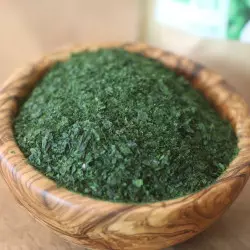
Dehydrated Curly Wakame Seaweed
€17.42 €26.80

New to
Biovie?
Discover living food
at your own pace.
You have seen 10 of 10 products
Questions & answers
All about Dry algae.
The questions we get asked most often, and our straight answers.
🌿 How do you rehydrate dried algae?
Dried algae are used as they are, and often it is not really necessary to rehydrate them, as they will find water in the dishes with which they are combined.
🪸 If you want to enjoy them on their own, you can rehydrate them with water, oil, lemon juice, or prepare a delicious plant-based tarama or even tasty sea spaghetti!
🪸 If you want to enjoy algae as close to their natural state as possible, we recommend you turn to our fresh algae, which are harvested, washed, and salted with sea salt for preservation.
🌿 How are our dried algae selected?
🪸 Our seaweed is hand-harvested in Roscoff, a significant French location for wild seaweed harvesting. This traditional harvesting method in the tidal area of Roscoff during large low tides and in a UNESCO-classified area allows the harvesters to select the edible seaweed according to their own quality criteria.
🪸 Our supplier BRETALG is the most experienced and oldest harvester in Roscoff. After harvesting, the seaweed is sorted and washed before being dried at a low temperature, which is important to retain the full nutrient content of the seaweed.
🌿 What are the nutritional benefits of dried algae?
🪸 Dried edible seaweeds are a real boon for health. It is very important to choose low-temperature dried seaweed to retain maximum nutrients. One point to understand is that Seaweeds grow in an environment that contains numerous minerals, but especially a large number of valuable trace elements, which are essential as catalysts in many metabolic reactions in the body.. Then the algae contain compounds such as polysaccharides, pigments, essential fatty acids with health-beneficial properties.
Hence the importance of dehydrating seaweed at a low temperature (40°C) in order to best preserve all their nutritional richness !
🪸 The main health benefits they provide :
🌿 Wakame : This brown algae is particularly rich in iodine, a Vital element for the proper functioning of the thyroid. She is also a excellent source of calcium, essential for bone health, and contains vitamins A, C, and E, which have antioxidant properties. Moreover, the Wakame is known for his/her/its fucoxanthin content, a pigment that could help burn fat. Wakame contains approximately 10 to 20% protein by dry weight.
🌿 Nori : Often used to make sushi and in particular of the raw sushi, the Nori is a red algae particularly rich in protein. She is also a precious source of vitamin B12. Moreover, it contains high levels of fiber, beneficial for digestion. It is one of the easiest dried algae to use, as its leaf shape lends itself to multiple uses. The algae Nori is one of the algae richest in protein (between 30 to 50% protein by dry weight).
🌿 Kombu : This brown algae is a rich source of potassium, , and in other essential minerals such as calcium, magnesium, zinc, iron, and selenium. The Kombu also contains Fucoidan, , a complex polysaccharide that has shown anti-inflammatory, antiviral, and anticancer properties in some studies. This algae contains about 5 to 15% protein by dry weight.
🌿 Sea beans : Also known as "sea spaghetti", these algae are rich in fiber, protein, and vitamins. They also contain some antioxidants that can help fight free radicals in the body. TheSea beans contain approximately 7 to 15% protein by dry weight.
🌿 Dulse : This red algae is a excellent source of iron and potassium. It also contains some vitamins B6 and B12, as well as the Vitamin E. . Its unique flavor and crunchy texture with a subtle nutty taste make it an easy seaweed to include in cooking.. The dulse contains approximately 10 to 25% protein by dry weight.
🌿 Sea lettuce : This green algae is known for its tTender texture and its mild flavor, reminiscent of lettuce. She is rich in protein, iron, calcium, and magnesium. Moreover, it contains some vitamins A, C, and B12, making it an excellent nutritional supplement. The sea lettuce contains about 15 to 25% protein by dry weight.
On each of our product sheets dedicated to dried seaweed, you will find details on their numerous benefits as well as some recipe ideas.
🪸 We invite you to check out our scientifically sourced blog articles to help you better understand algae. :
Seaweed and Microalgae: Benefits, Nutrients, Culinary Uses
Demystifying the relationship between algae and the thyroid
Fucoidan: Unveiling the Benefits of Brown Algae for Inspired Longevity
Seaweed: The Superfoods of the Sea, Allies for Your Health and the Planet
Fucoxanthin: Can this brown algae really help with weight loss ?
Okinawa diet and seaweed: the longevity secret of Japanese centenarians
Algae proteins: the complete alternative to meat decoded
Plant-based iron: why algae outperforms red meat
🪸 On our YouTube channel, also find several videos about the use of algae, including this one Interview conducted with a naturopath, about their different nutritional virtues:
🌿 We have also written two books and Cookbooks about algae. Do not hesitate to treat yourself to them in order to make the most of the Exceptional taste qualities and nutritional richness of edible seaweeds ! !
🪸 Cooking with seaweed at Marie Claire Publishing
🪸 Algae in everyday life Published by Gallimard, Voted the best cookbook in the world at the Gourmand Awards 2025 (Seafood category) & Named the best wellness cookbook of 2025 in France by the National Academy of Cuisine.