Fast delivery
.png)
 Fair prices



Type "mucoid plaque" into Google. The first result tells you it doesn't exist. The second one is us. That's the paradox of this topic, and it's exactly why I wanted to rewrite this article: no dogma, no selling you a fantasy, just separating what science actually validates from what it disproves.
In the language of naturopathy, mucoid plaque refers to a buildup of mucus and residue that supposedly coats the intestinal walls. The problem: this specific concept has never been seen during a colonoscopy or documented by medical research. The mucus layer that lines your colon, on the other hand, is very real, and its condition depends largely on what you eat. That distinction changes everything.
Contents
Video: natural intestinal cleansing and mucoid plaque
Mucoid plaque: definition and what science (really) says
Mucoid plaque is an alternative-medicine concept that describes a layer of mucus and waste built up on the intestinal wall. Medical research does not confirm that it exists: no peer-reviewed study documents it, and it is never seen during a colonoscopy. Let me be clear about that from the start.
Why do I start there? Because you deserve honesty. On PubMed, the reference database for biomedical research, a search for "intestinal mucoid plaque" returns no clinical studies. The Mucoid plaque page sums it up bluntly: no peer-reviewed evidence, never visualized on medical imaging.
So is all of it false? No. And that's where it gets interesting.
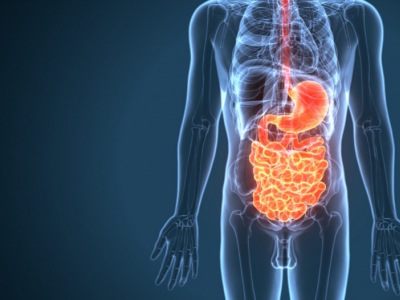
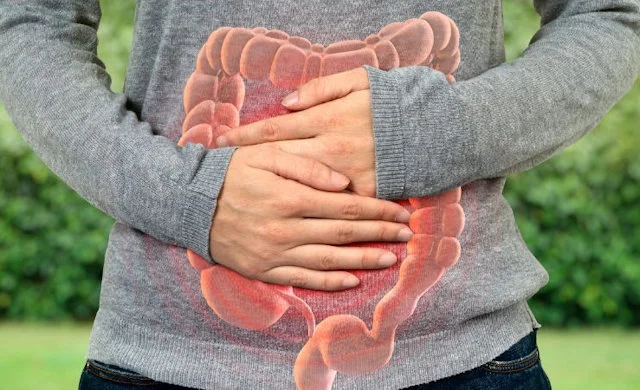
What is perfectly real is the intestinal mucus layer. Your colon is lined with a protective gel made of mucins, secreted continuously. This mucus acts as a barrier between your cells and the billions of bacteria in your microbiome. And here's the fascinating part, documented by research: this barrier depends directly on what you eat.
A study published in the journal Cell in 2016 (Desai et al.) showed that, under chronic fiber deprivation, the gut microbiota starts to "nibble" on the mucus layer for food, weakening the protective barrier. It's a study done in mice, so it should be read with caution. But the mechanism is solid and reproducible.
See the nuance? There's no "crust" to scrape off your intestines. But there is, genuinely, a colonic mucus whose quality is decided on your plate. The rest of this article rests on that real physiology, not on the myth.
Composition: what are we actually talking about?
When "cleanse" protocols mention gelatinous material expelled in the stool, what is it really? In the vast majority of cases, this residue is the gel formed by soluble fibers and the agents used during the cure (psyllium, clay, mucilaginous seeds), mixed with intestinal contents. Not a layer detached from the wall.
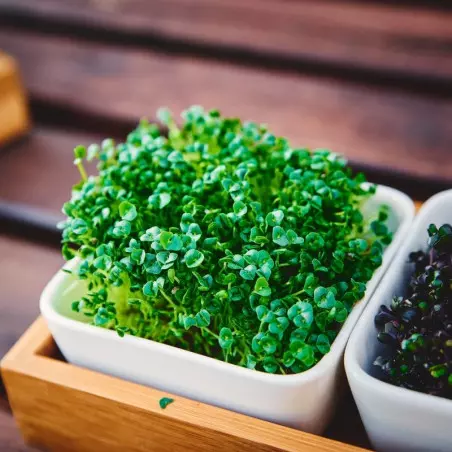
That takes nothing away from how useful the foods involved are. Chia seeds and psyllium are excellent sources of soluble fiber, which contributes to regular transit. It's documented, and we'll come back to it below.
Factors that encourage a sluggish gut
Rather than talking about "plaque formation," let's talk about what actually slows your digestion down. Several factors play together:
- A low-fiber diet: ultra-processed foods, few plants, and transit slows down
- Chronic stress: it disrupts gut motility (our famous second brain)
- A sedentary lifestyle: the less you move, the less the gut contracts
- Not enough hydration: harder stools that are tougher to pass
These factors reinforce one another. That's why a whole-picture approach works better than a one-off cure. If the topic speaks to you, we went into detail on the causes of digestive problems in a dedicated article.
Symptoms: the signs of a sluggish gut
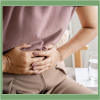
The most commonly reported signs are constipation, bloating, a swollen-belly feeling, and general digestive discomfort. A caution: these are symptoms of your digestive terrain, not proof of a "plaque" to get rid of. The distinction matters, for you as much as for me.
Concretely, here's what comes up most often when people write to us:
- Constipation and irregular transit
- Bloating and gas after meals
- A heavy or swollen-belly feeling
- Diffuse digestive discomfort
- Sometimes, a tiredness felt after meals
These signs are worth paying attention to. Not worth worrying about excessively, but worth adjusting your lifestyle for.
Digestive problems: what we can honestly say
Chronic constipation often comes with bloating and abdominal discomfort. When transit slows down, the fermentation of food in the colon can produce more gas, hence the feeling of distension. Nothing mysterious about it: it's basic physiology.
In some cases, this discomfort is linked to a particular food sensitivity. If you suspect gluten, for example, take a look at our article on gluten intolerance. And when problems persist, it's time to see a doctor, always.
Influence on overall health: sorting fact from fiction
This is where the most shortcuts circulate. So I'm going to be precise.
The autointoxication myth. The idea that a "clogged" gut reabsorbs toxins that poison the body is an old theory, dating back to the early 20th century, and largely abandoned by medicine today. Your liver and kidneys handle elimination continuously. I'd rather tell you that frankly than keep an unfounded fear alive.
What is solid, on the other hand. A significant part of the body's immune tissue is indeed associated with the gut (the GALT, gut-associated lymphoid tissue). A balanced microbiome contributes to the proper functioning of the intestinal barrier. When you eat a varied, fiber-rich diet, you support this ecosystem. That's a contribution, not a miracle cure.
And the famous Alzheimer's study quoted all over the place? Preliminary research is looking at the link between the gut microbiome and brain health, via the gut-brain axis. It's a fascinating field, but still exploratory. Turning it into an argument for "cleaning out your mucoid plaque" would be dishonest. So I won't.

Intestinal detox: the gut knows how to clean itself
Good news: your gut doesn't need to be "stripped down." It's a remarkable organ of elimination, one of your emunctories, that renews and cleans itself continuously. The intestinal wall actually regenerates in just a few days.
So instead of trying to "purge" at all costs, the real question is: how do you give it the best conditions to do its job well? The answer lies largely in your microbiome. By feeding it properly, you naturally support the whole system. We wrote a whole article on how superfoods nourish our gut microbiome.
Natural ways to support a healthy gut
How do you encourage good transit and a gut in good shape? Here are the levers that have proven themselves, from the most important to the most secondary:
- Eat more fiber. This is lever number one. Health authorities recommend around 30 g of fiber a day, and most of us fall well short. Fiber acts as a natural broom for transit.
- Hydrate. 1.5 to 2 liters of water a day, without which fiber can't do its job. Good hydration changes everything.
- Lean on mucilaginous seeds. Chia and psyllium swell on contact with water and form a gel that makes evacuation easier.
- Add fermented foods. They bring in living microorganisms that enrich the microbiome.
- Move every day. Regular physical activity, even just 30 minutes of walking, stimulates intestinal peristalsis.
- Manage your stress. Meditation, breathing, quality sleep. The gut and the head are connected. To dig deeper, see our tips for managing stress and our keys to getting your sleep back naturally.
And this isn't belief. It's validated.
Fiber and transit. A meta-analysis published in the American Journal of Clinical Nutrition in 2022, covering 16 randomized controlled trials and 1,251 participants, showed that fiber supplementation (psyllium leading the way) increased stool frequency by about 3 per week, with 66% responders versus 41% on placebo. That's concrete.
Fiber and the mucus barrier. As we saw, the Desai study (Cell, 2016) shows that a low-fiber diet weakens the colonic mucus layer. Eating fiber, then, also feeds that barrier.
Butyrate, your colon's fuel. When your bacteria ferment fiber, they produce short-chain fatty acids, butyrate among them. A 2023 scientific review notes that butyrate is the main energy source for colon cells, that it stimulates mucus production, and that it contributes to the integrity of the intestinal barrier. It's all connected: fiber, microbiome, mucus, transit.
You'll notice that none of these mechanisms talk about "scraping off a plaque." They talk about feeding a system. A major distinction.
The Zencleanz method: our experience in the field
I'm going to tell you a story, because it's true and it captures my relationship to these subjects.
On a trip to Bali, Aurélie and I met the creator of an intestinal-cleansing protocol based on plant enzymes fermented in cascade over three years. We spent time with him, asked our skeptical scientist's questions, and tested the protocol ourselves. With more than a year of hindsight now, what I can share is a subjective experience: a sense of digestive lightness and gut comfort after the cure. Nothing more, nothing I could present as medical proof.
The Zencleanz One kit is built on enzymes (in the form of powders and liquids, never tablets or capsules). One note, and I want to be transparent here: this product is in the process of being approved and imported into Europe. It can still be ordered from our partner Zencleanz in Taiwan, with a 5% discount via the code BIOVIE.
Video: interview on fermented plant enzymes
As for feedback, one of our customers, Maï, shares her experience with the enzymes (Google review, 5/5): "I took the enzymes for two months for slow digestion and bloating. Today that's over, I feel alive again." A subjective testimonial, which I pass on to you as-is, without making it a promise.
Living foods and gut health
If there's one thing to take away from my 33 years in this field, it's this: what happens on your plate matters a thousand times more than any one-off cure. Living food is, in my view, the best ally of a gut in good shape.
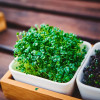
Raw foods and young shoots. Rich in fiber, enzymes, and micronutrients, raw foods and sprouted seeds support good digestion. It's the foundation of our approach at Biovie.
The role of fiber. I won't dwell on it, we've talked about it. But it contributes to transit and feeds the microbiome. It can also slightly reduce the absorption of certain compounds, though that effect stays limited.
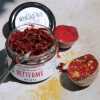
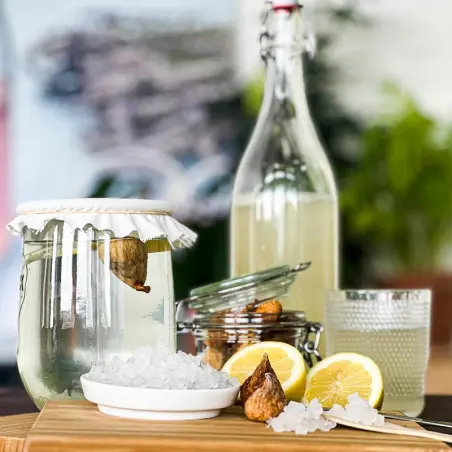
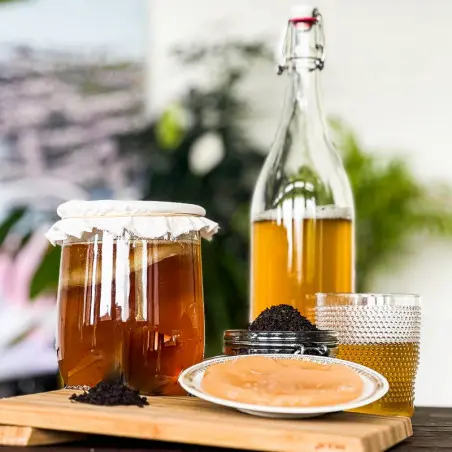
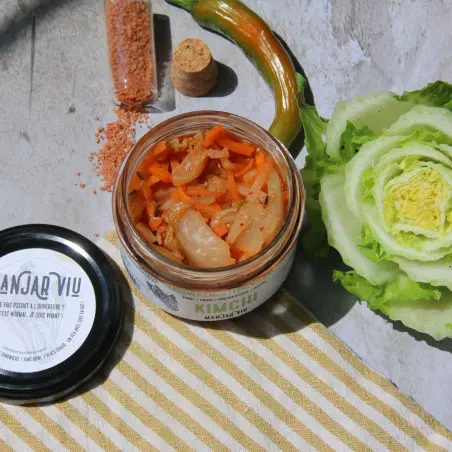
Fermented foods. Raw sauerkraut, kefir, kombucha, kimchi. These are my favorites. They bring in living microorganisms that enrich the gut flora. We explained it all in our article on the benefits of fermented foods. To try them at home:
Barbara, a loyal customer, writes to us (Google review, 5/5): "My microbiome is delighted." Short, but it captures the spirit nicely.
The role of enzymes. Food enzymes take part in breaking down food and ease the digestive workload. A subject I love, because here we touch on the living in its purest state.
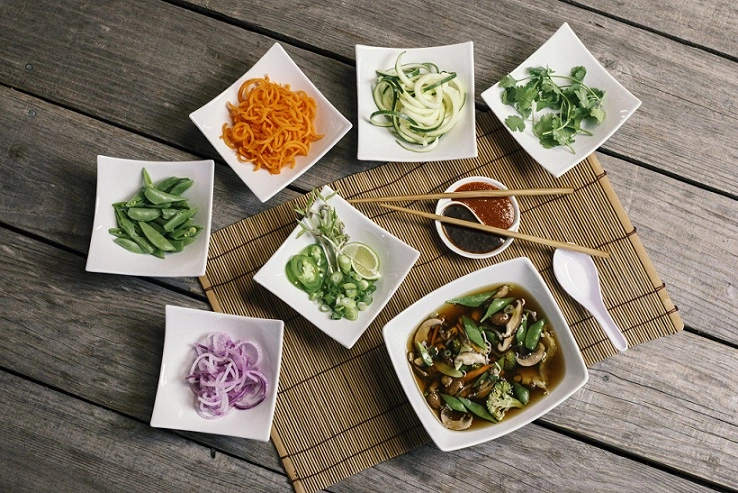
Keen to get started with living food? Start gently, at your own pace. A few sprouted seeds on your salads, a glass of kefir in the morning, and watch how your body responds. Not all-or-nothing. Just consistency.
Video: testimonial on living food
Mucoid plaque: 5 mistakes to avoid
In trying to do the right thing, we can end up doing harm. Here are the traps I see come up most often around "intestinal cleansing."
1. Stacking aggressive purges. Repeated "deep cleanse" cures, based on powerful laxatives or high-dose castor oil, can irritate the lining and throw off transit. Balance always beats shock.
2. Falling into laxative dependence. Used repeatedly, stimulant laxatives can create a habit: the gut ends up "waiting" for the nudge. It's a vicious circle that's hard to break out of.
3. Increasing fiber all at once. Going abruptly from little fiber to a lot, without drinking more, is a guarantee of bloating. You build up gradually, over several weeks.
4. Believing in express results. A healthy gut is built over time, not in 48 hours. Be wary of miracle promises, wherever they come from.
5. Ignoring the signals that call for a doctor. Pregnancy, breastfeeding, inflammatory bowel disease, suspected obstruction, intense pain, or blood in the stool: you see a doctor, full stop. No natural cure replaces medical advice.
Conclusion: consistency over the shock cure
So, mucoid plaque, myth or reality? The concept as it's sold, that of a crust to scrape off, doesn't hold up against science. But behind the word lies a real, legitimate question: how do you keep a gut in good shape?
And there, the answer is beautifully simple. Fiber, water, movement, fermented foods, less stress. No miracle cure. Consistency.
That's what matters to me in this article: giving you the real keys, without scaring you or selling you hot air. To go further, explore our wellness information, our inspiring recipes, and our living-food tips. At your own pace, always.
Your questions, our answers
What exactly is mucoid plaque?
Mucoid plaque is a naturopathy concept describing a buildup of mucus and residue on the intestinal wall. Medical research does not confirm it: it has never been seen during a colonoscopy. The colon's mucus layer, on the other hand, is very real, and its quality depends on diet.
Does mucoid plaque really exist?
In the sense of a solid layer to peel off the intestines, no: no peer-reviewed study documents it. What does exist is the physiological colonic mucus, the quality of the microbiome, and the state of transit. Those are the realities worth acting on.
What are the main symptoms of a sluggish gut?
The most frequent signs are constipation, bloating, a swollen-belly feeling, and general digestive discomfort. These are symptoms of your digestive terrain, to be taken as lifestyle indicators, not as proof of a plaque to eliminate.
How do you empty the colon and de-bloat the belly naturally?
By supporting transit: gradually increase fiber (aim for around 30 g a day), drink 1.5 to 2 liters of water, move every day, and add fermented foods. The belly de-bloats when digestion and the microbiome find their balance again, as part of a varied diet.
Does living food help with good transit?
Yes. Rich in fiber, enzymes, and micronutrients, living food contributes to good digestion and regular transit, and feeds the gut microbiome. It's a foundational support, over the long term.
Which foods best support the gut?
Chia seeds and psyllium (soluble fiber), leafy green vegetables, fresh vegetable juices, and fermented foods like raw sauerkraut, kefir, or kimchi. These are allies of transit and the gut flora.
Can you clean your gut quickly?
The gut cleans itself continuously: its wall renews itself in a few days. Rather than an express purge, lasting changes to diet and lifestyle are the better bet. Too harsh an approach is often counterproductive.
What's the link between stress and digestion?
Chronic stress disrupts gut motility, slows transit, and can unbalance the microbiome. That's why stress management and good sleep are an integral part of good digestive health.
Does physical exercise help transit?
Yes. Regular physical activity stimulates peristalsis, those intestinal contractions that move food along. Thirty minutes of walking a day is already enough to make a difference.
Does a sluggish gut hinder nutrient absorption?
Disrupted transit and an unbalanced microbiome can affect digestive comfort and, indirectly, the efficiency of digestion. Supporting your gut through diet contributes to better assimilation, as part of a varied and balanced diet.
Scientific references
- van der Schoot, A., Drysdale, C., Whelan, K., Dimidi, E. (2022). "The Effect of Fiber Supplementation on Chronic Constipation in Adults: An Updated Systematic Review and Meta-Analysis of Randomized Controlled Trials". The American Journal of Clinical Nutrition, 116(4), 953-969. Meta-analysis of 16 randomized controlled trials, 1,251 participants (high level of evidence).
- Desai, M.S., et al. (2016). "A Dietary Fiber-Deprived Gut Microbiota Degrades the Colonic Mucus Barrier and Enhances Pathogen Susceptibility". Cell, 167(5), 1339-1353. Mechanistic study in mice (preclinical evidence).
- "Gut Microbial Metabolite Butyrate and Its Therapeutic Role in Inflammatory Bowel Disease: A Literature Review" (2023). Literature review on butyrate and the intestinal barrier (evidence synthesis).
- "Mucoid plaque". Encyclopedic synthesis: no peer-reviewed evidence for the existence of the concept.
- ANSES. "Consumption guidelines and fiber intake (around 30 g/day)". French institutional reference.
In practice
Last updated: June 2026. Article reviewed by Éric Viard, founder of Biovie and ISTOM engineer, co-author of "Algues au quotidien" (Gallimard, 2024) — Best Cookbook in the World, Gourmand Cookbook Awards 2025, and Best Cookbook in France, Académie Nationale de Cuisine 2025.
Disclaimer: the information presented in this article is provided for informational purposes and does not constitute medical advice. Consult a qualified healthcare professional before making any changes to your diet or supplementation. As part of a varied and balanced diet and a healthy lifestyle.