Emunctories: liver, kidneys, skin, intestines and lungs, how they work
The elimination of waste is a vital process for our body. In this article, we will explore the fascinating world of Emunctories, these organs responsible for eliminating waste from our body. Discover how the liver, the kidneys, the skin, the intestines and the lungs work in synergy to maintain our internal balance.
After this reading, you will know:
What excretory organs are and their crucial role ;
How does each of the 5 main excretory organs work ;
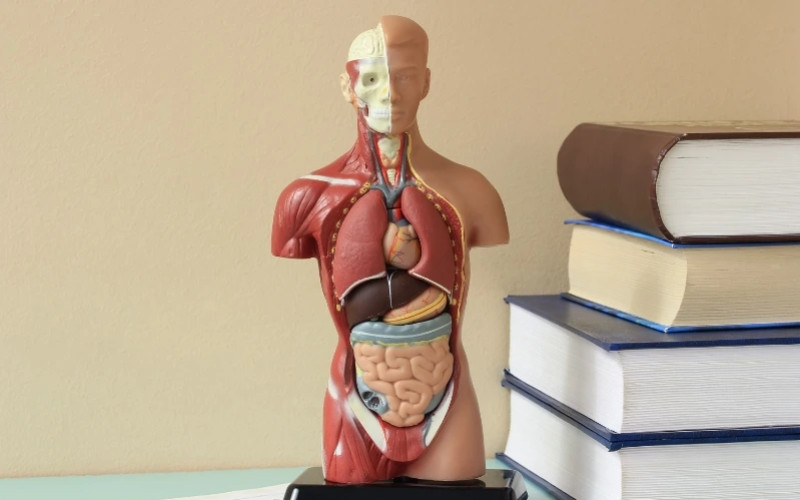
Their mission? To clear waste from our body. These organs include the liver, the kidneys, the skin, the intestines, and the lungs. Each of them has a specific but complementary function, forming a coherent whole.
The liver, often called "the processing plant", is responsible for transforming harmful substances into elements that are easier to eliminate. The kidneys, for their part, filter the blood to remove waste through urine. The skin, our largest organ takes part in thermal regulation through sweating.The intestines allow for the elimination of solid waste. Finally, thelungs release carbon dioxide with every breath.
The liver: the processing plant of our body
The liver plays a central role in the transformation of substances, acting as a true treatment plant within the human body. Its liver function plays a key role in transforming certain substances into compounds that are easier to eliminate. This essential organ is involved in filtering the blood and converting metabolic waste and certain chemicals into soluble compounds, ready to be excreted by the kidneys or bile.
The kidneys: our high-performance filters
The kidneys play a crucial role in filtering the blood to eliminate waste through urine. Responsible for maintaining fluid and electrolyte balance, this excretory organ ensures that waste and excess salts are expelled. Each day, these bean-shaped organs filter approximately 180 liters of blood, an impressive figure that highlights their efficiency and vital importance.
An interesting fact to note is the kidneys' ability to adjust their filtration function according to the body's needs. For example, during dehydration, they can concentrate urine to conserve water, thus demonstrating their incredible adaptability. The simplest thing is to drink enough water throughout the day, as part of a varied and balanced diet.
The skin: our largest organ of elimination
The skin is more than just a physical shell; it is a dynamic organ that plays a key role in regulating the body's temperature.Thanks to perspiration, the skin contributes to thermal regulation and the body's electrolyte balance. In parallel, the sebaceous glands maintain the protective hydrolipidic film.
Skin respiration, although often overlooked, is also crucial. It ensures the exchange of oxygen and carbon dioxide through the skin.
The intestines: digestive elimination
The intestines do not merely play a role in the digestion; they are also essential players in the elimination of solid waste from our body. Thanks to a complex process, they separate the nutrients from the non-digestible residues, which are then expelled. This is where the importance of the gut microbiota, a microscopic community present in the gut.
A surprising fact about our digestive system is its impressive length: if we were to unroll all our intestines, they could measure up to seven meters! This vast expanse is essential for maximizing the contact surface allowing fornutrient assimilation and the efficient evacuation of waste in the form of stools. A varied diet, including fiber and raw foods, is part of a good lifestyle.
The lungs: elimination through breathing
The lungs are major players in our body's gas exchange. At each breathing, they release the carbon dioxide produced by our body. This process is essential for ensuring a constant supply of fresh oxygen, vital for our cells.
This range brings together the well-being training offered by Biovie's partners: naturopathy, breathing, hydroponics, women's balance and personal development. Each instructor is chosen for their recognized expertise in their field, independently of the Biovie product catalog: the shop has no hidden commercial link with these partners. To choose, start from the topic that interests you rather than the format or the duration: a short masterclass does not require the same commitment as a naturopathy certification course spread over several months., 12
products
The quality of the air we breathe has an impact on lung health. In urban environments, pollution can hinder this natural process, highlighting the importance of being exposed to clean air as often as possible.
A few everyday lifestyle habits
A varied and balanced diet is part of a good lifestyle.Leafy vegetables, fresh fruits and nuts have their place in a varied diet.
Promoting a healthy respiratory environment by exposing yourself to clean air and limiting exposure to pollutants is part of a healthy lifestyle.
Conclusion
The emunctories ensure the elimination of waste from our body. These organs work together. A varied diet, good hydration and regular physical activity are part of a healthy lifestyle.
Engaging in this path means choosing to respect your body and environment in daily life. For those who wish to deepen their knowledge and benefit from practical advice on natural health and living food, I invite you to subscribe to the newsletter to stay connected to a community sharing these same values.
Your questions and our answers (FAQ)
What is an emunctory and why is it important for our health?
An emunctory is an organ that plays a role in the elimination of waste from our body. The main emunctories are the liver, kidneys, skin, intestines, and lungs. Their proper functioning is essential to maintain internal balance.
What is the role of the liver?
The liver acts as a processing plant, transforming certain substances into compounds that are easier to eliminate. Its hepatic function allows it to filter the blood and convert metabolic waste and certain chemicals into soluble compounds, ready to be eliminated by the kidneys or bile.
What role do the kidneys play?
The kidneys filter the blood to eliminate waste through urine, maintaining fluid and electrolyte balance. They adjust their filtration function according to the body's needs, such as in cases of dehydration, by concentrating urine to conserve water.
What role does the skin play?
The skin takes part in regulating body temperature through sweating. Skin respiration is an exchange of oxygen and carbon dioxide through the skin.
What role do the intestines play?
The intestines eliminate solid waste and host a microbiota. Their vast length, which can reach up to seven meters, maximizes nutrient absorption and waste elimination.
What role do the lungs play?
The lungs release carbon dioxide with each breath. Breathing clean air is part of a healthy lifestyle.
What everyday lifestyle habits should be adopted?
A varied and balanced diet, good hydration, physical activity and clean air are part of a healthy lifestyle. Limit exposure to pollutants and promote a balanced lifestyle.