




Better than a bag of chips and a cheese stick combined: these almonds owe their character to the meeting of tamari and nutritional yeast, which recreates that famous fifth taste, umami - the very one that glutamate tries to imitate in industrial snacks. Here, you get the same satisfaction, without any dubious additive, and in just a few minutes.
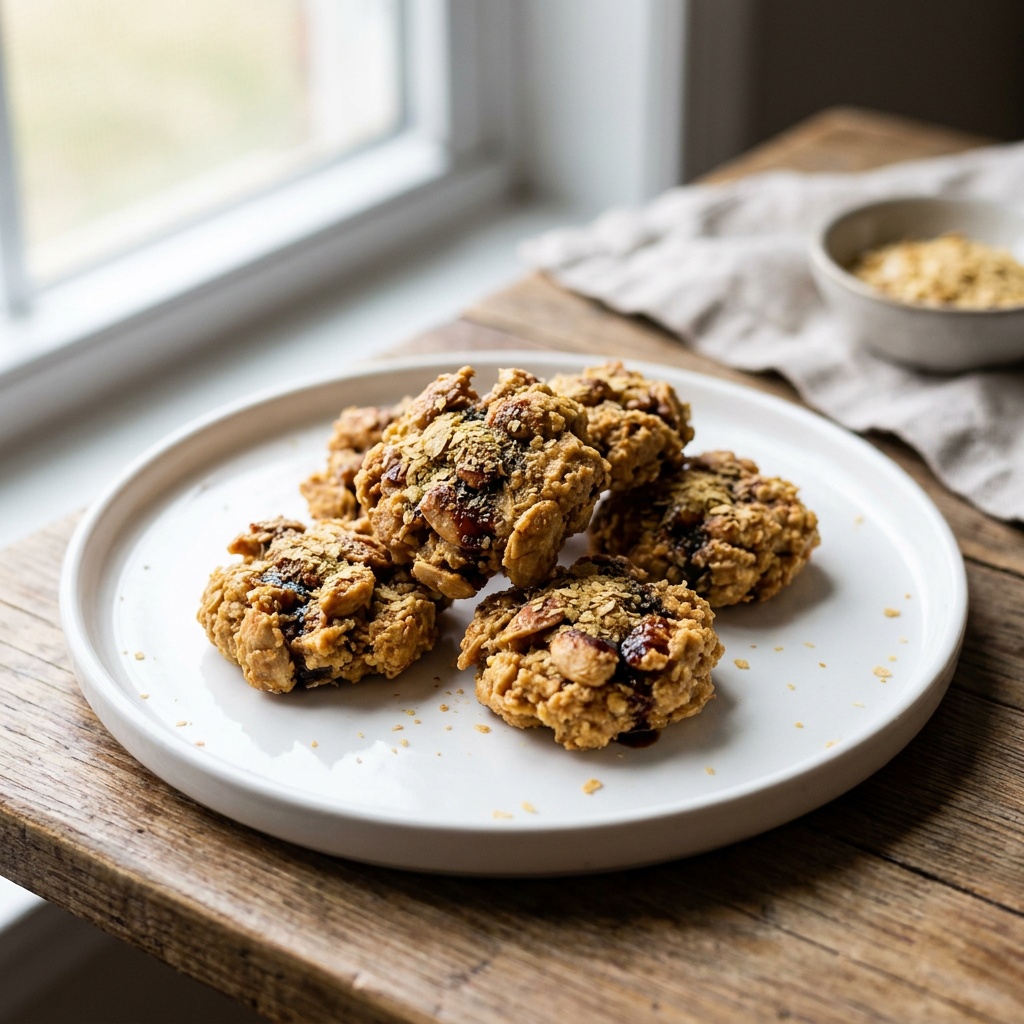
Crunchy Cheese-Style Almonds with Tamari and Nutritional Yeast
Share this article

Organic activated whole almonds
€18.90 In stock
Ingredients
- 1 handful of almonds (or raw cashews, or macadamia nuts)
- 2 tsp tamari
- 1 tsp nutritional yeast flakes
Preparation
- Mix the almonds with the tamari and nutritional yeast.
- Stir well until each almond is evenly coated.
- Serve right away in a small bowl, as a starter or a snack.
Tip
You can swap the almonds for raw cashews or macadamia nuts depending on what you have on hand - the tamari-nutritional yeast duo works with all nuts.
The full range Oilseeds, nuts, seeds
20 products
Discover the full range


FAQ: your questions about nutritional yeast
How should nutritional yeast be eaten?
As a condiment, always added at the end of preparation rather than cooked for a long time. It's sprinkled over pasta, a gratin, a soup, popcorn or a salad, the way you would grated cheese. It also goes into plant-based cheese sauces, raw cracker batters and fermented nut cheeses. Here, it's simply mixed with the almonds, which the tamari has moistened so it sticks.
What are the benefits of nutritional yeast flakes?
Nutritional yeast is rich in protein, around 45 to 50 g per 100 g, and contains B-group vitamins as well as zinc, magnesium and selenium. However, the amounts actually eaten remain modest, just a few grams per dish, which puts the intake into perspective. Note that not all nutritional yeasts are fortified with vitamin B12: if that's what you're after, check the label, as fortification is not automatic.
How much nutritional yeast should I take per day?
One to two tablespoons a day is a common amount in cooking, and there's no reason to aim for more. Beyond that, some people experience bloating. Think of it first and foremost as a flavour condiment, not a dosed supplement: if you're after a precise nutritional intake, a proper supplement is more reliable than yeast sprinkled at random.
What are the benefits and drawbacks of nutritional yeast?
On the plus side: a powerful umami flavour that lets you cut back on salt and skip cheese, a good density of protein and B vitamins, and a reasonable price. On the downside: it's rich in purines, which makes it inadvisable for people with gout or hyperuricaemia; it can trigger reactions in people sensitive to yeast or with Crohn's disease; and its strong flavour doesn't suit every dish.
Share this article
Related articles