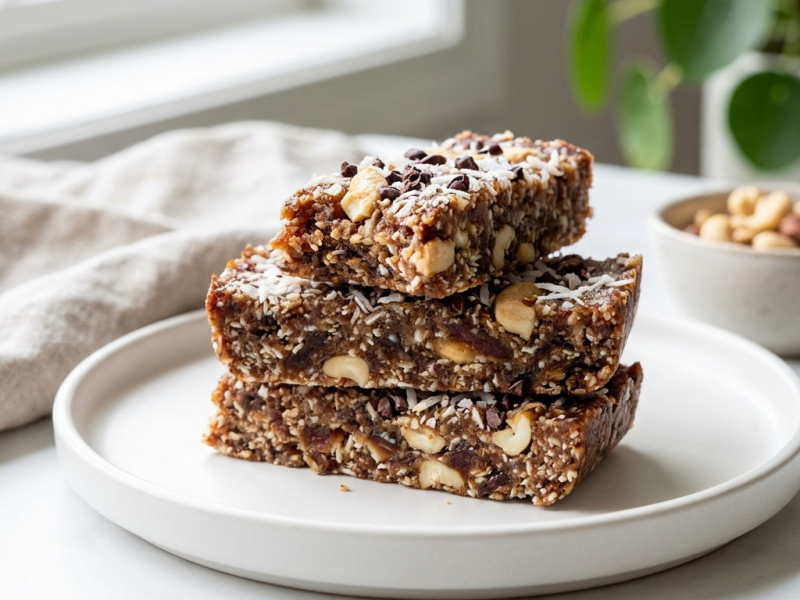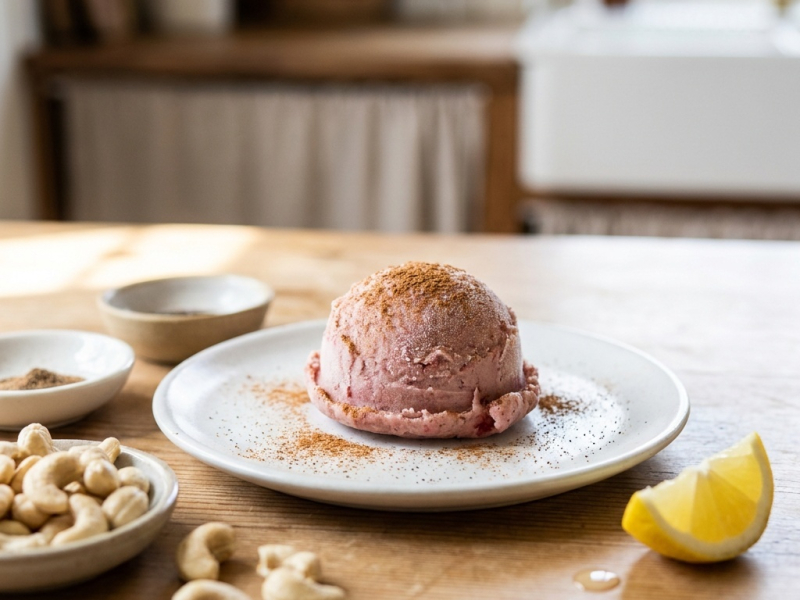




Raw biscuits made with sprouted buckwheat flour and coconut, dried in the dehydrator then cut into ladyfingers, layered with two coconut creams - one vanilla, one strawberry - and held together with a strawberry coulis. A dusting of cocoa on top, as tradition dictates for tiramisu, and the assembly is complete. The recipe is long but genuinely not technical: most of the time is spent in the dehydrator, between eighteen and twenty hours for the biscuits, then in the freezer to set. Enough for a 15 cm tiramisu.
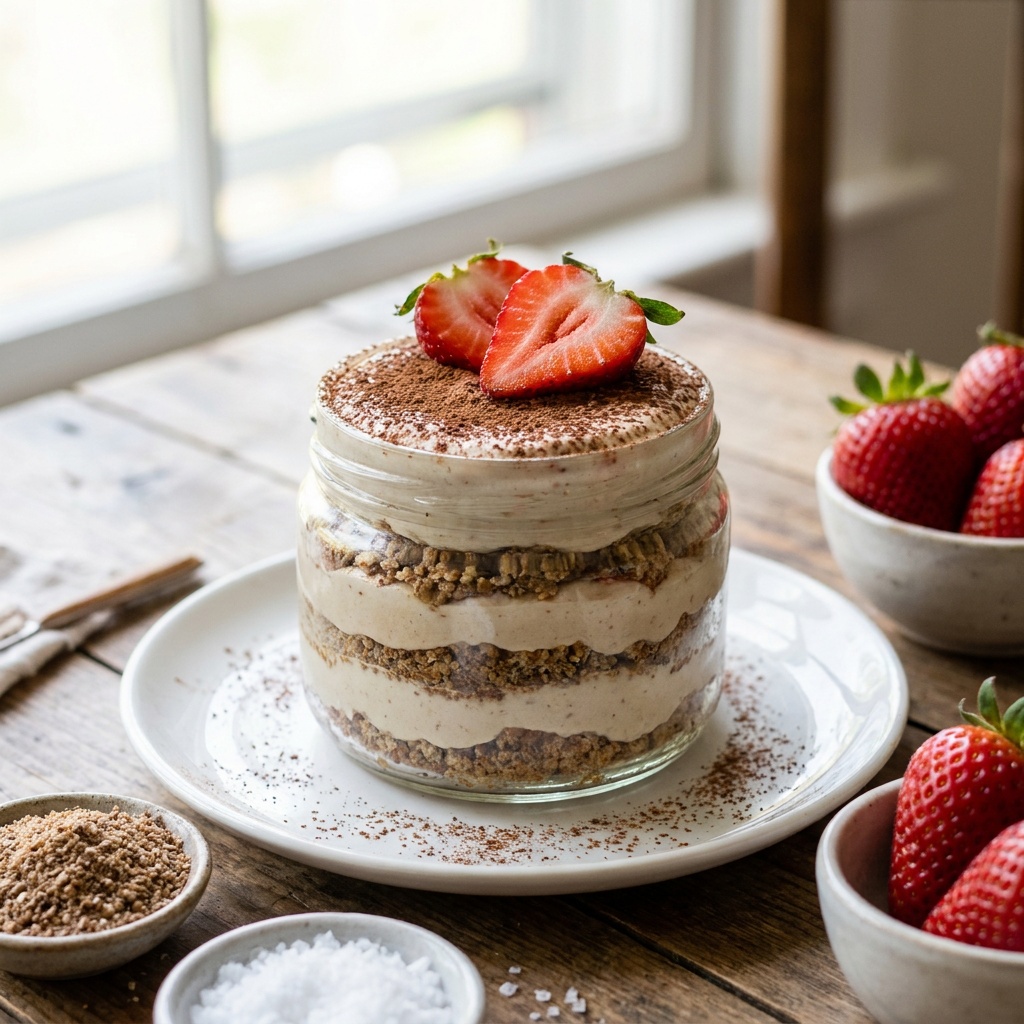
Raw Strawberry Vanilla Tiramisu
Share this article
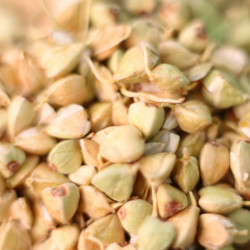
Organic activated buckwheat seeds
€21.90 In stock
Ingredients
Ladyfinger Dough
- 1½ cups sprouted buckwheat flour, sprouted rolled oats, or ground sprouted quinoa
- 150 ml ground flaxseed
- 1¾ cups plus 2 tablespoons finely shredded coconut
- ½ teaspoon sea salt
- 2 teaspoons vanilla extract
- 1 teaspoon almond extract
- 180 ml young coconut flesh
- 180 ml soft, pitted Medjool dates (soaked 30 minutes then drained if dry)
- 80 ml raw coconut nectar
- 270 ml raw coconut milk
The Creams
- 4 cups young coconut flesh
- 250 ml coconut water
- 80 ml coconut nectar or agave syrup
- ¼ teaspoon sea salt
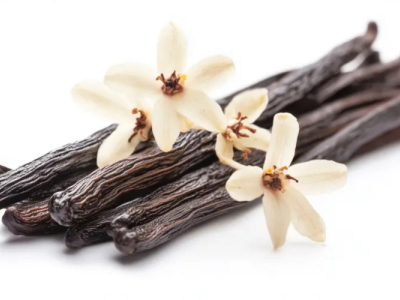
- The seeds of one vanilla pod, or 1 tablespoon vanilla extract
- 1 tablespoon coconut butter, melted
- 1 cup fresh strawberries
The Coulis and Finishing Touch
- 1 cup strawberries
- 1 tablespoon lemon juice
- 1 teaspoon vanilla
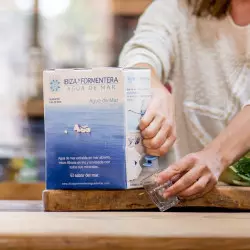
- 1 pinch sea salt (equivalent to 1 tablespoon - 15 ml - of seawater)
- 1½ cups sliced strawberries
- Cocoa powder, for the final dusting
Preparation
The Ladyfingers
- Whisk together the flour, ground flaxseed, shredded coconut and salt in a large bowl. Set aside.
- In a food processor, blend the dates, vanilla, almond extract, coconut flesh, coconut milk and nectar until fairly smooth.
- Pour the wet ingredients over the dry ones and mix with a wooden spoon until you get a smooth dough. It will be firm: add a little coconut milk if it's too stiff to spread.
- Spread the dough on a dehydrator sheet into a rectangle about 2.5 cm thick, and score it into strips about 2.5 cm wide, in two rows.
- Dry for 18 to 20 hours, until the dough is dry but still slightly soft, then cut into ladyfingers.
The Creams
- Blend all the cream ingredients except the coconut butter in a food processor until smooth.
- With the motor running, add the coconut butter and let it run for one more minute.
- Divide the mixture between two bowls. Put one bowl back in the processor, add the strawberries and blend until you get a smooth, pink cream.
- Chill both creams in the fridge.
The Coulis
- Blend the strawberries, lemon juice, vanilla and salt until smooth. Set aside.
Assembly
- Arrange half of the ladyfingers in the bottom of a 15 cm springform pan, trimming them to cover the base; it doesn't need to be perfect.
- Drizzle with half of the strawberry coulis.
- Spread the vanilla cream, then a layer of sliced strawberries.
- Repeat with the remaining ladyfingers, the rest of the coulis, the strawberry cream and the remaining strawberries.
- Freeze until fully set, then unmould and let it come back up in the fridge before serving.
- Finish with a dusting of cocoa powder just before serving.
Tip
The water content of young coconut flesh varies a lot from one coconut to another: it's what determines how firm the ladyfinger dough and the creams turn out. Adjust the coconut milk in the dough, and don't hesitate to leave the creams in the freezer a little longer if they stay too soft.
The full range Oilseeds, nuts, seeds
20 products
Discover the full range

FAQ: your questions about sprouted buckwheat
How do you sprout buckwheat?
Rinse hulled buckwheat thoroughly, then soak it for just two to four hours: any longer and it becomes very slimy and hard to rinse. Drain the water, rinse thoroughly until it runs clear, and set the groats in a tilted jar or a strainer, so they stay moist without sitting in water. Rinse morning and evening. Within twenty-four to forty-eight hours, a small white sprout appears: it's ready.
How long should you soak buckwheat?
Two to four hours is plenty, and this is one of the rare cases where soaking too long hurts the result. Buckwheat releases a thick mucilage that makes the groats sticky and complicates every rinse that follows. If you've gone over the time, rinse very thoroughly in clear water, stirring by hand, until the water stops being slippery. The rest of the sprouting will carry on normally.
How do you sprout seeds reliably every time?
Three conditions, and nothing else. Water: the seeds need to stay moist at all times, which means rinsing morning and evening, not just once a day. Air: a jar laid on its side or tilted, covered with a cloth, lets excess water drain away and prevents fermentation. And patience: every seed has its own pace, from quinoa that sprouts in twelve hours to chickpeas that take three days. Drainage matters more than soaking.
Share this article
Related articles