

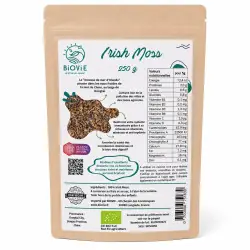
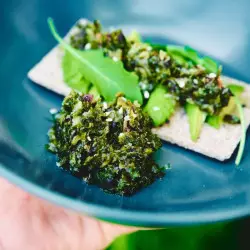

Here is a raw reading of the great Thai classic: sea bean noodles (also called sea spaghetti) and a whole rainbow of julienned vegetables, coated in a tangy tamarind sauce, then finished with cashews sharpened with lime. The key to the dish lies in the marinade: letting the vegetables soak for at least an hour in the refrigerator is what gives them depth without any of them ever meeting a pan. Tamarind pulp, dissolved in hot water and worked with a fork to remove the seeds, brings the fruity acidity that makes the whole character of this dish and that no lemon really replaces. Sea bean, for its part, only needs a brief desalting: it keeps its crunch even once coated in sauce, which stops the dish collapsing the way rice noodles would. The recipe deliberately makes more sauce than needed, enough to keep in the refrigerator for a salad or some crunchy vegetables over the following days. Serve generously, with an extra squeeze of lime and a handful of coriander just before sitting down.
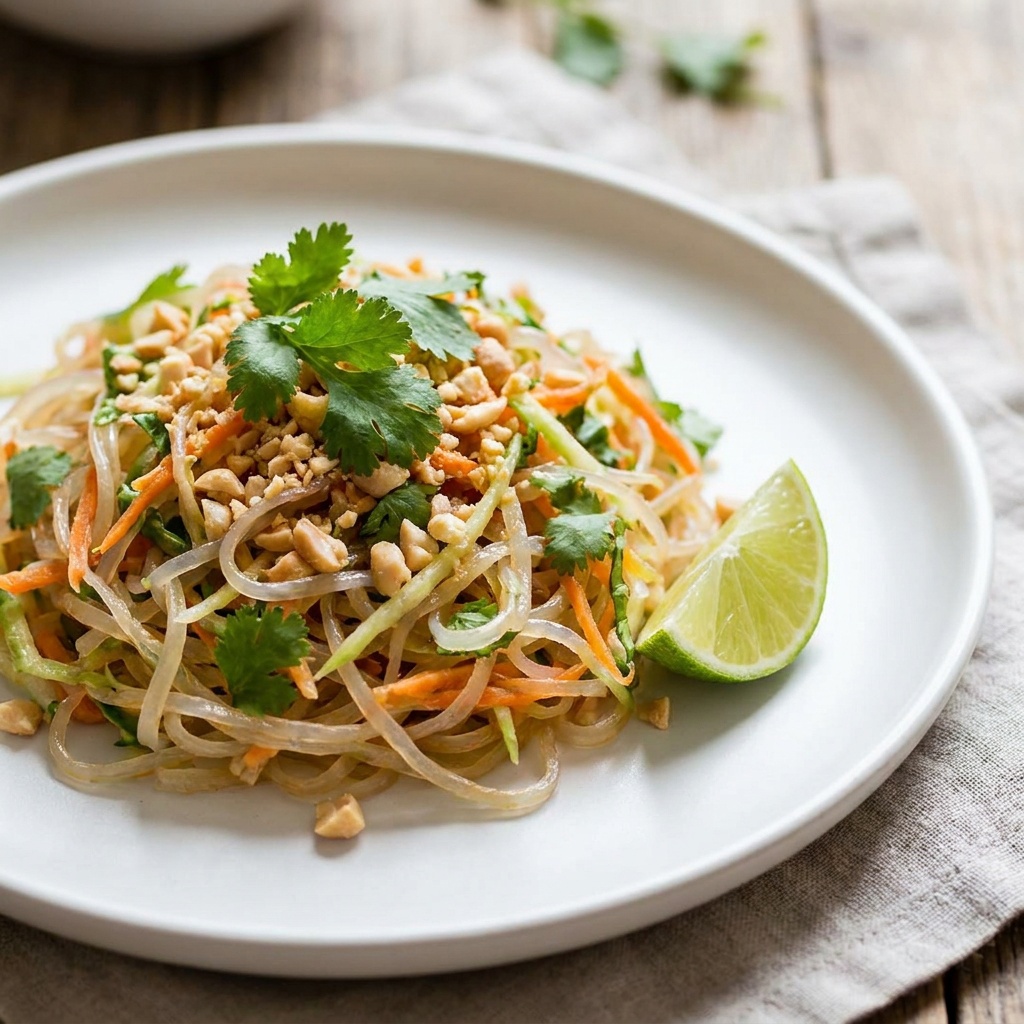
Raw pad thai with kelp noodles and tamarind sauce

Share this article
Ingredients
Pad thai sauce
- 1/2 cup soaked and strained tamarind pulp
- 1 cup hot water
- 1 medium tomato
- 1/2 Thai chilli, or to taste
- 1 medium garlic clove
- 1 small shallot
- 1/4 cup shoyu
- 1 tablespoon lime juice
- 1/4 cup sesame oil
- 1 tablespoon agave
Vegetables
- 1 head baby bok choy, roughly chopped
- 1 medium carrot, diced or julienned
- 1 medium courgette, diced or julienned
- 1 medium orange or red bell pepper, julienned
- 1 large king oyster mushroom, sliced (or a handful of sliced shiitake or other mushrooms)
- 1 cup snow peas, thinly sliced on the diagonal
- 3 spring onions, sliced, the white plus about 8 cm of green
Vegetable marinade
- 1/4 cup shoyu
- 1 tablespoon lime juice
- A drizzle of olive oil
- 2 tablespoons of the pad thai sauce (from above)
Noodles
- Two 340 g packages of fresh sea bean seaweed, cut into 8-10 cm lengths
To finish
- 1/2 cup chopped cashews
- A drizzle of sesame oil
- A pinch of sea salt (the equivalent of 1 tablespoon - 15 ml - of seawater)
- A handful of coriander
- Extra lime juice, for drizzling
Preparation
- Take the sea bean seaweed out of its packet and soak it briefly in water for a first desalting. Rinse, discard the water, then soak it for two to three minutes in clean water. Rinse again (a third time if it still tastes salty), drain and cut into 8-10 cm lengths. Set aside.
- Cut a block of tamarind pulp about 5 cm square and dissolve it in the hot water, working it with a fork to remove the seeds and form a smooth paste; let it soak for about fifteen minutes.
- In a high-speed blender, blend the tomato, chilli, garlic, shallot, shoyu, lime juice, sesame oil and agave, then add the tamarind paste and blend again until smooth. Set the extra sauce aside for later.
- Toss all the cut vegetables together in a large bowl.
- Whisk the marinade ingredients together, pour them over the vegetables and mix until everything is coated. Refrigerate for at least an hour.
- Add the desalted, cut sea bean seaweed to the marinated vegetables along with about half the remaining sauce, and toss with tongs until well distributed.
- Toss the chopped cashews with a little salt and sesame oil, then scatter them over the dish. Drizzle with lime juice and crown with coriander before serving.
Tip
Don't skip desalting the sea bean before cutting it: a rinse that's too quick leaves a briny taste that stands out even more under the tamarind sauce. If preparing the dish ahead, keep the sea bean and marinated vegetables on one side and the sauce on the other, and bring everything together only at serving time so nothing releases water.
The full range Dry algae
10 products
FAQ: your questions about raw pad thai with sea bean noodles
Which noodles for pad thai?
The traditional version uses flat rice noodles, soaked then stir-fried in a wok. In raw cuisine they are replaced by sea bean (also called sea spaghetti) - a brown seaweed with long, naturally crunchy strands, to be briefly desalted before use - or by spiralised vegetables, courgette and carrot first among them. Sea bean has the advantage of holding up: it does not soften in the sauce, whereas courgette ribbons release water within an hour.
What is the difference between pad thai and khao pad?
Both are Thai stir-fried dishes, but the base changes completely: pad thai is built on rice noodles, while khao pad is a fried rice, closer in principle to an egg fried rice. Pad thai also draws its identity from its sauce, tangy thanks to tamarind, whereas khao pad stays more simply salty and fragrant with fish sauce and garlic. The recipe on this page takes the seasoning of pad thai, not its cooking.
Is pad thai healthy?
It depends entirely on the version. In a restaurant, pad thai is often heavy on oil, added sugar and fish sauce, which makes it a rich and salty dish. Made at home, and especially in this raw version, its nature changes completely: the vegetables stay raw and crunchy, the seasoning is under your control, and the only fat comes from sesame oil and cashews. It then becomes a complete, light dish, generous in fresh vegetables.
Which vegetables are recommended for pad thai?
The essentials are bean sprouts, spring onions and carrot, which give the dish its characteristic crunch. This version widens the palette with bok choy, courgette, bell pepper, snow peas and mushrooms, chosen above all for how they hold up raw and for their colours. The useful rule: favour firm vegetables that can be cut into fine julienne, and avoid those that release a lot of water, such as cucumber or chopped tomato.
Share this article