









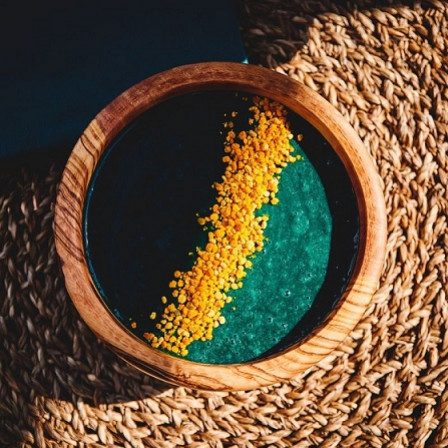
Flower pollen is a very versatile and fascinating element at the same time. It is much more than just a yellowish dust carried by the wind; it is the essence of plant reproduction. Pollen is collected by bees, who store it on their hind legs when transporting it from the flower to the hive to feed their colony, as it is the main source of protein for bees. It is also essential for feeding developing larvae due to its richness in nutrients, just like royal jelly.
In the world of floral pollens, there are several types that we will discuss in this article, each type has its own color, taste and uses. Together, we will uncover the different types of flower pollen and their uses.
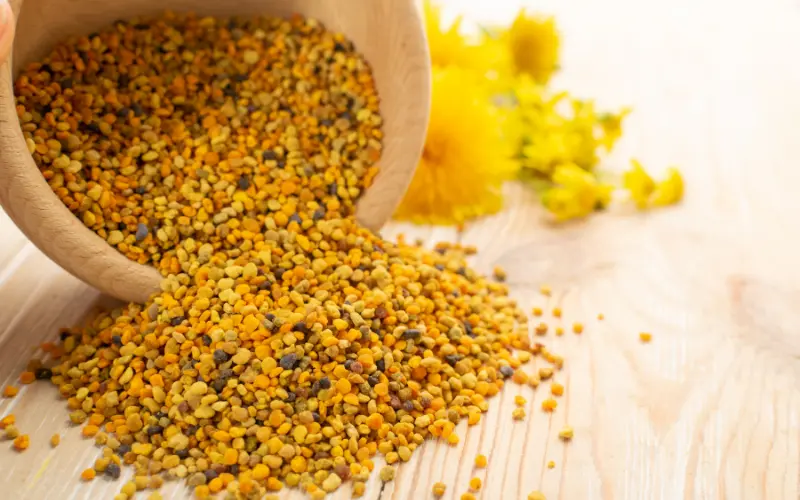
The different types of flower pollen
In the kingdom of flowers, each pollen is defined as a unique botanical signature. Here is a brief overview of the different types of flower pollen that populate our environment:
- Rose Pollen: Renowned for its finesse and softness.
- Hawthorn Pollen : It comes from hawthorn flowers.
- Cistus pollen : Cistus pollen comes from cistus flowers.
- Chestnut pollen : It is recognizable by its brown hue and grainy texture.
- Sunflower Pollen: It stands out from other pollens due to its brightness and vibrant yellow hue.
- Lavender Pollen: Lavender pollen stands out for its captivating fragrance.
- Willow pollen: Known for its allergenic potential, this pollen is often associated with seasonal allergies.
- Orange Blossom Pollen: It comes from orange blossoms, it is delicate and highly valued for its subtle fragrance. It is often used in cooking to flavor desserts and infusions.
- Lotus Pollen: Lotus pollen comes from lotus flowers.
There are, of course, other varieties of pollen, thousands, or even tens of thousands of different plant species, each producing their own type of pollen.
Here is now an overview of the different forms of pollen available on the market:
- Fresh pollen:
Fresh pollen is collected directly from flowers and consumed without undergoing any processing. This form of pollen is valued for its intact nutritional richness as it contains a full range of nutrients, including proteins, vitamins, and minerals. It keeps its soft texture and floral taste, and naturally contains lactic ferments.
- Frozen pollen:
It is a good solution if you do not have access to fresh pollen.Freezing after harvest stabilizes pollen in its fresh state and allows it to retain its freshness while extending its shelf life. Among the advantages of frozen pollen, it remains available throughout the year. However, freezing can slightly alter the texture of the pollen.
- Dry pollen:
Dry pollen is obtained through a low-temperature drying process of fresh pollen. This method allows the pollen to be preserved for long periods, just like the freezing method, but at room temperature. It is used in the food industry and cosmetics, and has the advantage of being easier to transport than fresh or frozen pollen. Its texture is more rigid than that of fresh pollen.
Difference between fresh pollen and allergenic pollen
Fresh pollen and allergenic pollen both come from plants, but they differ significantly in their composition and effects on the body:
Fresh pollen:
- Fresh pollen is the natural pollen collected directly from flowers by bees or other pollinators, and it is typically consumed as dietary supplements or added to certain food products. It is not the pollen that is in the air.
Allergic pollen:
- Allergic pollen is produced by plants for reproduction purposes. When pollen grains are released into the air, they can be inhaled by sensitive individuals, triggering allergic reactions, the severity of which depends on the amount of pollen present in the environment.
- Allergenic pollens contain allergenic proteins that trigger immune responses in sensitive individuals. These immune responses can cause allergy symptoms such as allergic rhinitis, watery eyes, headaches, sneezing, itching, sometimes requiring medical advice to assess and treat the symptoms.
- People with pollen allergies often need to take extra precautions during months of high pollination.
Here is an example of birch pollen, which is pollen released into the air during the pollination period, usually in spring. Medically, it is often associated with allergic reactions in sensitive individuals, as birch pollen contains allergenic proteins that can trigger immune responses, such as itchy eyes and sneezing, in these individuals.

How to choose the right type of pollen
To choose the right type of pollen, the simplest is to taste: each flower pollen has its own color and flavor. Here is a presentation of our three products sold in our store:
1. Cistus Pollen:
- Its taste is pronounced, slightly bitter, with a beautiful orange color.
2. Hawthorn Pollen:
- It can be sprinkled on a yogurt, a fruit salad or cereals.
- It is rich in vitamin B2 and B1, which contribute to the reduction of fatigue and to a normal energy metabolism.
Share this article
Organic Cistus Pollen
€26.90 In stock
3. Chestnut Pollen:
- Its taste is stronger, almost woody: try it on a slice of bread with honey.
Each pollen has its own color and taste; it is up to you to discover them.
How to use flower pollen daily?
Here are some practical tips for incorporating flower pollen into your daily routine with ease:
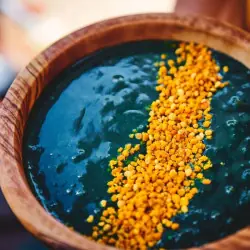
- You can add flower pollen to your diet by putting a small amount in your yogurt, cereals, toast, or salad, or by sprinkling it into your smoothies and fruit juices.
- You can use it as a nutritional supplement by taking it in the form of a pollen-based dietary supplement or by taking a tablespoon every day upon waking.
- You can also add flower pollen to your tea or infusion.
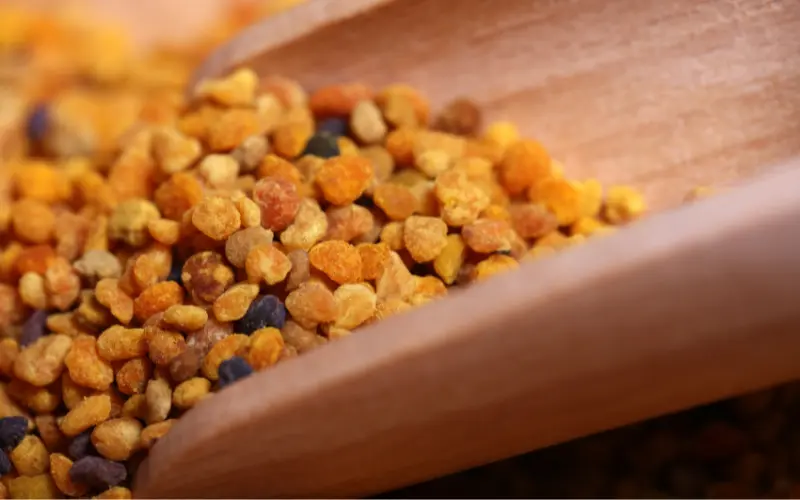
Effective conservation of flower pollen
- Store the flower pollen in an airtight container to protect it from moisture and air.
- Preferably use a dark glass or opaque plastic container to reduce exposure to light, which can subsequently alter the quality of the pollen.
- Keep a small amount of fresh pollen in your refrigerator if you plan to consume it in the following days, to prevent any spoilage.
- Store it in the freezer if you do not plan to consume the pollen quickly and wish to preserve it for a longer period. You can very well consume frozen pollen directly, without prior thawing.
The full range Pollen
Three fresh frozen pollens make up the Biovie selection: chestnut, hawthorn and cistus, plus a freeze-dried version of cistus for those who prefer a format that does not need freezing. Fresh frozen pollen keeps a texture closer to the harvest than the classic dried pollen sold in shops. A course usually lasts 3 to 6 weeks, between seasons, taking 1 to 2 tablespoons in the morning with breakfast. To start, chestnut pollen is the most versatile in taste; for a format that does not need a freezer, go for dehydrated cistus., 4 products
Discover the full range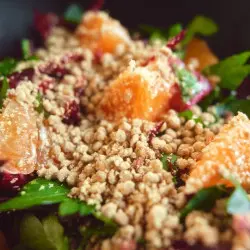
Conclusion
Flower pollen can be stored with a few simple precautions, essential to maintain its freshness and quality. Fresh pollen slips easily into a yogurt, a smoothie or a fruit salad; well kept in the freezer, it keeps its texture and taste.
By following our proper storage advice and choosing the right type of pollen according to your tastes, you can incorporate pollen into your daily cooking.


