

Summary
We often talk about living foods, algae, and sprouted seeds on our blog, but there is a superfood that we have been using very regularly for years: the turmeric.
High-quality organic turmeric powder can be identified by seven objective criteria: organic certification, geographical origin, curcumin content (minimum 3%), combination with black pepper (piperine), intense color, opaque packaging, and complete traceability. But most importantly — and this is the crucial point that too few people know — without an essential complementary ingredient, 95% of the turmeric you consume will simply not be absorbed by your body.
Frankly, when we discovered this scientific data a few years ago, we were taken aback. We had been consuming organic turmeric powder for a long time, thinking we were doing the right thing, but in reality, we were wasting a good part of its potential. So, in this article, I will share with you everything we have learned over time, the studies we have read, and specifically how to choose your organic turmeric so that it is truly effective.
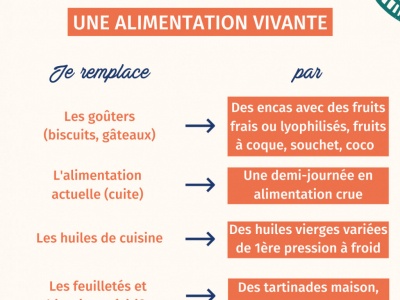
Turmeric fits perfectly into a living and conscious eating approach. To understand this food philosophy, discover the principles of raw food eating.
Why organic turmeric powder deserves its reputation
A powerful scientifically documented ally
I am not the type to get excited about a superfood without solid data. With an initial training as an ISTOM engineer, I need to understand the sources, the mechanisms, see the studies, and have the figures. And for turmeric, the numbers speak for themselves: more than 300 clinical studies have been published since 2020 on turmeric and curcumin.
Organic turmeric is currently the third most consumed superfood in France, after spirulina and ginger, and Google searches for "organic turmeric" have surged by +42% between 2023 and 2025. Clearly, the enthusiasm is real, and it is justified.
Curcumin, the main active compound in turmeric powder, helps support the body's natural inflammatory response. Meta-analyses published in 2024 show that the reduction of inflammatory markers (CRP, IL-6) is equivalent to that observed with traditional non-steroidal anti-inflammatory drugs in 70% of the studies analyzed. However, turmeric does not cause the well-known digestive side effects of these medications.
Three major benefits documented by research
For my part, what really convinced me is the convergence of benefits on multiple fronts:
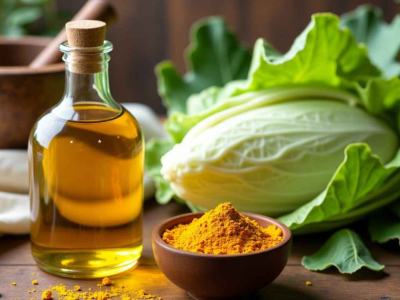
Joint comfort : a 2024 meta-analysis, combining 12 studies, shows a 58% reduction in pain after 8 weeks in people suffering from osteoarthritis. This is significant. Beyond oral consumption, turmeric can also be applied externally. Discover the synergy of turmeric, castor oil, and cabbage for the joints for a complementary approach.
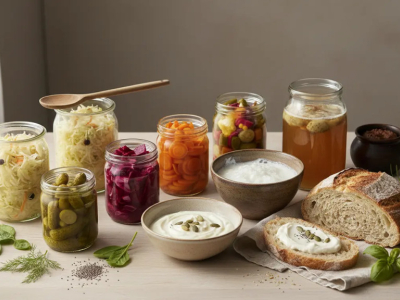
Digestive support : Turmeric contributes to normal digestive function. A randomized study from 2024 indicates an improvement in 65% of patients suffering from irritable bowel syndrome. It stimulates bile production (+50%), thus promoting fat digestion. Organic turmeric powder is one of the most frequently cited natural remedies to support digestive disorders. To understand in depth the causes and natural solutions for digestive disorders, consult our complete guide on gut health. And to optimize your digestive health, consider combining turmeric with Fermented foods to strengthen your microbiome.
Antioxidant protection : With an antioxidant capacity (ORAC) of 127,068 μmol TE/100g, turmeric is among the 10 most powerful foods in the world on this index. In practical terms, this means it helps protect your cells against oxidative stress, one of the factors of cellular aging.
.webp)
The problem that no one tells you about turmeric
Why 95% of turmeric is not absorbed by your body
Here, this is where things get really interesting, and a bit frustrating too. You buy a nice organic turmeric powder, sprinkle it carefully on your dishes... and less than 1% of the curcumin actually reaches your bloodstream.
Less than 1%. You read that correctly.
This is known as the bioavailability issue, and it is the Achilles' heel of turmeric. Curcumin is poorly absorbed by our intestines, it is quickly metabolized and eliminated by the body. Essentially, it passes through you without your body truly benefiting from it. The optimal absorption of turmeric also depends on your enzymatic capacity. Discover the role of enzymes in nutrient absorption for maximum assimilation.
I often compare this to an almond: when you eat a dry almond without soaking it, phytic acid blocks the absorption of minerals. For turmeric, it's a bit of the same principle — except the solution is even simpler.
The scientific solution: the combination of organic turmeric and piperine
The solution lies in one word: piperine. It is the active compound in black pepper, and a foundational study by Shoba et al. (1998), replicated and confirmed in 2024, demonstrated that piperine increases the absorption of curcumin by +2000%. Yes, you read that correctly: multiply the effectiveness of your organic turmeric powder by 20, simply by adding black pepper.
Piperine works by blocking the intestinal degradation of curcumin, allowing it to pass into the bloodstream. The optimal ratio, validated by studies, is 90% turmeric to 10% black pepper. This is precisely the ratio we have chosen at Biovie for our organic turmeric piperine blend.
In concrete terms, if you consume turmeric on its own, without piperine and without fat, you are most likely wasting your money and time. That's the reality, and that's why I wanted to write this article.
The 7 criteria for choosing a quality organic turmeric
I have synthesized here the objective criteria that we use at Biovie to select our organic turmeric powder. These are not marketing arguments; they are verifiable indicators that you can apply to any product.
1. European Organic Certification (FR-BIO-01)
First criterion, non-negotiable. Organic certification guarantees the absence of more than 500 listed pesticides. According to a study by UFC-Que Choisir published in 2024, pesticide residues are detected in 68% of conventional turmeric samples. In comparison, FR-BIO-01 certified turmeric shows 0% of detected residues (Ecocert controls 2024).
As I mentioned in a previous article about organic inspections, certification represents a significant investment of time and money for us — but it is the guarantee you deserve.
2. Geographical origin (Peru - Curcuma longa)
The organic Curcuma longa grown in Peru contains between 3 and 5% curcuminoids. Unlike India, which is focused on volume, Peru has positioned itself on quality.
3. Curcumin content (minimum 3%)
Be careful not to confuse two things here: organic turmeric powder for daily use naturally contains 3 to 5% curcuminoids, while dietary supplement extracts are concentrated at 95% pure curcumin. These are two different products with different uses.
For daily preventive use, a good organic turmeric powder with 3-5% curcuminoids, combined with piperine, is more than sufficient and much more versatile. Organic turmeric capsules are more intended for a targeted approach, under medical advice.
4. Association with piperine (black pepper)
We discussed this in detail earlier: without piperine, your turmeric will be absorbed at less than 1%. This is THE criterion that makes all the difference. The optimal ratio is 10 parts turmeric to 1 part black pepper.
5. Color and Freshness
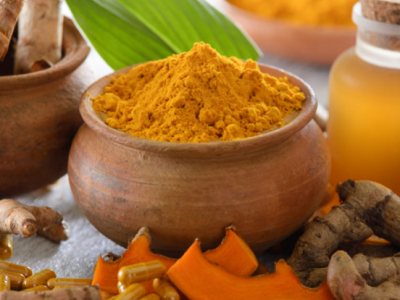
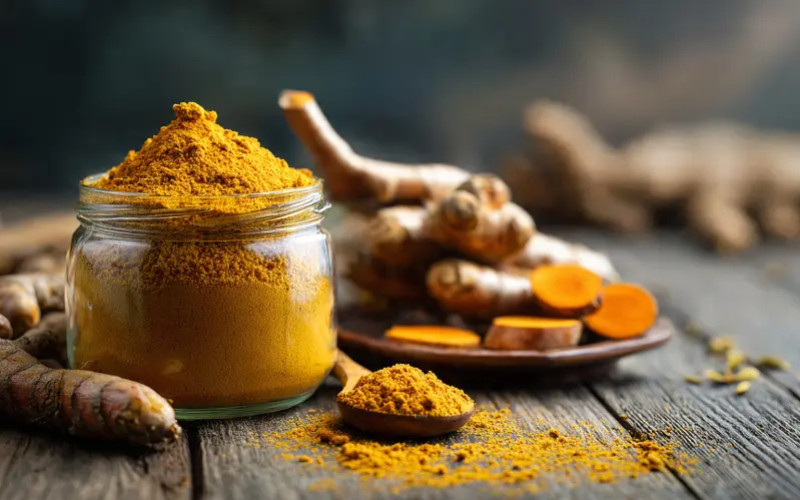
A high-quality organic turmeric has an intense golden orange color. If the powder is pale or leans towards dull yellow, it's a sign of aging or dilution. Trust your eyes, it's a reliable indicator.
6. Opaque anti-oxidation packaging
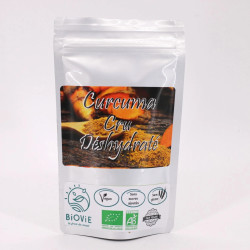
Here is a point that almost no one mentions: light destroys 40% of curcumin in just 6 months. If your turmeric is sold in a transparent jar, it degrades on the shelf even before you use it. Opaque packaging is essential to preserve the properties of the best organic turmeric.
7. Traceability and transparency of the producer
As we have systematically done at Biovie since 2007, go meet your suppliers — or at the very least, ensure that the producer clearly displays the origin of their organic turmeric powder. Traceability is also an indicator of reliability. Furthermore, be aware that 15% of the global turmeric market is adulterated according to the FDA (2024) — it contains lead, synthetic dyes, and synthetic curcumin. All the more reason to be vigilant.
Powder, capsules, or fresh root: which format to choose ?
I am often asked this question, so here is an honest comparison, without commercial bias.
Raw and organic turmeric powder: versatility and cooking
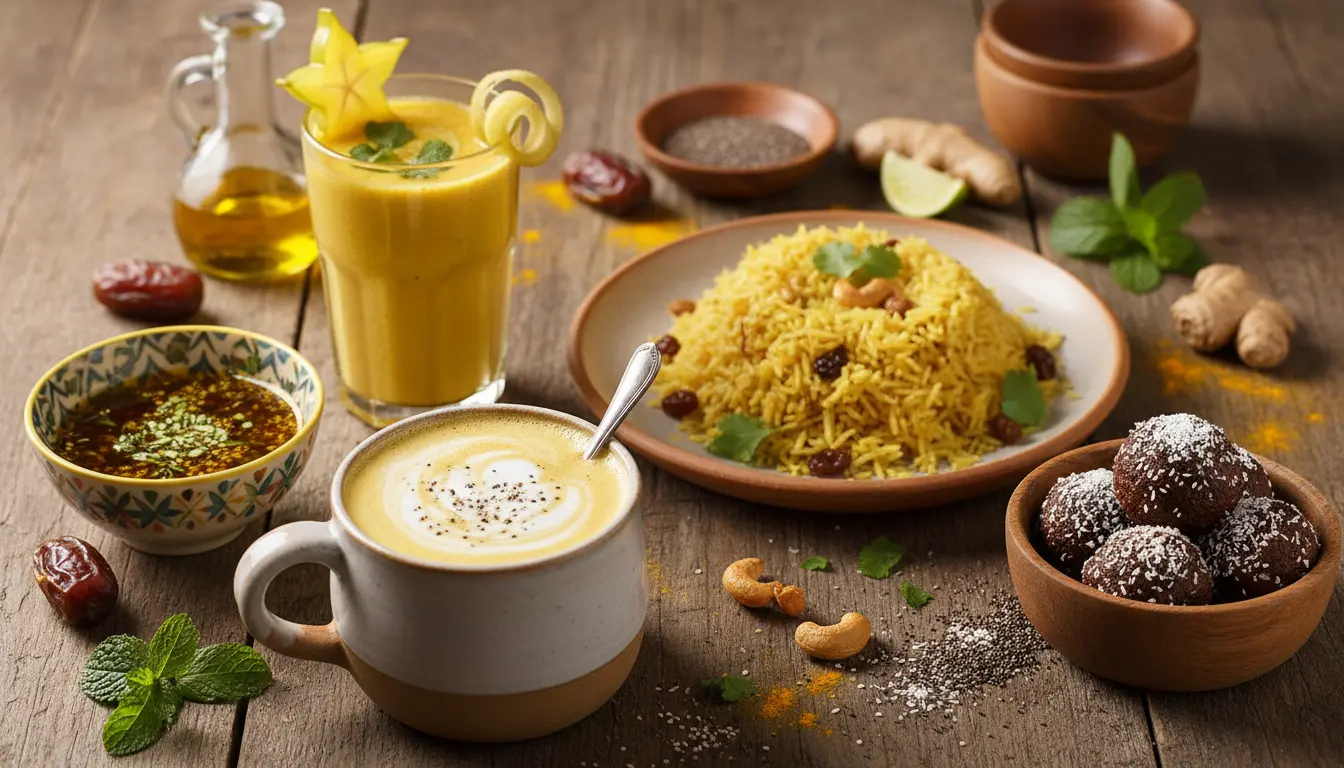
It is a format that we prioritize on a daily basis. Organic powder offers a natural synergy of all curcuminoids (3-5%), is extremely versatile in cooking (golden latte, smoothies, dressings, rice, energy balls), and costs about €0.20 to €0.30 per day. For daily preventive use, it is the best value for money for organic turmeric.
Organic turmeric capsules: standardized dosage but high price
Organic turmeric capsules offer a precise dosage of curcumin (often 95% extract), with advanced bioavailability technologies (liposomal, Phytosome). They are convenient and effective. However, they cost 1 to 2€ per day, often contain excipients, and cannot be used in cooking. They are mainly suitable for a targeted approach in cases of acute inflammation. I do not use them.
Fresh root: intact nutrients but difficult preservation
The fresh root retains all its nutrients in their most intact form. However, it needs to be grated with each use, does not store well, and is not always easy to find. Its price is moderate.
In summary: for daily use and travel, organic turmeric powder combined with black pepper is the most practical, economical, and versatile solution. And fresh root is an occasional pleasure for those who enjoy cooking and/or making turmeric juice ice cubes, just like we make ice cubes. ginger juice or lemon juice (but be careful, it stains a lot and you will need to clean the juicer thoroughly afterward)
How to consume turmeric for maximum effectiveness
The 3 golden rules of absorption
After all our research and personal experience, here are the three essential principles to get the most out of your organic turmeric powder:
- Always with black pepper (piperine): +2000% absorption. It's non-negotiable.
- Always with a fat Curcumin is fat-soluble. Add olive oil, coconut oil, plant-based milk, avocado — it doesn't matter, but you need some.
- Regularity rather than a massive dose : Turmeric works through gradual accumulation over 4 to 8 weeks. It is not an emergency medication; it is a daily companion.
Recommended daily dosage
The European Medicines Agency (EMA) recommends 1.5 to 3g of turmeric powder per day. Specifically, this corresponds to 1 level teaspoon per day, which is very easy to incorporate into your diet.
For higher therapeutic dosages (>2g/day), it is recommended to consult your doctor, especially if you are undergoing medical treatment.
5 practical and delicious organic turmeric recipes
With Aurélie, we have incorporated turmeric into our daily routine in a very natural way. Here are our 5 favorite ways to consume it:
Golden latte (golden milk) : 1 teaspoon of turmeric-pepper mix + 250ml of heated plant-based milk without boiling + 1 teaspoon of honey + a pinch of cinnamon. The tip: add 1/2 teaspoon of coconut oil to further boost bioavailability. Enjoy in the morning or evening, it's a truly comforting moment.
Tropical smoothie : 1 ripe banana, 1 mango, 1/2 teaspoon of turmeric-pepper mix, a piece of fresh ginger, 200ml of coconut milk, 1 tablespoon of chia seeds. The synergy of turmeric + ginger creates a double action, and the coconut milk provides the necessary fat.
Golden vinaigrette : 3 tablespoons of olive oil, 1 tablespoon of fresh lemon juice, 1/2 teaspoon of turmeric-pepper mix, 1 teaspoon of Dijon mustard, 1 crushed garlic clove. Use on your salads, quinoa, buddha bowls — keeps for one week in the fridge.
Golden basmati rice : add 1 teaspoon of turmeric-pepper mix to the rice cooking water from the start + 1 tablespoon of coconut oil for even coloring and optimal absorption.
Turmeric-cocoa energy balls : 200g of Medjool dates, 100g of almonds, 2 tablespoons of raw cocoa, 1 teaspoon of turmeric-pepper mix, 1 tablespoon of melted coconut oil. Blend everything together, form 20g balls, roll in cocoa or shredded coconut. They keep for 2 weeks in the fridge. An energy snack that provides your daily dose of turmeric in one bite.
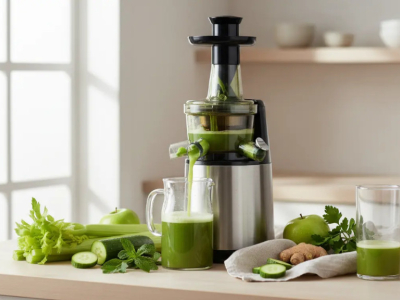
To discover even more ways to incorporate turmeric into your daily routine, check out our guide to 5 practical uses of turmeric in daily life. You can also incorporate turmeric into your juice with an extractor for an immunity boost.

Contraindications and precautions for use
Who should avoid turmeric ?
Frankly, I appreciate brands that demonstrate transparency on this subject, and I notice that very few of our competitors talk about it. So let's be clear:
- Turmeric is contraindicated in cases of bile duct obstruction or gallstones.
- Pregnant women should seek medical advice (documented uterotonic effects).
- At doses higher than 8g/day, cases of liver toxicity have been documented.
Drug interactions to be aware of
Turmeric can interact with certain medications, including anticoagulants (Warfarin, Aspirin), anti-diabetics, and proton pump inhibitors. If you are on regular medical treatment, talk to your doctor before consuming organic turmeric daily in high doses (>2g/day). And always remember to mention your turmeric consumption during your medical consultations.
Possible side effects
They are rare at the recommended doses (1.5 to 3g/day). Some people may experience slight digestive discomfort at first, which usually disappears after a few days. If you are starting, begin with half a teaspoon and gradually increase.
The Biovie raw turmeric-wild pepper blend: our response to the bioavailability issue
Why we created this optimized blend
With our experience in organic superfoods, we identified a recurring problem: our customers were buying high-quality organic turmeric powder... but didn't know that it absolutely needed to be combined with black pepper to benefit from its properties. As a result, 95% of the turmeric consumed was not absorbed by the body.
A scientifically validated 90/10 ratio
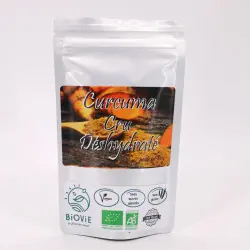
We have developed a pre-measured blend adhering to the ratio validated by studies: 90% organic turmeric (Curcuma longa, origin India) and 10% organic black pepper (Piper nigrum, natural piperine). No need to calculate, the optimal ratio of our organic turmeric piperine is already respected.
Organic certification and full traceability
Our blend is certified FR-BIO-01, ensuring the absence of pesticides. The origin is India, with identified producers. And as with all our products at Biovie, we systematically meet with our suppliers to personally verify the production conditions.
A 150g jar provides approximately 50 daily doses, costing about €0.30 per day. When compared to the €1 to €2 per day for premium organic turmeric capsules, the cost-effectiveness is clearly in favor of the powder for daily preventive use.
We do not claim that our raw and organic turmeric has miraculous properties. We simply apply the conclusions of scientific research to offer you an optimized, traceable, and convenient product. Turmeric works through gradual accumulation over 4 to 8 weeks. It does not replace medical treatment but can serve as a natural complementary approach.
Turmeric is just one of the many superfoods that nature offers us. To diversify your nutritional intake, discover seaweed, superfoods of the sea, rich in minerals and trace elements. And to further boost your vitality, flower pollen perfectly complements the benefits of turmeric. Discover the benefits of flower pollen for energy and immunity.
A varied and balanced diet and a healthy lifestyle are important.
Frequently Asked Questions
What is the difference between culinary turmeric and turmeric supplements ?
Culinary turmeric contains 3 to 5% curcuminoids (the active ingredients), while supplement extracts are concentrated at 95% pure curcumin. For daily preventive use, high-quality organic turmeric powder is more than sufficient with 1 to 2 teaspoons per day. For a targeted therapeutic approach, organic turmeric capsules standardized in curcumin are more suitable, under medical advice.
Why should turmeric be combined with black pepper ?
The piperine in black pepper increases the absorption of curcumin by +2000% by blocking its intestinal degradation (Shoba et al. study, 1998, replicated in 2024). Without piperine, less than 1% of the consumed curcumin reaches your bloodstream. The optimal ratio is 10g of turmeric to 1g of black pepper (90/10 ratio).
How long does it take to feel the effects of turmeric ?
The effects generally appear after 4 to 8 weeks of regular consumption (1.5 to 3g/day). For joint pain, some studies show improvements as early as 6 weeks. Consistency is essential: organic turmeric powder works through gradual accumulation, not in a single dose.
Is it safe to consume turmeric every day ?
Yes, up to 3g/day of turmeric powder (equivalent to 1 level teaspoon) is considered safe by the EMA for long-term daily consumption. Beyond 8g/day, cases of liver toxicity have been documented. Adhere to the recommended dosages and consult your doctor if you are undergoing medical treatment.
Is organic turmeric really more effective than conventional turmeric ?
Organic turmeric ensures the absence of more than 500 listed pesticides and uses environmentally friendly cultivation methods. The concentration of curcumin is similar (3-5%), but the best organic turmeric avoids the chemical residues detected in 68% of conventional turmeric (UFC-Que Choisir, 2024). For long-term daily use, organic limits cumulative toxic exposure.
How to store turmeric powder to preserve its properties ?
Store your organic turmeric powder in an opaque airtight container, away from direct light and moisture, at room temperature (below 25°C). Light destroys 40% of the curcumin in 6 months. When properly stored, organic turmeric retains its properties for 18 to 24 months. Avoid the refrigerator, which promotes condensation.
Turmeric in powder or capsule form: which is more effective ?
Organic turmeric capsules offer a standardized dosage of curcumin (95% extract) and optimized bioavailability. The organic powder provides a synergy of all natural curcuminoids (3-5%) and versatility in cooking. For daily preventive use, the organic powder is sufficient and costs 10 times less. For a targeted approach in cases of acute inflammation, the titrated capsules are more suitable.
Can turmeric interact with my medications ?
Yes, turmeric can interact with certain medications, including anticoagulants (Warfarin, Aspirin), anti-diabetics, and proton pump inhibitors. If you are on regular medical treatment, consult your doctor before consuming turmeric daily in high doses (>2g/day). Always mention your consumption of turmeric during your medical consultations.
Sources:
- European Medicines Agency (EMA), "Assessment report on Curcuma longa L., rhizoma" (2018, revised 2024)
- World Health Organization (WHO), "WHO Monographs on Selected Medicinal Plants"
- Shoba et al., "Influence of piperine on the pharmacokinetics of curcumin in animals and human volunteers", Planta Medica, 1998
- "Bioavailability enhancement of curcumin by co-administration with piperine: A systematic review", Journal of Functional Foods, 2024
- UFC-Que Choisir, "Spices: Pesticide residues in 68% of non-organic samples", 2024
- FDA, "Detection of lead contamination in turmeric products", 2024
- "Efficacy and safety of curcumin in osteoarthritis: A systematic review and meta-analysis", Phytotherapy Research, 2024
- "Curcumin supplementation in patients with irritable bowel syndrome", Digestive Diseases and Sciences, 2024