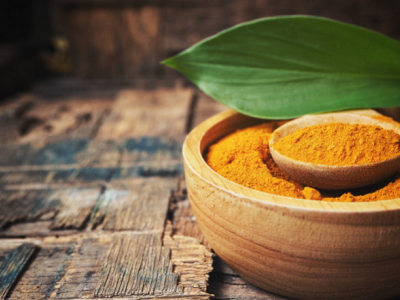
Curcumin: This Golden Pigment That Transforms Your Health
We often talk about algae and superfoods on Biovie, but the curcumin in turmeric truly deserves our attention. For years, Aurélie and I have been incorporating this extraordinary substance into our daily lives, and honestly, the results we observe, both in ourselves and from our customers' feedback, are remarkable.
For my part, I have been interested in natural health since my teenage years, and curcumin is one of those discoveries that have truly changed the way I approach prevention and daily well-being. But beware, there is a trap that 90% of people who buy turmeric powder fall into: they completely miss out on the real benefits. And I will explain why in this article.
Turmeric, that golden root that everyone knows (but few use correctly)
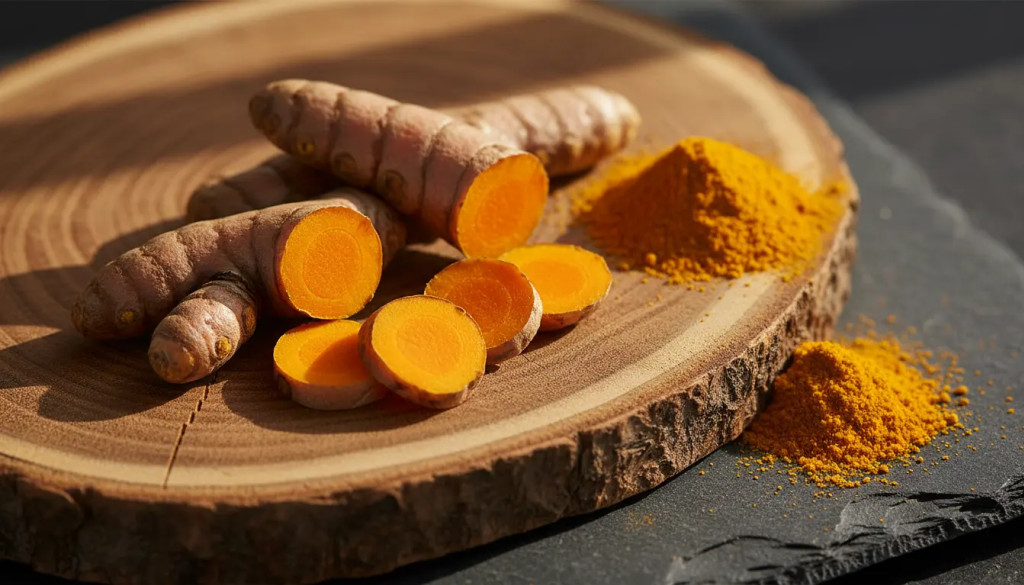
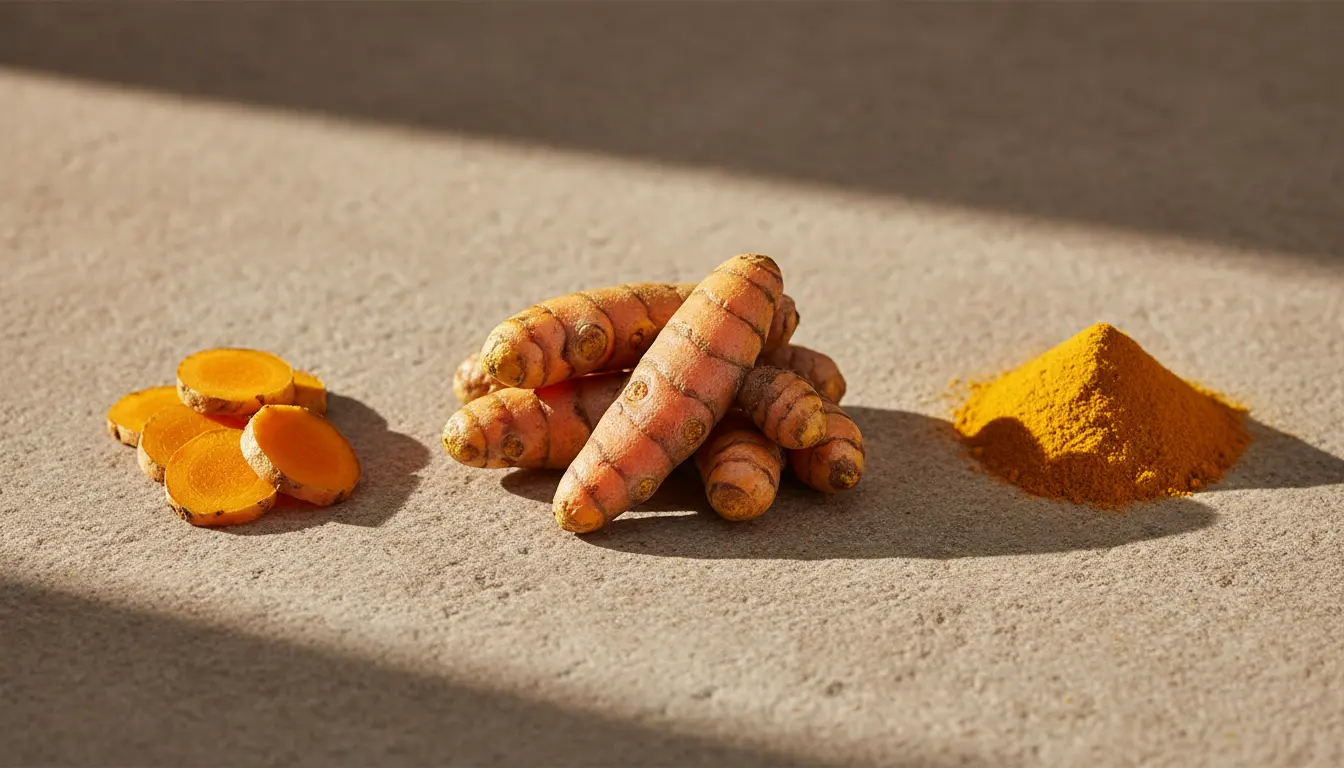
Turmeric, the golden spice that colors Indian curries, is part of the Zingiberaceae family, the same as ginger. Native to South Asia, it has been cultivated for over 4,000 years and is used both in cooking and in traditional Ayurvedic medicine. Its botanical name, Curcuma longa, comes from the Sanskrit "kunkuma," which means "saffron," in reference to its intense yellow-orange color.
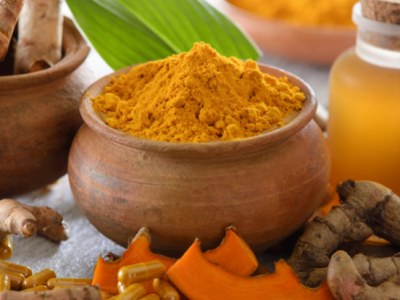
Specifically, when you buy turmeric powder at the supermarket, you are getting the dried and ground rhizome of this plant. This rhizome resembles a ginger root but with that characteristic golden color. In India, it has been used for millennia, not only to flavor dishes but also for its benefits in traditional medicine.
But here is where it gets interesting: turmeric powder contains only 2 to 5% curcumin. It is this curcumin that is responsible for almost all the beneficial effects attributed to turmeric. In reality, when you sprinkle your curry with turmeric, you are only adding tiny amounts of the active substance. It's a bit like trying to hydrate yourself by licking a drop of water.
And then, there is another problem, perhaps even more important: the bioavailability of curcumin is extremely low. Studies show that even if you ingest 12 grams of pure curcumin, your body absorbs less than 1%. The majority is simply eliminated without having had any effect. Honestly, it's frustrating to think that you're investing in your health and 99% of the product ends up in the toilet.
If you are looking for how to consume turmeric practically on a daily basis to maximize its benefits, I have prepared this detailed guide for you.
Curcumin: The Active Ingredient That Changes Everything
Curcumin is the main bioactive compound in turmeric. More specifically, it is a polyphenol from the curcuminoid family. There are three main types in turmeric: curcumin itself (which accounts for about 77% of the total curcuminoids), demethoxycurcumin, and bisdemethoxycurcumin. However, it is really curcumin that concentrates most of the interesting properties.
What makes curcumin so special is its molecular structure. It has two phenolic groups connected by a chain of seven carbon atoms. This structure gives it exceptional antioxidant capacity and an effect on numerous biological pathways in the body. Specifically, curcumin can interact with dozens of different molecular targets, which explains why it has such varied effects.
Scientific research on curcumin has literally exploded over the past twenty years. Today, there are more than 15,000 studies published in international scientific journals. And the results are truly impressive. A meta-analysis published in 2020 in the Journal of Medicinal Food analyzed 120 clinical studies and confirmed that curcumin helps support many bodily functions.
Why your body refuses to absorb curcumin (and how to get around this problem)
Here is the real problem with curcumin: it is a hydrophobic molecule. This means it does not dissolve in water, but only in fats. However, our digestive system is primarily aqueous. As a result, when you ingest regular curcumin, it passes through your intestine without being absorbed, and then it is eliminated.
In reality, three major obstacles prevent your body from benefiting from curcumin:
First, its low solubility. Standard curcumin is practically insoluble in water and digestive fluids. It forms aggregates that cannot cross the intestinal barrier. Researchers from the University of California demonstrated in 2017 that less than 1% of ingested curcumin actually enters the bloodstream.
Then, its rapid metabolism. Even if a small portion of curcumin manages to be absorbed, it is immediately processed by the liver. This process, called first-pass metabolism, converts curcumin into metabolites that are then quickly eliminated by the kidneys. The half-life of curcumin in the blood is only a few hours.
And finally, its active elimination. Your body has pump systems, particularly in the intestines, that actively expel curcumin out of the cells. This is a natural defense mechanism against foreign substances, but unfortunately, it limits the absorption of curcumin.
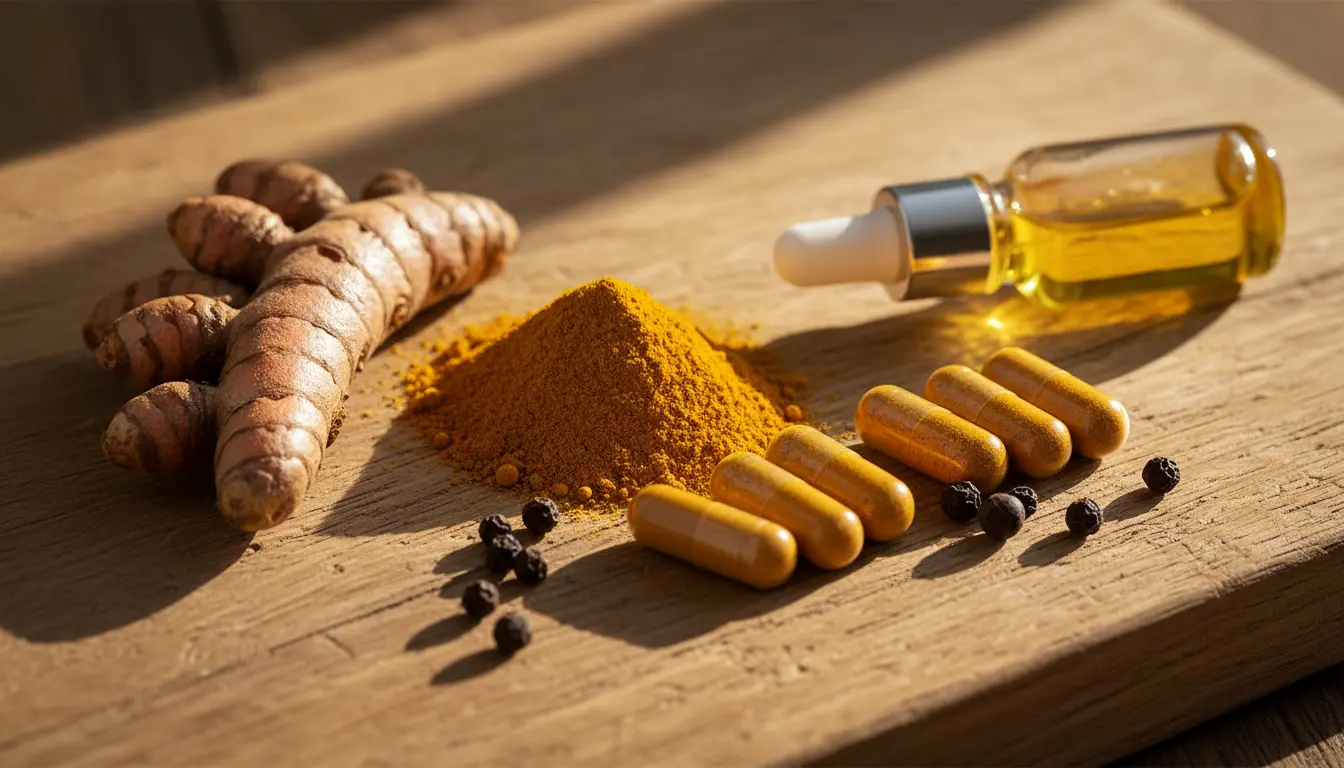
So, how do we do it? Well, research has identified several strategies. The most well-known, and probably the oldest, is the association with piperine from pepper. Piperine is the active alkaloid in black pepper. The Indians had intuitively understood this for millennia by systematically combining turmeric and pepper in their culinary preparations. A 1998 study published in Planta Medica showed that piperine increases the bioavailability of curcumin by 2000% by inhibiting its hepatic metabolism.
The benefits of curcumin: what science really says
So, concretely, what does curcumin bring to your body? Let's review what scientific research tells us, with the most recent data.
Curcumin and Inflammation: A Powerful Natural Support
Low-grade chronic inflammation is somewhat the scourge of our modern era. Unlike acute inflammation (such as when you cut yourself), which is a normal and beneficial response of the body, chronic inflammation is subtle, silent, but extremely harmful in the long term. It is involved in accelerated aging and many metabolic imbalances.
Curcumin helps to modulate inflammation naturally. More than 50 clinical studies have documented its effect on inflammatory markers. A meta-analysis published in 2019 in Phytotherapy Research, involving 15 randomized clinical trials, showed that curcumin helps maintain a normal inflammatory balance in the body.
How does it work? Curcumin acts on several molecular pathways. It notably modulates the activity of the transcription factor NF-κB, which plays a central role in regulating the expression of genes related to inflammation. It also helps support the balance between different cytokines, these chemical messengers that regulate the inflammatory response.
For my part, I have noticed a real difference in my joint pain since I started regularly taking bioavailable curcumin. After a running or cycling session, recovery is significantly better. And Aurélie, who practices yoga intensively, observes the same improvement in her flexibility and joint comfort.
Support for joint function and muscle comfort
This is probably the most documented use of curcumin. Dozens of clinical studies have evaluated its effect on joint comfort. An Italian study published in 2016 in the European Review for Medical and Pharmacological Sciences followed 100 people for 90 days. Participants taking curcumin reported a significant improvement in their joint comfort compared to the placebo group.
Another double-blind randomized study, published in 2014 in Clinical Interventions in Aging, showed that curcumin helps maintain normal joint function in older adults. The study involved 201 participants and demonstrated results comparable to some conventional approaches, but with a much better tolerance profile.
Curcumin also supports muscle recovery after exercise. A 2015 study published in the European Journal of Applied Physiology showed that curcumin supplementation helps reduce markers of muscle inflammation after intense exercise and contributes to better recovery.
Antioxidant protection and cellular support
Oxidative stress is the constant attack on our cells by free radicals. These unstable molecules damage our cell membranes, our DNA, and our proteins. Aging, pollution, stress, and an unbalanced diet all increase oxidative stress. Our body needs antioxidants to defend itself.
Curcumin is a particularly powerful antioxidant. Its ORAC (Oxygen Radical Absorbance Capacity) index, which measures antioxidant capacity, is extremely high. But beyond directly neutralizing free radicals, curcumin has an even more interesting action: it activates the body's endogenous antioxidant systems.
Specifically, it stimulates the production of antioxidant enzymes such as superoxide dismutase (SOD) and catalase. A study published in 2018 in Antioxidants demonstrated that curcumin activates the transcription factor Nrf2, which regulates the expression of more than 200 protective genes, including those coding for antioxidant enzymes.
This antioxidant protection helps protect cells against oxidative stress, maintain cellular integrity, and support the normal functioning of mitochondria, the "powerhouses" of our cells.
Support for digestive function
Curcumin also contributes to the proper functioning of the digestive system. Ayurvedic medicine traditionally used it to support digestion, and modern science confirms these ancestral uses.
A study published in 2017 in the Journal of Clinical Gastroenterology showed that curcumin helps maintain the balance of intestinal flora. It contributes to supporting the diversity of the microbiome, which is essential for good digestive health and, more broadly, for overall health.
Curcumin also contributes to maintaining the integrity of the intestinal barrier. It helps to strengthen the tight junctions between intestinal cells, which aids in maintaining normal intestinal permeability. A 2015 study in Digestive Diseases and Sciences documented these beneficial effects.
Here is an aspect that particularly fascinates me. Curcumin crosses the blood-brain barrier, this highly selective filter that protects our brain. And once in the brain, it exerts several beneficial actions.
Epidemiological studies have observed that in countries where turmeric consumption is high, such as India, certain age-related cognitive disorders are less common. A Californian study published in 2018 in the American Journal of Geriatric Psychiatry followed 40 adults for 18 months. Participants taking bioavailable curcumin showed improved cognitive performance and better mood compared to the placebo group.
Curcumin helps protect neurons against oxidative stress and supports synaptic plasticity, which is the brain's ability to create and strengthen connections between neurons. It also contributes to maintaining a normal inflammatory balance in the brain, which is crucial for preserving cognitive function with age.
Liver function support
The liver, this extraordinary organ that continuously filters and detoxifies our blood, also benefits from the properties of curcumin. Traditional Indian medicine used turmeric to support liver function, and once again, science validates these uses.
A systematic review published in 2019 in Nutrients analyzed 15 clinical studies and concluded that curcumin helps support normal liver functions. It particularly aids in maintaining a balanced hepatic lipid metabolism and contributes to the protection of liver cells against oxidative stress.
Curcumin also supports the natural liver detoxification processes by promoting the production of phase II enzymes, which are involved in the elimination of toxic substances. A 2016 study in the World Journal of Gastroenterology documented these beneficial effects.
Moreover, if you are interested in gentle and natural detoxification approaches, discover our ZencleanZ kits which combine enzymes and synergistic nutrients to support your elimination functions.
It is recommended to take curcumin with a meal containing fats, even if you are using a bioavailable formulation. Dietary lipids further facilitate absorption.
Duration of supplementation: patience and consistency
Here is a question we are often asked: "How long will it take for me to feel the effects?" The answer depends on what you are looking for and your starting situation.
For joint comfort, some people report improvement within the first few weeks. Clinical studies generally observe significant effects after 4 to 8 weeks of regular supplementation.
For the underlying antioxidant and anti-inflammatory effects, it takes at least 2 to 3 months. The benefits on cognitive function require even more time, with studies showing results after 6 to 18 months.
This is why we always recommend starting with a minimum 3-month course. Curcumin is not a medication that masks a symptom. It is a nutritional support that works deeply on the body's balances. It takes time.
Synergistic associations
Curcumin works even better in synergy with other nutrients. Omega-3s, for example, enhance its effect on inflammatory balance. A 2017 study published in Nutrition showed that the combination of curcumin and omega-3s was more effective than each taken separately in supporting cardiovascular health.
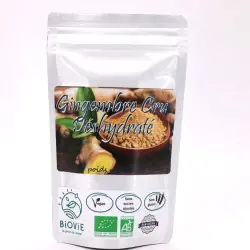
Ginger, a botanical cousin of turmeric, also enhances the effects of curcumin. The gingerols in ginger act on complementary pathways. At Biovie, we appreciate this synergistic approach that replicates what nature has been doing for millennia.
Precautions for use and contraindications
Even though curcumin from turmeric is generally very well tolerated, some precautions are necessary. First, if you are taking anticoagulant medication, talk to your doctor before starting curcumin. It has properties that can influence blood coagulation.
In cases of gallstones or bile duct obstruction, curcumin is contraindicated because it stimulates gallbladder contractions.
Pregnant and breastfeeding women: as a precautionary principle, avoid therapeutic doses of curcumin. The culinary use of turmeric is not a problem, but concentrated extracts have not been sufficiently studied in these populations.
Before a surgical procedure, stop taking curcumin at least 2 weeks in advance, due to its effect on blood clotting.
Some people, especially at high doses, may experience mild digestive discomfort: bloating, nausea. If this is the case for you, reduce the dose or take curcumin several times throughout the day.
If you are allergic or intolerant to turmeric, don't worry: there are natural alternatives to turmeric that can offer similar benefits.
In practice: how to incorporate curcumin into your daily life
So concretely, how do we do it? I will share with you our routine, the one that has worked for us for years.
We like to occasionally prepare what is called a "golden milk" in the evening. It's a traditional Ayurvedic drink: warm plant-based milk (almond, coconut, oat), a teaspoon of turmeric powder, a pinch of black pepper, a bit of ginger, and a touch of honey or agave syrup. It's comforting and delicious, especially in winter.
Turmeric (not curcumin extract, but turmeric powder) can also be incorporated into daily cooking. Rice, soups, curries, dressings, all lend themselves to the addition of turmeric. It doesn't replace a supplementation of bioavailable curcumin, but it's a nice bonus.
If you are starting out, begin with a moderate dose during the first week to see how your body reacts. Some people are more sensitive than others. Then, gradually increase to the recommended dose.
And then, note your observations. Keep a small journal where you record how you feel, your energy level, your joint comfort, your digestion. After a few weeks, you can compare and see if you notice any changes. It's always interesting to be able to objectively measure what is happening.
Conclusion: curcumin, an essential component of natural health
Here you go, I hope this article has helped you better understand what curcumin really is, how it works, and especially how to use it effectively. Because frankly, there's a world of difference between the turmeric powder we put in curry and a well-dosed, bioavailable curcumin extract.
What I like about curcumin is that we have both a millennia-old tradition of use and thousands of modern scientific studies that confirm and clarify the mechanisms of action. It's reassuring. We're not navigating blindly.
Of course, curcumin is not a miracle solution. It is part of a comprehensive health approach: quality nutrition, regular physical activity, stress management, sufficient sleep. But as a supplement to this solid foundation, it truly adds value.
And then, unlike many substances that are presented to us as panaceas before their side effects are discovered, curcumin has proven itself. It has been used for 4000 years, and modern studies only confirm its safety and effectiveness.
So if you want to try, choose a quality product with optimized bioavailability, and give yourself at least 3 months to observe the effects. You will probably be pleasantly surprised.
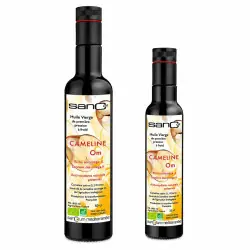
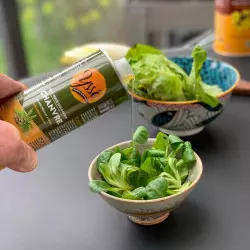
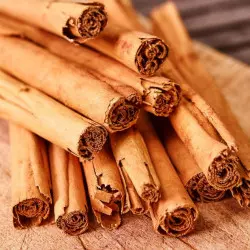
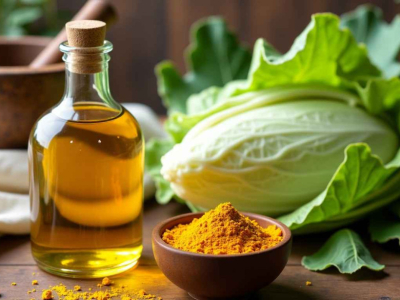
First cold-pressed virgin oils (camelina, flax, hemp) and organic spices dried below 42 °C make up this range: turmeric, ginger, Ceylon cinnamon (lower in coumarin than the Cassia sold commercially) and Bourbon vanilla. In cooking, turmeric pairs well with black pepper and a fat. Camelina or flax: camelina keeps better, while flax, with its stronger taste, oxidises faster once opened., 11
products
How long does it take to see results with curcumin?
According to the scientific literature, you should generally allow 3 to 4 weeks before starting to notice effects, as curcumin acts progressively on the body. For a deeper, longer-term effect on general comfort, allow rather 2 to 3 months of regular intake. Effects on cognitive function have been studied over periods of 6 to 18 months, depending on the study.
Can curcumin damage my liver?
At reasonable doses, curcumin is generally well tolerated from a liver standpoint, as noted by VIDAL and EFSA, up to 3 grams per day. If you have a pre-existing liver condition, consult your doctor before starting any supplementation.
Can I take curcumin every day?
Yes, you can take curcumin daily while respecting the recommended doses. No long-term toxicity has been documented in scientific studies. For optimal use, we recommend a protocol of 3 to 4 weeks of continuous supplementation, followed by a one-week break, then resuming. This cyclical approach helps the body maintain good responsiveness to curcumin's effects.
What are curcumin's interactions with my medications?
Curcumin can slow down the metabolism of certain medications, particularly anticoagulants (warfarin, aspirin) and diabetes treatments. It has properties that may influence blood clotting. If you are on chronic medication, it is important to check with your pharmacist or doctor before starting curcumin supplementation. If surgery is planned, stop curcumin at least 2 weeks beforehand.
Is it better to take curcumin on an empty stomach or with a meal?
It is preferable to take curcumin WITH A MEAL CONTAINING FATS. Curcumin is a fat-soluble molecule (soluble in fat) and not water-soluble. Dietary lipids considerably improve its absorption. Ideally, consume it with olive oil, coconut oil, avocado, nuts, or any other food containing healthy fats. This recommendation applies even with enhanced-bioavailability formulations.
Where to buy quality curcumin in France?
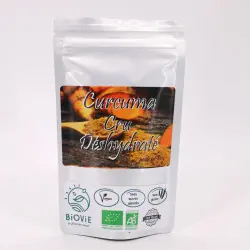
To choose quality curcumin, favour certified organic extracts with at least 95% curcuminoids and a bioavailability-enhancing technology (piperine, liposomal or micellar formulation). At Biovie, we offer several optimised formulas: our Organic Golden Milk, which combines organic turmeric, black pepper and coconut milk for maximum absorption, as well as raw turmeric powder and synergistic blends. With 18 years of expertise and our Ecocert certification, we carefully select our suppliers worldwide to guarantee traceability and optimal quality.
Curcumin, turmeric and curry: is it the same thing?
No, these are three different things. Curry is a spice blend that may contain turmeric among other ingredients. Turmeric is the root (rhizome) of the Curcuma longa plant, which contains only 2 to 5% curcumin in its raw form. Curcumin is the isolated and concentrated active compound of turmeric, responsible for almost all of its beneficial effects. To fully benefit from curcumin's properties, it is recommended to use a concentrated extract combined with piperine (black pepper) to improve its absorption by up to 2000%. Our Organic Golden Milk is designed precisely for this optimisation: organic turmeric + piperine for maximum efficacy.
Important note:A varied and balanced diet and a healthy lifestyle are important. The information presented in this article is derived from scientific literature and does not replace medical advice. In case of doubt or a specific medical condition, consult a healthcare professional.