Why soak your almonds to activate them and make them "alive" ?
Dried almonds, which are oilseeds, contain the reserves needed to give rise to a future almond tree. These reserves exist in a complex storage form: proteins, lipids (fats), long-chain carbohydrates that are not easily digestible, among others. This is to make them as unappealing as possible to insects and animals, thereby giving the almonds the best chance to become trees.
In nature, for a almond In order to produce an almond tree, the almond patiently waits for optimal conditions to awaken and initiate all the necessary biological and enzymatic processes to form a sprout, then a seedling, and eventually an almond tree.
The first condition for this awakening to occur is the presence of water. As soon as the almond is soaked, either in nature by rain or in the kitchen in soaking water, enzyme inhibitors are released. One of the main inhibitors is phytic acid (or phytate), which is scientifically considered an antinutrient, particularly due to its ability to form insoluble complexes with micronutrients such as iron, magnesium, zinc, and copper, thereby limiting the absorption of these minerals at the intestinal level. It inhibits pepsin and trypsin, which are enzymes that facilitate the digestion of proteins. Some nuts also possess these characteristics. Raw almonds contain on average 5% of their dry weight in phytic acid.
As soon as this soaking takes place, the almond releases its phytic acid and four forms of pre-digestion then occur in the almond:
Lipids (predominant in almonds, over 51%) in reserve are broken down into fatty acids.
2. The stored proteins are broken down into amino acids.
Complex sugars are broken down into simple sugars.
4. Micronutrients (iron, magnesium, zinc, copper, iron...) transition from an insoluble complex form, bound with phytic acid, to an unbound form.
Soaking almonds is an ancient practice that is making a comeback because it is simple to do.
Share this article

Organic activated whole almonds
€18.90 In stock
How to soak almonds ?
almonds is child's play. Here is a step-by-step process for soaking almonds:
-
Put a handful of whole almonds in a bowl.
-
Rinse them, then add potable water to submerge them.
-
The soaking time for these almonds will last approximately 12 hours (for example, let them rest overnight) at room temperature.
-
In the morning, drain and rinse the almonds.
-
You can consume them immediately after rinsing them.
Once soaked, they will come back to life and begin to sprout. Be sure to consume them within 72 hours, storing them in the refrigerator to slow down the sprouting process, thus creating an environment conducive to their freshness and preservation.
If you prefer a crunchier texture, dehydrate the soaked almonds at less than 42°C using a low-temperature dehydrator. You can then store and use them more easily throughout the year.
If you want to "test" soaked dehydrated almonds without prior preparation, you will find them in the store. almonds Soaked for 12 hours and dehydrated at less than 42°C, Tuono variety almonds, which are organic almonds from Sicily with an intense and aromatic flavor, without bitterness. It is one of the noblest varieties in the Mediterranean.
We also offer you activated almond purées (activation = soaking then dehydration of the almonds), made in an artisanal manner in France:
Taste and texture of activated almonds
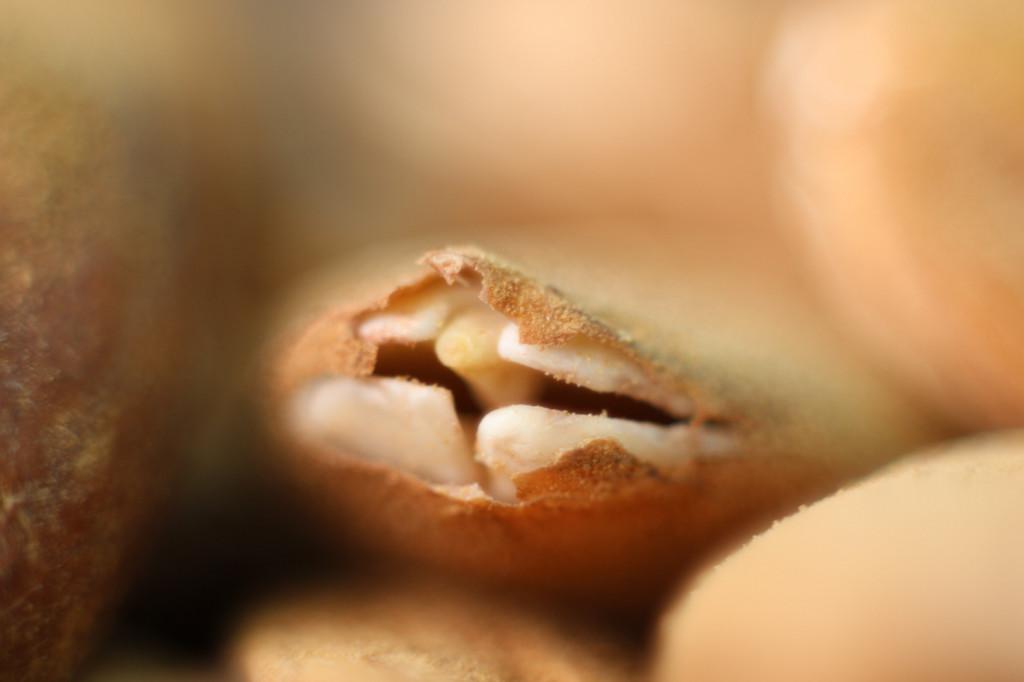
By soaking the almonds overnight, they will be rid of their slight bitterness and they will adopt an astonishingly crunchy texture by becoming lighter and hollowing out in their center (beginning of germination).
The full range Oilseeds, nuts, seeds
Fair trade tiger nut from Niger, Amazon nuts from Bolivia, activated buckwheat from Brittany, and activated oilseed purées made in Alsace by Kaly: this range brings together oilseeds and seeds of raw quality, most of them soaked then dehydrated at low temperature (activation). To get started with activation, an activated almond or hazelnut purée is easier to use than a whole oilseed you have to soak yourself. For everyday raw cooking, tiger nut (whole, sliced or as a purée) comes in several formats suited to different uses, from homemade plant milk to crunchy snacks., 20 products
Discover the full range

References
MF Ryan, January 1991
Le rôle du magnésium en biochimie clinique : un aperçu
Richard D. Mattes, 2008
L'énergétique de la consommation de noix