
Summary
After 18 years of supporting people in transition to theliving food at Biovie, I notice that the issue of essential nutrients for vegans returns systematically. And frankly, I understand this concern: nearly 42% of French people are still hesitant to adopt a vegan diet due to fear of deficiencies (Deliveroo & YouGov, 2024). However, with the right information and a few well-chosen superfoods, a well-planned vegan diet can perfectly meet all your nutritional needs.
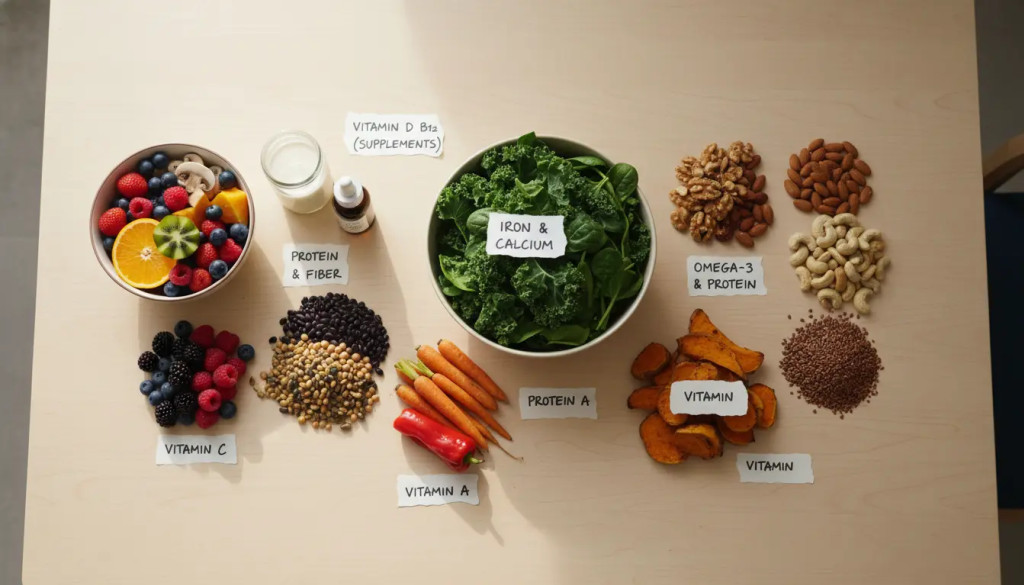
Concretely, only the Vitamin B12 requires mandatory supplementation, pending scientific developments on the B12 content of algae. For the rest, algae, sprouted seeds, and some vegetable oils are more than enough to provide your body with what it needs. In this article, I share with you our comprehensive summary table, the result of many years of experience and validated scientific research.
A summary of essential nutrients
Before delving into the details of each nutrient, here is the summary table we have developed with Aurélie. It outlines the 10 nutrients to monitor in a vegan diet, their level of priority, the recommended daily intake, and the best plant-based sources.
The 10 essential nutrients for a vegan diet:
- Vitamin B12 — High priority — 2.5 µg/day (ANSES, 2021) — Supplementation is essential as of current scientific knowledge, no plant source can cover 100% of the needs. Algae are under scientific evaluation.
- Vitamin D — High priority — 15 µg/day — Sun exposure, UV-exposed mushrooms, supplementation
- Omega-3 (EPA/DHA) — High priority — 250 mg DHA/day — Camelina oil, flaxseed oil, marine algae (direct DHA)
- Iron — High priority — 11-16 mg/day — Spirulina (28-35 mg/100g), lentils, pumpkin seeds
- Zinc — Medium priority — 9.3-14 mg/day — Hemp seeds, cashew nuts, legumes
- Iodine — Medium priority — 150 µg/day — Wakame, dulse, nori
- Calcium — Medium priority — 950 mg/day — Sesame seeds, kale, tofu
- Selenium — Medium priority — 70 µg/day — Brazil nuts (1-2 nuts/day), mushrooms
- Complete proteins — Basic Priority — 0.83 g/kg/day — spirulina, hemp, seaweed
- Vitamin B2 — Basic Priority — 1.4-1.6 mg/day — Almonds, mushrooms, sprouted seeds
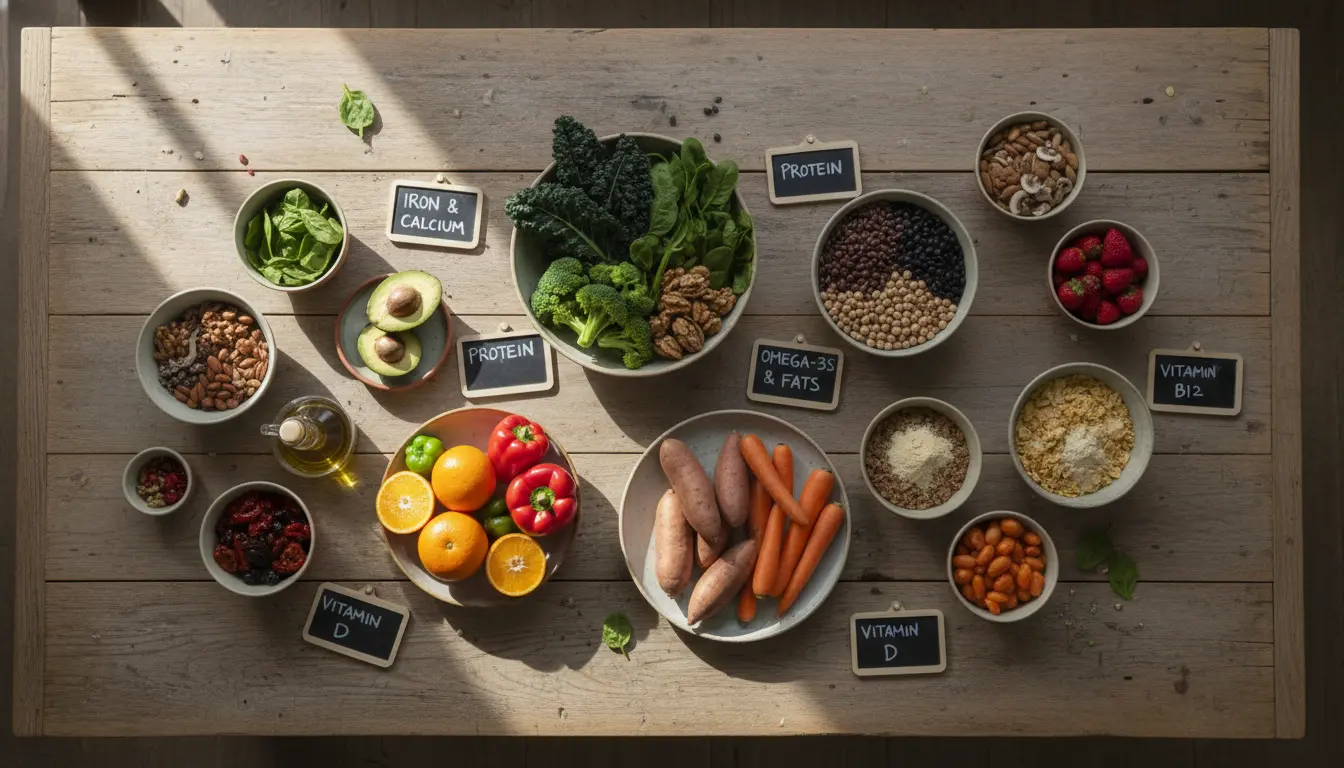
This summary of the essential nutrients for vegans gives you an overview. Now, let's explore each nutrient in detail to understand why it is important and how to naturally incorporate it into your balanced vegan diet.
Vitamin B12: The #1 Nutrient to Watch
Why B12 is essential
Clearly, the Vitamin B12 represents the only nutrient for which there is no reliable natural alternative in the plant kingdom to meet all daily needs, as the B12 content of algae and microalgae is still debated to this day. This vitamin plays an essential role in the normal functioning of the nervous system and contributes to the normal formation of red blood cells (EFSA, 2010). It is also involved in DNA synthesis and the metabolism of homocysteine, a cardiovascular risk marker (Green). and others., 2017).
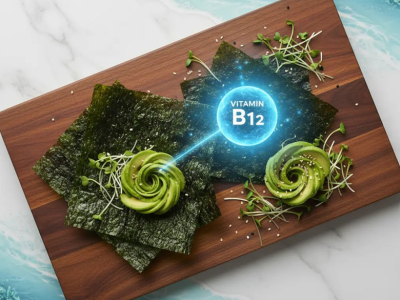
Recent discoveries of 2024The Huang clinical study, published in October 2024 in the European Journal of Nutrition) reported very encouraging results on the presence of B12 in nori. Nevertheless, for purely practical reasons related to Western rather than Asian cooking, and although I strongly recommend regular consumption of seaweed, for their great nutritional benefits, it is really not reasonable to rely on this source for one's B12 needs. Further studies on B12 content in algae should be able to confirm these results.
A B12 deficiency can take several years to manifest, because our liver stores this vitamin — up to 3 to 5 years of reserves according to studies (Herbert, 1988). But when symptoms appear — deep fatigue, neurological disorders, concentration difficulties, paresthesias — the damage can be serious and sometimes irreversible on a neurological level. A meta-analysis published in Clinical Nutrition reveals that up to 62% of unsupplemented vegans exhibit markers of B12 deficiency (Pawlak and others., 2013).
Plant sources and supplementation
In reality, B12 supplementation is not an admission of failure of a plant-based diet. It is simply a logical adaptation to our modern environment. Historically, humans obtained their B12 through bacteria present in the soil found on food and untreated water. Today, our sanitary environment no longer allows for this — and that's a good thing to avoid pathogenic contamination.
The dose recommended by ANSES is 2.5 µg per day for adults. You can choose:
- A daily low-dose supplementation (10-25 µg)
- A high-dose weekly supplementation (2000 µg)
- Or twice a week at an intermediate dose (1000 µg)
Cyanocobalamin and methylcobalamin are the two most common forms. Cyanocobalamin offers better stability and lower cost, while methylcobalamin is the active form directly usable by the body (Obeid). and others., 2015).
Does spirulina replace B12 ?
Yes, spirulina contains B12, but not necessarily in an absorbable form. This is a confusion I often encounter in my exchanges with our Biovie community. The spirulina It indeed contains molecules that resemble B12, called "analogues" or "pseudo-B12." However, these analogues are not usable by our body and can even interfere with blood tests, skewing the results (Watanabe). and others., 2014).
A study published in Nutrients clearly demonstrated that spirulina cannot be considered a reliable source of bioavailable B12 for humans (Merchant & Andre, 2001). That said, the spirulina remains a remarkable superfood for other nutrients — iron, protein, beta-carotene. It simply does not replace supplementation in vegan vitamin B12.

Plant-based iron: optimizing its absorption
Difference between heme iron and non-heme iron
Iron exists in two forms: heme iron (found in animal products) and non-heme iron (found in plant-based foods). Non-heme iron (present in plants). Plant-based iron has a lower bioavailability — about 2-20% compared to 15-35% for animal iron (Hurrell & Egli, 2010). However, this difference can be largely compensated for by a few simple tips that I will detail for you.
A study published in The American Journal of Clinical Nutrition shows that vegetarians develop adaptation mechanisms that improve the absorption of non-heme iron over time (Hunt, 2003). The human body is remarkably adaptable.
The best plant-based sources of iron
Honestly, when I compare the numbers, some plant-based sources have nothing to envy about red meat. The organic spirulina contains between 28 and 35 mg of iron per 100 g, which is more than 10 times the content of beef (about 2.5 mg/100 g). USDA data confirm these exceptional values for this microalgae (USDA, 2019).
Here are the sources of Plant iron the most concentrated:
- Spirulina : 28-35 mg/100 g
- Pumpkin seeds : 8.8 mg/100 g
- Cooked lentils : 6-8 mg/100 g
- Firm tofu : 5.4 mg/100 g
- Cooked spinach : 3.6 mg/100 g
For my part, I add a teaspoon of spirulina to my morning smoothie. This represents about 30% of the recommended daily intake, in a completely natural way.
The vitamin C trick to double absorption
Here is a piece of information that few people know: the Vitamin C can increase the absorption of plant-based iron by 2 to 6 times. (Hallberg Could you please provide more context or complete the text you would like translated? and others., 1989). This synergistic interaction has been widely documented in the scientific literature.
Specifically, you just need to add lemon to your lentils, eat a bell pepper with your spinach, or finish your meal with a kiwi. A study conducted by the University of Gothenburg showed that as little as 50 mg of vitamin C (the equivalent of half a kiwi) is enough to double the iron absorption from a meal (Siegenberg). and others., 1991).
Conversely, avoid consuming tea or coffee right after a meal rich in iron. The tannins and polyphenols they contain can reduce absorption by 60 to 90% according to studies (Hurrell). and others., 1999).
Omega-3: ALA, EPA, and DHA Explained
The three types of omega-3
The omega-3 are available in three main forms:
- ALA (alpha-linolenic acid) : present in plants (flax, chia, camelina)
- EPA (eicosapentaenoic acid) : active form for inflammation
- DHA (docosahexaenoic acid) : essential for the brain and retina
The problem is that our body converts ALA to EPA and DHA very poorly. Studies show a conversion rate of only 0.5 to 10% for EPA and less than 1% for DHA (Burdge & Calder, 2005). That is why the vegan omega-3 in the form of directly assimilable DHA are particularly interesting.
Optimal plant sources
Here are the best plant sources of omega-3:
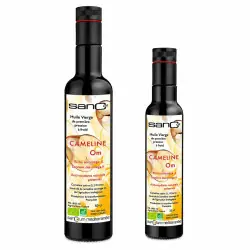
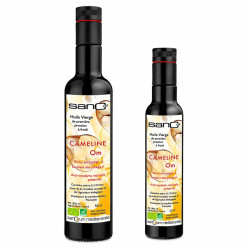
- Camelina oil : an excellent local alternative to linseed oil, with a milder taste
€15.00
Organic camelina oil
- Linseed oil : the richest in ALA (about 50%), but sensitive to heat and light
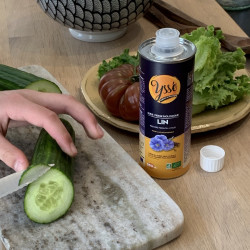
- Chia seeds : 17-18 g of ALA per 100 g
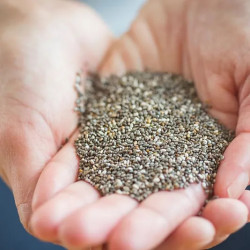
- Nut : good source of ALA with 9 g per 100 g
For directly assimilable DHA, the Seaweed represent the only reliable plant source. At Biovie, we offer algae oils rich in DHA that bypass the conversion problem (Lane & Derbyshire, 2018).
Who really needs to supplement ?
The needs for omega-3 DHA are particularly important for:
- Pregnant and breastfeeding women : DHA contributes to the normal development of the brain and eyes of the fetus (EFSA, 2011)
- People over 65 years old : DHA contributes to the maintenance of normal brain function
- Endurance athletes : Omega-3s support muscle recovery
If you consume 1 to 2 tablespoons of flaxseed or camelina oil daily, your ALA needs are covered. For DHA, supplementation with algae oil (250 mg/day) may be advisable depending on your situation.
Calcium, iodine, and zinc: the key minerals
Calcium: Beyond Dairy Products
The Calcium is often associated with dairy products, but many plant-based sources are just as effective—if not better in terms of bioavailability. Kale, for example, offers a higher calcium absorption rate than milk (Weaver and others., 1999).
The best plant-based sources of calcium:
- Sesame seeds / tahini : 975 mg/100 g
- Calcium tofu : 350-400 mg/100 g
- Cooked kale : 150 mg/100 g (with excellent bioavailability)
- Almonds : 264 mg/100 g
- Wakame seaweed : 1,300 mg/100 g
However, be cautious with spinach and rhubarb: although they are rich in calcium, their high oxalate content significantly reduces absorption (Gibson). and others., 2010).
Iodine: Seaweed to the Rescue (with Caution)
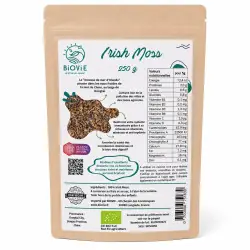
Theiodine is essential for the normal functioning of the thyroid. Vegans who do not consume seaweed are often deficient. The edible seaweed represent the best plant source, but be careful with the dosages:
- Wakame : moderate content, ideal for regular consumption
- Dulse : balanced content, pleasant taste
- Nori : moderate content, perfect for sushi and maki
- Kombu : very rich (1,000-6,000 µg/100 g), to be used sparingly
Excessive iodine consumption can disrupt thyroid function. Limit kombu to a few grams per week at most. and others., 2004). Other algae can be consumed more freely.
Zinc: seeds and legumes
The Zinc contributes to the normal functioning of the immune system and the metabolism of macronutrients. Vegans often have lower zinc intake, but studies show that their biological markers generally remain within normal ranges (Foster and others., 2013).
Plant-based sources of zinc:
- Hulled hemp seeds : 9.9 mg/100 g
- Pumpkin seeds : 7.8 mg/100 g
- Cashew nuts : 5.6 mg/100 g
- Cooked chickpeas : 2.5 mg/100 g
- Cooked lentils : 3.3 mg/100 g
Soaking and sprouting legumes and seeds reduce their phytate content, these compounds that inhibit zinc absorption. At Biovie, our sprouted seeds thus offer better bioavailability of this mineral (Gan and others., 2017).
Vitamin D: The Universal Nutrient
Why is everyone lacking vitamin D?
The vitamin D is not at all a problem specific to vegans — it is a general public health challenge. In France, the ENNS study reveals that nearly 80% of the population has insufficient levels of vitamin D (Vernay and others., 2012). This widespread deficiency is explained by our modern lifestyle: indoor work, systematic sun protection, and the latitude of our country.
Vitamin D contributes to the maintenance of normal bones and the normal functioning of the immune system (EFSA, 2010). It also plays a role in the absorption of calcium and phosphorus.
Plant sources and supplementation
In a vegan diet, natural sources of vitamin D are limited:
- Mushrooms exposed to UV : certain mushrooms (shiitake, maitake) exposed to UV light develop vitamin D2 (Urbain and others., 2011)
- Sun exposure : 15-20 minutes of exposure of the arms and face between April and October
- Vegan D3 supplementation : extracted from lichen, the most effective form
I recommend to people in the north of France — vegan or not — to take a vitamin D supplement between October and March, a period when sun exposure is insufficient at these latitudes. The recommended dose is 15 µg (600 IU) per day for adults, but your doctor may recommend higher doses depending on your blood levels (Holick, 2007).
At-risk populations: who should be more vigilant ?
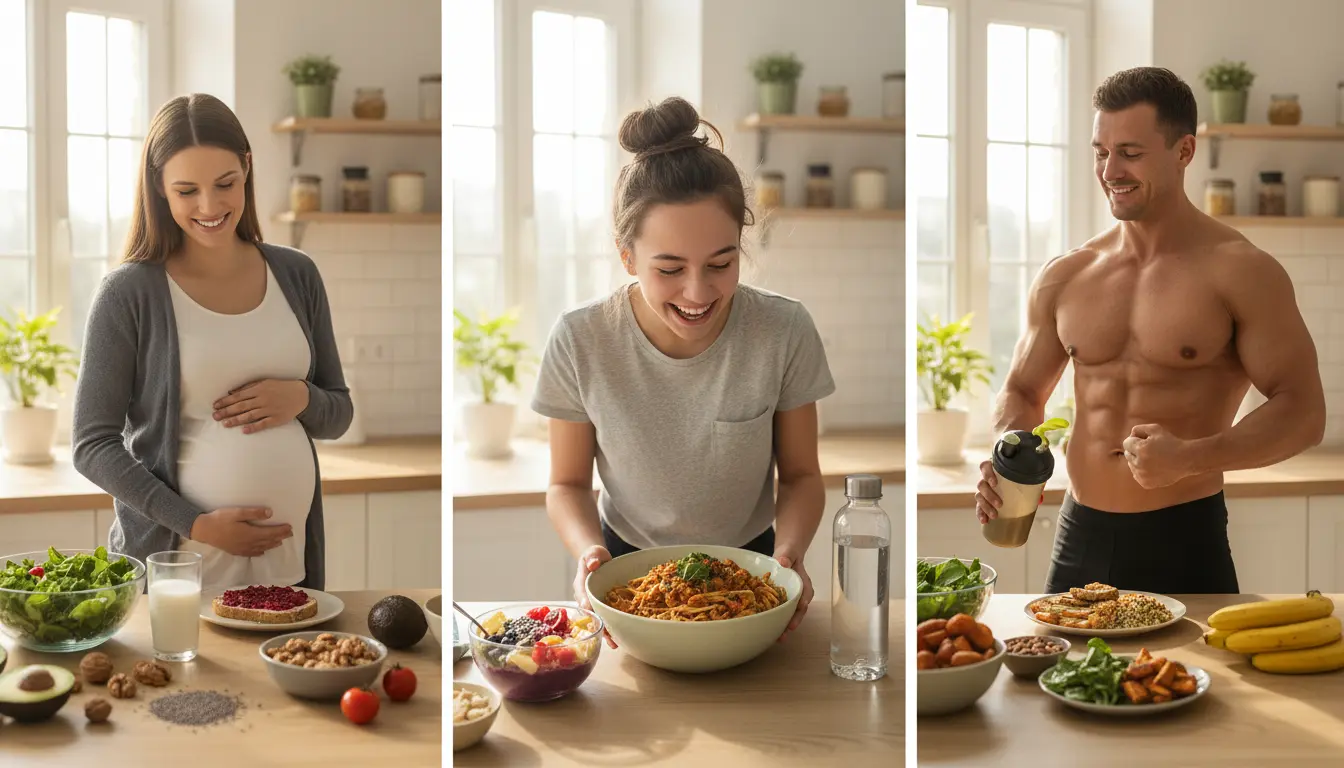
Pregnant and breastfeeding women
Nutritional needs increase significantly during pregnancy and breastfeeding. The pregnant vegan women must be particularly attentive to:
- Vitamin B12 : imperative supplementation, as the fetus builds its own reserves
- DHA : contributes to the normal development of the fetal brain (minimum 250 mg/day)
- Iron : needs increased by 50%, regular monitoring of ferritin
- Iodine : increased needs for the baby's thyroid development
ANSES recommends enhanced medical monitoring for pregnant women following a vegan diet. Guidance from a specialized dietitian is strongly advised. and others., 2016).
Children and adolescents
Growth imposes high nutritional needs. A vegan diet can be suitable for children according to the American Academy of Nutrition and Dietetics (2016), but it requires careful planning and regular medical supervision.
Specific points of vigilance:
- Caloric density : since plant-based foods are less caloric, ensure sufficient energy intake
- Proteins : systematically combine cereals and legumes
- Calcium : essential for bone growth
- Iron and zinc : high needs during growth spurts
Athletes
The vegan athletes have increased needs for protein (1.2 to 2 g/kg/day depending on activity), iron, and zinc (Thomas and others., 2016). Spirulina and hemp seeds are particularly suitable because they provide complete proteins with all the essential amino acids.
Key points for vegan athletes:
- Proteins : increase legumes, tofu, tempeh, seitan, and protein-rich superfoods
- Creatine : naturally absent from plants, can be supplemented (non-essential)
- Iron : monitor ferritin, especially in endurance athletes
- Omega-3 : for recovery and inflammation
Frequently Asked Questions
What are the 10 essential nutrients for vegans ?
The 10 nutrients to monitor in a vegan diet are: vitamin B12 (mandatory supplementation), vitamin D, omega-3 EPA/DHA, iron, zinc, iodine, calcium, selenium, complete proteins, and vitamin B2. Only B12 requires systematic supplementation as no reliable plant-based source exists. The other nutrients can be covered by a diverse diet including superfoods like spirulina, algae, and sprouted seeds.
How to avoid deficiencies when you are vegan ?
Three pillars help prevent deficiencies in a vegan diet: a varied diet rich in legumes, whole grains, and superfoods (spirulina, algae, sprouted seeds), mandatory B12 supplementation, and an annual blood test including B12, iron, ferritin, and vitamin D. The key tip: always combine plant-based iron with vitamin C to increase absorption by 2 to 6 times.
What dietary supplements are essential for a vegan ?
Only vitamin B12 is essential because no reliable plant-based source exists. Vitamin D is highly recommended, especially between October and March in France where 80% of the population is deficient. Algal DHA omega-3s can be useful if you do not regularly consume flaxseed or camelina oil, particularly for pregnant women and people over 65 years old.
Where to find iron when you don't eat meat ?
The best plant-based sources of iron are spirulina (28-35 mg/100 g, which is 10 times more than beef), lentils (6-8 mg/100 g), pumpkin seeds (8.8 mg/100 g), tofu (5.4 mg/100 g), and cooked spinach (3.6 mg/100 g). To improve the absorption of plant-based iron, consume it with vitamin C: lemon on lentils, bell pepper with spinach, or a fruit rich in vitamin C for dessert.
Can spirulina replace B12 ?
No, it is a dangerous myth. Spirulina contains B12 analogs (pseudo-B12) that are not usable by the human body and can even skew blood tests. Scientific studies are clear on this point. Spirulina remains excellent for iron (28-35 mg/100 g) and proteins (60-70%), but it does not in any way replace B12 supplementation.
Which algae are the richest in nutrients ?
Spirulina excels in iron and proteins — it is one of the most nutritious foods in the world. Chlorella provides iron and contributes to the body's natural elimination functions. Wakame and dulse are excellent sources of iodine when consumed in moderation. Klamath has a very complete nutritional profile with unique phytonutrients. Be careful not to overconsume seaweeds that are very high in iodine, such as kombu.
Is a vegan diet dangerous for children ?
A well-planned vegan diet can be suitable for children according to the American Academy of Nutrition and Dietetics (2016). However, it requires strict medical supervision and appropriate supplementation with B12, vitamin D, and sometimes iron and zinc. ANSES recommends professional guidance for pregnant and breastfeeding women and vegan children. Regular dialogue with the pediatrician is essential to ensure optimal development.
A healthy vegan diet is entirely possible.
Here is the list, which is of course not exhaustive, but it covers the most critical nutrients for a balanced vegan diet. In summary, with particular attention to vitamin B12 (mandatory supplementation), a varied diet rich in legumes, whole grains, and superfoods like spirulina and algae, you can perfectly meet all your nutritional needs.
The American Academy of Nutrition and Dietetics, which represents more than 100,000 health professionals, confirmed in 2016 that a well-planned vegan diet is appropriate for all stages of life, including pregnancy, breastfeeding, childhood, and adolescence (Melina). and others., 2016).
At Biovie, we have been supporting people transitioning to a raw food diet for 18 years. Our range of organic spirulina, , algae, , sprouted seeds and vegetable oils of quality allows you to naturally enrich your diet with essential nutrients.
If you are starting the transition to veganism, feel free to consult our Complete guide to raw food eating to guide you step by step. And if you have any questions, our team is here to advise you.
Bibliographic references
- ANSES (2021). Actualisation des repères du PNNS : révision des références nutritionnelles en vitamines et minéraux. Avis de l'Agence nationale de sécurité sanitaire de l'alimentation, de l'environnement et du travail. Maisons-Alfort : ANSES.
- Ayerza, R., & Coates, W. (2011). Protein content, oil content and fatty acid profiles as potential criteria to determine the origin of commercially grown chia (Salvia hispanica L.). Industrial Crops and Products, 34(2), 1366-1371. https://doi.org/10.1016/j.indcrop.2010.12.007
- Burdge, G. C., & Calder, P. C. (2005). Conversion of α-linolenic acid to longer-chain polyunsaturated fatty acids in human adults. Reproduction Nutrition Development, 45(5), 581-597. https://doi.org/10.1051/rnd:2005047
- Burdge, G. C., Jones, A. E., & Wootton, S. A. (2002). Eicosapentaenoic and docosapentaenoic acids are the principal products of α-linolenic acid metabolism in young men. British Journal of Nutrition, 88(4), 355-363. https://doi.org/10.1079/BJN2002662
- Deliveroo & YouGov (2024). Enquête sur les freins à l'adoption du régime végétalien en France. Rapport d'étude commandité par Deliveroo France.
- EFSA Panel on Dietetic Products, Nutrition and Allergies (2010). Scientific Opinion on the substantiation of health claims related to vitamin B12 and contribution to normal neurological and psychological functions. EFSA Journal, 8(10), 1756. https://doi.org/10.2903/j.efsa.2010.1756
- EFSA Panel on Dietetic Products, Nutrition and Allergies (2011). Scientific Opinion on the substantiation of health claims related to docosahexaenoic acid (DHA), eicosapentaenoic acid (EPA) and brain, eye and nerve development. EFSA Journal, 9(4), 2078. https://doi.org/10.2903/j.efsa.2011.2078
- Fleurence, J. (2016). Seaweeds as food. In J. Fleurence & I. Levine (Eds.), Seaweed in Health and Disease Prevention (pp. 149-167). Academic Press. https://doi.org/10.1016/B978-0-12-802772-1.00005-1
- Foster, M., Chu, A., Petocz, P., & Samman, S. (2013). Effect of vegetarian diets on zinc status: a systematic review and meta-analysis of studies in humans. Journal of the Science of Food and Agriculture, 93(10), 2362-2371. https://doi.org/10.1002/jsfa.6179
- Gan, R. Y., Lui, W. Y., Wu, K., Chan, C. L., Dai, S. H., Sui, Z. Q., & Corke, H. (2017). Bioactive compounds and bioactivities of germinated edible seeds and sprouts: An updated review. Trends in Food Science & Technology, 59, 1-14. https://doi.org/10.1016/j.tifs.2016.11.010
- Gibson, R. S., Bailey, K. B., Gibbs, M., & Ferguson, E. L. (2010). A review of phytate, iron, zinc, and calcium concentrations in plant-based complementary foods used in low-income countries and implications for bioavailability. Food and Nutrition Bulletin, 31(2_suppl2), S134-S146. https://doi.org/10.1177/15648265100312S206
- Green, R., Allen, L. H., Bjørke-Monsen, A. L., et al. (2017). Vitamin B12 deficiency. Nature Reviews Disease Primers, 3(1), 1-20. https://doi.org/10.1038/nrdp.2017.40
- Hallberg, L., Brune, M., & Rossander, L. (1989). The role of vitamin C in iron absorption. International Journal for Vitamin and Nutrition Research, 30, 103-108.
- Herbert, V. (1988). Vitamin B-12: plant sources, requirements, and assay. The American Journal of Clinical Nutrition, 48(3), 852-858. https://doi.org/10.1093/ajcn/48.3.852
- Holick, M. F. (2007). Vitamin D deficiency. New England Journal of Medicine, 357(3), 266-281. https://doi.org/10.1056/NEJMra070553
- Hunt, J. R. (2003). Bioavailability of iron, zinc, and other trace minerals from vegetarian diets. The American Journal of Clinical Nutrition, 78(3), 633S-639S. https://doi.org/10.1093/ajcn/78.3.633S
- Hurrell, R., & Egli, I. (2010). Iron bioavailability and dietary reference values. The American Journal of Clinical Nutrition, 91(5), 1461S-1467S. https://doi.org/10.3945/ajcn.2010.28674F
- Hurrell, R. F., Reddy, M., & Cook, J. D. (1999). Inhibition of non-haem iron absorption in man by polyphenolic-containing beverages. British Journal of Nutrition, 81(4), 289-295. https://doi.org/10.1017/S0007114599000537
- Lane, K. E., & Derbyshire, E. J. (2018). Omega-3 fatty acids – A review of existing and innovative sources. Critical Reviews in Food Science and Nutrition, 58(1), 62-75. https://doi.org/10.1080/10408398.2014.994044
- Melina, V., Craig, W., & Levin, S. (2016). Position of the Academy of Nutrition and Dietetics: Vegetarian Diets. Journal of the Academy of Nutrition and Dietetics, 116(12), 1970-1980. https://doi.org/10.1016/j.jand.2016.09.025
- Merchant, R. E., & Andre, C. A. (2001). A review of recent clinical trials of the nutritional supplement Chlorella pyrenoidosa in the treatment of fibromyalgia, hypertension, and ulcerative colitis. Alternative Therapies in Health and Medicine, 7(3), 79-91.
- Obeid, R., Fedosov, S. N., & Nexo, E. (2015). Cobalamin coenzyme forms are not likely to be superior to cyano- and hydroxyl-cobalamin in prevention or treatment of cobalamin deficiency. Molecular Nutrition & Food Research, 59(7), 1364-1372. https://doi.org/10.1002/mnfr.201500019
- Pawlak, R., Lester, S. E., & Babatunde, T. (2014). The prevalence of cobalamin deficiency among vegetarians assessed by serum vitamin B12: a review of literature. European Journal of Clinical Nutrition, 68(5), 541-548. https://doi.org/10.1038/ejcn.2014.46
- Pawlak, R., Parrott, S. J., Raj, S., Cullum-Dugan, D., & Lucus, D. (2013). How prevalent is vitamin B12 deficiency among vegetarians? Nutrition Reviews, 71(2), 110-117. https://doi.org/10.1111/nure.12001
- Siegenberg, D., Baynes, R. D., Bothwell, T. H., et al. (1991). Ascorbic acid prevents the dose-dependent inhibitory effects of polyphenols and phytates on nonheme-iron absorption. The American Journal of Clinical Nutrition, 53(2), 537-541. https://doi.org/10.1093/ajcn/53.2.537
- Swanson, D., Block, R., & Mousa, S. A. (2012). Omega-3 fatty acids EPA and DHA: health benefits throughout life. Advances in Nutrition, 3(1), 1-7. https://doi.org/10.3945/an.111.000893
- Teas, J., Pino, S., Critchley, A., & Braverman, L. E. (2004). Variability of iodine content in common commercially available edible seaweeds. Thyroid, 14(10), 836-841. https://doi.org/10.1089/thy.2004.14.836
- Thomas, D. T., Erdman, K. A., & Burke, L. M. (2016). Position of the Academy of Nutrition and Dietetics, Dietitians of Canada, and the American College of Sports Medicine: Nutrition and Athletic Performance. Journal of the Academy of Nutrition and Dietetics, 116(3), 501-528. https://doi.org/10.1016/j.jand.2015.12.006
- Urbain, P., Singler, F., Ihorst, G., Biesalski, H. K., & Bertz, H. (2011). Bioavailability of vitamin D2 from UV-B-irradiated button mushrooms in healthy adults deficient in serum 25-hydroxyvitamin D: a randomized controlled trial. European Journal of Clinical Nutrition, 65(8), 965-971. https://doi.org/10.1038/ejcn.2011.53
- USDA (2019). FoodData Central: Spirulina, dried. U.S. Department of Agriculture, Agricultural Research Service. https://fdc.nal.usda.gov/fdc-app.html#/food-details/170495/nutrients
- Vernay, M., Sponga, M., Salanave, B., et al. (2012). Statut en vitamine D de la population adulte en France : l'Étude nationale nutrition santé (ENNS, 2006-2007). Bulletin Épidémiologique Hebdomadaire, 16-17, 189-194.
- Watanabe, F., Yabuta, Y., Bito, T., & Teng, F. (2014). Vitamin B12-containing plant food sources for vegetarians. Nutrients, 6(5), 1861-1873. https://doi.org/10.3390/nu6051861
- Weaver, C. M., Proulx, W. R., & Heaney, R. (1999). Choices for achieving adequate dietary calcium with a vegetarian diet. The American Journal of Clinical Nutrition, 70(3), 543s-548s. https://doi.org/10.1093/ajcn/70.3.543s
- Zubr, J. (1997). Oil-seed crop: Camelina sativa. Industrial Crops and Products, 6(2), 113-119. https://doi.org/10.1016/S0926-6690(96)00203-8
Une alimentation variée et équilibrée et un mode de vie sain sont importants. Les informations contenues dans cet article ne remplacent pas un avis médical professionnel.