



The wakame is one of those marine superfoods that accompany us daily. So when we discover the nutritional richness of this brown algae, one understands why the Japanese have been consuming it for centuries.
I will share with you in this comprehensive guide everything we have learned about the Benefits of wakame over the years: its nutritional characteristics, its different forms (fresh, dehydrated, in flakes), how to cook it, as well as the precautions to be aware of. Because beyond marketing, it is important to truly understand what you are putting on your plate.
What exactly is wakame ?
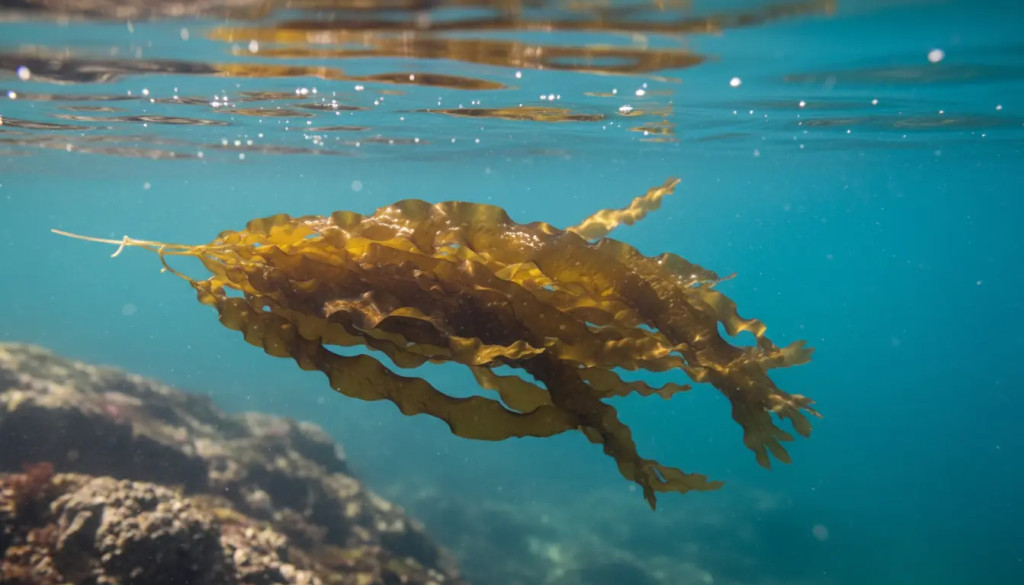
WakameUndaria pinnatifida) is a edible brown algae which belongs to the family Alariaceae. Native to the coasts of Japan, Korea, and China, this seaweed has been cultivated and consumed in Asia for over a thousand years.1. In France, its cultivation began in Brittany in the 1980s, and today, the Breton wakame is recognized by the Japanese experts themselves for its exceptional quality.
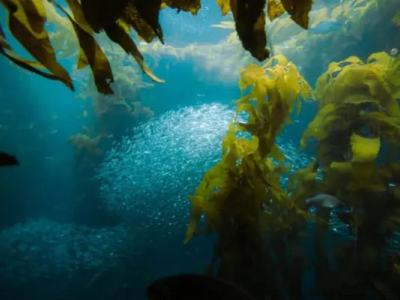
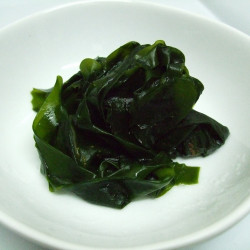
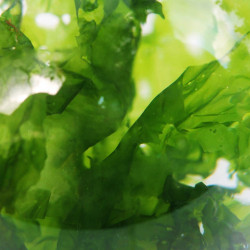
Concretely, wakame appears as long fronds that can reach 1 to 2 meters in length. Its color varies from olive brown when fresh to intense green once blanched. It is this characteristic that sometimes earns it the nickname "sea fern" or "ouessanne" in Brittany.
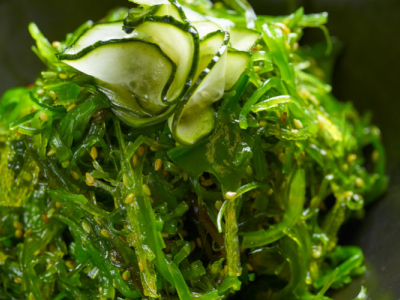
What sets wakame apart from other seaweeds is its particularly tender texture and subtly iodized, slightly sweet taste, which some say is reminiscent of oysters. In Japanese cuisine, it is essential in miso soup and seaweed salads that you have probably already tasted in a Japanese restaurant.
The Seaweeds truly represent superfoods of the sea., and wakame holds a prominent place among them due to its remarkable nutritional profile.
.webp)
Nutritional composition of wakame: the numbers speak for themselves
Let's get into the specifics. What makes wakame so interesting are the nutritional data that have been measured by researchers over the decades. Here, I present to you the figures from scientific analyses, for 100 grams of dehydrated wakame:
Minerals and trace elements
- Calcium : 900 to 1,300 mg2 — which is approximately 10 times more than milk cow
- Magnesium : 107 mg3
- Iron : 2.2 mg
- Iodine : 35 to 50 mg per kg of dry matter4
- Potassium : 5,060 mg
- Sodium : 6,600 mg
Vitamins
- Vitamin A (beta-carotene): 140 to 310 µg/100g5
- Vitamin C : 3 to 15 mg
- B vitamins (B1, B2, B3, B6, B9, B12)
- Vitamin K : 5.3 µg
Macronutrients
- Proteins : 12 to 24 g according to the studies6
- Dietary fibers : 30 to 45 g, with a majority of soluble fibers (alginates, fucoidans)
- Carbohydrates : 45 to 55 g
- Lipids : 1 to 4 g (including omega-3)
Specific bioactive compounds
- Fucoxanthin : 0.5 to 1 mg/g of dry matter7
- Fucoidan : 5 to 20% of the dry weight8
- Polyphenols : 2 to 5 mg/g9
These data come from analyses conducted on wakame samples from different origins. It is important to note that the composition may vary depending on the harvest season, geographical area, and cultivation conditions.10.
To learn more about the active compounds in brown algae, I invite you to consult our Article dedicated to fucoidan, this polysaccharide with properties studied by many research teams.
Fucoxanthin: The Pigment That Makes the Difference
If wakame has generated so much interest in the scientific community in recent years, it is largely due to the Fucoxanthin. This carotenoid pigment, responsible for the characteristic brown color of the algae, has been the subject of numerous publications since the 2000s.
Fucoxanthin belongs to the family of xanthophylls. Unlike beta-carotene found in carrots, this pigment has a unique chemical structure with an allenic group and an epoxy bond that give it special properties.11.
A meta-analysis published in 2015 in the Journal of Obesity compiled data from several studies on fucoxanthin12. Researchers have observed that this compound interacts with lipid metabolic processes, particularly in adipose tissue. A Japanese study conducted on obese mice showed that fucoxanthin modulated the expression of certain genes involved in fat metabolism.13.
In humans, an Italian study published in 2010 followed 151 overweight women for 16 weeks. The group receiving a wakame extract enriched with fucoxanthin showed an average fat mass reduction of 4.9 kg compared to 0.3 kg for the placebo group.14. These results are promising, even though further research is needed to confirm these observations.
What is certain is that the Fucoxanthin is a powerful antioxidant.. Studies In vitro demonstrated its ability to neutralize free radicals and protect cell membranes against oxidative stress15. A property shared by other compounds present in algae, such as polyphenols and vitamins.
Wakame and Weight Management: What Science Says
The question comes up very often: the Can wakame help in a weight management approach? ?This is what scientific research teaches us, without exaggerated promises.
Soluble fibers and satiety
Wakame contains between 30 and 45% dietary fiber, primarily soluble fibers such as alginates and fucoidans.16. These fibers have the characteristic of forming a gel upon contact with water in the stomach, which increases the volume of the food bolus and provides a feeling of satiety.
A study published in Appetite in 2012 showed that consuming alginate before a meal reduced total caloric intake by an average of 134 kcal17. The participants reported feeling full more quickly and for a longer time after the meal.
Iodine and thyroid metabolism
Wakame is naturally rich in iodine, an essential trace element for the normal functioning of the thyroid. The thyroid gland uses iodine to produce the hormones T3 and T4, which regulate basal metabolism.18.
However, be careful: excess iodine can disrupt thyroid function, especially in individuals with a history of thyroid disorders. We will address this important point in the precautions section. To explore this topic further, consult our Article on algae and the thyroid.
Fucoxanthin and lipid metabolism
As mentioned previously, fucoxanthin has been studied for its effects on fat metabolism. Research suggests that it may stimulate the expression of the UCP1 protein in adipose tissue, thereby promoting thermogenesis.19. In simple terms, this means that the body could use stored fats more efficiently as a source of energy.
A Russian clinical study published in 2009 observed an increase in the basal metabolism in women consuming a wakame extract for 4 weeks.20. However, the authors emphasize that these results should be interpreted with caution and confirmed by larger-scale studies.
In practice
The Wakame can be incorporated into a balanced diet. as part of a weight management approach. Its fibers promote satiety, its low caloric density (about 45 kcal per 100g rehydrated) actually makes it a food of choice, and its bioactive compounds are the subject of promising research.
But let's be clear: no food alone can make you "lose weight." Wakame is part of a holistic approach that includes a varied diet and regular physical activity.
Breton organic wakame: internationally recognized quality
Here is a piece of information that few people know: the Breton wakame is today considered by many experts, including Japanese ones, as one of the best in the world. This recognition is not by chance.
A story that begins in the 1980s
The cultivation of wakame in France began in Brittany in the late 1980s, particularly around Roscoff and the northern coast of Finistère. The oceanographic conditions of this region—cold waters, rich in nutrients, and strong marine currents—proved to be ideal for the growth of this seaweed.21.
At Biovie, we have been working for years with Breton producers such as BRETALG, based in Roscoff. This collaboration allows us to ensure complete traceability, from harvest to your plate. We have visited their facilities several times with Aurélie, and I can assure you that the seriousness of their quality approach is exemplary.
Optimal growing conditions
The Breton wakame grows in waters classified as A or B (the purest according to European regulations), at depths ranging from 1 to 15 meters. Harvesting takes place mainly from March to June, when the fronds have reached their optimal maturity and exhibit the best nutritional and taste qualities.
Analyses conducted on Breton wakame show heavy metal levels well below regulatory thresholds.22. This is a crucial point, as some algae from polluted areas can accumulate these contaminants.
A demanding organic certification
The Breton organic wakame complies with the European organic farming specifications, which notably require:
- An uncontaminated harvesting area
- The absence of chemical treatments
- Complete traceability
- Regular inspections by independent organizations
That is why we offer on the Biovie store of the fresh organic wakame BRETALG in 1 kg packaging, as well as dehydrated wakame flakes, more practical for daily use.

How to choose your wakame: fresh, dehydrated, or flakes ?
Specifically, you will find wakame in three main forms on the market. Each has its advantages depending on your culinary habits.
The fresh organic wakame (the one we offer on Biovie)
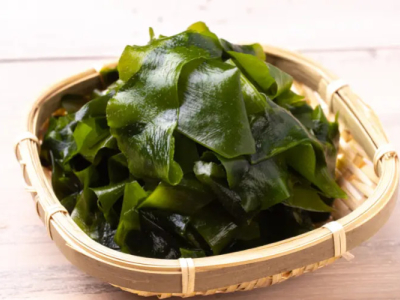
It is the form closest to the seaweed as it is harvested. Fresh wakame is preserved in sea salt, which allows it to maintain its texture and properties for several months in the refrigerator.
Advantages:
- Tender and melting texture
- Authentic taste, slightly iodized
- Ideal for salads and soups
- Long shelf life (minimum 6 months in the refrigerator)
Usage:
- Rinse thoroughly to remove salt (2 or 3 baths of a maximum of one minute each)
- Consume as is in a salad or in one of the recipes from our training or from our book "Seaweed in everyday life"
€17.30
Organic Fresh Wakame Seaweed
Dehydrated wakame flakes (which we also offer on Biovie)
It is the most convenient form for daily use. The wakame is dried at a low temperature and then crumbled into small flakes.
Advantages:
- Very long shelf life (1 to 2 years at room temperature)
- Instant use
- Easy dosage
- Minimal clutter
Usage:
- Sprinkle directly on the dishes
- Rehydrate for 5 minutes in warm water to restore the original texture.
- Ideal for soups, broths, salads, rice
Dehydrated wakame leaves
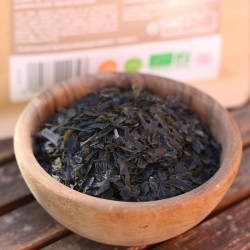
These are whole dried fronds, which rehydrate to regain their original shape.
Advantages:
- Aesthetic presentation
- Texture close to fresh after rehydration
- Versatile in the kitchen
Usage:
- Rehydrate for 10 to 15 minutes in warm water.
- Cut according to the recipe
- Perfect for traditional miso soups
To discover other complementary algae, I invite you to consult our multi-seaweed guide which also features dulse, sea lettuce, and nori.
Practical recipes for incorporating wakame into daily life
Here we go, let's move on to practice! I'm sharing with you here four Wakame recipes that we regularly use with Aurélie. They are simple, quick, and allow us to enjoy the taste qualities of wakame.
Recipe 1 Raw: Japanese-style Wakame Salad
Preparation time: 15 minutes
Ingredients (for 2 people):
- 20 g of dehydrated wakame (or 80 g of fresh salted)
- 2 tablespoons of soy sauce (gluten-free tamari)
- 1 tablespoon of rice vinegar
- 1 teaspoon of toasted sesame oil
- 1 teaspoon of sesame seeds
- 1 pinch of chili (optional)
Preparation:
- Rehydrate the wakame for 10 minutes in warm water, then drain.
- Mix soy sauce, rice vinegar, and sesame oil
- Pour over the wakame and mix gently.
- Sprinkle with sesame seeds
- Serve chilled
Recipe 2, half-cooked: miso soup with wakame and tofu
Preparation time: 10 minutes
Ingredients (for 4 people):
- 1 liter of water
- 3 tablespoons of white or red miso
- 15 g of dehydrated wakame
- 150 g of silken tofu cut into cubes
- 2 sliced green onions
Preparation:
- Bring the water to a simmer (do not boil)
- Add the wakame and let it rehydrate for 5 minutes.
- Remove from the heat and dissolve the miso in the broth.
- Add the tofu and green onions
- Serve immediately
Raw Recipe 3: Buddha Bowl with Wakame and Seasonal Vegetables
Preparation time: 25 minutes
Ingredients (for 2 people):
- 200 g of cooked brown rice
- 20 g of rehydrated wakame
- 1 ripe avocado
- 1 grated carrot
- 100 g of edamame
- Sesame seeds
- Sauce: tahini, lemon, soy sauce
Preparation:
- Place the rice at the bottom of two bowls.
- Divide the vegetables and wakame into sections.
- Prepare the sauce by mixing 2 c.s. tahini, the juice of half a lemon, and 1 c.s. soy sauce
- Drizzle with sauce and sprinkle with sesame seeds
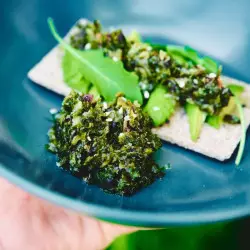
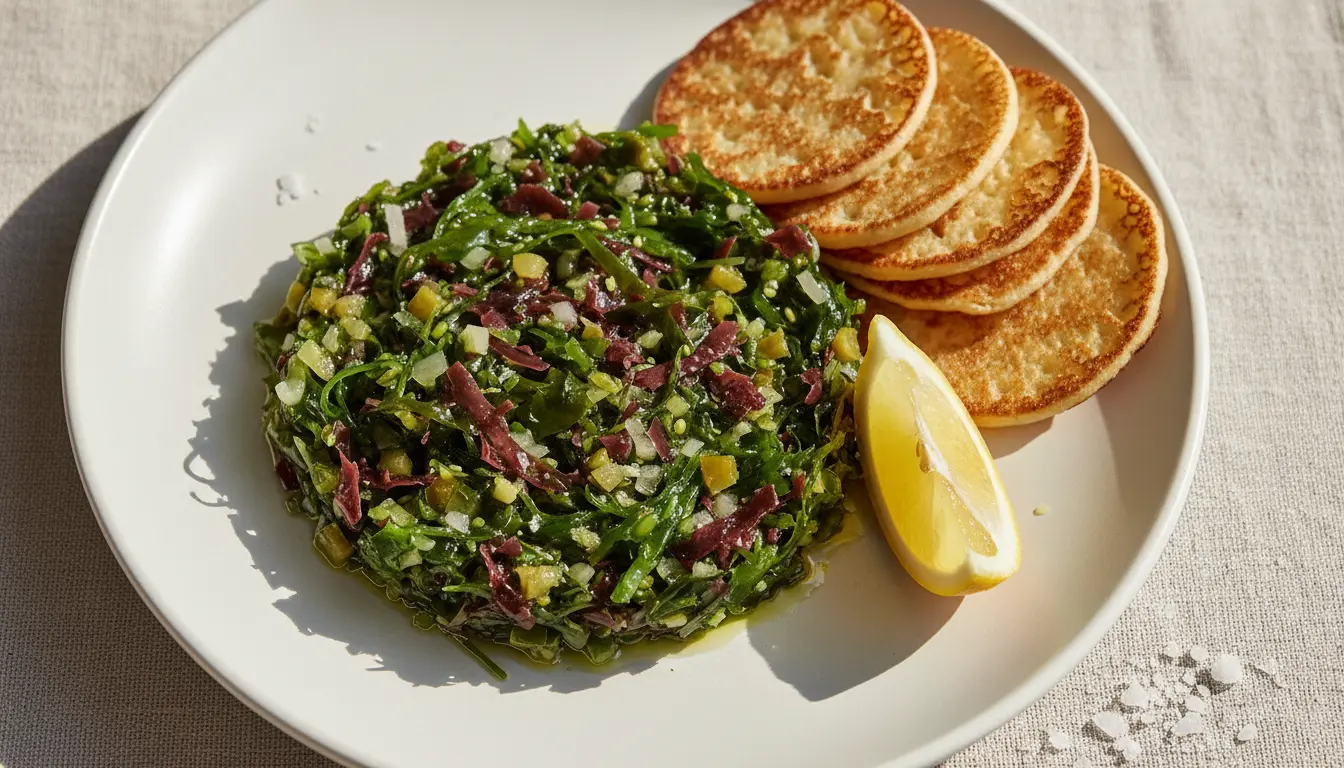
Recipe 4 Raw: Homemade Seaweed Tartare with Wakame
Preparation time: 20 minutes
Ingredients:
- 30 g of rehydrated wakame
- 30 g of rehydrated dulse
- 30 g of rehydrated sea lettuce
- 3 pickles
- 1 shallot
- 2 tablespoons of capers
- 3 tablespoons of olive oil
- 1 tablespoon of apple cider vinegar
Preparation:
- Finely chop all the rehydrated seaweed.
- Slice the shallot and the pickles.
- Mix all the ingredients
- Let rest for 1 hour in the refrigerator
- Serve on blinis or toasted bread
For this recipe, our Mix 3 seaweeds (Dulse, sea lettuce, nori) is perfect as a complement to wakame.
Precautions and contraindications: let's talk about them clearly
Frankly, a serious guide on wakame cannot overlook the precautions for use. This is a topic we always address with transparency at Biovie, because your health comes before any commercial considerations.
Iodine content: beware of excesses
Wakame naturally contains iodine, a trace element essential for the synthesis of thyroid hormones. The recommended dietary allowance (RDA) for iodine is 150 µg per day for an adult.23.
A 5-gram serving of dehydrated wakame can provide between 175 and 250 µg of iodine, which is already more than the Recommended Dietary Allowance (RDA). This is why it is important to moderate its consumption and not to combine multiple sources of iodine (various seaweeds, iodized salt, iodine supplements).
Formal contraindications
The Wakame is contraindicated. in the following situations:
- Medically recognized thyroid disorders : hyperthyroidism, Graves' disease, Hashimoto's thyroiditis, thyroid nodules. Additional iodine intake may worsen these conditions.
- Ongoing thyroid treatments : if you are taking Levothyrox or other thyroid medications, consult your doctor before consuming seaweed.
- Kidney failure diagnosed Wakame is rich in potassium and sodium, which can be problematic in cases of impaired kidney function.
- Anticoagulant treatments : wakame contains vitamin K, which can interfere with these treatments.
- Seafood allergy : Although rare, an allergy to seaweed is possible.
Recommended quantity
For a healthy person, without contraindications, a moderate consumption of 10 to 20 grams of fresh wakame (or 2 to 5 grams of dehydrated) several times a week is generally considered reasonable.
When in doubt, consult your doctor or a qualified healthcare professional. This advice is not just a stylistic formula: it's common sense.
To delve deeper into the question of interactions between algae and thyroid function, I recommend our Detailed article on algae and the thyroid.
FAQ: Your Most Frequently Asked Questions About Wakame
What are the nutritional benefits of wakame ?
Wakame has a rich and varied nutritional profile. It provides minerals (calcium, magnesium, iron, iodine), vitamins (A, C, K, B group), soluble fibers, and bioactive compounds such as fucoxanthin and fucoidan. These nutrients contribute to the normal functioning of the body as part of a varied and balanced diet.
Can wakame be incorporated into a weight management plan ?
Wakame can be part of a balanced diet as part of a weight management approach. Its soluble fibers promote satiety, its low caloric density (about 45 kcal/100g rehydrated) makes it a food of choice, and its bioactive compounds are the subject of scientific research. However, no food alone "causes weight loss."
How to consume wakame daily ?
Wakame can be consumed in multiple ways: in salads (rehydrated with a soy-sesame sauce), in miso soup, sprinkled as flakes on dishes, in buddha bowls, or even in seaweed tartare. Use 2 to 5 g of dehydrated wakame or 10 to 20 g of fresh wakame per serving.
Is wakame suitable for thyroid disorders ?
No, wakame is contraindicated in cases of thyroid disorders (hyperthyroidism, Graves' disease, Hashimoto's, nodules) due to its high iodine content. If you are undergoing thyroid treatment, consult your doctor before consuming any seaweed.
How much wakame can be consumed per day ?
For a healthy person without contraindications, consuming 2 to 5 g of dehydrated wakame (or 10 to 20 g of fresh) several times a week is generally considered reasonable. This amount provides nutrients without an excess of iodine.
Where to find quality organic wakame in France ?
High-quality organic wakame is available from specialists in superfoods and organic products. Opt for wakame from Brittany (Roscoff, Finistère), cultivated in waters classified as A or B, with European organic certification and complete traceability.
What is the difference between wakame and other seaweeds ?
Wakame is distinguished by its tender texture, subtle iodine flavor, and richness in fucoxanthin. In comparison, nori (red algae used for sushi) is finer and crispier, dulse has a more pronounced taste, and kombu is tougher and mainly used for broths.
Does wakame contain heavy metals ?
Wakame, like all seaweeds, can accumulate heavy metals present in its environment. This is why it is essential to choose wakame from non-polluted areas and monitored by independent laboratories. Organic Breton wakame is subject to regular analyses that ensure levels well below regulatory thresholds.
Scientific references
- Yamanaka, R., & Akiyama, K. (1993). Cultivation and utilization of Undaria pinnatifida Wakame as food. Journal of Applied Phycology, 5(2), 249-253.
- Rupérez, P. (2002). Mineral content of edible marine seaweeds. Food Chemistry, 79(1), 23-26.
- MacArtain, P., et al. (2007). Nutritional value of edible seaweeds. Nutrition Reviews, 65(12), 535-543.
- Teas, J., et al. (2004). Variability of iodine content in common commercially available edible seaweeds. Thyroid, 14(10), 836-841.
- Holdt, S. L., & Kraan, S. (2011). Bioactive compounds in seaweed. Journal of Applied Phycology, 23(3), 543-597.
- Fleurence, J. (1999). Seaweed proteins: biochemical, nutritional aspects and potential uses. Trends in Food Science & Technology, 10(1), 25-28.
- Maeda, H., et al. (2005). Fucoxanthin from edible seaweed shows anti-obesity effect. Biochemical and Biophysical Research Communications, 332(2), 392-397.
- Li, B., et al. (2008). Fucoidan: structure and bioactivity. Molecules, 13(8), 1671-1695.
- Jiménez-Escrig, A., et al. (2001). Antioxidant activity of fresh and processed edible seaweeds. Journal of the Science of Food and Agriculture, 81(5), 530-534.
- Schiener, P., et al. (2015). The seasonal variation in the chemical composition of kelp species. Journal of Applied Phycology, 27(1), 363-373.
- Miyashita, K., et al. (2011). The allenic carotenoid fucoxanthin. Journal of the Science of Food and Agriculture, 91(7), 1166-1174.
- Gammone, M. A., & D'Orazio, N. (2015). Anti-obesity activity of the marine carotenoid fucoxanthin. Marine Drugs, 13(4), 2196-2214.
- Maeda, H., et al. (2006). Fucoxanthin and its metabolite suppress adipocyte differentiation. International Journal of Molecular Medicine, 18(1), 147-152.
- Abidov, M., et al. (2010). The effects of Xanthigen in weight management. Diabetes, Obesity and Metabolism, 12(1), 72-81.
- Sachindra, N. M., et al. (2007). Radical scavenging activity of marine carotenoid fucoxanthin. Journal of Agricultural and Food Chemistry, 55(21), 8516-8522.
- Lahaye, M., & Kaeffer, B. (1997). Seaweed dietary fibers. Food Science, 17(6), 563-584.
- Paxman, J. R., et al. (2008). Daily ingestion of alginate reduces energy intake. Appetite, 51(3), 713-719.
- Zimmermann, M. B. (2009). Iodine deficiency. Endocrine Reviews, 30(4), 376-408.
- Woo, M. N., et al. (2010). Fucoxanthin supplementation improves lipid metabolism. Chemico-Biological Interactions, 186(3), 316-322.
- Abidov, M., et al. (2009). Effects of fucoxanthin supplementation on serum leptin. International Journal of Obesity, 33(5), 505-511.
- Werner, A., et al. (2004). Strategic review of seaweed aquaculture in Ireland. Institut Maritime, Ireland.
- ANSES (2020). Opinion on the risks associated with the consumption of edible seaweed.
- EFSA Panel (2014). Scientific opinion on dietary reference values for iodine. EFSA Journal, 12(5), 3660.