


Here is an ambitious pastry that deserves a quiet Sunday: a paper-thin sheet made with macadamia, coconut and Irish moss, dried slowly in the dehydrator until it turns supple and light. Stacked in layers and filled with fresh nectarines, it is finished with a drizzle of raw chocolate. It takes patience, especially for the Irish moss, but the result is surprisingly light. A recipe to keep for unhurried brunches.
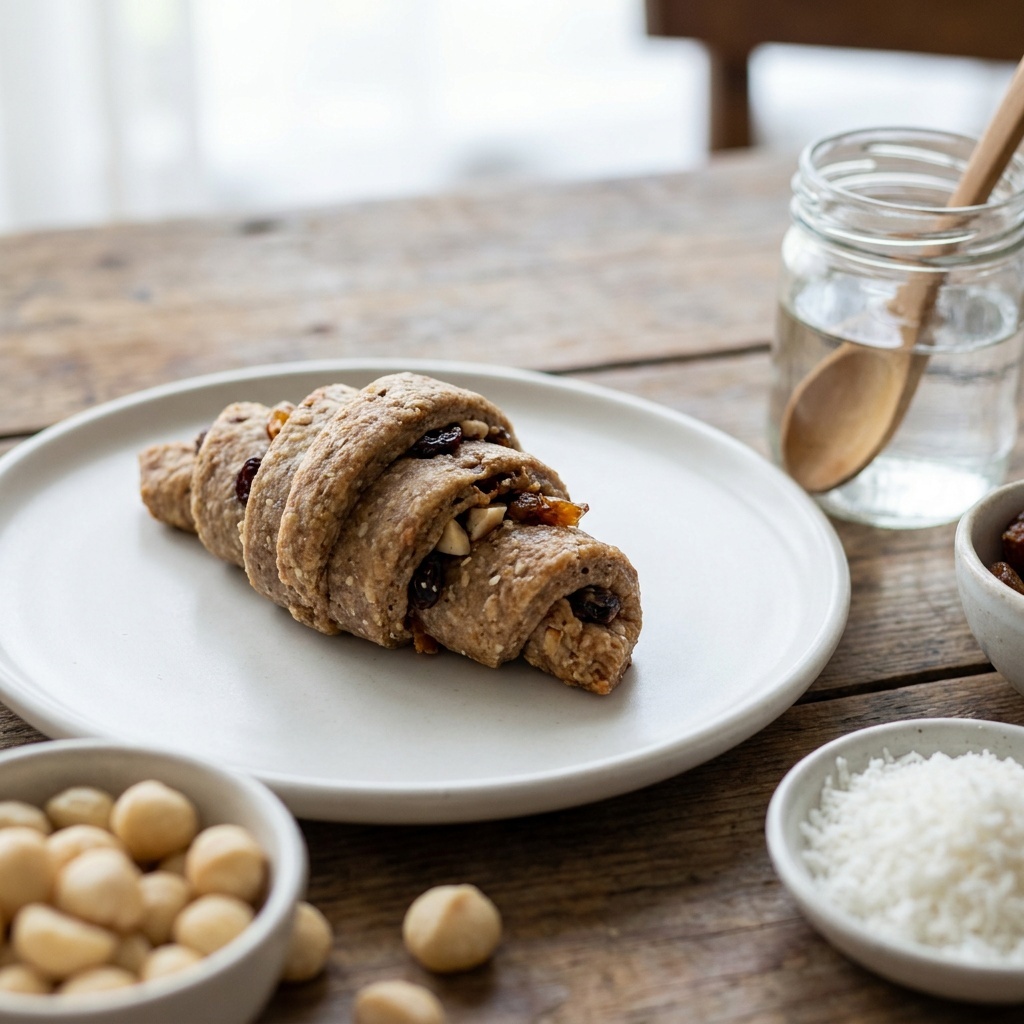
Raw Danish pastry with nectarines and chocolate

Share this article
Ingredients
Irish moss gel
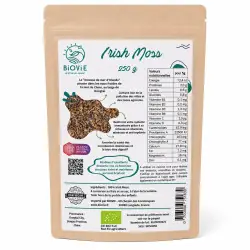
- 90 g Irish moss, soaked and rinsed (squeezed well before weighing)
- 125 ml filtered water
Pastry
- 150 g macadamia nuts
- 90 g grated coconut
- 1 1/2 teaspoons powdered vanilla
- 5 tablespoons lucuma powder
- 1/4 teaspoon pink Himalayan salt
- 1 1/2 tablespoons organic lemon juice
- 125 ml honey
- 300 ml filtered water
- 1/2 teaspoon sunflower lecithin (optional)
- fresh nectarine halves, for assembling
Raw chocolate
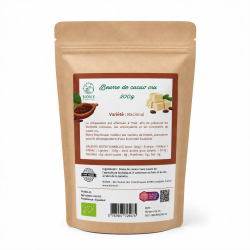
- 50 g raw cacao butter
- 2 tablespoons raw cacao powder
- 2 tablespoons honey
Method
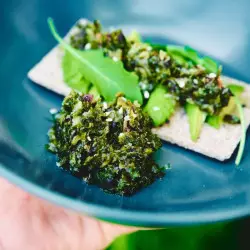
- Soak the Irish moss until it has softened completely, then rinse it thoroughly under running water.
- Place it in an airtight container two-thirds full of water, close it and shake vigorously for 30 seconds; change the water and repeat twice.
- Leave the cleaned moss to soak for a further 3 to 4 hours so that it swells.
- Cut it into pieces and blend it in a high-speed blender with the filtered water until you have a smooth gel.
- Grind the macadamia nuts and coconut into a fine flour in the blender.
- Add the vanilla, lucuma and salt, then mix.
- Add the Irish moss gel, lemon juice, honey, water and lecithin, and blend until the batter is perfectly smooth.
- Pour the mixture as thinly as possible onto a dehydrator tray lined with a non-stick sheet, tilting the tray to spread it evenly.
- Dehydrate for 12 hours at 41 °C, carefully turn the pastry over, then continue for 7 to 8 hours.
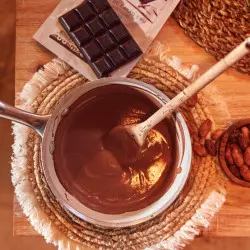
- For the chocolate, gently melt the cacao butter in a lukewarm bain-marie, then whisk in the cacao and honey.
- Break the pastry into palm-sized pieces, stack them in layers with the peeled nectarine halves and drizzle with chocolate.
Tip
As a last resort, Irish moss can be replaced with agar-agar, but the pastry will be less supple: it is the moss that gives it its distinctive elastic texture. Assemble the layers at the last minute, as the nectarine juice softens the pastry in less than an hour.
The full range Cacao
6 products
Online only
FAQ: your questions about raw Danish pastry
What is sea moss?
Sea moss is the common English name for several red seaweeds used for their gelling properties, including the Irish moss (Chondrus crispus) used here. Soaked and then blended, it makes a neutral-tasting gel that binds raw preparations and makes them more supple. It is what allows this pastry to dry into a thin sheet without cracking.
How do you eat macadamia nuts?
Plain, as a snack, but also blended: their high fat content makes for very creamy flours, creams and plant-based cheeses. In this pastry, they are ground with the coconut to form a tender base. Blend them in short pulses, otherwise they quickly turn into a paste.
What are the types of pastry?
Classically, a distinction is made between doughs (shortcrust, sweet shortcrust, puff and yeasted), creams, sponges and layered desserts. Raw pastry follows the same families with other techniques: nuts and dates for tart bases, cashews for creams, and the dehydrator to imitate doughs, as in this Danish version.
Share this article