


Here it is sunflower seeds and cashews blended together that form the base cheese, rather than a single nut, and that is what gives the sauce its thickness without letting a dominant cashew flavour take over. White miso stands in for the salt a dairy alfredo would draw from parmesan, and three generous tablespoons of nutritional yeast push the savoury, almost cheesy note further still: the sauce reads as rich rather than merely creamy. Two olive oils go in side by side - a neutral one for body, a truffled one for aroma - and together they give an earthy depth a single oil would not reach. Garlic and a full teaspoon of cracked peppercorns bring sharpness at the edges, while lemon juice keeps the whole thing from falling flat. Everything goes into the blender in one step, with no reduction and no thickening stage: the texture therefore depends entirely on how well the sunflower-cashew base was blended. What comes out is thick enough to cling to courgette ribbons or vegetables without pooling at the bottom of the bowl, closer to a jarred alfredo than to a thin cashew cream. Try it over courgette noodles, spooned onto steamed vegetables, or as a dip for raw crudités.
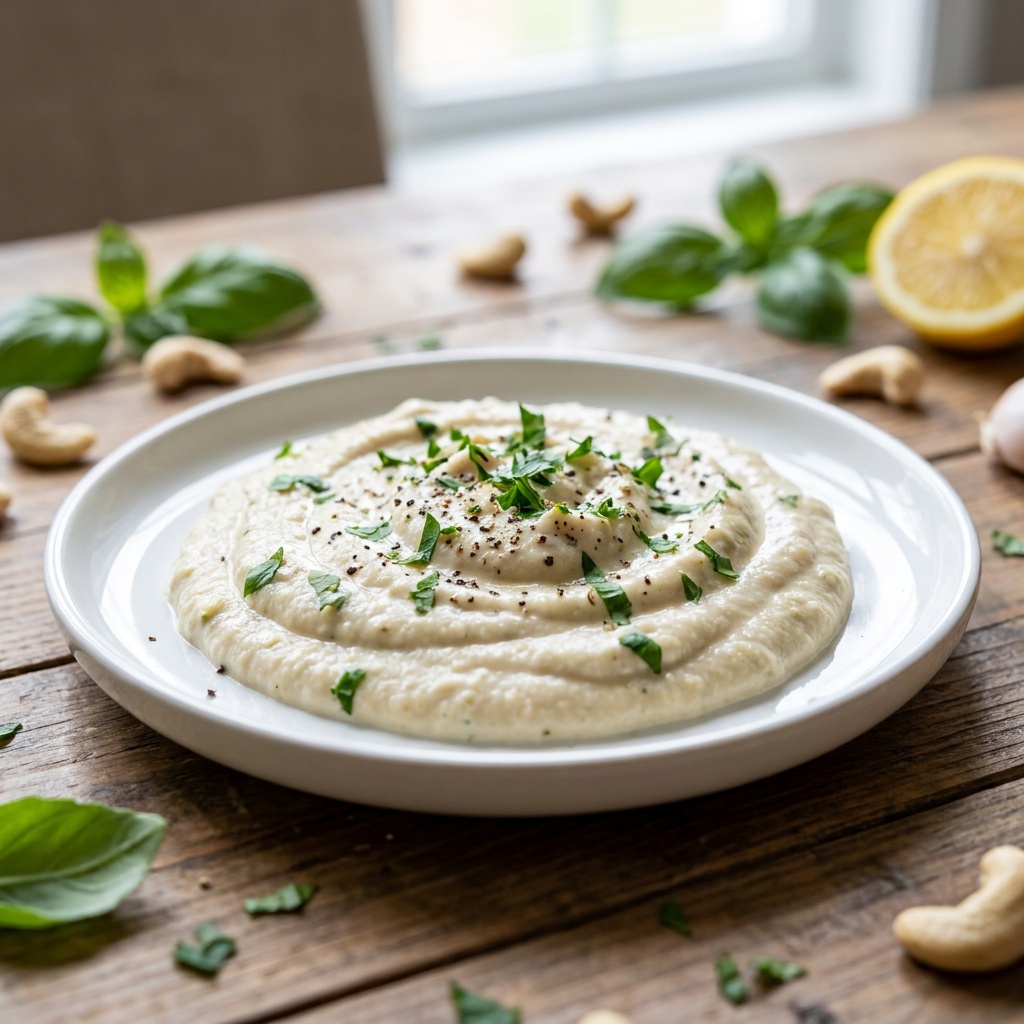
Raw alfredo sauce with sunflower, cashew and truffle oil

Share this article
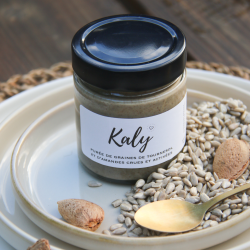
Sunflower seed and activated almond puree
€12.00 RESTOCKING BEGINNING OF DECEMBER
Ingredients
- 2 cups sunflower-cashew cheese (equal parts sunflower seeds and cashews, blended with water)
- 3 tablespoons nutritional yeast
- 2 tablespoons lemon juice
- 1 tablespoon white miso
- 1/2 teaspoon salt
- 1 teaspoon peppercorns
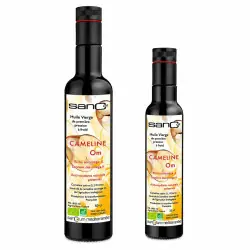
- 2 tablespoons truffle-infused olive oil
- 2 tablespoons olive oil
- 1 garlic clove
Preparation
- Combine all the ingredients in a high-speed blender and blend until completely smooth.
Note: keeps refrigerated for about 5 days.
Tip
If you do not have truffle oil on hand, a full quarter cup of plain olive oil works in its place, though the finished sauce will taste noticeably plainer and less earthy. Store leftovers in a sealed container in the fridge for up to about five days, and let the sauce sit at room temperature for a few minutes before serving, since the oils firm up when cold and dull the smooth, pourable texture.
The full range Oilseeds, nuts, seeds
20 products
Discover the full range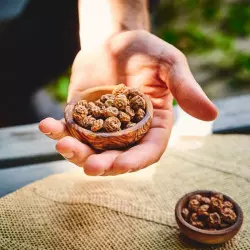
FAQ: your questions about raw alfredo sauce
What can you do with nutritional yeast in the kitchen?
It serves anywhere you want a savoury, salty, faintly cheesy note without dairy. In sauces, as here, it gives the body of flavour a parmesan would bring. It also scatters over pasta, popcorn, a salad or vegetables; it goes into plant cheeses, raw pâtés and dressings. One practical tip: add it at the end and taste, because its effect builds quickly and a heavy hand leaves a stock-cube aftertaste.
What is nutritional yeast?
It is a yeast - most often Saccharomyces cerevisiae - grown, then deactivated by heat and dried into flakes or powder. Unlike baker's yeast, it makes nothing rise: it is dead and serves only to season. Unlike brewer's yeast, it is grown specifically for food rather than recovered from a brewing process, which makes it markedly less bitter. Its flavour is mild, umami, and suggests hazelnut as much as cheese.
What can replace nutritional yeast?
Nothing reproduces it exactly, but several things come close depending on the use. White miso - already present in this recipe - brings the umami and the saltiness, without the cheesy side. Almond or cashew butter combined with a little lemon juice gives body. Sun-dried tomatoes and powdered dried mushrooms also bring umami. In a sauce, the miso plus lemon combination comes closest to the result you are after.
Where can you find nutritional yeast?
It has become common: organic shops, the health-food aisles of supermarkets, plant-based grocers and specialist websites. It sometimes goes by the name of savoury yeast or yeast flakes, which is confusing. Check two things when buying: that it is genuinely inactive, and whether it is fortified with vitamins or not - both versions exist, and they taste identical.
Share this article