


A base of almonds and shredded coconut, bound with dates instead of butter and flour, gives this cheesecake a crust with real chew, where a raw crust often turns into a sandy crumble. The filling leans on soaked cashews for its body, with two-thirds of a cup of fresh lime juice cutting through the richness, and coconut oil setting the whole thing once it chills. Date paste sweetens the filling with no refined sugar at all, and because everything is blended perfectly smooth before it goes into the pan, there is no risk of lumps or of the uneven texture a traditional baked cheesecake can develop around the edges. The pan goes straight into the fridge rather than the oven: no water bath, no cracking, no timer to watch - a few hours of chilling and it is ready to slice. It travels well cold, holds its shape at room temperature for a while and freezes without losing texture, which makes it a sensible choice when preparing ahead for guests. A little extra shredded coconut on top is enough to finish it.
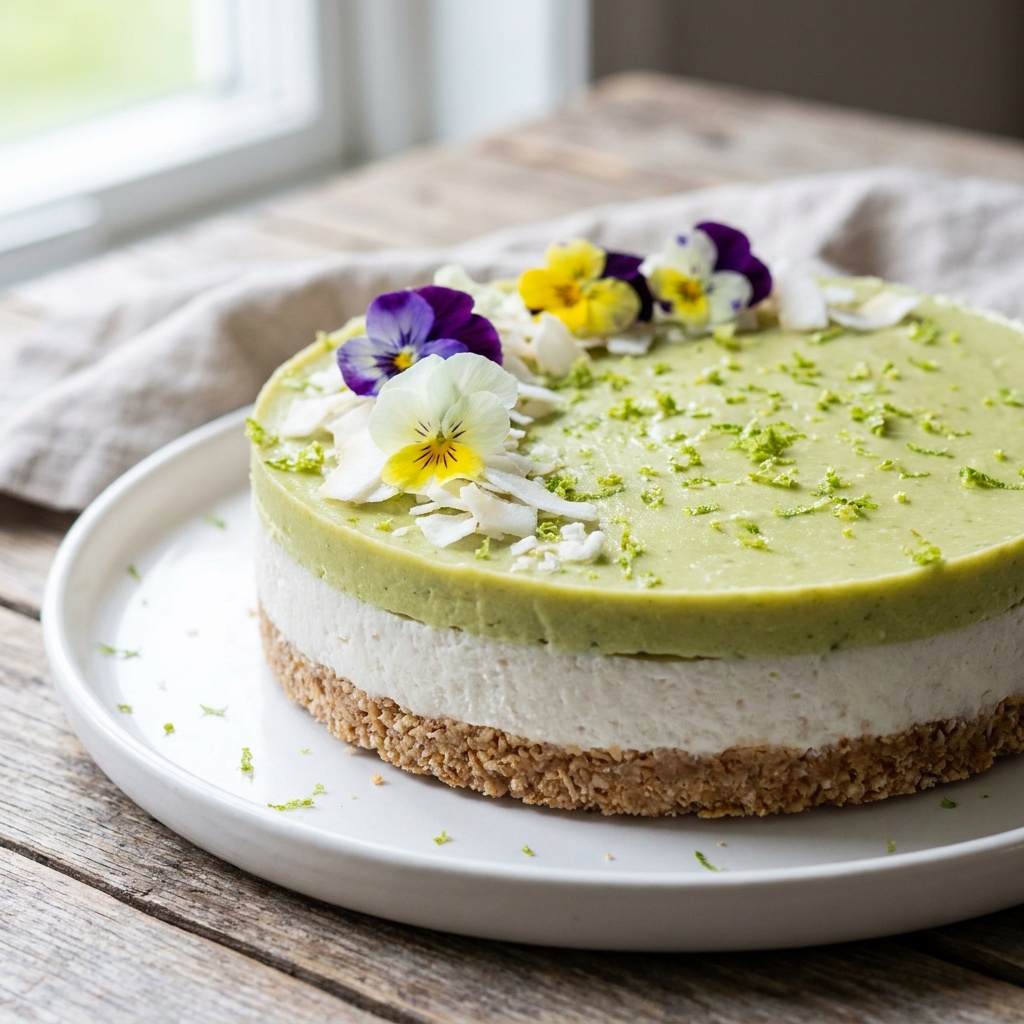
Raw coconut and lime cheesecake on an almond-coconut crust

Share this article

Ingredients
Crust
- 1 cup almonds
- 1/2 cup unsweetened shredded coconut
- 1/2 cup pitted Medjool dates
- 1/2 teaspoon vanilla extract
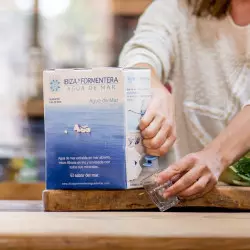
- A pinch of sea salt (the equivalent of 1 tablespoon - 15 ml - of seawater)
Filling
- 1 cup coconut, cashew or almond milk
- 2 cups raw cashews, soaked and drained
- 1/2 cup date paste (see the note)
- 2/3 cup fresh lime juice
- A pinch of sea salt (the equivalent of 1 tablespoon - 15 ml - of seawater)
- 2 teaspoons vanilla extract
- 1/2 cup coconut oil
Preparation
- Pulse the almonds and coconut in a food processor until they form a fine meal.
- Add the dates, vanilla and salt, and keep processing until the mixture clumps together.
- Press the mixture firmly and evenly into a 23 cm springform pan, or divide it among 6 muffin liners. Chill in the refrigerator while you prepare the filling.
- Blend all the filling ingredients except the coconut oil until completely smooth.
- Add the coconut oil and pulse briefly to emulsify it into the mixture.
- Pour the filling over the chilled crust and refrigerate for at least 2 hours before serving. Top with a little extra shredded coconut.
Note on date paste: soak dates in warm water until soft, drain them, then process in a food processor until you have a smooth, thick paste. It keeps very well refrigerated for future use.
Tip
Date paste is easy to make ahead: soak pitted dates in warm water until soft, process until smooth, and keep the extra refrigerated for other recipes. If the filling seems loose after blending, it will still firm up in the fridge as the coconut oil solidifies, so resist the urge to add more cashews to compensate.
The full range Oilseeds, nuts, seeds
20 products
Discover the full range

FAQ: your questions about raw coconut and lime cheesecake
Can I replace butter with coconut oil?
In a raw dessert like this one, the question does not run that way: coconut oil does not replace butter here, it plays the role the oven would play in a baked recipe. It is solid below about 24 °C and liquid above: that change of state is what sets the filling in the fridge. In conventional baking the swap works too, at roughly equal quantity, but the result will be firmer when cold and a little more crumbly, since coconut oil contains no water.
What are some recipes using cashews?
Cashew is the most versatile nut in raw cooking because it is mild, almost neutral, and turns perfectly smooth in a blender. Soaked, it gives cheesecake fillings like this one, alfredo-style sauces, fermented plant cheeses, dessert creams and plant milks. Unsoaked and blended dry, it serves as a crust base. Its only limit is the price, which often justifies cutting it with almond or sunflower seed.
How do you make homemade date paste?
It is the simplest gesture in raw cooking. Pit the dates, cover them with warm water and let them soften - twenty minutes is enough for Medjool, longer for drier dates. Drain, keeping the soaking water, then process until you have a smooth, thick paste, adding the reserved water a spoonful at a time if the processor struggles. It keeps for a good week in the fridge in a sealed jar.
How do you eat date paste?
It replaces sugar wherever a liquid or soft sweetener works: in a cheesecake filling like this one, in a bar mixture, a porridge, a smoothie or a sweet-savoury dressing. It also spreads as it is on a cracker, alongside a nut butter. One thing to keep in mind: it brings fibre and substance, not just sugar, so it thickens the preparation at the same time as it sweetens it - adjust the liquid accordingly.
Share this article