


Here, sprouted quinoa takes the place of the cooked grain a wrap like this would usually carry: the bite becomes lighter and slightly crunchier than rice or couscous. Two overlapping collard leaves form the wrapper, trimmed of their thick centre rib so they fold without cracking. Inside go ribbons of raw beetroot and carrot, creamy avocado and a carrot-miso spread blended with ginger, shallot and a touch of honey. That spread does most of the work: it carries sharp, salty and slightly sweet notes through every bite instead of leaving the vegetables to speak for themselves. Sprouts or microgreens add one more layer of texture before the whole thing is rolled tight, burrito-style. The recipe makes four generous wraps, sized for a full lunch rather than a snack, and travels well if you pack them ahead for work or a picnic. A lighter, brighter alternative to a grain bowl, with all the same components rolled into something you can eat with your hands.
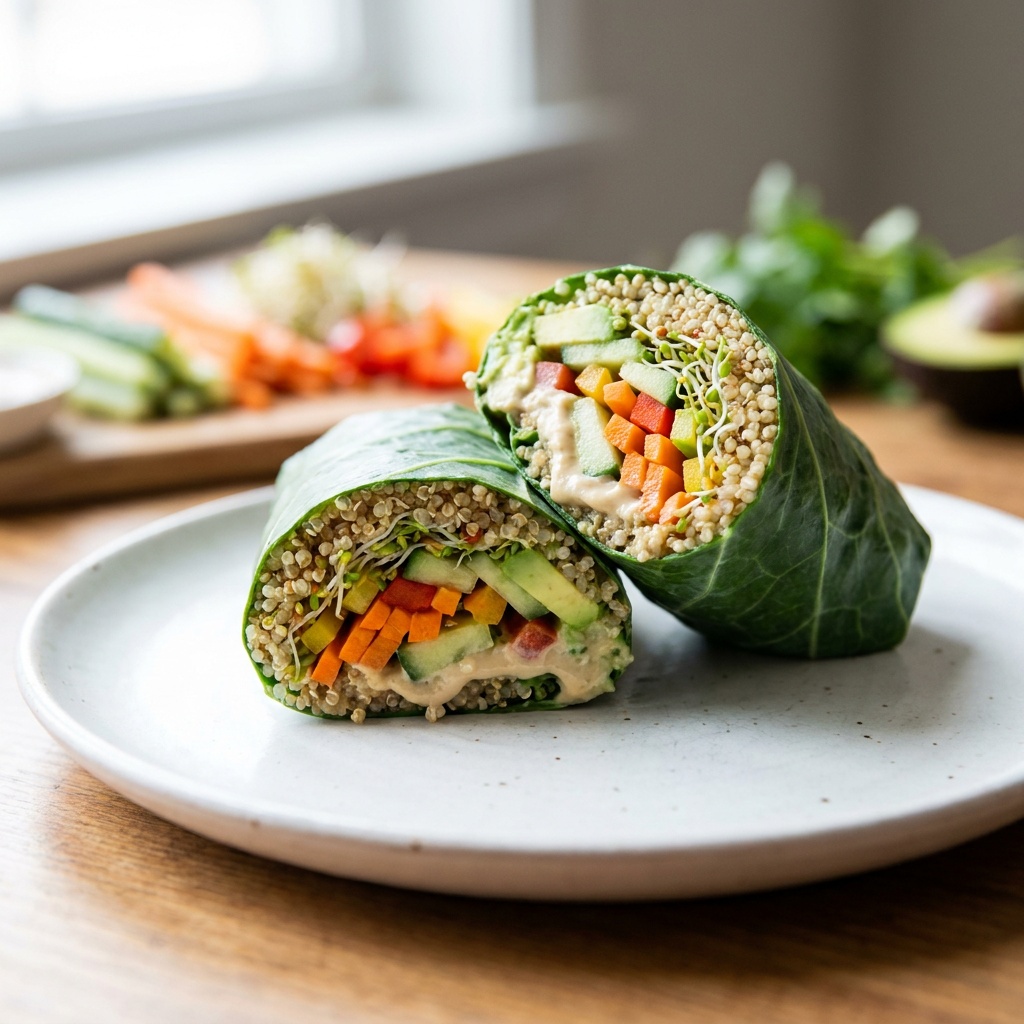
Collard green wraps with sprouted quinoa

Share this article
Ingredients
- 8 large collard green leaves, washed and dried
- 2 cups quinoa, sprouted or cooked
- 1 tablespoon sesame tahini
- Freshly squeezed lemon juice
- 1 cup roughly chopped carrots
- 1 tablespoon freshly grated ginger
- 1 small shallot, chopped
- 1 tablespoon miso paste
- 1 teaspoon honey
- 3 tablespoons brown rice vinegar
- 1 tablespoon sesame oil
- 1/4 teaspoon sea salt
- 2 cups grated raw beetroot
- 1 avocado, peeled, pitted and sliced
- 1 cup sprouts or microgreens
Preparation
- Trim the stem end off each collard leaf and shave down the thick centre rib so it is roughly the same thickness as the rest of the leaf.
- Stir the tahini and a splash of lemon juice into the quinoa, then set it aside.
- In a food processor, blend the carrots, the ginger, the shallot, the miso, the honey and the vinegar until smooth. Stream in the sesame oil at the end and add the salt.
- Lay two collard leaves side by side, overlapping them by half to form one wide wrapping surface. Spread on some of the carrot mixture, then layer the quinoa, the grated beetroot, the avocado and the sprouts. Fold in the sides and roll up tightly like a burrito. Eat right away, or wrap and refrigerate for up to about two days.
Tip
Wrapped tightly in parchment or film, the finished wraps hold up in the fridge for up to about two days, though the collard leaves soften slightly the longer they sit. If sprouted quinoa is not available, cooked and cooled quinoa works with no change to the assembly. Trimming the rib flush with the leaf, rather than just shaving it down, makes rolling noticeably easier for anyone new to working with collard greens.
The full range Sprouted seeds
46 products
Discover the full range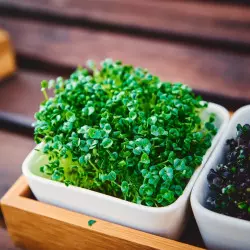
FAQ: your questions about collard green wraps with sprouted quinoa
Is quinoa a starch or a protein?
Both, and that is what makes it interesting. Quinoa mainly provides starch, like any starchy food, but with a protein content clearly higher than rice or pasta, and an unusually complete amino acid profile for a plant. It does not even belong to the grass family: it is a pseudo-cereal, a cousin of spinach and beetroot. In this wrap it plays the role of the satisfying base, while avocado and tahini bring the fat.
Is it good to eat quinoa in the evening?
There is nothing against it. Its moderate glycaemic load and its fibre content make it a fairly comfortable evening base, as long as portions stay reasonable. Sprouted, as here, it is even easier to digest: sprouting reduces the compounds that hinder mineral absorption and begins breaking down the starch. If you tolerate it poorly in the evening, try it sprouted rather than cooked before crossing it off your list.
What can you make with quinoa?
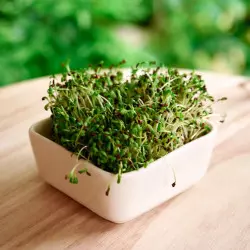
Far more than a side dish. Cooked, it forms the base of salads, vegetable patties, stuffed vegetables or complete bowls. Sprouted, as in this recipe, it is eaten raw and brings a discreet crunch to a wrap, a salad or a plate of raw vegetables. On the sweet side, it also slips into a morning porridge. Sprouting simply needs four to eight hours of soaking then regular rinsing until the little sprout appears.
Why do I get stomach pain after eating quinoa?
The most common cause is saponin, a bitter substance that naturally coats the seed and irritates some sensitive guts. A thorough rinse in cold water, rubbing the grains between your hands until the water stops foaming, removes most of it. Its fibre content can also surprise a digestive system unused to it: start with small portions. Soaking and sprouting generally improve tolerance considerably.
Share this article