





 among saturated, monounsaturated fatty acids (omega 9) and polyunsaturated fatty acids (omega 3 and 6), they are synthesized by the organism only in small amounts: a food intake is therefore necessary!
Omega-3 and omega-6 use the same enzymes: an excess of omega-6 limits the conversion of omega-3.
or, the Western diet is unbalanced: far too rich in omega 6. If the ideal ratio is 1/4 of omega 3 for 3/4 of omega 6, the majority of people are closer to 1/20th of omega 3 or less. This limits the conversion of omega 3.
So, how can we ensure optimal balance?
a few pillars:
- algae
- germinated seeds
- the weld
- Chia seeds
... and the consumption of various oils on a daily basis!
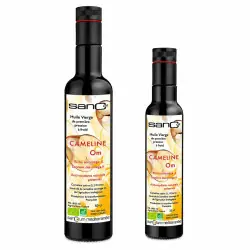
The ideal quantity? 4 tablespoons of oil a day. For example, 2 tablespoons of olive oil for omega 9, and 2 spoons of an oil rich in omega 3 such as lin oil (50% for 18% omega 9 and only 15% omega 6) - and hemp oil (20% omega 3 for 60% omega 6 and 12% omega). other oils (noix, perilla, cameline, rapeseed, wheat germ). will again bring you their unique flavours. I prefer virgin oils to margarines.
 important!
these oils are to be consumed raw to not destroy omega 3. As a reminder, only olive oil supports heat without being deteriorated, with omega 9 being much less sensitive. sunflower and peanut oils are far too rich in omega 6, and coconut oil is to be consumed in moderation due to its saturated fatty acid content.
choose virgin oils of first cold pressure, extracted preferably by artisanal processes.
Be careful, these oils are very sensitive to oxidation! it is necessary to buy them in an opaque container and preserve them from air and light. after opening, keep them fresh, in the lower floor of the refrigerator and consume them within 2 months to avoid any risk of rancid.
anne laure is naturopath and reflexologist


