

Apple sauce does not need cooking to be good, and this one proves it in five minutes flat. Raw apples keep their freshness and their acidity, lemon stops them browning, and lucuma slips in a lightly caramelised sweetness that recalls the apple sauce of our childhood without a single grain of added sugar. Cinnamon and freshly grated nutmeg warm the whole thing up. Crushed walnuts and dried currants, added at the last moment, bring the crunch that apple sauce so often lacks.
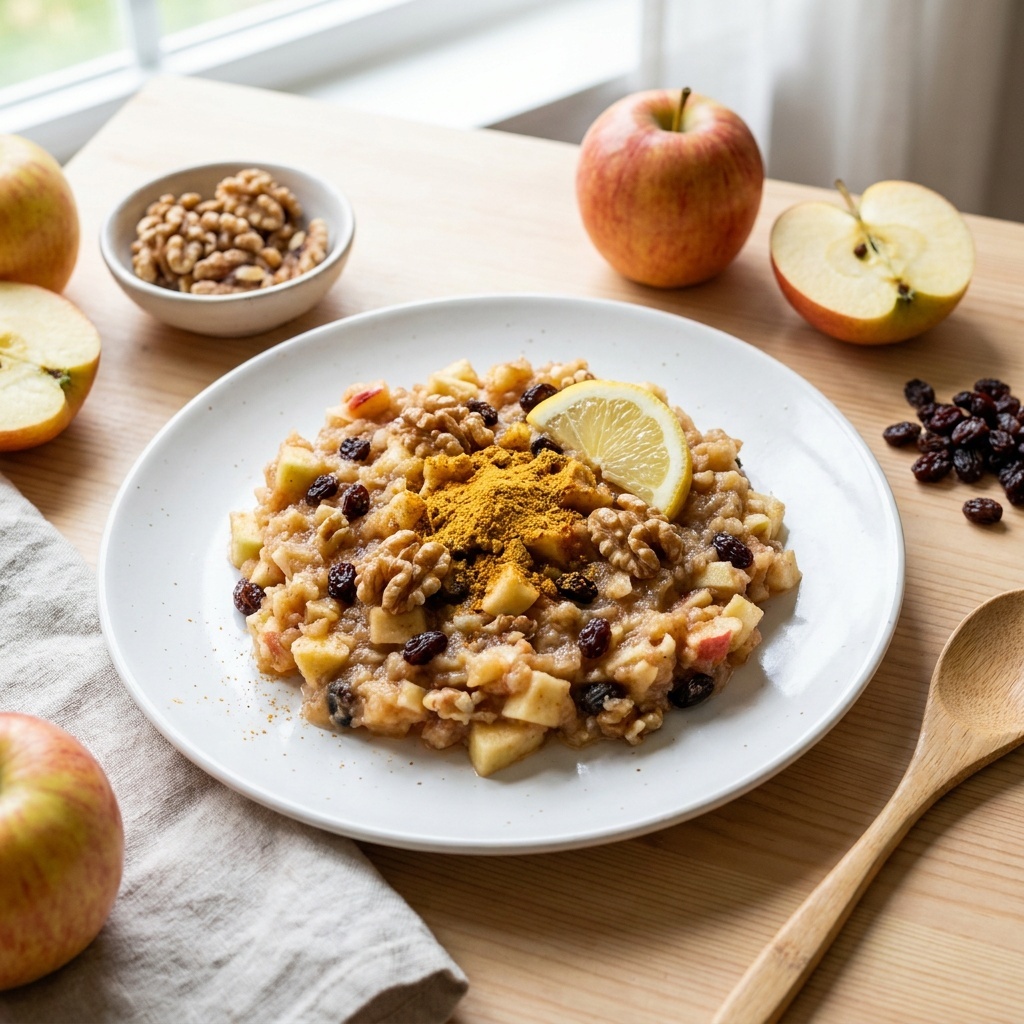
Raw apple sauce with walnuts and currants

Share this article
Ingredients
- 2 apples of your choice, cored and cut into pieces
- 1/2 tbsp lemon juice
- 1/2 tbsp lucuma powder
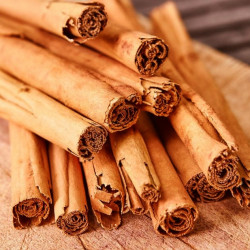
- 1/2 tsp ground cinnamon
- 1 pinch of fresh lemon zest
- 1 pinch of freshly grated nutmeg
- Crushed walnuts, to garnish
- Dried currants, to garnish
Method
- Put the apples, lemon juice, lucuma, cinnamon, zest and nutmeg in the blender.
- Pulse in short bursts if you like your apple sauce with pieces, or blend continuously for a perfectly smooth texture.
- Taste and adjust the cinnamon or the lemon depending on how tart your apples are.
- Pour into a bowl and garnish with crushed walnuts and dried currants just before serving.
Tip
Mix two or three varieties of apple rather than just one: the flavour gains a great deal in complexity, and a tart apple paired with a very sweet one gives the best balance. The lemon juice is there not for taste but to prevent oxidation: without it, the sauce browns in about twenty minutes. Keep the skin on if your apples are organic and well washed, it adds fibre and a pretty colour. This sauce is eaten straight away, it keeps no more than twenty-four hours in the fridge.
The full range Plant-based oils and spices
11 products

FAQ: your questions about raw apple sauce
How do you make apple sauce in a blender?
Cut the apples into pieces of about 2 cm, add a squeeze of lemon juice and pulse in short bursts. The blender needs no liquid if the apples are juicy; if it struggles to start, a spoonful of water is enough to get things moving. For a raw sauce, avoid blending for too long at a stretch: the friction of the blades heats the mixture and costs it its freshness. A few pulses are better than a full minute.
Why put lemon juice in apple sauce?
For two reasons. The first is visual: cut apples brown on contact with air through an enzyme, and the acidity of lemon blocks that reaction. The second is about taste: apples grown today are often very sweet and short on definition, and lemon gives them back some bite. Half a tablespoon is enough for two apples; beyond that the acidity takes over.
How do you make apple sauce smoother?
Three levers. Blend for longer, first, accepting that the mixture warms slightly. Then add a fatty ingredient, such as a spoonful of nut butter or a piece of avocado, which gives a velvety texture without changing the flavour. And finally, pass the sauce through a fine sieve to remove the coarsest fibres, particularly if you kept the skin on. The lucuma used here also adds a little body.
What is the difference between apple purée and apple sauce?
The difference is mostly a matter of use and texture. Purée is finely blended and perfectly smooth, while sauce traditionally keeps pieces and a little bite. In practice, the two words today describe roughly the same thing in everyday language, and manufacturers use them interchangeably. Here it is up to you: a few pulses for a sauce, continuous blending for a purée.
Share this article
Related articles