




Summary
You've been in a fog for weeks. You read a sentence, you reread it, and it just doesn't "sink in." In meetings, you struggle to find your words. In the evening, you've done things, objectively - but you have trouble remembering what they were. This isn't ordinary fatigue. What you're experiencing has a name: the mental fog, or brain fog in English.
And this phenomenon is much more widespread than one might think. About 20% of French people experience this type of cognitive fog related to stress and mental overload. [1]. Mental health is also designated as the Great National Cause 2025 by the French government, which says something about the magnitude of the problem.
What conventional medicine often explains poorly, and what "lifestyle advice" (sleep better, move more) doesn't really solve, is that chronic mental fog is caused by two very specific biological mechanisms: the Neuroinflammation and the deficit in neurotransmitter precursors. However, there is a superfood that simultaneously acts on these two levers. Just one. Klamath algae.
Here is what I propose in this article: to understand what is really happening in your brain, and then to discover why Klamath - which we have been working with at Biovie for nearly 18 years - is one of the few truly documented nutritional responses on this subject.
Mental fog: what really happens in your brain
The 5 main causes of brain fog
Brain fog is not a vague subjective complaint. Biologically, several distinct mechanisms can be the cause of it - and they often coexist.
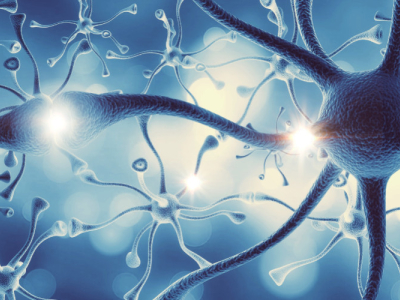
1. Neuroinflammation - It is the most underestimated cause. When your brain is subjected to chronic stress, an infection, a pro-inflammatory diet, or gut disturbances, it produces pro-inflammatory cytokines. These chemical messengers slow down neural transmission and literally make it feel like your brain is bogged down. It's not in your head - it's in your neurons.
2. The gut-brain axis - Your gut microbiota constantly communicates with your brain via the vagus nerve. A bacterial dysbiosis (imbalance of the gut flora) directly results in cognitive manifestations: concentration difficulties, unstable mood, mental fatigue. This axis is one of the major discoveries in neurobiology over the past twenty years. If this topic interests you, we have dedicated A complete article on superfoods and the gut microbiome.
3. Nutritional deficiencies - Vitamin B12, iron, and omega-3s are the first deficiencies to investigate in cases of brain fog. B12, in particular, is essential for the myelination of axons-without it, nerve conduction slows down, just like a poorly insulated electrical cable.
4. Chronic stress and sleep debt - Cortisol, the stress hormone, is neurotoxic at high prolonged doses. It deteriorates the prefrontal cortex, the area of the brain responsible for concentration and decision-making. About 30% of French people suffer from chronic sleep disorders [4] - and sleep debt is one of the most direct causative factors of brain fog.
5. The depletion of neurotransmitter precursors - Dopamine, serotonin, and norepinephrine do not appear out of nowhere. They are made from precursor amino acids: tyrosine, tryptophan, phenylalanine. When your diet is deficient in these precursors, or when your gut no longer absorbs them properly, neurotransmitter production drops-and your brain, literally, slows down. We explain these mechanisms in detail in our article on nutrition for nervous balance.
Why mental fog is not "just fatigue"
This is the first objection I often hear: "I just need a vacation." Frankly, I understand this reflex. But there is a fundamental difference between temporary fatigue-which can be resolved with rest-and the chronic mental fog, which persists despite sleep and worsens over time.
One in six adults experienced a depressive episode in 2024 according to the Public Health France 2024 Barometer. [3]. And among the patients who contracted Covid, between 30 and 40% develop prolonged brain fog, according to Professor Nathalie Kubis from the physiology department at Lariboisière Hospital. [2]. These figures do not describe normal fatigue. They describe a biological process that warrants a targeted biological response.
To understand how your nervous system and the glymphatic system work together To eliminate brain waste, I also invite you to read our article on this subject - it usefully complements what I am developing here.

Klamath and the Brain: The Mechanisms That Explain Everything
TheKlamath algae (Aphanizomenon flos-aquae, or AFA) grows wild in Klamath Lake, Oregon, under exceptional environmental conditions - altitude, mineral-rich volcanic waters, intense sunlight. This context produces an algae with a nutritional density that few superfoods can match. But what interests us here is its very particular composition in relation to brain fog.
To better understand the harvesting conditions that preserve the quality of the Klamath, I am sharing this video filmed directly on Klamath Lake in Oregon:
Harvesting of wild Klamath algae in Oregon - https://www.biovie.fr/en/
You will see the ethical harvesting process, the passage through the refrigeration tunnel, and the rigor of traceability - less than 1.5-2 hours between harvesting and refrigeration. This is not a marketing argument: it is what ensures the preservation of bioactive compounds, particularly PEA.
PEA, a precursor of dopamine - the star compound of Klamath
The Klamath contains Phenylethylamine, better known by the acronym PEA. This compound plays a central role: it is a precursor to dopamine and norepinephrine, two neurotransmitters directly involved in mental clarity, motivation, and sustained attention capacity.
Here's what it concretely means: when you lack dopamine, everything requires a disproportionate effort. Reading an email becomes burdensome. Starting a task demands superhuman willpower. It's the "fog" in its full functional dimension.
The study by Paolo, Massimo & Stefano (2018) [6] measured the impact of a Klamath extract standardized in PEA on 18 participants. Result: a 45% reduction in emotional distress score in just two months. This is significant. It is a quantified data point, on real people, with a documented protocol.
That's precisely why at Biovie, we offer the Klamath in frozen form : PEA is a fragile molecule that degrades quickly at room temperature. Immediate freezing after harvest is the only method that fully preserves this compound.
Share this article
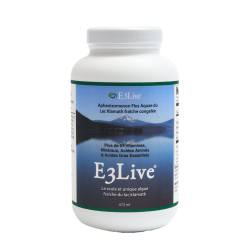
Wild Algae from Klamath Lake
€39.90 In stock
Phycocyanin and the cerebral inflammatory response
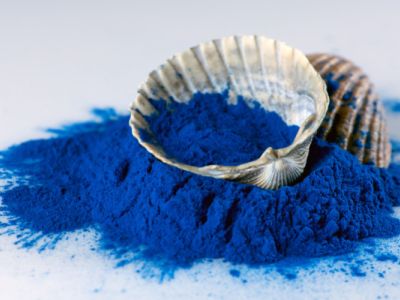
The Klamath also contains Phycocyanin C, a blue-green pigment whose properties have been documented in numerous studies for their role in regulating the inflammatory response. This is not a marketing metaphor: phycocyanin helps modulate certain inflammatory mediators in the body, particularly those involved in low-grade brain inflammation.*
To illustrate the mechanism: if your brain is an engine that overheats, phycocyanin acts like a cooling system. It helps maintain optimal neuronal function by supporting the body's normal inflammatory response.
The blood-brain barrier, which protects your brain, is also sensitive to systemic inflammation. Chronic neuroinflammation weakens it - and phycocyanin helps support its functional integrity.
If you wish to delve deeper into the subject of phycocyanin, I have written an article dedicated to its virtues - with the available data and their concrete meaning.
* A varied and balanced diet and a healthy lifestyle are important for cognitive health. The beneficial effect of phycocyanin is achieved through regular supplementation with quality Klamath.
Bioavailable vitamin B12 and the 20 amino acids
The Klamath is one of the rare plant sources of bioavailable vitamin B12 - meaning it is truly absorbable by the body. Vitamin B12 contributes to myelin synthesis, the sheath that protects and insulates nerve fibers, and contributes to the normal functioning of the nervous system. A deficiency leads to a measurable slowdown in nerve conduction.
But the Klamath doesn't stop there. It contains all 20 amino acids, including the direct precursors of dopamine (tyrosine), serotonin (tryptophan), and norepinephrine. In other words, it provides your brain with all the building materials to support the normal production of its neurotransmitters.
The study by Jensen et al. (2000) [5] also documented a significant mobilization of NK (Natural Killer) cells within 12 hours of taking Klamath - illustrating its effect on the immune response, a factor often overlooked in the context of post-infectious brain fog.
On this subject, the testimony of T. Campbell, who has been harvesting on Klamath Lake for 25 years, is particularly enlightening:
Klamath Lake AFA Algae - Interview with Harvester T. Campbell
He discusses the observed effects on emotional and mental well-being, stress management, sleep, and the digestive system in regular consumers of Klamath - for over two decades. A field testimony that complements the study data well.
Klamath vs lion's mane vs spirulina: which one to choose for brain fog ?
This is the question that many of our clients at Biovie are asking, and I understand why - the range of natural nootropics has significantly expanded in recent years. Here is an honest comparison, without bias.
- PEA (dopamine precursor) : klamath ✓✓✓ - lion's mane ✗ - spirulina ✗
- Support for the inflammatory response : klamath ✓✓✓ (phycocyanin) - lion's mane ✓✓ (beta-glucans) - spirulina ✓ (phycocyanin, but in lower concentration)
- Bioavailable Vitamin B12 : klamath ✓✓ - lion's mane ✗ - spirulina ✗ (pseudo-vitamin B12)
- NGF stimulation (nerve growth factor) : klamath ✗ - lion's mane ✓✓✓ - spirulina ✗
- Expected cognitive effect delay : Klamath 3-6 weeks - Lion's Mane 4-8 weeks - Spirulina (less targeted action on cognitive function)
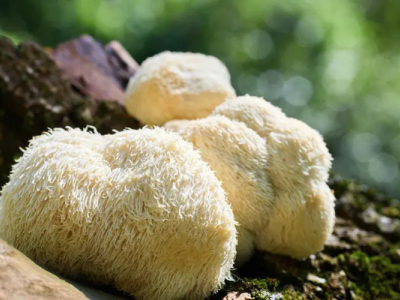
The conclusion I draw from this-and it's a position I fully embrace after eighteen years of working with these superfoods-is that Klamath and lion's mane are not in competition. They are complementary. Klamath acts on neurotransmitter precursors and the immediate inflammatory response. Lion's mane supports long-term nerve regeneration via NGF. For cases of severe or persistent brain fog, a combination of the two makes sense.
If you wish to delve deeper into the available scientific data on lion's mane, I have written two comprehensive articles: benefits, dangers, and dosage and what studies really say about lion's mane and memory.
Discover our Organic Lion's Mane Powder - 250g.
Spirulina remains an excellent nutritional base-rich in proteins, iron, and chlorophyll-but its profile does not specifically target the mechanisms of mental fog like Klamath does. To learn more about the role of algae as superfoods, I refer you to our dedicated article.
Organic Spirulina Powder is available in our shop.
Who is particularly affected by brain fog ?
Women in perimenopause
Marie is 47 years old. As an HR executive in a large company, she manages teams, conflicts, and schedules. Since she turned 45, she has noticed something she can't quite name: "I feel like my head is in a fog during meetings. I lose track. Before, I could handle ten topics simultaneously without effort."
What she is experiencing is scientifically documented. The drop in estrogen during perimenopause directly affects neurotransmission - particularly the production of serotonin and dopamine. The study by Scoglio et al. (2009) [8] specifically tested a Klamath extract on 30 perimenopausal women: the results show a significant improvement in general well-being, including psychological and cognitive discomforts, after two months of supplementation.
For Marie, as for many women during this period, Klamath can provide relevant nutritional support-not as a substitute for medical supervision, but as a complementary lever to support cognitive function. We have also written a complete guide to living well through menopause, with a natural and documented approach.*
* A varied and balanced diet and a healthy lifestyle are important for going through perimenopause in good conditions.
The case of menopause: why the hormonal transition clouds your thinking
This is the period when mental fog worries people the most, because it shows up unannounced in women who never had concentration trouble before. There is a physiological explanation, and it's a reassuring one: the brain carries many oestrogen receptors, notably in the hippocampus, the memory region. When hormone production starts to fluctuate, these circuits have to readjust - and that readjustment takes time.
The key thing to remember: this particular fog is almost always transitory, and it does not foreshadow cognitive decline. The available data show a gradual recovery once the transition has settled.
Why magnesium alone often disappoints
Magnesium is the first reflex, and it's not a bad one: it contributes to normal functioning of the nervous system and to reducing tiredness. But taken in isolation, in a poorly absorbed form, it frequently disappoints - because the mineral terrain isn't reducible to a single element.
This is the value of complete marine sources, seawater or seaweed: they supply magnesium together with potassium, zinc, selenium and the trace elements that take part in the same enzymatic pathways. Combined with the intakes described above, they form the base everything else rests on - as part of a varied and balanced diet and a healthy lifestyle.
Post-Covid people
Thomas is 38 years old. A freelance web developer, he contracted Covid at the beginning of 2023. It was a "mild" form - no hospitalization. But eight months later, he could no longer finish a sentence in his head. "I would ask a question on a forum, and by the time I pressed 'Send', I had forgotten what I had asked."
What Thomas describes is the prolonged neuroinflammation of long Covid, documented by Professor Nathalie Kubis at Lariboisière Hospital. [2]. Between 30 and 40% of post-Covid patients develop this type of persistent cognitive fog. Not fatigue. A chronic inflammation of the neural tissue.
The phycocyanin from Klamath, through its contribution to the regulation of the inflammatory response, directly addresses this issue. Testimonials from Biovie customers in this situation - and we have received many over the past three years - report a gradual improvement over four to six weeks of regular protocol.
Overworked individuals aged 35-50 years
Chronic cortisol is devastating for the brain. Working individuals aged 35 to 50 who are experiencing professional overload often accumulate: lack of sleep, fast food consumption, and constant underlying stress. The result is a progressive depletion of neurotransmitter precursors - exactly what Klamath can help replenish. Our article on 11 tips for better stress management usefully completes this statement.
Students during the revision period
Lucie is 22 years old and in preparatory class. She was looking for an alternative to caffeine - which stresses her out and causes her to crash in the afternoon. "Klamath gave me a different focus, cleaner, more stable. Without the peaks and troughs."
This profile - young, basically healthy, but with intense cognitive demands - is one for which a short and targeted Klamath protocol can yield measurable results quickly. The study by Cremonte et al. (2017) [7] It has also documented a significant improvement in concentration in children with attention disorders after six months of Klamath supplementation.
Ordinary forgetfulness or a signal not to ignore?
This is the question that weighs most heavily, especially after 45, and it deserves better than a shrug. The good news is that the line is fairly easy to read.
An ordinary lapse is about a detail, not the context: you can't recall a name, but you know exactly who you're talking about; you're looking for your keys, and you remember putting them down somewhere. The information is there, access is just momentarily slow. Fatigue, stress, a short night or too much on your mind are enough to explain it - and that's exactly what this article is about.
The signs that warrant medical advice are of a different nature. Losing the thread of an ongoing conversation, forgetting an entire event rather than a detail, becoming disoriented in a familiar place, repeating the same question minutes apart, or noticing that it's the people close to you who worry before you do: these things need evaluating, they aren't for self-diagnosis.
Three common and entirely reversible causes are also worth ruling out first, and a simple check-up is enough: hypothyroidism, a deficiency in vitamin B12 or iron, and the side effects of certain medications - sleeping pills and anxiolytics chief among them. It would be a shame to go looking in your diet for what a blood test would have identified in a week.
One last benchmark, often overlooked: cognitive ageing doesn't start at 70, it sets in gradually from your forties onward, driven by the combined effect of poor sleep, a sedentary lifestyle and low-grade inflammation sustained by diet. This is precisely why the levers described here - sleep, micronutrient intake, physical activity - matter well before the age when people start worrying about them, as part of a varied and balanced diet and a healthy lifestyle.
Practical protocol - how to use Klamath against brain fog
Dosage and expected time of effect
Here is the protocol we recommend at Biovie, based on available studies and feedback from our clients:
- Weeks 1-2: 1 g per day (adaptation phase - allow the body to adjust)
- Weeks 3-4: 2 g per day (active phase)
- Starting from month 2: The first measurable cognitive effects are expected at this stage, in line with the data from the study by Paolo et al. (2018). [6]
To give an economic perspective: at this dosage, the daily cost is just a few cents. Specifically, it is one of the best-positioned supplements in terms of effectiveness/cost ratio in our range.
Frozen fresh Klamath vs capsules - which form to choose ?
It is a choice that has real consequences on effectiveness. PEA - the star compound of Klamath for cognition - is a thermosensitive molecule. Freeze-drying or heat drying partially degrades it. Immediate freezing after harvest, on the other hand, preserves the entire nutritional profile.
This is why at Biovie, we have chosen cold-frozen Klamath: it is harvested from Klamath Lake in Oregon, packaged, and frozen within hours. This is not a marketing argument - it's a matter of biochemical consistency. To understand all the details of this process, read our article. "Frozen Klamath: Freshness and Nutrients Preserved".
For people who cannot or do not wish to use the frozen form (logistical constraints, travel, etc.), freeze-dried Klamath capsules remain a valid option - with a slightly different PEA profile. The key is to choose a controlled, traceable source, harvested under transparent conditions.
The full range Klamath Algae
Organic Klamath algae (Aphanizomenon flos-aquae) grows wild in Upper Klamath Lake, in Oregon. Biovie works with E3LIVE, the only supplier in the world with a complete infrastructure directly on the lake: harvesting boats, mooring pontoon, immediate cooling on site. It is the form closest to the alga in its natural state, sold frozen rather than dried or in tablets. To get started, a 3-week course lets you observe the first effects on your energy, before adjusting the dose according to how you feel., 2 products
Discover the full range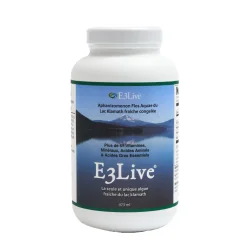
What to combine with klamath
Klamath works in synergy with other practices. It is not a magic pill - it is a powerful tool within a coherent set:
- The quality of sleep is fundamental: it is during sleep that the glymphatic system eliminates the metabolic waste accumulated in the brain. Without restorative sleep, no supplement can fully compensate. Our 10 keys to regaining restorative sleep will give you concrete leads.
- Hydration conditions the fluidity of nerve transmission. A slightly dehydrated brain functions less well - it is documented.
- Stress reduction : Klamath helps on a biochemical level, but it cannot replace a lifestyle that limits chronic sources of cortisol. Our article on stress management and sleep with natural tools will be useful to you.
- Nutrition : if you are already having trouble concentrating, your plate is the first place to look. Our guide on how to naturally boost your memory List the most documented foods and nutrients.

What Biovie customers are saying
After eighteen years of working with the Klamath, I am obviously not objective - and that's why I prefer to let you speak, rather than myself.
"Since discovering BioVie and living foods, my health has transformed. I feel lighter, more energetic, with a true sense of serenity every day."
"For several years, I have been ordering from Biovie, and it is one of the few sites I have absolute trust in. The products are of remarkable quality, well-sourced, and often unavailable elsewhere. I met the founder during an immersion and was impressed by the depth of his knowledge."
"I mainly order seaweed... completely satisfied with the quality of the seaweed and always impressed by the speed of delivery. Excellent value for money."
These feedbacks align with what we see on a daily basis: a gradual but real improvement that is taking hold over time. And for those who want to learn more about the history of Klamath at Biovie, I invite you to read My founding article on Klamath, the algae of regeneration, as well as the testimonies of Mark, Betty, and Gwen - long-standing clients whose perspective is valuable.
FAQ - Your questions about brain fog and Klamath
How can I support my cognitive functions in case of brain fog ?
The first step is to act on low-grade neuroinflammation through diet and targeted superfoods like Klamath. Unlike generic advice (exercise, sleep, which remain useful), Klamath helps support cognitive clarity by providing PEA and phycocyanin - two compounds whose effects have been documented on real participants in published studies. A 4 to 6-week protocol at 1-2 g per day is the recommended starting point.*
* A varied and balanced diet and a healthy lifestyle are important.
What vitamin is lacking when experiencing brain fog ?
Vitamin B12 is the first deficiency to investigate-it directly contributes to the normal functioning of the nervous system and the myelination of neurons. Klamath is one of the most bioavailable plant sources of B12. Additionally, vitamin D also deserves to be checked, especially in winter.*
* A varied and balanced diet and a healthy lifestyle are important.
Which plant or algae to choose for brain fog ?
The Klamath algae (AFA) stands out due to its unique combination of PEA, phycocyanin, and B12 - a profile that neither spirulina nor any adaptogenic plant possesses. Sage, often mentioned, acts on acetylcholine but does not cover the inflammatory axis. Lion's mane is a relevant supplement in combination.
How long does it take to feel the effects of Klamath on concentration ?
The initial cognitive effects (clarity, focus) are generally felt between the 3rd and 6th week at 2 g per day. The study by Paolo et al. (2018) on 18 participants shows a significant impact on mental well-being in two months.*
* Results may vary among individuals. A varied and balanced diet and a healthy lifestyle are important.
Is klamath relevant for post-Covid brain fog ?
Post-Covid brain fog is primarily linked to a persistent inflammatory response at the neuronal level - precisely one of the mechanisms on which Klamath phycocyanin helps to act. Feedback from Biovie customers in this situation report a progressive improvement as early as 4 to 6 weeks into a regular protocol.*
* A varied and balanced diet and a healthy lifestyle are important. These testimonials do not constitute a promise of results.
What is the difference between Klamath, spirulina, and lion's mane for the brain ?
Spirulina is rich in proteins and iron but does not contain PEA. Lion's mane stimulates NGF (nerve growth factor) but does not act directly on dopamine. Klamath is the only one that simultaneously covers PEA, phycocyanin, and B12 - a trio specifically relevant for mental fog.
Can one take Klamath during menopause ?
Yes - the study by Scoglio et al. (2009) specifically evaluated a Klamath extract on 30 perimenopausal women, with a significant improvement in general well-being, including cognitive aspects, after two months of supplementation.*
* A varied and balanced diet and a healthy lifestyle are important. Consult your doctor for personalized advice.
Which natural supplement to choose for brain fog ?
Klamath is a first-choice option for its simultaneous action on the inflammatory response and neurotransmitters. For cases associated with chronic stress, a combination with lion's mane may be relevant. Biovie offers both, in formats suited to different profiles.*
* A varied and balanced diet and a healthy lifestyle are important.
In conclusion
Here it is. Mental fog is not a fatality, nor a sign of weakness. It is a biological signal that your brain sends when it lacks specific resources - and is struggling against silent inflammation.
As of today, Klamath is the only superfood I know of that simultaneously contributes to the two main mechanisms of brain fog: the inflammatory response via phycocyanin, and support for normal neurotransmitter production via PEA and complete amino acids. This is not just marketing. These are data from documented studies, with real participants and quantified results.
After eighteen years of selecting superfoods at Biovie, I have learned not to overpromise. But I can tell you this: if you suffer from chronic brain fog and haven't yet tried the Klamath in a form of quality, it is undoubtedly the easiest gap to correct.
* A varied and balanced diet and a healthy lifestyle are important for cognitive health. This information does not substitute for professional medical advice.
Bibliographic references
The following references form the scientific basis of this article. They are cited according to their call number in the text.
- Mental Health Surveys France - Epidemiological data on mental fog related to stress and cognitive overload. Estimate: ~20% of French people affected.
- Kubis N. - Prolonged Neuroinflammation and Post-Covid Cognitive Sequelae (brain fog). Clinical Physiology Service - Functional Explorations, Lariboisière Hospital, AP-HP, Paris. Communications and published works 2021-2024. Estimate: 30-40% of post-Covid patients develop brain fog.
- Public Health France - Health Barometer 2024. National survey on major depressive episodes. Main result: 1 in 6 adults experienced a depressive episode in 2024. Available at: santepubliquefrance.fr
- Inserm / MGEN - Data on sleep disorders in France. Estimate: about 30% of French adults suffer from chronic sleep disorders. Available at: inserm.fr - sleep file
- Jensen G.S., Hart A.N., Zaske L.A., et al. - Consumption of Aphanizomenon flos-aquae has rapid effects on the circulation and function of immune cells in humans. JANA vol. 2(3): 50-58, 2000. Disponible sur : ResearchGate
- Nuzzo D., Presti G., Picone P., Galizzi G., Gulotta E., Giuliano S., Di Carlo M. - Effets de l'extrait d'Aphanizomenon flos-aquae (Klamin®) sur un modèle cellulaire de neurodégénérescence. Oxidative Medicine and Cellular Longevity, 2018. Data on a 45% reduction in emotional distress score on n=18 participants.
- Cremonte M., Sisti D., Maraucci I., et al. - The Effect of Experimental Supplementation with the Klamath Algae Extract Klamin on Attention-Deficit/Hyperactivity Disorder. Journal of Medicinal Food, 2017; 20(12): 1233-1239. Study involving n=30 children, duration: 6 months. Available at: PubMed
- Scoglio S., Benedetti S., Canino C., et al. - Effect of a 2-month treatment with Klamin, a Klamath algae extract, on the general well-being, antioxidant profile, and oxidative status of postmenopausal women. Gynecological Endocrinology, 2009; 25(4): 235-240. Study involving n=30 perimenopausal women. Available at: PubMed - Tandfonline
Update: March 2026. Article approved by Éric Viard, founder of Biovie and engineer ISTOM, co-author of " Seaweed in everyday life "(Gallimard, 2024) -" Best cookbook in the world, Gourmand Cookbook Awards 2025, and Best cookbook in France, National Academy of Cuisine 2025.